
 Source:
Balloon cactus (Parodia magnifica) short overview
Parodia magnifica, commonly called balloon cactus, is a distinctive South American cactus grown for its rounded blue-green body, deep ribs, golden spines and bright yellow flowers. It performs best in a porous cactus mix with excellent drainage, strong light and a careful dry period during winter. In the United States it is usually grown in a container or greenhouse, brought indoors before freezing temperatures and kept away from cold, wet soil.
Taxonomic classification
Balloon cactus (Parodia magnifica) care guide
Light and placement
Give the plant the brightest practical position: a south- or west-facing window, sunroom, greenhouse or patio with several hours of direct sun. In very hot climates, provide light afternoon shade and strong airflow. Pale, stretched growth suggests insufficient light; bleached or scorched patches indicate an abrupt increase in intense sun. Acclimate gradually after indoor wintering.
Watering and humidity
During active growth, water thoroughly until excess drains from the pot, then wait until the mix is fully dry before watering again. The interval may be several weeks depending on heat, light and pot size. Reduce sharply in autumn and keep nearly dry during a cool winter rest. Never leave the pot standing in water or water cold, dormant roots repeatedly.
Soil and growing medium
Use a very porous cactus substrate containing mineral grit such as pumice, perlite, coarse sand or fine gravel. The mix should drain immediately and should not remain saturated after watering. A slightly acidic to neutral reaction is suitable; avoid heavy, compacted or peat-dominant soil that stays wet around the roots.
Feeding
Feed only during active spring and summer growth, using a cactus fertilizer at half strength or a low-nitrogen liquid fertilizer at the label rate for succulents. Apply to already moist roots, not bone-dry compost. Stop feeding in autumn and during the cool winter rest; excess nitrogen can produce weak growth and reduce flowering.
Growth and habit
This solitary, rounded cactus develops a pronounced ribbed body and may become more elongated or produce offsets with age or under cultivation. Strong light helps maintain compact symmetry and spine color. Rotate container plants periodically for even growth, but avoid moving a plant abruptly from shade into intense sun.
Planting and repotting
Plant after the danger of frost has passed, or move container plants outdoors gradually in spring. Set the root ball at the same depth as before; do not bury the stem. Leave space for airflow and keep the crown above the surrounding substrate. Acclimate plants to direct sun over one to two weeks to reduce sunburn risk.
Repot in spring or early summer when the plant is actively growing, preferably only when the container is crowded or the mix has degraded. Use a pot with a drainage hole and allow any damaged roots to dry before watering. Handle the stem with folded paper, thick gloves or cactus tongs rather than gripping the spines.
Propagation and pruning
Propagation
Propagate primarily from seed. Sow in spring or summer in a sterile, porous medium and keep warm, lightly moist and humid until germination, then gradually increase ventilation. Seedlings are slow to establish. Stem cuttings are not a routine method for a solitary globose plant; any cut surface must callus fully before rooting.
Pruning
No routine pruning is required. Remove only dead, damaged or diseased tissue with sterile tools, wearing thick gloves and protecting the stem. Do not cut healthy ribs or the crown merely to reshape the plant.
Overwintering
Bring containers indoors before freezing weather. Keep the plant in a bright, cool, dry location, ideally around 45–55°F, and withhold or nearly withhold water while it rests. Resume watering gradually in spring once brighter light and warmer growth return. Do not combine cool temperatures with wet compost.
Uses
Used primarily as an ornamental specimen in indoor collections, greenhouses, sunrooms, patio containers and frost-free rock gardens. Its ribbed form and yellow flowers make it useful as a focal cactus. It has no established culinary or medicinal use, and wild-collected plants should be avoided because the species is conservation-sensitive.
Appearance
The plant has a rounded to broadly globose, blue-green stem divided into many pronounced vertical ribs. Areoles carry closely spaced golden radial spines and woolly growth, especially toward the crown. The upper body and crown become especially ornamental as the spine clusters contrast with the glaucous stem surface. The species is often sold under older Notocactus or Eriocactus names.
Flowering
Flowers arise near the crown from woolly areoles and are typically sulfur-yellow, funnel-shaped and roughly 1.8–2.2 in. across. Mature plants may flower in late spring or summer when they receive strong light, active-season watering and a cool, dry winter rest. Flowering is less reliable on plants kept warm and dim through winter.
Pollination and visitors
Reliable species-specific pollinator observations were not located in the sources checked. The flowers are structurally compatible with animal visitation, but a particular visitor group should not be asserted without direct documentation.
Parodia magnifica photos
Click any photo for a larger view. Source, author and license are shown separately.
Diseases and pests
Diseases
The principal risk is root or basal rot caused by persistently wet compost, especially in cool conditions. Use a porous mix, a draining pot and an appropriate dry interval. Soft, dark or collapsing tissue requires isolation and inspection of the roots; remove rot with sterile tools only if healthy tissue remains, then allow the wound to dry before re-rooting.
Pests
Mealybugs are the main reported pest; aphids may appear around flowering. Inspect areoles, woolly crown growth and the stem base regularly. Isolate affected plants, remove small infestations with a cotton swab lightly moistened with alcohol, and improve inspection and airflow. Avoid routinely wetting the crown or using excessive nitrogen.
Related diseases and pests
Only Plant Doctor profiles whose host data indicate this plant may be affected are shown here.
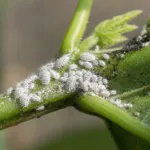 PestCotton mealybugPhenacoccus solenopsis Tinsley
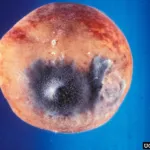 DiseaseRhizopus soft rotRhizopus stolonifer
 DiseaseBacterial soft rotPectobacterium carotovorum
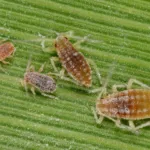 PestMealy Plum AphidHyalopterus pruni (Geoffroy, 1762)
 PestMelon aphid (cotton aphid)Aphis gossypii Glover
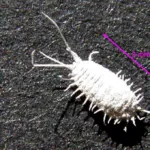 PestObscure mealybugPseudococcus viburni
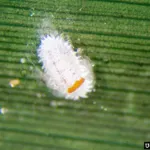 PestCitrus mealybugPlanococcus citri
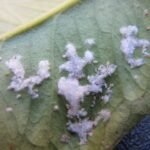 PestWoolly whiteflyAleurothrixus floccosus
Toxicity and pollen
No reliable species-specific toxic principle was identified in the authoritative sources checked. The main practical hazards are the sharp spines and possible irritation from contact or ingestion of plant material. Keep away from children and pets, handle with protection, and seek medical or veterinary advice after a significant puncture or ingestion.
- Typical season
- Flowering season; airborne exposure is generally limited
- Pollination / pollen
- Insect-dispersed floral pollen
As an insect-pollinated cactus, its pollen is not typically released in large airborne clouds like wind-pollinated tree or grass pollen. Individual sensitivity cannot be ruled out, and handling flowering plants may still expose a person to pollen or floral material. Keep normal ventilation and avoid rubbing eyes after contact.
Native habitat
Native to Rio Grande do Sul in southern Brazil, where it occurs in a humid subtropical region associated with rocky or basaltic sites. Natural plants experience seasonal warmth and moisture but grow in sharply draining mineral conditions. Restricted habitat and fragmented populations contribute to conservation concern.
Interesting fact
The species has also been treated under the names Notocactus magnificus and Eriocactus magnificus. In nature it is associated with rocky habitats in Rio Grande do Sul, southern Brazil. Kew lists the species as endangered, reflecting its restricted distribution and conservation concern.
Frequently asked questions (FAQ)
The most relevant questions about this plant, with short and direct answers.
🌱Quick care
What is Parodia magnifica commonly called?⌄
Parodia magnifica is commonly called balloon cactus in English. It is a bluish-green, ribbed cactus in the Cactaceae family.
How do you care for a balloon cactus?⌄
Give balloon cactus full sun to bright filtered light, porous soil, and low water after the mix dries completely. Protect it from freezing temperatures and reduce watering during winter.
Is Parodia magnifica easy to grow indoors?⌄
Yes, Parodia magnifica is generally manageable indoors when placed near a bright window and planted in sharply draining cactus mix. The main indoor risks are inadequate light, overwatering, and cold drafts.
🌤️Environment and placement
How much light does Parodia magnifica need?⌄
Parodia magnifica grows best in full sun to bright filtered light. Acclimate it gradually to strong direct sun to reduce the risk of sunburn.
Can balloon cactus grow in full sun?⌄
Yes, balloon cactus can grow in full sun if it is acclimated gradually. In very hot climates, light afternoon shade can help prevent scorching.
Can Parodia magnifica grow outside in the United States?⌄
Parodia magnifica can grow outdoors year-round only where freezing temperatures are unlikely and drainage is excellent. In colder USDA-style climates, grow it in a container and bring it indoors before frost.
What temperature is too cold for balloon cactus?⌄
Freezing temperatures are too cold for balloon cactus and can cause serious tissue damage. Move it indoors before frost or any forecast near 32°F.
Where should I place Parodia magnifica indoors?⌄
Place Parodia magnifica in the brightest available window, such as a south- or west-facing window, while avoiding cold glass during freezing weather. A suitable grow light can supplement weak winter light.
💧Care and problems
How often should you water Parodia magnifica?⌄
Water Parodia magnifica thoroughly, then wait until the potting mix is completely dry before watering again. The interval may range from several weeks in active growth to much longer in winter, depending on light, temperature, and pot size.
Should balloon cactus be watered in winter?⌄
Balloon cactus should receive little or no water during a cool, low-light winter rest. Water only if it is kept warm and shows prolonged severe shriveling, and always let the mix dry afterward.
Why is my Parodia magnifica turning soft or brown?⌄
Soft, brown, or collapsing tissue usually indicates overwatering, poor drainage, or root rot rather than normal aging. Stop watering, inspect the roots, and correct the soil and watering conditions immediately.
Why is my balloon cactus wrinkled?⌄
A wrinkled balloon cactus may be thirsty, naturally dormant, or suffering from damaged roots that cannot absorb water. Check that the mix is dry, the roots are healthy, and the plant is not being kept cold and wet.
Why is Parodia magnifica stretching or becoming tall?⌄
Stretching usually means Parodia magnifica is not receiving enough light. Move it gradually to a brighter location, but understand that existing elongated growth will not return to its original shape.
Does Parodia magnifica need fertilizer?⌄
Parodia magnifica can benefit from a diluted, low-nitrogen cactus fertilizer during active spring and summer growth. Do not fertilize dry, dormant, newly repotted, or stressed plants.
What soil is best for balloon cactus?⌄
Use a porous, sharply drained cactus mix with substantial mineral material such as pumice, perlite, coarse sand, or grit. Avoid dense garden soil and mixes that remain wet for extended periods.
What type of pot is best for Parodia magnifica?⌄
Choose a pot with a drainage hole that is only slightly larger than the root ball. Unglazed terracotta can help the mix dry faster, while plastic or glazed pots require closer attention to watering.
How do I prevent root rot in balloon cactus?⌄
Prevent root rot by using fast-draining soil, a pot with a drainage hole, and a watering cycle based on complete soil dryness. Keep the cactus drier in cool or dim winter conditions.
🪴Planting and repotting
When should I repot Parodia magnifica?⌄
Repot Parodia magnifica in spring or early summer when it is actively growing, or sooner if the soil has degraded or the roots are crowded. Use fresh dry cactus mix and avoid an oversized container.
How do you repot a balloon cactus safely?⌄
Wear thick gloves, wrap the plant with folded paper or several layers of cardboard, and lift it without squeezing the stem. Replant it in dry, sharply draining mix and wait several days before the first light watering.
Does Parodia magnifica need a deep pot?⌄
No, Parodia magnifica usually does not need a deep pot because its root system should not sit in a large reservoir of damp soil. Select a stable container that accommodates the roots with only modest extra space.
✂️Propagation and pruning
How do you propagate Parodia magnifica?⌄
Parodia magnifica is most reliably propagated from seed, while offsets can be used when a mature plant produces them. Seeds need warmth, light, moisture, and excellent drainage, whereas offsets must be allowed to callus before planting.
Can balloon cactus be grown from cuttings?⌄
Balloon cactus is not usually propagated from ordinary leaf cuttings because it has no leaves. A detached offset or properly prepared stem cutting may root, but seed propagation is generally the more dependable method.
Does Parodia magnifica produce offsets?⌄
Parodia magnifica can form offsets or clusters, particularly as it matures. Separate an offset only when it has enough tissue to root independently, and allow any cut surface to dry before planting.
Should I prune balloon cactus?⌄
Balloon cactus generally does not need pruning because its rounded, ribbed stem is its main growth structure. Remove only dead material or carefully separate offsets, using tools and gloves that prevent spine injuries.
⚠️Toxicity and safety
Is Parodia magnifica poisonous to cats or dogs?⌄
Species-specific toxicity information for Parodia magnifica is limited, so it should not be considered confirmed pet-safe. Keep it away from cats, dogs, and children because the spines can cause painful punctures and may break off in skin.
Are balloon cactus spines dangerous?⌄
Yes, balloon cactus spines are the main safety hazard and can puncture skin or injure eyes. Handle the plant with thick gloves, use tools or a folded-paper wrap, and keep it away from high-traffic areas.
What should I do if a Parodia magnifica spine punctures my skin?⌄
Remove a visible spine carefully with clean tweezers, wash the area with soap and water, and monitor it for persistent pain, swelling, redness, or signs of infection. Seek medical care if a spine is deeply embedded or an eye is affected.
🌸Flowering and special interest
Does Parodia magnifica flower?⌄
Yes, mature Parodia magnifica can produce yellow flowers from the crown. Flowering is more likely when the plant receives strong light, active-season growth, and a cooler, drier winter rest.
When does balloon cactus bloom?⌄
Balloon cactus commonly blooms in the warmer growing season, often in late spring or summer under cultivation. Timing varies with age, light, temperature, winter dormancy, and growing conditions.
Why is my Parodia magnifica not blooming?⌄
A lack of strong light, insufficient maturity, excessive winter warmth or moisture, and overfertilization can all reduce flowering. Provide brighter light, keep winter conditions cooler and drier, and give the plant time to mature.
What color are Parodia magnifica flowers?⌄
Parodia magnifica produces yellow flowers that emerge near the top of the stem. Healthy plants may produce several flowers during a favorable growing season.
Similar plants
 Yellow lantern chili (Capsicum chinense) care guideCapsicum chinense
 Capsicum baccatum care guideCapsicum baccatum
 Serrano (Capsicum annuum ‘Serrano’)Capsicum annuum 'Serrano'
 Purple Beauty (Capsicum annuum ‘Purple Beauty’)Capsicum annuum 'Purple Beauty'
 Numex Twilight (Capsicum annuum ‘Numex Twilight’)Capsicum annuum 'Numex Twilight'
 Explosive Ember Chili Pepper (Capsicum annuum ‘Explosive Ember’)Capsicum annuum 'Explosive Ember'