
 Source:
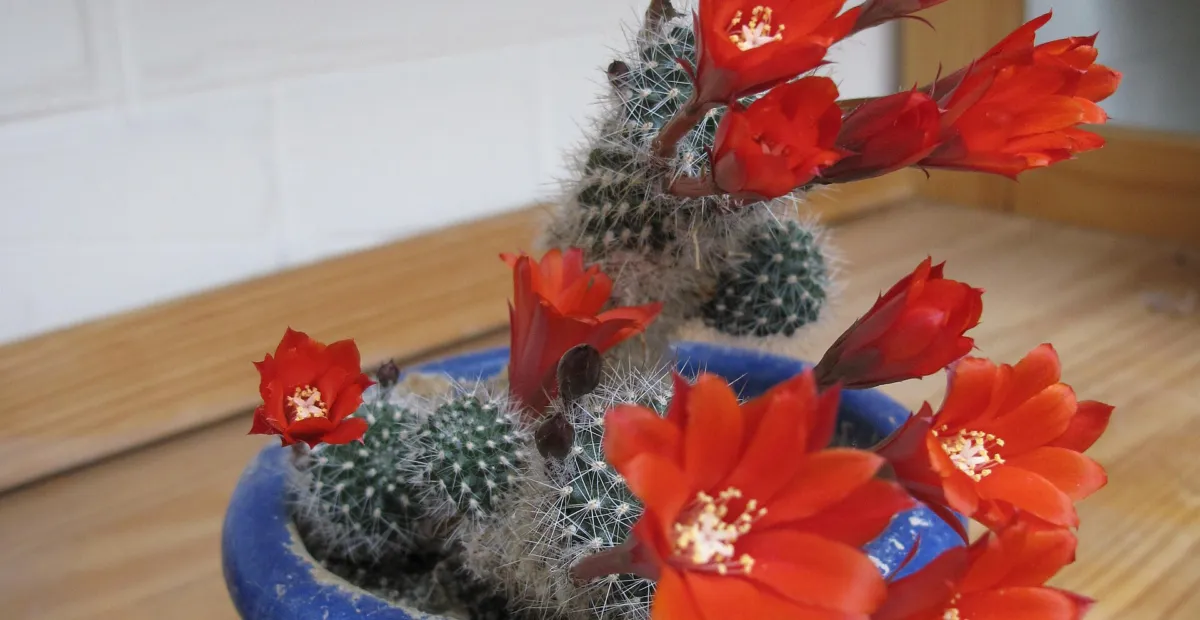
 Red Crown Cactus (Rebutia minuscula) short overview
Rebutia minuscula, known in the United States as Red Crown Cactus, is a compact South American cactus that forms small clusters of rounded green stems. Its fine spines are modest, while the vivid red to scarlet flowers provide the main display, typically in spring after a cool, dry winter rest. Grow it in bright light, gritty soil, and a pot with excellent drainage, watering more freely only during active growth.
Taxonomic classification
Red Crown Cactus (Rebutia minuscula) care guide
Light and placement
Provide several hours of direct sun or very bright filtered light. An east-, south-, or west-facing window can work indoors; acclimate gradually before strong summer sun. Too little light causes elongated, pale growth and weak flowering. Scorched tan patches or bleached tissue indicate excessive exposure, especially after a sudden move outdoors.
Watering and humidity
Water thoroughly only after the mix has dried well, then let excess drain completely. During active spring and summer growth, the interval may be roughly 1–3 weeks depending on heat, pot size, and substrate. Reduce sharply in fall and keep nearly dry in winter, giving only enough moisture to prevent severe shriveling.
Soil and growing medium
Use a very porous cactus mix amended with extra pumice, perlite, or coarse grit. The substrate should drain rapidly and dry substantially between waterings. A slightly acidic to neutral reaction is suitable; avoid heavy, fine-textured soil that stays wet around the roots.
Feeding
Feed only during active growth, generally from spring through late summer. Use a balanced or low-nitrogen cactus fertilizer diluted to about one-quarter to one-half label strength every few waterings, or use a light spring feeding. Do not fertilize dry, dormant, recently repotted, or diseased plants.
Growth and habit
A slow-growing, compact cactus that can offset from the base and gradually form a low cluster. Keep the plant evenly supported in a small pot, rotate it periodically for balanced light, and avoid forcing rapid growth with excess water or nitrogen, which can weaken the stems and reduce flowering.
Planting and repotting
Plant at the same depth as the original root ball, keeping the stem base above the surrounding mix. Establish in bright light but protect a recently transplanted specimen from intense midday sun for several days. Leave room for offsets to develop and keep the crown dry after planting.
Repot in spring or early summer when growth is beginning, using a dry, sharply draining mix. Move only one pot size larger unless the root system is extensive. Let damaged roots callus briefly, then wait several days before the first light watering.
Propagation and pruning
Propagation
Sow fresh seed in a sterile, gritty medium in spring with warmth, humidity, and filtered light. Offsets can be separated during active growth once they have developed a firm base; allow wounds to callus before placing them on dry cactus mix. Rooting speed depends on warmth and light.
Pruning
No routine pruning is required. Remove dead flowers or damaged offsets with sterile tools only after tissues are dry. If rot is present, cut back to clean, firm tissue and allow the wound to callus before attempting to re-root the healthy section.
Overwintering
Keep cool and very bright in winter, ideally around 40–50°F, with the compost mostly dry. Protect from frost and prolonged temperatures near freezing, especially when wet. A cool rest helps support spring flowering; warm, damp winter conditions increase rot risk.
Uses
Primarily an ornamental collector cactus for windowsills, greenhouses, dish gardens, sheltered patios, and rock-garden containers. Its small stature and reliable flowering make it useful where space is limited. It has no established culinary or medicinal use in the sources reviewed.
Appearance
The plant has small, rounded to slightly cylindrical green stems arranged in a basal cluster. Areoles are set along the ribs or tubercle-like divisions and carry fine, short spines. Flowers arise from lower lateral areoles, a useful identifying feature, and may nearly surround the body during a strong bloom.
Flowering
Flowers are produced from areoles low on the sides of the stems rather than only at the crown. Mature plants can flower abundantly when given bright light, active-season growth, and a cool, dry winter period. Flowering time varies with temperature, latitude, and greenhouse conditions.
Pollination and visitors
Reliable species-specific pollinator records were not located. Like many showy cacti, the open, colorful flowers may be visited by insects, but a specific visitor group should not be asserted without direct documentation.
Rebutia minuscula photos
Click any photo for a larger view. Source, author and license are shown separately.
Diseases and pests
Diseases
The main risks are root or stem rot from persistently wet compost and fungal spotting after poor ventilation. Use a porous mix, water only when the mix is dry, and isolate affected plants. Remove badly rotted tissue with a sterile blade and allow healthy cuts to dry before re-rooting.
Pests
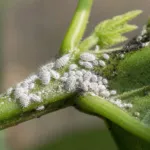
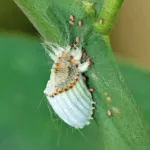
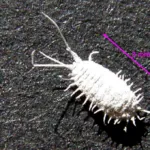
Watch for mealybugs, scale, and spider mites, especially in dry indoor collections. Inspect areoles and the root zone regularly. Remove visible pests with a cotton swab and suitable treatment, repeat as directed, and improve airflow. Avoid routine heavy pesticide use on stressed or heat-dormant plants.
Related diseases and pests
Only Plant Doctor profiles whose host data indicate this plant may be affected are shown here.
Toxicity and pollen
No specific toxic effects are well documented for Rebutia minuscula in the sources reviewed. The principal practical hazard is mechanical injury from spines and glochidia-like surface structures, not known poisoning. Prevent chewing and handle with gloves because plant-specific safety data are limited.
- Typical season
- Spring during flowering
- Pollination / pollen
- Heavy, insect-associated pollen; limited airborne dispersal expected
This cactus is insect-pollinated and does not produce the large, freely wind-dispersed pollen clouds typical of many wind-pollinated plants. However, species-specific airborne-allergy studies were not found, so low concern is a cautious horticultural classification rather than a clinical guarantee.
Native habitat
Native to northwestern Argentina, where it is associated with subtropical, seasonally dry mountain environments. The habitat context supports strong light, rapid drainage, pronounced dry periods, and cooler winter conditions rather than continuously warm, wet cultivation.
Interesting fact
Rebutia minuscula was first published in 1895. Kew lists northwestern Argentina as its native range. The species has accumulated several historical names, reflecting changing concepts of Rebutia and related cactus groups. Its flowers are notably large and conspicuous relative to the small body.
Frequently asked questions (FAQ)
The most relevant questions about this plant, with short and direct answers.
🌱Quick care
What is Rebutia minuscula?⌄
Rebutia minuscula, commonly called Red Crown Cactus, is a small, rounded cactus in the Cactaceae family that often forms clumps and produces prominent flowers around the lower sides of its stems.
Is Red Crown Cactus easy to grow?⌄
Yes, Red Crown Cactus is generally easy to grow when given strong light, very gritty soil, and careful watering. Its main cultivation risk is root or stem rot from staying wet.
How often should I water Rebutia minuscula?⌄
Water Rebutia minuscula thoroughly only after its soil has dried completely, then let excess water drain away. Water much less often in winter, especially when the plant is kept cool.
How much sunlight does Red Crown Cactus need?⌄
Red Crown Cactus grows best in full sun or bright filtered light, with several hours of strong light each day. Acclimate it gradually to intense direct sun to reduce the risk of sunburn.
What soil is best for Rebutia minuscula?⌄
Use a very gritty, sharply drained cactus mix with a high proportion of pumice, perlite, lava rock, or coarse sand. Avoid dense, water-retentive potting soil.
🌤️Environment and placement
Can Rebutia minuscula grow indoors?⌄
Yes, Rebutia minuscula can grow indoors beside a very bright south- or west-facing window or under a grow light. Rotate the pot periodically so the plant receives even light.
What temperature does Red Crown Cactus prefer?⌄
Red Crown Cactus prefers warm growing temperatures and a cooler, dry winter rest. Protect it from frost and avoid exposing a wet plant to cold conditions.
Can Rebutia minuscula tolerate frost?⌄
Rebutia minuscula should be protected from frost in ordinary home cultivation. Brief cold may be tolerated only when the plant is completely dry, but freezing conditions can cause serious damage.
Is Rebutia minuscula drought tolerant?⌄
Yes, Rebutia minuscula is drought tolerant because it stores water in its stem. However, it grows best with thorough but infrequent watering during active growth rather than constant severe dehydration.
💧Care and problems
Why is my Rebutia minuscula turning soft or black?⌄
A soft or black stem usually indicates rot caused by excess moisture, poor drainage, or cold and wet conditions. Isolate the plant, inspect the roots, remove rotted tissue if feasible, and restart it in dry gritty mix.
Why is my Red Crown Cactus stretching?⌄
Stretching usually means Red Crown Cactus is not receiving enough light. Move it gradually to a brighter location, because an abrupt change from shade to intense sun can scorch the stem.
Does Rebutia minuscula need fertilizer?⌄
Rebutia minuscula needs little fertilizer and can usually be fed with a diluted, low-nitrogen cactus fertilizer during active growth. Do not fertilize during its cool winter rest or when the soil is dry for prolonged periods.
What pests attack Red Crown Cactus?⌄
Mealybugs and spider mites can attack Red Crown Cactus, especially on stressed or poorly ventilated plants. Inspect the areoles, crevices, and roots regularly and treat infestations promptly with a cactus-safe method.
🪴Planting and repotting
What type of pot is best for Rebutia minuscula?⌄
Use a pot with drainage holes and choose a container only slightly larger than the root system or plant cluster. A shallow, broad pot can suit its clustering habit, provided the mix dries quickly.
When should I repot Red Crown Cactus?⌄
Repot Red Crown Cactus in spring or near the beginning of active growth, preferably when the soil is dry. Repot when the mix has broken down, roots fill the container, or the plant has outgrown its pot.
Should I water Rebutia minuscula immediately after repotting?⌄
No, allow freshly repotted Rebutia minuscula to remain dry for several days so damaged roots can heal. Resume cautious watering only after the plant has settled and the new mix is fully dry.
✂️Propagation and pruning
How do you propagate Rebutia minuscula from offsets?⌄
Separate a healthy offset from the parent plant with a clean blade, let the cut surface callus for several days, and place it on dry, gritty cactus mix. Begin light watering only after roots have had time to develop.
Can Red Crown Cactus be grown from seed?⌄
Yes, Red Crown Cactus can be propagated from seed sown on sterile, sharply drained mix. Keep seedlings warm, lightly moist, and protected from harsh direct sun until they are established.
Does Rebutia minuscula produce pups?⌄
Yes, Rebutia minuscula commonly produces offsets from the base and can form a compact clump over time. These pups can remain attached for a fuller display or be separated for propagation.
Does Red Crown Cactus need pruning?⌄
Red Crown Cactus usually needs no routine pruning. Remove only dead flowers, damaged tissue, or unwanted offsets with clean tools, taking care to avoid its spines.
⚠️Toxicity and safety
Is Rebutia minuscula toxic to cats or dogs?⌄
No specific toxicity is widely reported for Rebutia minuscula, but its spines can injure people and pets. Keep the plant away from areas where children or animals may touch or knock it over.
How should I handle Red Crown Cactus safely?⌄
Handle Red Crown Cactus with thick gloves, folded newspaper, or cactus tongs rather than bare hands. Use care during repotting because small spines can penetrate skin even when they appear delicate.
🌸Flowering and special interest
When does Rebutia minuscula bloom?⌄
Rebutia minuscula commonly blooms in spring or early summer, although timing varies with light, temperature, and growing conditions. A cool, dry winter rest often helps initiate flowering.
What color are Rebutia minuscula flowers?⌄
Rebutia minuscula flowers are commonly red, but cultivated plants may also produce orange, pink, violet, or related shades. Flower color can vary among forms sold under this name.
Where do Red Crown Cactus flowers appear?⌄
Red Crown Cactus flowers usually emerge in a ring from the lower sides or base of the stem, creating a crown-like display. They do not develop only from the top center of the plant.
Why is my Rebutia minuscula not flowering?⌄
A lack of flowers is often caused by insufficient light, excessive winter warmth, or watering and fertilizing during dormancy. Provide brighter light, keep the winter period cool and mostly dry, and resume growth care in spring.
Does Rebutia minuscula need a winter rest to bloom?⌄
A cool, mostly dry winter rest is strongly helpful for reliable flowering in Rebutia minuscula. Keep it protected from frost, avoid fertilizer, and water only sparingly while growth is paused.
Similar plants
 Azure Monkshood (Aconitum carmichaelii) care guideAconitum carmichaelii
 Monkshood (Aconitum ‘Stainless Steel’)Aconitum 'Stainless Steel'
 Monkshood (Aconitum ‘Bressingham Spire’)Aconitum 'Bressingham Spire'
 Golden full moon maple (Acer shirasawanum ‘Aureum’)Acer shirasawanum 'Aureum'
 Globosum (Acer platanoides ‘Globosum’)Acer platanoides 'Globosum'
 Striped maple (Acer pensylvanicum) care guideAcer pensylvanicum