
 Source:
 Crab Cactus (Schlumbergera truncata) short overview
Schlumbergera truncata, commonly called Crab Cactus in the United States, is a Brazilian epiphytic cactus prized for its flattened, sharply toothed stem segments and vivid late-fall flowers. It is best grown as an indoor container plant in bright filtered light with an airy, fast-draining mix that still holds some moisture. Keep it evenly hydrated during active growth, reduce watering after flowering, and protect it from frost, sudden temperature changes, and harsh midday sun.
Taxonomic classification
Crab Cactus (Schlumbergera truncata) care guide
Light and placement
Provide bright filtered or indirect light, such as an east-facing window or a shaded south or west window. Gentle morning sun is usually useful, but harsh midday sun can bleach, redden, or scorch the cladodes. Too little light causes weak, elongated growth and poor flowering. Keep the plant stable once buds form.
Watering and humidity
Water thoroughly when the upper portion of the mix has begun to dry, then let excess drain completely. Do not keep the pot standing in water. Water somewhat less after flowering and during cool, dim winter conditions, but do not allow the plant to remain bone-dry for long periods. Moderate humidity helps, especially in heated homes.
Soil and growing medium
Use a porous, humus-rich mix that drains quickly but does not become hydrophobic. A cactus or succulent mix amended with orchid bark, perlite, or coarse pumice works well. Slightly acidic to neutral conditions are suitable; avoid dense garden soil and containers that remain waterlogged.
Feeding
Feed during active spring and summer growth with a balanced liquid houseplant fertilizer diluted to half strength about monthly. Water first if the medium is dry. Stop or sharply reduce feeding while the plant is in bud and flower, and do not fertilize a wilted, recently repotted, or cold-stressed plant.
Growth and habit
The plant forms chains of flattened, jointed cladodes that arch or trail from the container. New segments develop from the tips during active growth. Avoid frequent repositioning once buds appear, because abrupt changes in light, temperature, or watering can trigger bud drop. Light shaping after flowering encourages a fuller display.
Planting and repotting
Plant or pot up in spring, after the main flowering period. Set the root ball at its original depth rather than burying the lower stem segments. Leave room for the arching stems and provide drainage beneath the container. Establish gradually with bright indirect light and moderate watering.
Repot in spring after flowering, only when the root ball is crowded or the mix has broken down. Move up one pot size at most and use a container with drainage. Handle the segmented stems gently, then wait several days before watering if roots were disturbed.
Propagation and pruning
Propagation
Propagate readily from stem cuttings in spring or early summer. Allow one- to several-segment cuttings to callus briefly, then insert the basal end into a barely moist, airy rooting medium. Keep warm with bright filtered light and water sparingly until roots form. Seed propagation is possible but slower and is mainly useful for breeding.
Pruning
Prune or pinch after flowering, preferably in spring, by twisting or cutting at segment joints. Remove weak, damaged, or awkwardly long sections and save healthy pieces for propagation. Avoid heavy pruning immediately before the expected flowering season.
Overwintering
Keep indoors before temperatures approach frost. A cool, bright location is suitable, but protect the plant from temperatures near freezing, heating vents, and cold drafts. During winter, maintain good light and reduce watering if growth slows. Avoid moving or rotating the plant repeatedly while flower buds are developing.
Uses
Primarily used as a flowering indoor plant, windowsill specimen, hanging-basket plant, or seasonal gift plant. In frost-free climates it can be grown outdoors in sheltered containers or suitable rock gardens. It has no established culinary or medicinal use in this profile.
Appearance
The glossy green photosynthetic stems are made of flattened, joined cladodes rather than ordinary leaves. Each segment is smooth, truncate, and edged with conspicuous forward-pointing teeth; small areoles and bristles occur near the tips. Stems may arch or trail, and flowers arise from terminal segment ends.
Flowering
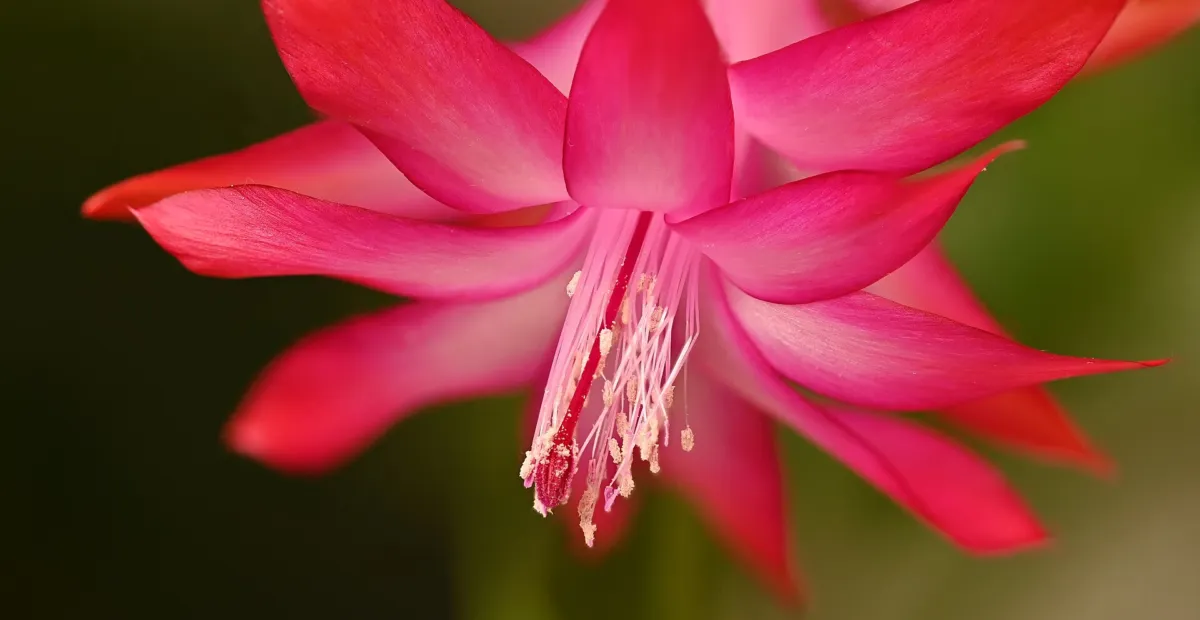
Flowers are solitary, tubular, asymmetrical, and zygomorphic, emerging from the terminal ends of stem segments. In the Northern Hemisphere, plants commonly flower from late October through December, often around Thanksgiving, and may rebloom later under favorable indoor conditions. Short days and long uninterrupted nights help initiate buds; sudden changes in temperature, light, or moisture can cause bud drop.
Pollination and visitors
The showy tubular flowers are documented as hummingbird-pollinated or hummingbird-visited in horticultural references. This fits the flower structure and the plant’s native southeastern Brazilian habitat, although visitor frequency can vary with location and access to outdoor pollinators.
Schlumbergera truncata photos
Click any photo for a larger view. Source, author and license are shown separately.
Diseases and pests
Diseases
Root or stem rot is the main concern and is encouraged by saturated soil, poor drainage, or cool wet conditions. Use a porous mix, empty saucers, and allow the upper layer to begin drying before watering again. Remove affected tissue with sterile tools and repot only if healthy roots remain.
Pests
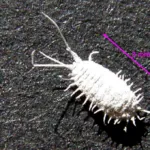
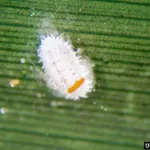
Watch for mealybugs, scale, aphids, and spider mites, especially on stressed or crowded plants. Inspect segment joints and stem tips regularly. Isolate affected plants, remove small infestations with a cotton swab or water spray, and use a labeled houseplant treatment when necessary. Avoid overusing insecticides during flowering.
Related diseases and pests
Only Plant Doctor profiles whose host data indicate this plant may be affected are shown here.

Toxicity and pollen
Available veterinary and extension references describe holiday cactus, including Schlumbergera truncata, as non-toxic to pets. Eating plant material may still cause mild gastrointestinal upset or mechanical irritation in some individuals, and any houseplant should be kept away from children and animals that chew plants.
- Typical season
- Not well documented as a separate airborne-allergen season in the United States
- Pollination / pollen
- Heavy, sticky pollen associated with animal-pollinated flowers
This is an insect- or bird-visited flowering cactus rather than a wind-pollinated plant, so large airborne pollen loads are not expected. However, species-specific clinical allergy data are limited; sensitive people should avoid handling flowers if irritation occurs and keep indoor air clean during heavy bloom.
Native habitat
Native to the humid coastal mountains of southeastern Brazil, where it occurs on trees or rocky surfaces rather than in dry desert soils. Its epiphytic habit exposes roots to rapid drainage, organic debris, frequent humidity, and alternating wet and drying periods.
Interesting fact
The plant has no true leaves; its flattened green stem segments are cladodes that carry out photosynthesis. The forward-pointing teeth on each segment help distinguish S. truncata from many true Christmas cactus hybrids. In nature it grows in humid southeastern Brazilian coastal mountains as an epiphyte or on rocks. The epithet truncata refers to the squared-off stem tips.
Frequently asked questions (FAQ)
The most relevant questions about this plant, with short and direct answers.
🌱Quick care
How do you care for a Crab Cactus, Schlumbergera truncata?⌄
Give Crab Cactus bright filtered light, moderate water, and an airy, humus-rich, well-drained mix. Let the mix become partly dry before watering, and protect the plant from frost.
Is Schlumbergera truncata a cactus?⌄
Yes, Schlumbergera truncata is a tropical, epiphytic cactus in the Cactaceae family. Unlike desert cacti, it prefers filtered light, humidity, and more regular watering.
How often should I water a Crab Cactus?⌄
Water when the potting mix is partly dry, often about every 1–2 weeks indoors depending on light, temperature, and pot size. Water thoroughly, then empty any saucer so the roots do not remain saturated.
🌤️Environment and placement
How much light does Schlumbergera truncata need?⌄
Place it in bright filtered or indirect light. Protect it from intense summer afternoon sun, which can bleach or scorch the stem segments.
Can a Crab Cactus grow outdoors?⌄
Yes, it can grow outdoors in a shaded or bright-filtered location where temperatures remain frost-free. Bring it indoors before cold weather or any risk of frost.
What temperature is best for Schlumbergera truncata?⌄
Normal indoor temperatures are suitable during active growth, while cooler fall nights around 55–65°F can help initiate flowering. Avoid sudden temperature changes, drafts, heaters, and freezing conditions.
Does a Crab Cactus need humidity?⌄
Yes, moderate to high humidity supports healthy growth because this cactus comes from humid Brazilian forests. Good air circulation is still important to reduce the risk of gray mold.
Can Schlumbergera truncata grow in a bathroom?⌄
Yes, a bright bathroom can be a good location because its humidity suits this tropical cactus. It still needs filtered light and a pot with reliable drainage.
💧Care and problems
Why are my Crab Cactus stem segments turning yellow?⌄
Yellowing segments commonly indicate excessive light, overwatering, or stressed roots. Move the plant into filtered light and check that the potting mix drains freely between waterings.
Why is my Schlumbergera truncata getting limp or mushy stems?⌄
Limp or mushy stems usually indicate overwatering or root rot rather than normal drought tolerance. Remove the plant from waterlogged soil, trim damaged roots or stems, and repot healthy tissue in fresh, airy mix.
Why is my Crab Cactus dropping stem segments?⌄
Stem segments may drop after overwatering, drought, root damage, sudden temperature changes, or insufficient light. Stabilize the plant’s conditions and inspect the roots if the stems are soft or discolored.
What pests attack Schlumbergera truncata?⌄
Common pests include mealybugs, scale, aphids, and spider mites. Inspect stem joints and undersides regularly, isolate affected plants, and treat promptly with an appropriate houseplant pest control method.
Why are my Crab Cactus flower buds falling off?⌄
Buds can drop after sudden changes in temperature, light, location, or watering, and they may also drop when nights are not consistently dark. Keep the plant stable, avoid moving it during budding, and do not let the mix become bone-dry.
🪴Planting and repotting
What soil is best for Schlumbergera truncata?⌄
Use an airy, humus-rich, well-drained cactus or epiphyte mix. Adding materials such as perlite, bark, or other drainage components can improve aeration in heavy potting soil.
Does a Crab Cactus like to be root-bound?⌄
It usually flowers well when slightly pot-bound, so it does not need frequent repotting. Repot only when the mix has broken down, roots are crowded, or drainage has declined.
When should I repot Schlumbergera truncata?⌄
Repot after flowering or when active growth resumes, generally every few years rather than annually. Choose a container only slightly larger than the current one and use fresh, well-drained mix.
✂️Propagation and pruning
How do you propagate a Crab Cactus from cuttings?⌄
Take a healthy cutting of two or three stem segments, let the wound callus for a few days, and place it in lightly moist, well-drained mix. Keep it warm in bright filtered light and water sparingly until roots form.
Can you propagate Schlumbergera truncata in water?⌄
Yes, stem cuttings can form roots in water, but rooting directly in a lightly moist, airy mix generally avoids the need to transition water-grown roots later. Use short, healthy segments and prevent rot.
When should I prune a Crab Cactus?⌄
Prune or pinch it after flowering or in spring and early summer, when it is actively growing. Remove a few segments at a joint to shape the plant or encourage branching, and use the pieces for propagation.
⚠️Toxicity and safety
Is Crab Cactus toxic to dogs and cats?⌄
Crab Cactus is considered non-toxic to dogs and cats according to available extension and veterinary references. Eating any plant material can still cause mild stomach upset, so contact a veterinarian if symptoms are severe or persistent.
Is Schlumbergera truncata safe for people?⌄
Schlumbergera truncata is generally considered non-toxic to humans. Even non-toxic plants should not be intentionally eaten, and children should be supervised around houseplants.
🌸Flowering and special interest
When does Schlumbergera truncata bloom?⌄
Schlumbergera truncata typically blooms in late fall, often around Thanksgiving in the United States. The exact timing varies with cultivar, temperature, night length, and growing conditions.
How do I get a Crab Cactus to bloom?⌄
Provide bright filtered light, cooler fall nights around 55–65°F, and at least 13 uninterrupted hours of darkness each night for several weeks. Keep conditions steady and reduce, but do not completely stop, watering.
Why is my Schlumbergera truncata not flowering?⌄
The most common causes are insufficient darkness, warm nights, inadequate light, or plant stress. From early fall, provide long uninterrupted nights, cooler temperatures, bright daytime light, and consistent moderate care.
Can artificial light prevent a Crab Cactus from blooming?⌄
Yes, artificial light during the required long-night period can interrupt flower initiation. Keep the plant away from lamps and bright windows at night for several weeks in fall.
How can I keep Crab Cactus flowers from falling off?⌄
Keep the plant in a stable location with consistent moisture, bright filtered light, and cool-to-moderate temperatures while it is budding and flowering. Avoid drafts, heaters, sudden relocation, and letting the mix become completely dry.
What is the difference between a Crab Cactus and a Christmas Cactus?⌄
Crab Cactus, Schlumbergera truncata, has pointed, claw-like projections along its stem segments and generally blooms earlier. True Christmas Cactus has more rounded segment margins and usually flowers later, although retail labels are often inaccurate.
Can Schlumbergera truncata bloom more than once a year?⌄
Yes, a healthy plant may produce a second, lighter flush of flowers after its main bloom period. A second bloom is not guaranteed and depends on light, temperature, plant health, and cultivar.
Similar plants
 Azure Monkshood (Aconitum carmichaelii) care guideAconitum carmichaelii
 Monkshood (Aconitum ‘Stainless Steel’)Aconitum 'Stainless Steel'
 Monkshood (Aconitum ‘Bressingham Spire’)Aconitum 'Bressingham Spire'
 Golden full moon maple (Acer shirasawanum ‘Aureum’)Acer shirasawanum 'Aureum'
 Globosum (Acer platanoides ‘Globosum’)Acer platanoides 'Globosum'
 Striped maple (Acer pensylvanicum) care guideAcer pensylvanicum