
 Source:
 Uebelmannia pectinifera short overview
Uebelmannia pectinifera is a distinctive Brazilian cactus prized for its deeply ribbed, often metallic-looking stem and closely arranged comb-like spines. In cultivation it is a specialist plant rather than an effortless windowsill cactus: provide strong light, excellent drainage, restrained watering, and winter warmth. It is usually grown in a container or greenhouse, where careful moisture management helps prevent root loss and scarring.
Taxonomic classification
Uebelmannia pectinifera care guide
Light and placement
Give strong light, ideally several hours of direct sun through gradual acclimation, or bright filtered greenhouse light. A south- or southeast-facing window can work indoors if heat buildup is controlled. Too little light causes weak, greener growth and may prevent flowering; sudden intense sun can scorch the epidermis, so transition slowly.
Watering and humidity
Water thoroughly only after the substrate has dried substantially, then let excess drain completely. During warm active growth, the interval may shorten, but the roots should never remain wet. Reduce watering sharply in cool or dim winter conditions, and keep the plant nearly dry if temperatures are low. Good airflow is more important than high humidity.
Soil and growing medium
Use a very porous cactus substrate dominated by pumice, coarse grit, lava, or other mineral particles, with only a modest organic component. The medium must drain rapidly and dry substantially between waterings. Available cultivation guidance commonly favors slightly acidic to neutral conditions; avoid stagnant, alkaline, salt-heavy media.
Feeding
Feed only during active growth, using a balanced cactus fertilizer diluted to about one-quarter to one-half of the label strength. Apply to already-moist soil rather than dry roots. Stop feeding in late summer or before the cool, dry winter rest. Avoid rich compost and frequent high-nitrogen fertilization, which can produce weak growth.
Growth and habit
This is a slow-growing, strongly ribbed cactus that may remain solitary. Its demanding roots and sensitivity to excess moisture make conservative watering and stable conditions more important than rapid feeding. Grafted specimens may establish and gain size more readily than seedlings.
Planting and repotting
Plant container specimens at the same depth as before, never burying the stem. Set the root ball on a stable, fast-draining medium and leave space around the neck for airflow. Establish gradually with light watering once roots have recovered; outdoor planting is suitable only in warm, frost-free conditions.
Repot in spring or early summer only when the plant is actively growing, using a clean pot with excellent drainage. Handle the spiny body with folded paper or thick gloves. After repotting, keep the mix dry for several days before resuming cautious watering.
Propagation and pruning
Propagation
Seed propagation is the standard botanical method but can be slow and demanding. Sow fresh seed in a sterile, highly mineral medium with warmth, bright filtered light, and careful moisture control. Grafting is widely used in specialist cultivation to improve growth and survival; use clean tools and compatible cactus stock.
Pruning
No routine pruning is needed. Remove only dead, rotting, or severely damaged tissue with a sterile blade, allowing the wound to dry fully before watering. Avoid cutting healthy ribs or the growing point.
Overwintering
Keep frost-free and preferably above 50°F during winter, with strong light and a mostly dry substrate. Avoid placing the plant against a cold window or in a damp basement. Resume watering gradually in spring when warmth and active growth return.
Uses
Primarily a collector’s ornamental cactus for pots, conservatories, greenhouse displays, and specialist xeric collections. It has no well-supported culinary, medicinal, or practical household use. Obtain nursery-propagated plants and seeds where possible because wild collection and trade history have conservation implications.
Appearance
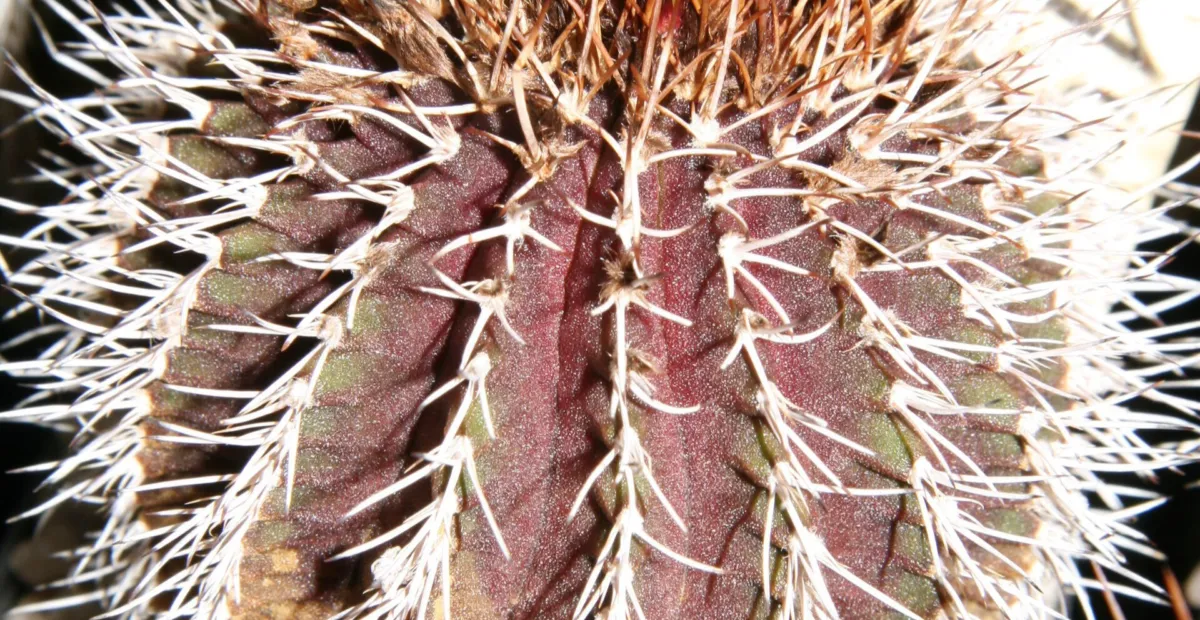
The plant has a solitary, more or less cylindrical body with numerous sharp, deep ribs. Areoles carry closely spaced spines that form a comb-like pattern. The epidermis may appear dark green, bronze, grayish, or purplish and can have a characteristic metallic sheen, making the species distinctive among cultivated cacti.
Flowering
Mature plants can produce small flowers near the stem apex, but flowering is not consistently reported in cultivation and reliable United States flowering dates are unavailable. Strong light, adequate root health, and a warm growing season are likely important for blooming.
Pollination and visitors
Species-specific pollinator records were not located in the reviewed authoritative sources. Small cactus flowers may be visited by insects, but a reliable visitor group cannot be assigned confidently for this exact taxon.
Uebelmannia pectinifera photos
Click any photo for a larger view. Source, author and license are shown separately.
Diseases and pests
Diseases
The principal risk is root or stem rot caused by persistently wet media, cool temperatures, or poor drainage. Remove damaged tissue, discard contaminated substrate, and correct the cultural cause. Keep tools clean and quarantine new plants to reduce spread of fungal or bacterial problems.
Pests
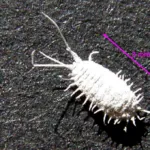
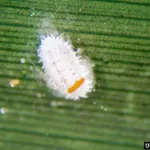
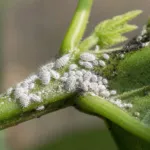
Watch for mealybugs, scale, spider mites, and root pests, especially on stressed or grafted plants. Inspect areoles, crevices, and the root zone regularly. Isolate affected plants, remove visible insects, and use a labeled treatment appropriate for cacti; avoid repeated heavy sprays in hot sun.
Related diseases and pests
Only Plant Doctor profiles whose host data indicate this plant may be affected are shown here.

Toxicity and pollen
No authoritative species-specific human or pet toxicity assessment was located. The plant should not be considered proven safe: its spines can cause puncture injuries, and contact with sap or plant material should be avoided. Keep away from children and pets and seek professional advice after ingestion or injury.
- Pollination / pollen
- Flower pollen; dispersal relevance undocumented
Species-specific airborne-pollen and allergy data were not located. Because the plant is insect-pollinated and produces flowers only intermittently in cultivation, exposure is probably limited, but this is an evidence gap rather than a declaration of zero allergy risk.
Native habitat
Native to Minas Gerais in southeastern Brazil, where it occurs in a seasonally dry tropical biome. Reported habitat includes crystalline rocks on mountain slopes and plains. The plant experiences a pronounced wet–dry rhythm but is not adapted to cold, waterlogged soil.
Interesting fact
The species is endemic to Minas Gerais, Brazil, and grows in seasonally dry tropical conditions. Its stem can have a distinctive metallic appearance. Kew describes it as occurring on crystalline rocks and plains or slopes. The species is considered the most widely available Uebelmannia in cultivation, although the genus remains difficult to grow.
Frequently asked questions (FAQ)
The most relevant questions about this plant, with short and direct answers.
🌱Quick care
How do you care for Uebelmannia pectinifera?⌄
Give Uebelmannia pectinifera very bright light, a highly porous mineral cactus mix, and low but thorough watering only after the soil dries completely. Protect it from frost and avoid leaving the roots wet.
Is Uebelmannia pectinifera easy to grow indoors?⌄
Uebelmannia pectinifera can be grown indoors, but it is more demanding than many common cacti because it needs strong light, excellent drainage, warmth, and careful winter watering. A south- or west-facing window or a strong grow light is usually needed.
How fast does Uebelmannia pectinifera grow?⌄
Uebelmannia pectinifera is slow-growing and may remain small for years. Growth is faster when it receives strong light, warmth, suitable watering, and a well-drained root environment.
🌤️Environment and placement
How much light does Uebelmannia pectinifera need?⌄
Uebelmannia pectinifera prefers full sun to very bright filtered light, with gradual acclimation when moved into stronger sun. Young plants and recently purchased specimens may need protection from intense afternoon heat until adjusted.
Can Uebelmannia pectinifera grow in full sun?⌄
Yes, established Uebelmannia pectinifera can grow in full sun, especially during the active growing season. Provide good airflow and acclimate it gradually to prevent sunburn.
What is the best window for Uebelmannia pectinifera?⌄
A south-facing window is generally the best indoor location for Uebelmannia pectinifera, while a bright west-facing window can also work. If the plant stretches or loses color, supplement natural light with a grow light.
What temperature does Uebelmannia pectinifera need?⌄
Keep Uebelmannia pectinifera warm and protect it from frost and freezing temperatures. Avoid cold, wet conditions because this species is particularly susceptible to root loss and rot.
Can Uebelmannia pectinifera be grown outdoors in the United States?⌄
Uebelmannia pectinifera can grow outdoors year-round only in warm, frost-free parts of the United States. In colder USDA-style climates, grow it in a container and move it indoors before cold weather.
Does Uebelmannia pectinifera like humidity?⌄
Uebelmannia pectinifera tolerates or benefits from some summer humidity when the soil drains quickly and air circulates well. Humid, stagnant conditions combined with wet soil greatly increase rot risk.
💧Care and problems
How often should you water Uebelmannia pectinifera?⌄
Water Uebelmannia pectinifera thoroughly but infrequently during active growth, waiting until the potting mix is completely dry first. The interval varies with light, temperature, pot size, and soil, so calendar-based watering is unreliable.
How do you water Uebelmannia pectinifera in winter?⌄
Reduce watering sharply in winter, but do not routinely keep Uebelmannia pectinifera cold and saturated. In a warm, bright indoor location, an occasional small watering may help prevent severe root desiccation; always let the mix dry again afterward.
Why is my Uebelmannia pectinifera turning purple?⌄
Purple coloration in Uebelmannia pectinifera can be a normal response to strong light and is part of the plant’s natural appearance. Sudden discoloration accompanied by softness, collapse, or dark lesions may instead indicate stress or rot.
Why is my Uebelmannia pectinifera soft at the base?⌄
A soft or discolored base usually indicates root or stem rot, most often caused by prolonged moisture, poor drainage, or cold wet conditions. Stop watering, inspect the roots, and remove damaged tissue only if healthy tissue remains.
Why is my Uebelmannia pectinifera stretching?⌄
Stretching, leaning, or pale new growth usually means Uebelmannia pectinifera is not receiving enough light. Move it gradually to a brighter location and avoid increasing watering until light levels improve.
Should you fertilize Uebelmannia pectinifera?⌄
You may feed Uebelmannia pectinifera lightly during active spring and summer growth with a diluted cactus fertilizer or low-nitrogen formula. Do not fertilize a stressed, recently repotted, dormant, or unhealthy plant.
What pests affect Uebelmannia pectinifera?⌄
Uebelmannia pectinifera can be affected by common cactus pests such as mealybugs, scale, and spider mites. Inspect the spines, crown, and roots regularly, isolate infested plants, and use a treatment labeled for the pest and plant.
🪴Planting and repotting
What soil is best for Uebelmannia pectinifera?⌄
Use a very porous, fast-draining mineral cactus mix containing materials such as pumice, perlite, coarse grit, or mineral gravel. A slightly acidic to neutral mix is suitable, and the soil should not stay wet for long after watering.
What type of pot does Uebelmannia pectinifera need?⌄
Choose a pot with a drainage hole that is only modestly larger than the root ball. Unglazed clay can help the mix dry faster, but any container is suitable if drainage is excellent and watering is controlled.
When should you repot Uebelmannia pectinifera?⌄
Repot Uebelmannia pectinifera when the root system fills the container, the mix has degraded, or drainage has declined, preferably during active growth. Handle the plant carefully because its comb-like spines are sharp and the roots can be sensitive.
How deep should Uebelmannia pectinifera be planted?⌄
Plant Uebelmannia pectinifera at the same depth as it was previously growing, keeping the stem base above the soil line. Burying the body or crown can trap moisture and encourage rot.
✂️Propagation and pruning
How do you propagate Uebelmannia pectinifera?⌄
Seed is the primary propagation method for Uebelmannia pectinifera, while grafting is also used because the species can be slow-growing and rot-prone. Cuttings or offsets should not be assumed reliable because this cactus is generally solitary and rarely branches.
Can Uebelmannia pectinifera be grown from seed?⌄
Yes, Uebelmannia pectinifera can be grown from seed in a sterile, very well-drained medium kept lightly and consistently moist while seedlings establish. Provide warmth, bright indirect light during germination, and careful ventilation to prevent damping off.
Is Uebelmannia pectinifera commonly grafted?⌄
Yes, Uebelmannia pectinifera is sometimes grafted to improve survival or growth because it can be vulnerable to root loss and rot. Grafted plants may require gradual acclimation to stronger light and normal watering.
Can you propagate Uebelmannia pectinifera from cuttings?⌄
Propagation from cuttings is not the usual method for Uebelmannia pectinifera because the species is typically solitary and does not readily produce suitable branches. Seed or specialist grafting is generally more dependable.
⚠️Toxicity and safety
Is Uebelmannia pectinifera toxic to cats and dogs?⌄
Species-specific toxicity data for Uebelmannia pectinifera are not well established, so do not treat it as confirmed pet-safe. Keep it away from pets and children because its stiff, comb-like spines can cause painful puncture injuries.
Are Uebelmannia pectinifera spines dangerous?⌄
Yes, the spines of Uebelmannia pectinifera can puncture skin and are difficult to handle safely. Use thick gloves, folded paper, or cactus tongs when moving, repotting, or inspecting the plant.
🌸Flowering and special interest
Does Uebelmannia pectinifera flower?⌄
Yes, mature Uebelmannia pectinifera can produce small yellow flowers near the crown. Flowering is more likely when the plant receives strong light, adequate warmth during growth, and a carefully managed winter rest.
When does Uebelmannia pectinifera bloom?⌄
Uebelmannia pectinifera generally flowers during the warmer active-growing period, although the timing varies with age, light, temperature, and cultivation conditions. Indoor plants may bloom irregularly or not at all.
Why is my Uebelmannia pectinifera not flowering?⌄
The most common reasons are insufficient light, immaturity, weak growth, or unsuitable winter conditions. Improve light and overall health, avoid excessive fertilizer, and provide a bright, warm, relatively dry winter period without allowing prolonged cold wetness.
Similar plants
 Azure Monkshood (Aconitum carmichaelii) care guideAconitum carmichaelii
 Monkshood (Aconitum ‘Stainless Steel’)Aconitum 'Stainless Steel'
 Monkshood (Aconitum ‘Bressingham Spire’)Aconitum 'Bressingham Spire'
 Golden full moon maple (Acer shirasawanum ‘Aureum’)Acer shirasawanum 'Aureum'
 Globosum (Acer platanoides ‘Globosum’)Acer platanoides 'Globosum'
 Striped maple (Acer pensylvanicum) care guideAcer pensylvanicum