
 Source:
 Disocactus ackermannii short overview
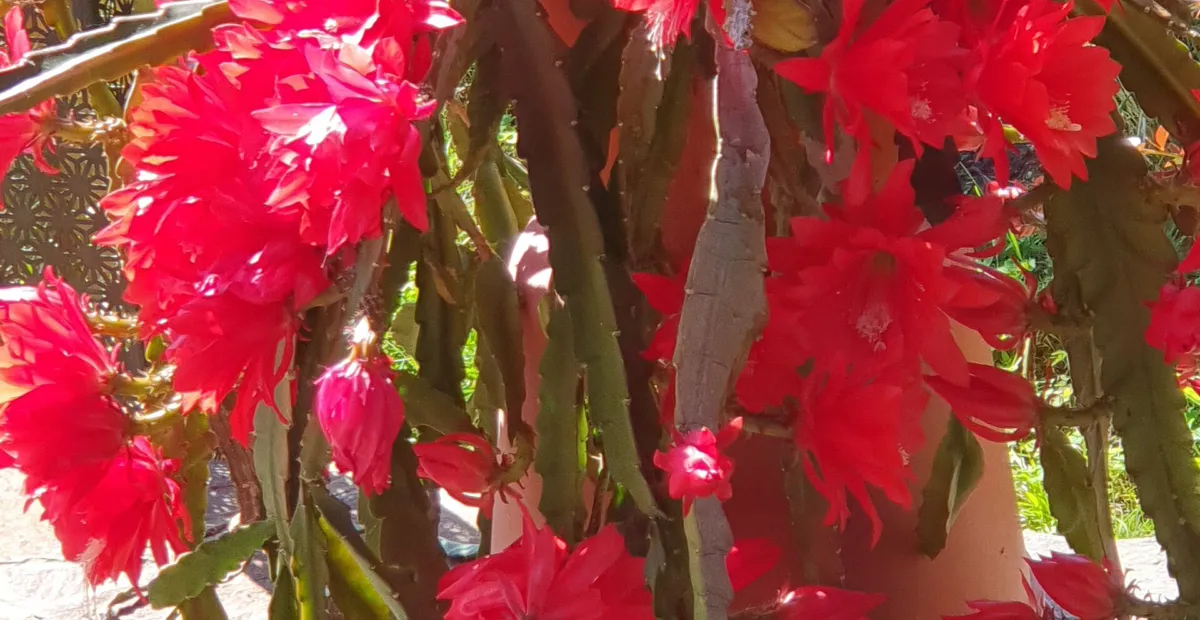
Disocactus ackermannii is an epiphytic cactus native to southern Mexico, where it grows in seasonally dry tropical habitats rather than ordinary desert conditions. Its flattened, arching green stems form a graceful trailing plant, and mature growth can produce striking scarlet, funnel-shaped flowers with greenish throats. In the United States, it is best grown as a protected container plant in bright filtered light, a porous organic-rich mix, and carefully timed watering.
Taxonomic classification
Disocactus ackermannii care guide
Light and placement
Provide bright filtered light or partial shade, such as an east-facing window, a bright room behind a sheer curtain, or dappled shade on a sheltered porch. Gentle morning sun is usually safer than intense afternoon exposure. Bleached patches, reddish stress coloration, or shriveling may indicate excessive light or drought; very long, thin, weak new segments suggest insufficient light.
Watering and humidity
Water thoroughly until excess drains from the container, then allow the upper portion of the mix to dry before watering again. Keep the plant more evenly supplied during active growth, but reduce frequency in fall and winter when temperatures and light decline. Never leave the pot standing in water. Humidity is helpful, but wet foliage combined with stagnant air increases disease risk.
Soil and growing medium
Use a porous, fast-draining epiphytic mix based on fine orchid bark, peat or coco coir, and perlite. The substrate should retain some moisture without becoming waterlogged, because this cactus grows epiphytically and is not adapted to dense garden soil. A slightly acidic to neutral reaction is suitable; avoid heavy clay and poorly aerated compost.
Feeding
Feed during active growth in spring and summer with a balanced liquid fertilizer diluted to half the label rate every 3–4 weeks. A low-nitrogen cactus or orchid fertilizer is also suitable. Water first if the mix is dry, and do not fertilize a wilted, recently repotted, diseased, or dormant plant. Reduce or stop feeding during the cool winter rest.
Growth and habit
The plant branches from the base and develops flattened, segmented stems that arch and trail. New growth can be more upright before bending under its own weight. Keep the container stable and avoid frequent repositioning while buds are developing, because abrupt changes in light, temperature, or moisture can reduce flowering. Remove only damaged or overcrowded segments.
Planting and repotting
In the United States, plant outdoors only after frost danger has passed and nighttime temperatures remain reliably mild. Set the root ball at its original depth rather than burying the stem base. Allow room for the stems to arch or trail, and establish it in bright shade before increasing light gradually. Container culture is generally safer than in-ground planting except in frost-free climates.
Repot in spring or immediately after flowering when the container is crowded or the mix has decomposed. Move only one pot size larger, loosen compacted roots gently, and use a clean, airy epiphytic substrate. Keep the plant slightly drier for several days after repotting, then resume normal watering once any damaged roots or cut surfaces have begun to dry.
Propagation and pruning
Propagation
Stem cuttings are the most practical method. Take a healthy mature segment after flowering, allow the cut end to callus for several days, then insert it shallowly into a barely moist, airy mix. Keep warm in bright filtered light and water sparingly until roots form. Seed propagation is possible but slower and less uniform.
Pruning
Prune after flowering or during active growth to remove damaged, diseased, or crossing stems and to maintain a balanced basket. Use sterilized shears and make clean cuts at joints. Healthy cut segments can be saved for propagation. Avoid heavy pruning immediately before the expected flowering period.
Overwintering
Protect from frost and freezing temperatures. Before cold weather, move containers indoors or into a warm greenhouse, place them in bright light, and reduce watering as growth slows. Keep the plant above about 50°F for dependable winter maintenance; avoid cold, wet substrate, which greatly increases rot risk.
Uses
Primarily an ornamental epiphytic cactus for hanging baskets, conservatories, greenhouses, sheltered patios, and bright indoor spaces. Its arching stems and large red flowers make it useful as a specimen plant. It is not supported here for culinary or medicinal use.
Appearance
A branching epiphytic cactus with flattened, jointed green cladodes rather than cylindrical stems. The segments are narrow to moderately broad, slightly toothed or scalloped along the margins, and become arching or trailing as they lengthen. Large red flowers emerging from the stem edges are the most distinctive identification feature, although cultivated hybrids can look similar.
Flowering
This species produces large, showy, funnel-shaped flowers on mature flattened stems. The flowers are typically scarlet to red with a greenish throat and may reach roughly 4–6 inches across. Flowering is associated with mature growth and favorable seasonal conditions; cultivated plants may bloom in spring or at other times depending on temperature, light, and winter rest. Exact flowering timing varies by climate and clone.
Pollination and visitors
Reliable species-specific documentation of animal pollinators or flower visitors was not located. The prominent, open funnel-shaped flowers are compatible with animal visitation, but a visitor group is not assigned without stronger evidence.
Disocactus ackermannii photos
Click any photo for a larger view. Source, author and license are shown separately.
Diseases and pests
Diseases
Watch for root or stem rot when the mix stays wet, especially during cool weather. Remove affected tissue with sterile tools, let wounds dry, and replace saturated substrate. Improve air circulation and drainage rather than relying on routine fungicides. Stem lesions, collapse, or persistent discoloration warrant isolation and inspection of the roots.
Pests
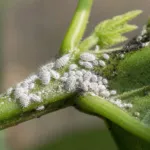
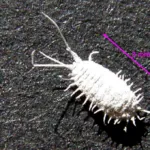
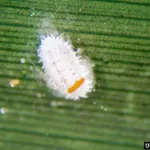
Scale, mealybugs, aphids, and fungus gnats may occur, particularly on stressed or overwatered plants. Inspect stem joints and new growth regularly. Remove small infestations with a cotton swab or water spray, then use an appropriately labeled horticultural soap or oil if needed. Correct weak light, poor airflow, and excessive moisture to reduce recurrence.
Related diseases and pests
Only Plant Doctor profiles whose host data indicate this plant may be affected are shown here.

Toxicity and pollen
Independent authoritative evidence identifying clinically important toxicity for Disocactus ackermannii is limited. The main practical risks are mechanical injury from plant structures and irritation from sap or contaminated substrate. Avoid ingestion, keep cut material away from children and pets, and wash hands after handling. Do not treat the lack of documented toxicity as proof of universal safety.
- Pollination / pollen
- Flower pollen; airborne relevance not established
Disocactus ackermannii produces pollen as a flowering cactus, but dependable data on airborne dispersal, pollen counts, and clinical allergenicity for this exact species were not located. Its epiphytic, showy flowers are generally associated with animal-mediated pollination rather than wind dispersal, but insect visitation should not be assumed to eliminate allergy risk.
Native habitat
Native to southern Mexico and recorded from seasonally dry tropical regions. It is an epiphyte, growing above ground on supporting vegetation rather than rooted in heavy mineral soil. Natural populations occur in humid forest environments with alternating wet and drier periods, filtered light, organic debris, and strong drainage.
Interesting fact
The species is accepted in the genus Disocactus, although older horticultural literature used several different genera for it. It is an epiphyte from southern Mexico rather than a desert-dwelling cactus. Its flattened stems are cladodes, specialized photosynthetic shoots that give the plant an orchid-like appearance. Commercial plants may be hybrids or may carry the name inaccurately.
Frequently asked questions (FAQ)
The most relevant questions about this plant, with short and direct answers.
🌱Quick care
What is Disocactus ackermannii?⌄
Disocactus ackermannii is an epiphytic cactus in the Cactaceae family, commonly grouped with orchid cacti. It is native to southern Mexico and has flattened, leaf-like stems with showy flowers.
Is Disocactus ackermannii an orchid cactus?⌄
Yes, Disocactus ackermannii is commonly called an orchid cactus. The name is a horticultural group name rather than a sign that it is a true orchid.
How much light does Disocactus ackermannii need?⌄
Give Disocactus ackermannii bright filtered light or partial shade. Protect it from intense afternoon sun, which can scorch or redden the flattened stems.
How often should I water Disocactus ackermannii?⌄
Water thoroughly when the upper portion of the mix has partly dried, then let excess water drain away. Watering frequency varies with temperature, light, pot size, and season.
Is Disocactus ackermannii easy to grow indoors?⌄
Yes, Disocactus ackermannii can grow well indoors when given bright indirect light, moderate watering, good airflow, and a porous epiphytic mix. Avoid keeping the roots constantly wet.
🌤️Environment and placement
Can Disocactus ackermannii grow outdoors?⌄
Disocactus ackermannii can grow outdoors in warm, frost-free conditions with filtered light or partial shade. In most of the United States, bring it indoors before temperatures approach freezing.
What USDA hardiness zones are suitable for Disocactus ackermannii?⌄
It is best treated as a frost-tender plant and grown outdoors year-round only in warm, frost-free parts of the United States. Gardeners in colder USDA zones should grow it in a container and overwinter it indoors.
Can Disocactus ackermannii tolerate direct sunlight?⌄
It can tolerate gentle morning or late-day sun, but bright filtered light is safer. Strong midday or afternoon sun may cause bleaching, scorching, or stress on the stems.
What temperature does Disocactus ackermannii need?⌄
Keep Disocactus ackermannii warm and protect it from frost and freezing temperatures. A cool, bright winter rest can be useful, but the plant should not be exposed to hard freezes.
Does Disocactus ackermannii need humidity?⌄
Moderate humidity is helpful because Disocactus ackermannii is an epiphyte from humid forest habitats. Good air circulation is equally important, especially when humidity is high.
Can Disocactus ackermannii grow in a hanging basket?⌄
Yes, a hanging basket suits Disocactus ackermannii because its flattened stems can arch and trail. Use a container with drainage holes and do not let the basket sit in water.
💧Care and problems
Why is my Disocactus ackermannii turning red or purple?⌄
Red or purple coloring usually indicates strong light, cool temperatures, drought stress, or another environmental stress. Move it toward brighter filtered light and review watering and temperature conditions.
Why is my Disocactus ackermannii getting soft stems?⌄
Soft stems commonly result from overwatering, poor drainage, cold wet conditions, or rot. Remove affected tissue, inspect the roots, and correct the potting mix and watering routine.
How do I prevent root rot in Disocactus ackermannii?⌄
Prevent root rot by using a sharply draining, porous mix and watering only after partial drying. Never leave the pot standing in a saucer of water.
What soil is best for Disocactus ackermannii?⌄
Use a porous, organic-rich, sharply draining mix designed for epiphytic cacti or orchids. A blend containing bark, coarse perlite or pumice, and a modest amount of organic material works well.
Does Disocactus ackermannii need fertilizer?⌄
It benefits from light feeding during active growth with a diluted, balanced fertilizer. Avoid heavy fertilization, and reduce or stop feeding during cool or low-light periods.
What pests affect Disocactus ackermannii?⌄
Common indoor pests include mealybugs, scale, spider mites, and aphids. Inspect stem joints and new growth regularly, and isolate affected plants while treating the infestation.
🪴Planting and repotting
When should I repot Disocactus ackermannii?⌄
Repot Disocactus ackermannii after flowering or when the mix has broken down, drainage has declined, or the plant has clearly outgrown its container. Move it into only a slightly larger pot.
Does Disocactus ackermannii like to be root-bound?⌄
It can tolerate being somewhat snug in its pot, but severely crowded or deteriorated roots should be addressed. Avoid oversized containers because they hold excess moisture around the roots.
How deep should I plant Disocactus ackermannii cuttings?⌄
Plant a rooted cutting only deep enough to anchor the stem, usually about an inch or less depending on its size. Burying too much of the flattened stem can encourage rot.
✂️Propagation and pruning
How do you propagate Disocactus ackermannii?⌄
Propagate Disocactus ackermannii most easily from stem cuttings. Let a healthy cutting callus briefly, place the base in a lightly moist, sharply draining mix, and provide warm filtered light.
Can Disocactus ackermannii be propagated in water?⌄
It can sometimes produce roots in water, but rooting directly in a porous propagation mix generally reduces the risk of transplant shock and water-related rot. Keep the medium lightly moist rather than saturated.
Can you prune Disocactus ackermannii?⌄
Yes, prune Disocactus ackermannii to remove damaged growth, control size, or encourage branching. Use clean tools and allow cut surfaces to dry before heavy watering.
⚠️Toxicity and safety
Is Disocactus ackermannii toxic to cats or dogs?⌄
No specific toxicity classification is firmly established for Disocactus ackermannii. Because plant responses and identifications can vary, prevent pets from chewing it and contact a veterinarian if ingestion causes symptoms.
🌸Flowering and special interest
When does Disocactus ackermannii bloom?⌄
Disocactus ackermannii typically flowers during the warmer growing season, often in spring or early summer under suitable conditions. Exact timing depends on light, temperature, maturity, and whether the plant is a hybrid.
How can I get Disocactus ackermannii to bloom?⌄
Provide bright filtered light, mature healthy growth, appropriate watering, and a cooler, somewhat drier winter period without freezing. Avoid frequent relocation or heavy pruning as flower buds are developing.
What color are Disocactus ackermannii flowers?⌄
The species is known for vivid scarlet to red, funnel-shaped flowers. Plants sold under this name may be hybrids or misidentified orchid cacti, so flower color and form can vary.
Why is my Disocactus ackermannii not flowering?⌄
Lack of flowering may result from insufficient light, immature growth, excessive nitrogen, unstable conditions, or no seasonal rest. Improve filtered light and allow a cooler, drier winter period while avoiding frost.
Similar plants
 Azure Monkshood (Aconitum carmichaelii) care guideAconitum carmichaelii
 Monkshood (Aconitum ‘Stainless Steel’)Aconitum 'Stainless Steel'
 Monkshood (Aconitum ‘Bressingham Spire’)Aconitum 'Bressingham Spire'
 Golden full moon maple (Acer shirasawanum ‘Aureum’)Acer shirasawanum 'Aureum'
 Globosum (Acer platanoides ‘Globosum’)Acer platanoides 'Globosum'
 Striped maple (Acer pensylvanicum) care guideAcer pensylvanicum