
 Source:
 Arizona Sun blanket flower (Gaillardia ‘Arizona Sun’) short overview
Gaillardia 'Arizona Sun' is a compact blanket flower valued for large, fiery red-orange blooms with golden-yellow petal tips. This low, mound-forming herbaceous perennial performs best in full sun and sharply drained soil, tolerates heat, drought, and lean conditions once established, and suits borders, rock gardens, containers, cutting gardens, and butterfly plantings. It may flower from late spring through summer and is often short-lived, especially in persistently wet soil.
Taxonomic classification
Arizona Sun blanket flower (Gaillardia ‘Arizona Sun’) care guide
Light and placement
Give at least 6 hours of direct sun, ideally in an open south- or west-facing bed, raised bed, rock garden, or sunny container. Sparse, stretched stems and fewer flowers indicate insufficient light. Bleaching or leaf scorch can occur under extreme reflected heat, though the cultivar generally tolerates strong summer sun once established.
Watering and humidity
Water deeply when the upper several inches of soil have dried, then allow excess water to drain fully. Keep newly planted specimens evenly but not constantly moist during establishment; reduce watering after roots develop. In hot, dry weather containers need more frequent checks, while winter watering should be minimal where rainfall is adequate.
Soil and growing medium
Use sandy, gravelly, or sandy-loam soil with excellent drainage. Average soil is acceptable, but heavy clay and persistently wet conditions increase the risk of root rot and shorten plant life. A slightly acidic to neutral reaction is suitable; avoid heavily amended, overly rich soil that encourages soft, floppy growth.
Feeding
Usually little fertilizer is needed. In spring, work a small amount of compost into poor soil or apply a restrained, balanced perennial fertilizer according to the label. Avoid high-nitrogen feeding and do not fertilize drought-stressed, newly planted, or waterlogged plants; excessive fertility can produce weak growth and fewer flowers.
Growth and habit
Forms a compact basal mound with upright flowering stems. It establishes quickly in warm weather but is often short-lived, particularly where winter or summer soil remains wet. Deadheading improves neatness and can extend flowering; allowing some seed to mature may help maintain a planting.
Planting and repotting
Plant after the danger of hard frost has passed in spring, or in fall where plants can establish before winter. Set the crown at soil level rather than burying it. Space plants about 12–14 inches apart for a continuous low planting, allowing air movement around the foliage.
Move container plants into fresh, sharply drained potting mix in spring when roots fill the container. Handle the crown gently and replant at the original depth. Choose a pot with drainage holes and avoid oversized containers that stay wet after watering.
Propagation and pruning
Propagation
Seed is the documented practical method for this seed-propagated cultivar. Sow indoors in spring at about 55–64°F or sow outdoors after frost danger; cover lightly or press seed into the surface according to the seed supplier’s directions. Cultivar seedlings may show some variation.
Pruning
Remove spent flower heads through the growing season to encourage rebloom and maintain a tidy appearance. If plants become leggy, cut them back to basal growth in summer for rejuvenation. Leave the remaining crown and stems through winter in cold climates, then cut back to 2–3 inches in early spring as new growth begins.
Overwintering
In cold regions, leave the crown and standing stems in place through winter for protection, keeping the site free-draining. Cut back to 2–3 inches in early spring when new leaves emerge. Container plants are more exposed to freezing and should be moved to a sheltered, unheated location or protected according to local conditions.
Uses
Use in sunny perennial borders, cottage gardens, rock gardens, raised beds, patio containers, butterfly gardens, and cutting gardens. Its compact size suits the front of a border. It is ornamental only in this profile; no culinary or medicinal use is established here.
Appearance
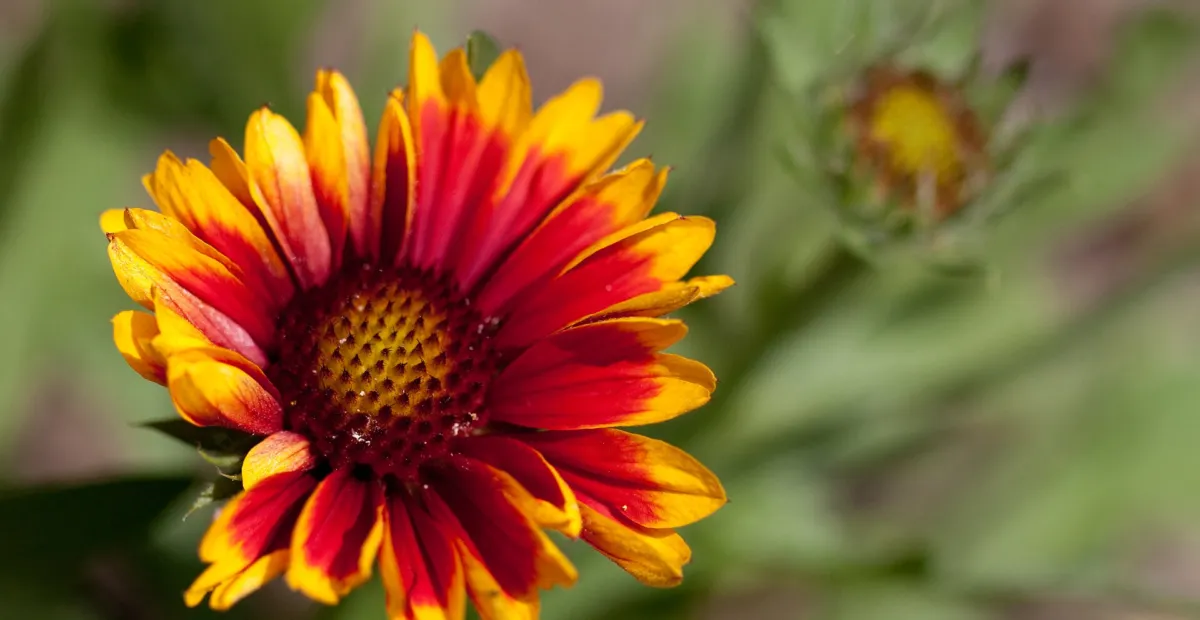
The plant forms a neat, low mound of lance-shaped gray-green leaves with a softly hairy texture. Upright stems rise from the basal foliage and carry large, intensely colored composite heads. The combination of red-orange rays, yellow tips, and a red-brown disk is a useful identification feature for this cultivar.
Flowering
The flower heads are large composite daisies, typically about 3–4 inches across, with red-orange rays edged or tipped in yellow around a red-brown disk. Plants can begin flowering in late spring and continue through summer, with deadheading encouraging additional bloom. Flowering may extend longer in favorable climates.
Pollination and visitors
The showy composite flower heads are documented as attracting butterflies. Avoid insecticide applications during bloom to reduce risk to visiting insects. No specific pollinator species is assigned because cultivar-level species documentation was not sufficiently clear.
Gaillardia 'Arizona Sun' photos
Click any photo for a larger view. Source, author and license are shown separately.
Diseases and pests
Diseases
Root rot is the main concern in poorly drained or overwatered soil. Powdery mildew, fungal leaf spot, aster yellows, leaf smut, bacterial blight, and virus problems may occur. Prevent problems with drainage, spacing, morning irrigation, and removal of severely affected foliage; discard plants showing aster-yellows symptoms.
Pests
Aphids and leafminers may attack foliage. Inspect new growth and leaf undersides; use a strong water spray for light infestations and conserve beneficial insects. Remove badly infested leaves and avoid unnecessary broad-spectrum insecticides, especially while flowers are attracting visitors.
Related diseases and pests
Only Plant Doctor profiles whose host data indicate this plant may be affected are shown here.
 DiseaseImpatiens necrotic spot virus diseaseImpatiens necrotic spot orthotospovirus
 DiseaseBlack Root RotBerkeleyomyces basicola
 DiseaseAster yellows‘Candidatus Phytoplasma asteris’
 DiseaseBacterial blight of geraniumXanthomonas hortorum pv. pelargonii
 Environmental stressOverwatering
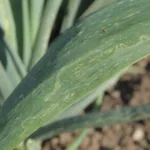 PestAllium leafminerPhytomyza gymnostoma Loew
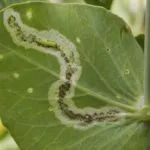 PestPea LeafminerLiriomyza huidobrensis
 DiseaseMaple powdery mildewSawadaea bicornis
Toxicity and pollen
No authoritative cultivar-specific toxicity warning was located in the reviewed sources. Because evidence is incomplete rather than proof of absolute safety, discourage ingestion and monitor children and pets around any ornamental plant. Sap or plant material may irritate sensitive individuals.
- Typical season
- Late spring through summer
- Pollination / pollen
- Insect-dispersed pollen
As an insect-pollinated composite flower, pollen is generally transferred by visiting insects rather than released in large airborne clouds. This does not establish zero allergy risk; sensitive people should avoid handling flowering plants if symptoms occur. Cultivar-specific aerobiological data were not found.
Native habitat
The horticultural hybrid background reflects prairie, open-slope, and dry-site Gaillardia ecology. Plants perform best in open sun, mineral or sandy soils, and climates with heat and periodic dryness. Sharp drainage is essential because prolonged saturation is poorly tolerated.
Interesting fact
‘Arizona Sun’ was a 2005 All-America Selections winner and received a 2005 Fleuroselect Gold Medal. It is a compact cultivar associated with the Gaillardia × grandiflora garden hybrid group. The cultivar is seed propagated and can be notably shorter than many other blanket flowers.
Frequently asked questions (FAQ)
The most relevant questions about this plant, with short and direct answers.
🌱Quick care
What is Gaillardia 'Arizona Sun'?⌄
Gaillardia 'Arizona Sun' is a compact blanket flower cultivar with fiery orange-red flowers edged in yellow. It is commonly grown as a low-maintenance herbaceous perennial in sunny borders, rock gardens, and containers.
How much sun does Gaillardia 'Arizona Sun' need?⌄
Gaillardia 'Arizona Sun' needs full sun, ideally at least 6 hours of direct sunlight daily. Plants may become less compact and flower less heavily in partial shade.
How often should I water Gaillardia 'Arizona Sun'?⌄
Water Gaillardia 'Arizona Sun' when the soil has begun to dry, then let excess water drain away. Established plants tolerate drought, but occasional watering during prolonged hot, dry weather supports better flowering.
Is Gaillardia 'Arizona Sun' easy to grow?⌄
Yes, Gaillardia 'Arizona Sun' is generally easy to grow when planted in full sun and sharply drained soil. Its main cultivation risk is root rot from consistently wet conditions.
How big does Gaillardia 'Arizona Sun' get?⌄
Gaillardia 'Arizona Sun' usually grows about 6 to 12 inches tall and 12 to 18 inches wide. Its compact, mounding habit makes it suitable for the front of borders and patio containers.
🌤️Environment and placement
What USDA hardiness zones are suitable for Gaillardia 'Arizona Sun'?⌄
Gaillardia 'Arizona Sun' is commonly listed as hardy across approximately USDA Zones 3 through 10. Actual winter performance can vary with drainage, snow cover, exposure, and the local microclimate.
Can Gaillardia 'Arizona Sun' tolerate drought?⌄
Yes, established Gaillardia 'Arizona Sun' tolerates drought and dry soil better than many garden perennials. Water newly planted specimens regularly until their roots are established.
Can Gaillardia 'Arizona Sun' grow in clay soil?⌄
Gaillardia 'Arizona Sun' can grow in improved clay soil, but heavy, poorly drained clay increases the risk of root rot. Amend the planting area or use a raised bed if water remains after rain.
What is the best soil for Gaillardia 'Arizona Sun'?⌄
The best soil for Gaillardia 'Arizona Sun' is sandy or loamy soil that drains sharply. It tolerates poor soil, but excessive fertility can produce weak, leafy growth instead of a compact plant.
Can Gaillardia 'Arizona Sun' grow in a container?⌄
Yes, Gaillardia 'Arizona Sun' grows well in a container with drainage holes and a fast-draining potting mix. Choose a container large enough for its mature spread and avoid leaving the pot in standing water.
Is Gaillardia 'Arizona Sun' good for pollinators?⌄
Gaillardia 'Arizona Sun' can provide nectar for butterflies and other flower-visiting insects. As with many cultivars, pollinator use may vary with local insect populations and surrounding plant choices.
💧Care and problems
Should I deadhead Gaillardia 'Arizona Sun'?⌄
Deadhead Gaillardia 'Arizona Sun' by removing faded flower heads to encourage additional blooms and keep the plant tidy. Leave some seed heads if you want to provide seasonal food or allow limited reseeding.
Why is my Gaillardia 'Arizona Sun' not blooming?⌄
Gaillardia 'Arizona Sun' may fail to bloom because of insufficient sunlight, excess nitrogen, overwatering, or severe stress after planting. Move or thin surrounding plants if necessary, and avoid rich fertilizer and persistently wet soil.
Why is my Gaillardia 'Arizona Sun' turning brown?⌄
Brown foliage on Gaillardia 'Arizona Sun' can result from drought stress, root damage, fungal disease, or normal late-season decline. Check the soil and roots first, because wet soil and poor drainage are especially damaging.
How do I prevent root rot on Gaillardia 'Arizona Sun'?⌄
Prevent root rot by planting Gaillardia 'Arizona Sun' in sharply drained soil and watering only when the surface has begun to dry. Reduce irrigation during rainy periods and never let container soil stay saturated.
What pests affect Gaillardia 'Arizona Sun'?⌄
Aphids and leafminers can occasionally affect Gaillardia 'Arizona Sun'. Inspect new growth and leaves regularly, remove lightly affected foliage, and use a targeted treatment only if the infestation is persistent.
What diseases affect Gaillardia 'Arizona Sun'?⌄
Gaillardia 'Arizona Sun' can be affected by powdery mildew, leaf spot, aster yellows, and root rot. Good air circulation, full sun, careful watering, and prompt removal of diseased material help reduce problems.
🪴Planting and repotting
When should I plant Gaillardia 'Arizona Sun'?⌄
Plant Gaillardia 'Arizona Sun' in spring after the danger of hard frost has passed or in early fall while the soil is still workable. Fall planting is most successful where plants have time to root before the ground freezes.
How far apart should I plant Gaillardia 'Arizona Sun'?⌄
Space Gaillardia 'Arizona Sun' about 12 to 18 inches apart, depending on the desired coverage and local growing conditions. Use the wider spacing in humid areas to improve airflow.
How deep should I plant Gaillardia 'Arizona Sun'?⌄
Plant Gaillardia 'Arizona Sun' at the same depth as it grew in its nursery container. Keep the crown and stems at the soil surface, and water thoroughly after planting.
Can Gaillardia 'Arizona Sun' be grown from seed?⌄
Yes, Gaillardia 'Arizona Sun' can be grown from seed, and seed is commonly sown on the surface or only lightly covered because light can aid germination. Seed-grown plants may not always reproduce every feature of the named cultivar.
When should I start Gaillardia 'Arizona Sun' seeds indoors?⌄
Start Gaillardia 'Arizona Sun' seeds indoors about 6 to 8 weeks before your region's expected last spring frost. Transplant seedlings outdoors after they are hardened off and severe frost has passed.
✂️Propagation and pruning
How do I propagate Gaillardia 'Arizona Sun'?⌄
Propagate Gaillardia 'Arizona Sun' by seed, division, or basal cuttings, although seed-grown offspring may vary from the parent. Division or vegetative propagation is preferable when maintaining the named cultivar exactly.
Can I divide Gaillardia 'Arizona Sun'?⌄
Yes, you can divide Gaillardia 'Arizona Sun' in spring or early fall by separating a healthy crown into sections with roots and shoots. Replant the divisions promptly and keep them evenly moist while they establish.
Does Gaillardia 'Arizona Sun' self-seed?⌄
Gaillardia 'Arizona Sun' may produce seedlings if flower heads are left to mature, but self-seeding is usually limited and offspring may not be identical to the cultivar. Deadhead plants if you want a more controlled display.
When should I cut back Gaillardia 'Arizona Sun'?⌄
Cut back Gaillardia 'Arizona Sun' in late winter or early spring before strong new growth begins, removing old stems near the base. You can also cut a leggy plant back to basal growth during summer to encourage rejuvenation.
Should I cut Gaillardia 'Arizona Sun' back for winter?⌄
You do not have to cut Gaillardia 'Arizona Sun' back in fall, because standing seed heads can provide winter interest and cover for small wildlife. Remove old growth in late winter or early spring if you prefer a tidier garden.
⚠️Toxicity and safety
Is Gaillardia 'Arizona Sun' toxic to dogs or cats?⌄
The toxicity of Gaillardia 'Arizona Sun' has not been established by a cultivar-specific authoritative warning located in the available research. Prevent pets from chewing ornamental plants, and contact a veterinarian or poison-control service if ingestion causes symptoms.
Is Gaillardia 'Arizona Sun' safe for children?⌄
A cultivar-specific authoritative toxicity warning for Gaillardia 'Arizona Sun' was not located. As a general precaution, supervise children around garden plants and do not allow them to eat the flowers, leaves, or seeds.
🌸Flowering and special interest
When does Gaillardia 'Arizona Sun' bloom?⌄
Gaillardia 'Arizona Sun' generally blooms from late spring or early summer into late summer, and it may continue into fall in favorable conditions. Regular deadheading can extend the display.
How long do Gaillardia 'Arizona Sun' flowers last?⌄
Gaillardia 'Arizona Sun' can provide flowers for much of the summer when grown in full sun and deadheaded regularly. Heat, drought, excessive moisture, and poor light can shorten or reduce the flowering period.
What color are Gaillardia 'Arizona Sun' flowers?⌄
Gaillardia 'Arizona Sun' produces large orange-red flowers with yellow-tipped petals and a darker central disk. Individual flowers are typically about 3 to 4 inches across.
Is Gaillardia 'Arizona Sun' a perennial or an annual?⌄
Gaillardia 'Arizona Sun' is generally grown and sold as a herbaceous perennial. In marginal climates, winter wet, severe exposure, or short plant lifespans can make it behave more like a short-lived perennial.
Will Gaillardia 'Arizona Sun' bloom the first year?⌄
Gaillardia 'Arizona Sun' can bloom during its first growing season when planted as a nursery plant or started early from seed. Plants started late or grown from seed outdoors may flower more lightly in their first year.
Can Gaillardia 'Arizona Sun' tolerate heat?⌄
Yes, Gaillardia 'Arizona Sun' generally tolerates heat well when it receives full sun and has sharply drained soil. During extreme heat, provide deep occasional watering rather than frequent shallow irrigation.
Similar plants
 Azure Monkshood (Aconitum carmichaelii) care guideAconitum carmichaelii
 Monkshood (Aconitum ‘Stainless Steel’)Aconitum 'Stainless Steel'
 Monkshood (Aconitum ‘Bressingham Spire’)Aconitum 'Bressingham Spire'
 Golden full moon maple (Acer shirasawanum ‘Aureum’)Acer shirasawanum 'Aureum'
 Globosum (Acer platanoides ‘Globosum’)Acer platanoides 'Globosum'
 Striped maple (Acer pensylvanicum) care guideAcer pensylvanicum