
 Source:
 Campanula ‘Trachelium’ short overview
Campanula 'Trachelium' is a hardy herbaceous bellflower selection linked to the species Campanula trachelium. Its upright stems carry coarse, bristly, nettle-like leaves and nodding blue-purple bells during the summer season. Grow it in fertile, well-drained soil in full sun or partial shade; in hot regions, afternoon shade helps preserve flower color and reduce drought stress. It suits borders, woodland edges and wildlife-friendly plantings.
Taxonomic classification
Campanula ‘Trachelium’ care guide
Light and placement
Grow in full sun in cooler climates, ideally with morning or gentle all-day light. In hot-summer regions, place it where it receives morning sun and afternoon shade, such as an east-facing border or the open edge of a woodland planting. Pale, weak stems and sparse flowering suggest insufficient light; scorched leaves and faded flowers suggest excessive heat or reflected afternoon sun.
Watering and humidity
Water deeply when the top inch of soil begins to dry, keeping the root zone evenly moist during establishment and flowering. Reduce frequency in cool or rainy weather, but do not allow repeated severe drying in hot summer. Water at the base rather than over the foliage to reduce foliar disease; extra indoor humidity is unnecessary.
Soil and growing medium
Use fertile, humus-rich soil that drains freely but does not dry rapidly. Loam is ideal. The species tolerates acid, neutral and alkaline conditions, although garden performance is especially reliable in neutral to slightly alkaline soil. Improve heavy clay with organic matter and avoid winter waterlogging.
Feeding
Apply a thin layer of compost in spring or use a balanced, slow-release perennial fertilizer at label rate as growth begins. Avoid heavy nitrogen feeding, which can produce soft, leafy growth and reduce flowering. Do not fertilize drought-stressed, waterlogged or dormant plants.
Growth and habit
This is an upright, bushy, clump-forming perennial. Stems may self-seed if spent flowers are left in place, while cutting back after bloom can help maintain a tidier planting and may encourage a second flush. Hot, dry summers can shorten the display unless roots remain evenly supplied with moisture.
Planting and repotting
Plant nursery divisions or potted plants in spring or early fall. Set the crown at soil level rather than burying it. Allow roughly 18–24 inches between plants for airflow and mature clump development, then water consistently during establishment.
Repot container plants in spring when roots fill the pot, moving them into a slightly larger container with a moisture-retentive but well-drained perennial mix. Handle the crown gently and water thoroughly after transplanting.
Propagation and pruning
Propagation
Propagate by seed in containers or a cold frame in spring; do not bury the fine seed deeply. Division is practical in spring or fall. Stem-tip cuttings from new growth after flowering are also reported, but success may be less predictable than seed or division.
Pruning
Cut flowering stems back after the main display to reduce self-seeding and improve appearance. A post-bloom cutback may encourage a later flush. Remove dead foliage in late fall or early spring, leaving the crown undisturbed.
Overwintering
Leave the crown in the ground outdoors in USDA Zones 4–9. In colder or exposed gardens, apply a light winter mulch after the soil cools, keeping it loose around the crown. Container plants are more vulnerable to root freezing; move them to a sheltered unheated location or insulate the pot rather than bringing them into a warm room.
Uses
Useful in mixed borders, cottage gardens, woodland-edge plantings and wildlife gardens. The upright stems can contribute to informal cut-flower displays. Historical throatwort uses are not recommended as modern medical guidance, and the plant should not be promoted as an edible or medicinal crop without specialist verification.
Appearance
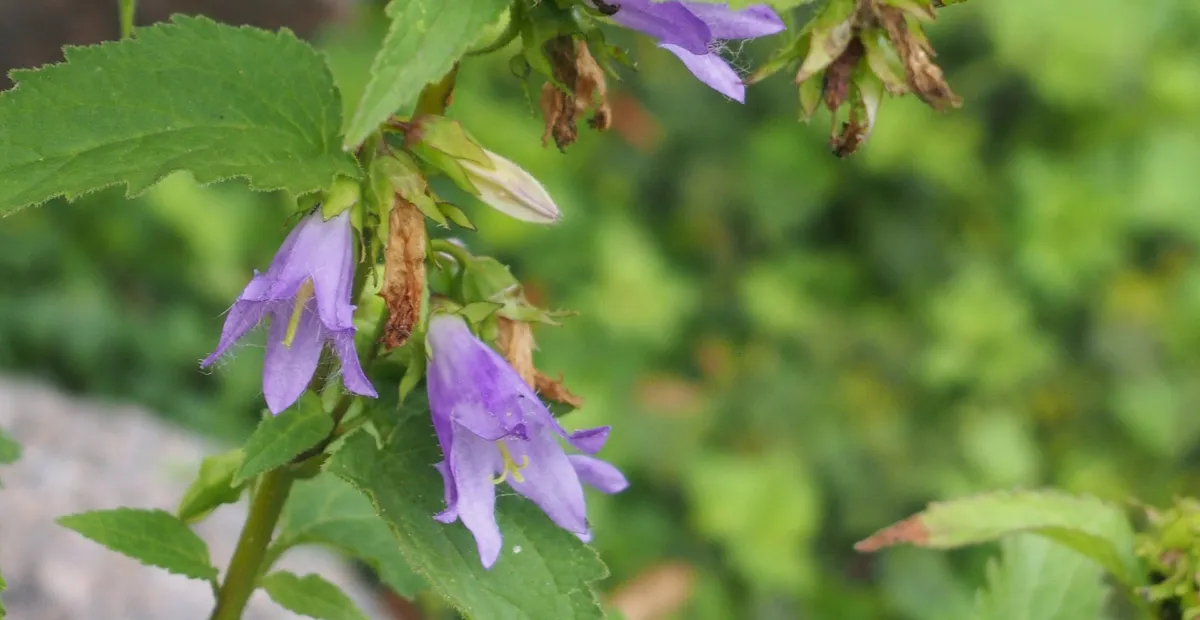
Identification features include coarse, bristly, nettle-like leaves with toothed margins, hairy upright stems that may be reddish, and nodding bells carried in a loose one-sided or leafy raceme. Lower leaves are typically stalked and broader, while upper leaves become narrower and more nearly sessile.
Flowering
The flowers are nodding, open, tubular-bell-shaped corollas arranged in a loose, leafy raceme. Blue-purple to lilac coloration is typical of the species; the cultivar identity supplied here does not provide independently verified flower-color or form distinctions. Bloom is generally a summer event, with timing varying by region.
Pollination and visitors
Campanula trachelium is documented as a pollen source for the specialist bellflower bee Chelostoma rapunculi. Campanula flowers also provide nectar and pollen to a broader range of insect visitors, but visitor abundance depends on region, weather and surrounding habitat.
Campanula 'Trachelium' photos
Click any photo for a larger view. Source, author and license are shown separately.
Diseases and pests
Diseases
Powdery mildew and rust can occur, especially where foliage stays crowded or wet. Space plants for air movement, water at the soil surface, remove badly affected leaves, and cut back declining stems after flowering. Avoid routine fungicide use unless symptoms are persistent and correctly identified.
Pests
Slugs and snails may damage young foliage and flower stems. Check plants at dusk or after rain, reduce hiding places, keep mulch away from crowns, and use proportionate controls such as hand removal or labeled barriers when needed.
Related diseases and pests
Only Plant Doctor profiles whose host data indicate this plant may be affected are shown here.
Toxicity and pollen
No authoritative evidence located for significant human or pet poisoning specific to this exact selection. The plant is not established here as edible, and ingestion of ornamental material can still cause mild gastrointestinal upset or choking. Prevent pets and children from eating large quantities and seek professional advice after concerning exposure.
- Typical season
- Usually summer in the United States, varying with local climate
- Pollination / pollen
- Insect-dispersed, medium-sized triporate pollen
The flowers produce pollen, but this species is insect-pollinated and is not documented here as a major US airborne-allergy plant. Individual sensitivity is still possible, especially during close handling or garden work. People with known pollen allergy should use ordinary exposure precautions.
Native habitat
The species is native across much of Europe and extends into parts of North Africa and temperate Asia. It is associated with broad-leaved woodland, scrub, hedgerows and grassy margins, commonly on fertile soils that remain moderately moist but drain well. In parts of North America it has been introduced or naturalized.
Interesting fact
The species epithet trachelium refers to the throat and reflects historical throatwort associations. The flower’s stamens inspired the traditional name “Bats-in-the-Belfry.” Campanula trachelium pollen is used by the specialist bee Chelostoma rapunculi.
Frequently asked questions (FAQ)
The most relevant questions about this plant, with short and direct answers.
🌱Quick care
How do you care for Campanula 'Trachelium'?⌄
Grow Campanula 'Trachelium' in fertile, humus-rich, well-drained soil with moderate, even moisture and full sun to partial shade. Provide afternoon shade in hot climates to help protect flowering and foliage.
Is Campanula 'Trachelium' a perennial?⌄
Yes, Campanula 'Trachelium' is a hardy herbaceous perennial. Its top growth may die back in cold weather, but the crown survives and regrows in spring.
How big does Campanula 'Trachelium' get?⌄
Campanula 'Trachelium' typically grows about 2 to 3 feet tall and 1 to 1½ feet wide. Height can vary with soil fertility, moisture, and the particular garden selection.
🌤️Environment and placement
Does Campanula 'Trachelium' need full sun or shade?⌄
Campanula 'Trachelium' grows in full sun to partial shade. In regions with hot summers, partial shade—especially protection from intense afternoon sun—can improve performance.
Can Campanula 'Trachelium' grow in shade?⌄
Yes, Campanula 'Trachelium' can grow in light or partial shade, although very dense shade may reduce flowering. Some shade can produce better flower color in hot conditions.
What soil is best for Campanula 'Trachelium'?⌄
Use fertile, humus-rich, well-drained loam that retains moderate moisture without becoming soggy. Incorporate compost into poor soil, but avoid locations where water regularly stands.
What USDA hardiness zones suit Campanula 'Trachelium'?⌄
Campanula trachelium is generally listed as hardy in USDA Zones 5 through 8. Because the supplied identity is the selection Campanula 'Trachelium', local winter exposure and cultivar provenance should also be considered.
Can Campanula 'Trachelium' tolerate heat?⌄
Campanula 'Trachelium' can tolerate summer warmth if its soil remains evenly moist and well drained. In hotter parts of the United States, give it afternoon shade and mulch the root zone.
💧Care and problems
How often should you water Campanula 'Trachelium'?⌄
Water Campanula 'Trachelium' whenever the soil surface begins to dry, keeping the root zone moderately and evenly moist during active growth. Water deeply rather than giving frequent shallow sprinkles, and reduce watering during winter dormancy.
Why is my Campanula 'Trachelium' wilting?⌄
Wilting usually results from insufficient moisture, root stress from waterlogged soil, heat, or recent transplanting. Check soil moisture several inches below the surface and improve drainage if the soil stays saturated.
Does Campanula 'Trachelium' need fertilizer?⌄
Campanula 'Trachelium' usually needs little fertilizer when grown in fertile soil enriched with compost. If growth is weak, apply a balanced, slow-release fertilizer in spring according to the product label.
What pests attack Campanula 'Trachelium'?⌄
Slugs and snails are the main reported pests of Campanula 'Trachelium', particularly in cool, damp gardens. Inspect plants at night and reduce hiding places and excess surface moisture around the crown.
What diseases affect Campanula 'Trachelium'?⌄
Powdery mildew and rust can affect Campanula 'Trachelium', especially when air circulation is poor or foliage remains wet. Space plants adequately, water at the soil line, and remove badly affected leaves.
🪴Planting and repotting
When should I plant Campanula 'Trachelium' in the United States?⌄
Plant Campanula 'Trachelium' in spring after the local danger of hard frost has passed or in early fall while the soil is still workable. Fall planting is most suitable where winters are reliably moderate.
How far apart should Campanula 'Trachelium' plants be spaced?⌄
Space Campanula 'Trachelium' about 18 to 24 inches apart. This allows mature plants to fill out while leaving enough airflow to help limit foliar disease.
Can Campanula 'Trachelium' be grown in a container?⌄
Yes, Campanula 'Trachelium' can grow in a container provided it has a drainage hole, fertile potting mix, and consistent moisture. Choose a container large enough for its perennial root system and protect it from severe winter root freezing.
✂️Propagation and pruning
How do you propagate Campanula 'Trachelium'?⌄
Propagate Campanula 'Trachelium' by seed, division, or stem-tip cuttings taken from new growth after flowering. Division is the quickest method for producing established plants, while seed may not reproduce a named selection exactly.
Can you grow Campanula 'Trachelium' from seed?⌄
Yes, Campanula 'Trachelium' can be grown from seed sown on the surface of moist, well-drained seed mix because light may aid germination. Keep the mix moist but not waterlogged and transplant seedlings after they develop several true leaves.
When should Campanula 'Trachelium' be divided?⌄
Divide established Campanula 'Trachelium' clumps in spring or early fall. Replant divisions promptly at the original depth and keep them evenly moist while new roots establish.
Should Campanula 'Trachelium' be cut back after flowering?⌄
Yes, cut Campanula 'Trachelium' back after flowering to tidy the plant, reduce unwanted self-seeding, and possibly encourage a second flush of blooms. Leave healthy basal growth in place until it naturally declines.
Does Campanula 'Trachelium' spread by itself?⌄
Campanula 'Trachelium' can self-seed when spent flowers are left on the plant. Deadhead promptly if you want to limit volunteer seedlings, or allow some seed production in a naturalistic planting.
⚠️Toxicity and safety
Is Campanula 'Trachelium' toxic to dogs or cats?⌄
No significant toxicity has been established for this exact Campanula 'Trachelium' selection, but definitive pet-safety data are limited. Prevent pets from chewing ornamental plants and contact a veterinarian or poison service if ingestion causes symptoms.
Is Campanula 'Trachelium' edible?⌄
Campanula 'Trachelium' should not be treated as an edible plant because culinary safety for this exact selection is not established. Historical medicinal references do not replace modern identification and safety guidance.
Is Campanula 'Trachelium' invasive in the United States?⌄
Campanula 'Trachelium' can self-seed in favorable garden conditions, but its invasive status depends on the state and local habitat. Remove unwanted seedlings and check your state invasive-plant resources before planting near natural areas.
🌸Flowering and special interest
When does Campanula 'Trachelium' bloom?⌄
Campanula 'Trachelium' generally blooms in summer, with flowering often extending from July into September in temperate climates. The exact period depends on local weather, planting location, and the individual selection.
What color are Campanula 'Trachelium' flowers?⌄
Campanula 'Trachelium' typically produces blue-purple to lilac, nodding, bell-shaped flowers. Flower color may vary somewhat among plants and selections.
How do I make Campanula 'Trachelium' bloom more?⌄
Give Campanula 'Trachelium' adequate light, fertile well-drained soil, and consistent moisture during active growth. Deadhead spent flowers and divide congested clumps when necessary to maintain vigor.
Is Campanula 'Trachelium' good for pollinators?⌄
Campanula 'Trachelium' is suitable for wildlife-oriented and informal gardens, where its open bell-shaped flowers can provide a useful nectar resource for visiting insects. Avoid unnecessary insecticide use during bloom.
Similar plants
 Campanula poscharskyana care guideCampanula poscharskyana
 Campanula ‘Blue Wonder’Campanula 'Blue Wonder'
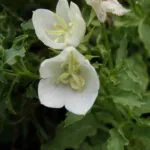 White Clips (Campanula carpatica ‘White Clips’)Campanula carpatica 'White Clips'
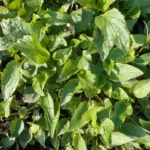 Spotted Bellflower (Campanula punctata) care guideCampanula punctata
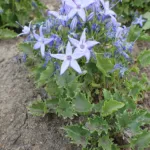 Campanula garganica care guideCampanula garganica
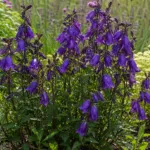 Campanula ‘Purple Sensation’Campanula 'Purple Sensation'