
 AI-generated illustration
Fairy-slipper Orchid (Calypso bulbosa) short overview
The Fairy-slipper Orchid is a tiny terrestrial orchid native to cool northern forests of North America, Europe, and Asia. In spring, each plant usually produces one nodding pink-to-purple flower above a solitary basal leaf. Its slipper-shaped lip is marked with yellow hairs that help attract bumblebee queens, although the flower offers no nectar reward. This delicate orchid depends on specialized soil fungi and is notoriously difficult to transplant or maintain in ordinary garden conditions.
Taxonomic classification
Fairy-slipper Orchid (Calypso bulbosa) care guide
Light and placement
Provide filtered light to deep woodland shade, ideally beneath conifers or deciduous canopy with cool soil and protection from hot afternoon sun. Morning or open north/east light can work if the root zone stays cool. Bleached foliage, scorched edges, or rapidly drying moss indicate excessive exposure; weak growth and failure to flower may indicate overly dense shade or heat stress.
Watering and humidity
Keep the substrate evenly and lightly moist during active growth, allowing excess water to drain freely. Water when the upper surface begins to dry rather than following a rigid schedule. Reduce watering after the leaf naturally declines, but do not let the corm become bone-dry. Use cool, low-salt water when possible and avoid wet, stagnant conditions.
Soil and growing medium
Use a cool, airy terrestrial-orchid substrate rich in leaf mold or other well-decomposed organic matter, with excellent drainage and stable moisture. Natural populations often occur on humus-rich hummocks, mossy forest duff, or calcareous soils. Avoid compacted, waterlogged media and avoid disturbing established mycorrhizal soil. A mildly acidic to neutral reaction is a reasonable cultivation target, although local populations may also occur over calcareous substrates.
Feeding
Do not feed heavily. In natural habitats the orchid grows in nutrient-poor forest litter and obtains part of its nutrition through fungal associations. If a legally propagated plant is successfully established in a container, use no fertilizer at first; later, a very dilute terrestrial-orchid fertilizer may be used sparingly during active growth, never on dry roots or during dormancy.
Growth and habit
A small, seasonally visible terrestrial orchid arising from a compact corm. The plant typically produces one leaf and one flower per season, with the leaf appearing before or around flowering and then declining afterward. It is slow to establish, sensitive to soil warming, and highly dependent on intact fungal and litter relationships.
Planting and repotting
Plant only legally propagated material and do not remove wild plants. If cultivated plants are available, establish them in early spring or during dormancy in a cool, shaded site. Keep the small underground corm just below the surface, preserve the surrounding moss and leaf-mold layer, and maintain even moisture without saturation. Space plants about 4–8 inches apart only when division is unavoidable.
Avoid routine repotting. Established plants have delicate roots and depend on associated soil fungi, so moving or dividing them can cause failure. If container cultivation is attempted, use a cool terrestrial-orchid mix and disturb the root zone as little as possible, preferably while dormant.
Propagation and pruning
Propagation
Seed propagation is biologically possible but highly specialized because dust-like orchid seeds contain little stored food and require suitable mycorrhizal fungi for establishment. Carefully separating corms is described for cultivated material, but division is risky and should not be attempted on wild plants. Propagation difficulty is high.
Pruning
No pruning is normally required. Leave the foliage in place after flowering so the plant can complete seasonal growth, and remove only fully dead material once it has naturally collapsed. Do not cut or rake aggressively around wild plants.
Overwintering
Cold outdoor conditions are part of its natural cycle, but plants need protection from repeated freeze-thaw, drying winds, and root disturbance. In containers, use an unheated cold frame or alpine house rather than a warm indoor room. Keep dormant media barely moist and shield pots from prolonged hard freezing.
Uses
Best suited to botanical study, native-orchid conservation, protected woodland interpretation, and specialist cool-house collections. It is not a practical culinary, medicinal, or general landscaping plant. Wild collection is inappropriate and may be illegal in some states because local populations can be rare or protected.
Appearance
The plant is recognized by its very small stature, solitary basal leaf, and single flower on a thin stem. The leaf is oval to nearly round, often heart-based, and may remain green through winter. The flower’s distinctive pouch has purple markings and a brush of yellow hairs, giving the bloom its fairy-slipper appearance.
Flowering
Usually one nodding, solitary flower is carried on each slender stem. The zygomorphic bloom has spreading pink-purple sepals and petals and a prominent pouch-shaped labellum with yellow hairs and purple markings. Flowering follows snowmelt or the onset of late spring, with timing shifting from March–July across the species’ broad U.S. range.
Pollination and visitors
The flowers are primarily pollinated by bumblebee queens, especially early-season visitors. The pouch and yellow hairs provide visual deception rather than a food reward, so visitation and fruit set can be low and variable. Documented studies describe bumblebee pollination and occasional self-fertilization, but the main reliable visitor group is bumblebees.
Calypso bulbosa photos
Click any photo for a larger view. Source, author and license are shown separately.
Diseases and pests
Diseases
Reliable species-specific disease guidance is limited. The main prevention measure is avoiding warm, stagnant, waterlogged media and minimizing root disturbance. Remove visibly rotting material only if necessary, improve drainage, and isolate affected cultivated plants; do not apply broad-spectrum treatments to wild populations.
Pests
Specific pest records are limited. Watch cultivated plants for slugs, snails, aphids, and root damage in overly wet media. Use physical exclusion and hand removal first, keep the planting area clean, and correct excess moisture. Avoid disturbing wild plants or applying pesticides in natural orchid habitat.
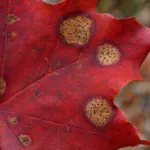
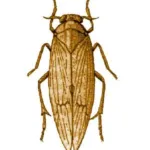
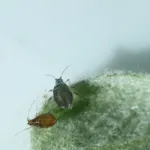
Related diseases and pests
Only Plant Doctor profiles whose host data indicate this plant may be affected are shown here.

Toxicity and pollen
No reliable authoritative evidence was located establishing human or domestic-animal toxicity for Calypso bulbosa. Because it is a rare wild orchid and identification can be confused with other plants, do not eat it or use it medicinally. Avoid collecting wild specimens and wash hands after handling potting media or decaying plant material.
- Typical season
- Flowering season; regional spring to midsummer
- Pollination / pollen
- Pollinia transferred by insect visitors
This is an insect-pollinated orchid, so its pollen is packaged into pollinia rather than freely released in large airborne clouds. That suggests low routine airborne exposure, but a species-specific clinical allergy assessment was not located; the pollen field is therefore marked unknown rather than assumed safe.
Native habitat
Native across subarctic and temperate regions of the Northern Hemisphere, including much of northern and western North America. In the United States it occurs in cool conifer forests, spruce-fir-cedar swamps, mossy hummocks, and some calcareous Great Lakes habitats. It favors shaded, cool soils, organic duff, and low competition rather than open, hot garden beds.
Interesting fact
The species is a food-deceptive orchid: bumblebee queens are attracted but receive no nectar or pollen reward. Its single leaf emerges in late summer or autumn, remains green through winter, and usually withers after flowering. The genus is monotypic in the broad traditional sense, while several varieties are recognized. Seeds are extremely small and rely on compatible fungi during establishment.
Frequently asked questions (FAQ)
The most relevant questions about this plant, with short and direct answers.
🌱Quick care
What is Calypso bulbosa called in the United States?⌄
Calypso bulbosa is commonly called the Fairy-slipper Orchid. It is a small, native terrestrial orchid in the Orchidaceae family and the only species in the genus Calypso.
Is the Fairy-slipper Orchid easy to grow?⌄
No, Calypso bulbosa is generally difficult to cultivate successfully. Its survival depends on specialized woodland conditions and compatible mycorrhizal fungi that are often absent from gardens and containers.
How much light does Calypso bulbosa need?⌄
Calypso bulbosa needs partial shade to deep shade, similar to the filtered light beneath a cool forest canopy. Protect it from hot afternoon sun and strong reflected heat.
How often should I water a Fairy-slipper Orchid?⌄
Keep the growing medium evenly moist but never saturated. Water when the surface begins to dry, while ensuring sharp drainage and avoiding prolonged standing water around the corm.
Is Calypso bulbosa cold hardy?⌄
Calypso bulbosa is cold hardy in suitable native climates and with locally adapted provenance. Its success depends more on cool, stable woodland conditions and proper dormancy than on cold tolerance alone.
🌤️Environment and placement
Where does Calypso bulbosa grow naturally?⌄
The Fairy-slipper Orchid grows in cool, shady forests, often beneath conifers or mixed woodland, in humus-rich soils containing decaying leaves and wood. Its North American range extends across much of Canada and the northern and mountainous United States.
Can I grow Calypso bulbosa indoors?⌄
Indoor cultivation is usually unsuccessful because ordinary houseplant conditions do not provide the cool seasonal cycle, woodland substrate, and fungal relationships this orchid needs. A controlled cool greenhouse or protected woodland site is more appropriate, though success is still uncertain.
Can Calypso bulbosa grow in a regular garden bed?⌄
It can survive only in a specialized woodland bed that stays cool, shaded, evenly moist, and rich in decaying organic matter. Ordinary amended garden soil, hot exposures, and disturbed planting sites are poor substitutes for its native habitat.
What soil is best for the Fairy-slipper Orchid?⌄
Use a cool, humus-rich terrestrial-orchid mix with sharp drainage and abundant leaf mold or decomposed woodland material. Avoid heavy clay, fresh manure, sterile potting soil, and media that remain waterlogged.
Does Calypso bulbosa need mycorrhizal fungi?⌄
Yes, mycorrhizal fungi are essential for seed germination and are important to the plant’s establishment and long-term health. The specific fungal partners may not be present in commercial orchid media, which is a major reason cultivation and transplantation often fail.
💧Care and problems
Why is my Calypso bulbosa wilting?⌄
Wilting can result from root or corm damage, excessive heat, drying, waterlogged soil, or loss of its fungal partners. Check the site for overheating and poor drainage, but avoid repeatedly disturbing the plant because its roots are fragile.
Why did my Fairy-slipper Orchid disappear after flowering?⌄
Calypso bulbosa naturally becomes dormant after its short growing season, and the leaf may wither during summer. If the corm remains healthy, the plant may return the following season, so do not dig it up to investigate.
Should I fertilize Calypso bulbosa?⌄
Routine fertilizing is not recommended for wild-collected or newly established plants. In a suitable woodland soil, natural leaf litter and fungal relationships are more appropriate than concentrated fertilizer, which can damage roots or disrupt the soil community.
How do I protect Calypso bulbosa from slugs and other pests?⌄
Reduce pest pressure by maintaining clean, well-drained shade and checking plants during cool, wet weather. Avoid harsh treatments near the corm and roots, because this orchid is sensitive to disturbance and chemical stress.
🪴Planting and repotting
When should I plant a Fairy-slipper Orchid?⌄
If legally propagated nursery material is available, plant it during cool, dormant or early-season conditions appropriate to your region. Do not collect plants from the wild, and confirm that any seller provides legitimate, nursery-propagated stock.
Can I transplant Calypso bulbosa from the wild?⌄
Wild transplantation is strongly discouraged because the orchid is easily damaged and usually depends on its original soil fungi and habitat structure. Digging, picking, and trampling can kill plants or harm vulnerable local populations, and collection may be restricted by law.
How deep should I plant Calypso bulbosa corms?⌄
There is no reliably established universal planting depth for this difficult species. If legally propagated corms are offered with supplier instructions, follow those directions exactly and preserve the associated woodland substrate rather than using a generic bulb-planting method.
✂️Propagation and pruning
How is Calypso bulbosa propagated?⌄
The Fairy-slipper Orchid reproduces by seed and by development of new underground corms. Seed propagation is highly specialized because the tiny seeds require compatible mycorrhizal fungi, while division and transplanting are rarely dependable.
Can I grow Calypso bulbosa from seed?⌄
Growing it from seed is possible in specialized conservation or laboratory settings but is not a practical home-gardening project. Germination depends on suitable fungi, and seed viability and establishment can be inconsistent.
Can I divide a Fairy-slipper Orchid?⌄
Division is not a dependable propagation method for Calypso bulbosa and can destroy the delicate root-and-fungus relationship. Leave established plants undisturbed unless a qualified conservation or specialist nursery program provides a documented method.
Should I prune Calypso bulbosa after flowering?⌄
Do not prune the green leaf after flowering because it helps the plant develop and replenish its underground corm. Remove only fully dead material, and do so gently without disturbing the soil.
⚠️Toxicity and safety
Is Calypso bulbosa poisonous to people or pets?⌄
The toxicity of Calypso bulbosa is not well established, so do not ingest the flowers, leaves, corms, or seeds. Keep children and pets from chewing the plant, and seek medical or veterinary advice if ingestion occurs.
Can I pick Fairy-slipper Orchid flowers?⌄
No, you should not pick them. Pulling the flower stem can damage the plant’s delicate roots and corm, and collecting or disturbing wild orchids may violate local land-management or conservation rules.
🌸Flowering and special interest
When does Calypso bulbosa bloom?⌄
Calypso bulbosa usually blooms in spring, commonly from March through June, with timing varying by latitude and elevation. Some western or high-elevation populations may flower later, into July or August.
How long do Fairy-slipper Orchid flowers last?⌄
The flowers are short-lived and appear briefly during the spring growing season. Their duration varies with weather, pollination, and site conditions, so avoid handling the plant while it is in bloom.
What does a Fairy-slipper Orchid flower look like?⌄
The solitary flower is usually pink, purple, or reddish-purple, with a prominent scoop-shaped lower lip marked by contrasting spots and hairs. A single basal leaf accompanies the flower on a short reddish stem.
Why is my Calypso bulbosa not flowering?⌄
A plant may fail to flower because it is too young, stressed, dormant, lacking suitable fungal partners, or growing in conditions that are too warm, dry, bright, or disturbed. Do not increase fertilizer or repeatedly replant it, since those responses can worsen the problem.
How is Calypso bulbosa pollinated?⌄
The Fairy-slipper Orchid is pollinated by bumblebees and cannot reliably self-pollinate. Poor pollination can limit seed production even when flowers appear healthy.
Similar plants
 Azure Monkshood (Aconitum carmichaelii) care guideAconitum carmichaelii
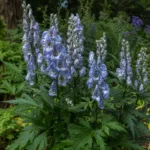 Monkshood (Aconitum ‘Stainless Steel’)Aconitum 'Stainless Steel'
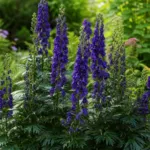 Monkshood (Aconitum ‘Bressingham Spire’)Aconitum 'Bressingham Spire'
 Golden full moon maple (Acer shirasawanum ‘Aureum’)Acer shirasawanum 'Aureum'
 Globosum (Acer platanoides ‘Globosum’)Acer platanoides 'Globosum'
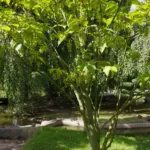 Striped maple (Acer pensylvanicum) care guideAcer pensylvanicum