
 Source:
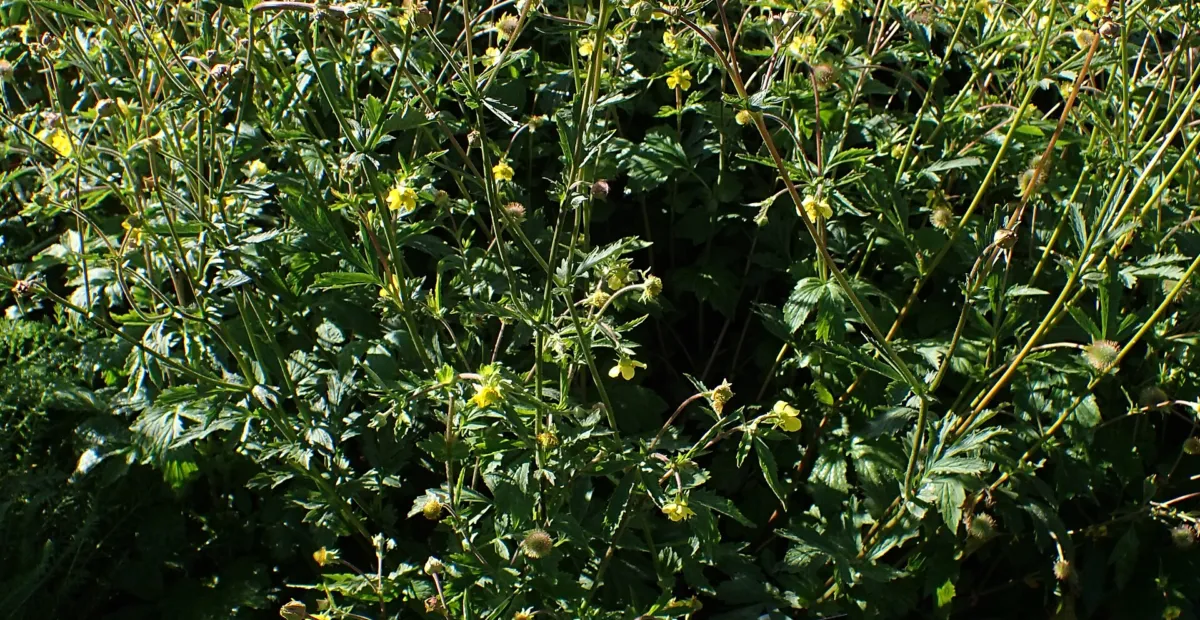
 Yellow Avens (Geum aleppicum) short overview
Yellow avens is a tall, herbaceous perennial of moist meadows, stream banks, floodplain woods, swamps, clearings, and roadsides across much of the temperate Northern Hemisphere. It produces open, bright-yellow flowers in summer above hairy, pinnately divided foliage. In gardens, it suits naturalistic plantings and rain-friendly borders where the soil remains evenly moist but drains adequately. Its hooked, bristled fruiting styles are useful identification features.
Taxonomic classification
Yellow Avens (Geum aleppicum) care guide
Light and placement
Grow Yellow Avens in full sun where the soil stays moist, or give it partial shade in hot-summer regions. Morning sun with afternoon protection is useful in the South and in drying sites. Sparse, floppy growth and reduced flowering can indicate insufficient light; scorched foliage and rapid wilting suggest excessive heat combined with inadequate moisture.
Watering and humidity
Water deeply when the upper inch of soil begins to dry, and do not allow newly planted divisions or seedlings to dry out. Maintain more consistent moisture during flowering and hot weather. In naturally wet ground, improve drainage rather than leaving roots stagnant. Reduce watering after dormancy unless winter conditions are unusually dry.
Soil and growing medium
Use fertile loam amended with organic matter, but avoid dense, permanently waterlogged soil. A moisture-retentive structure helps sustain summer growth while adequate drainage prevents crown problems. The species tolerates a broad pH range, from slightly acidic through slightly alkaline conditions, so routine liming or acidification is usually unnecessary.
Feeding
In spring, top-dress established plants with compost or use a balanced, slow-release perennial fertilizer at label strength. Avoid high-nitrogen feeding, which can encourage soft stems and foliage at the expense of sturdy flowering. Do not fertilize drought-stressed, newly divided, or dormant plants until active growth resumes.
Growth and habit
Yellow Avens forms an upright clump of leafy, often hairy stems and may broaden gradually where conditions are favorable. It can self-sow after flowering if seed heads are left in place. Remove unwanted seedlings while young, or cut back spent stems before seed dispersal when a tidier or less naturalized planting is preferred.
Planting and repotting
Plant in spring after the soil can be worked, or in early fall at least several weeks before hard frost. Set the crown at the same depth as it grew in its container or nursery bed. Keep seedlings and divisions evenly moist during establishment, and mulch lightly without covering the crown.
For container culture, use a moisture-retentive but well-drained loam-based mix and a pot with drainage holes. Repot or divide in spring when growth begins, or after flowering in early fall. Move the plant only slightly deeper than its previous level, keeping the crown free of wet mix.
Propagation and pruning
Propagation
Propagate by seed or division. Sow fresh seed in fall or provide a period of cool, moist stratification before spring sowing; germination may be uneven. Divide established clumps in spring or early fall, ensuring each division has viable roots and crown buds. Keep divisions consistently moist until rooted.
Pruning
Cut flowering stems back after seed dispersal if self-sowing is unwanted. In naturalistic plantings, leave some stems through winter for structure and wildlife interest, then remove old growth in late winter or early spring before new shoots expand. Avoid cutting into the crown.
Overwintering
This is an outdoor hardy perennial across much of the northern United States. After frost, allow stems to remain or cut them back once dormant. A light winter mulch can reduce heaving in exposed sites, but remove or thin it in spring so the crown does not stay excessively wet.
Uses
Useful in moist perennial borders, rain gardens with good drainage, naturalistic meadow plantings, streamside gardens, and lightly shaded woodland edges. It is primarily an ornamental and ecological plant. Do not use it as food or medicine without authoritative species-level guidance and correct identification.
Appearance
The plant has hairy stems, basal leaves that are interruptedly pinnate with several larger and smaller leaflets, and smaller pinnate to three-lobed stem leaves. Open yellow flowers rise above the foliage. Fruiting heads develop hooked, jointed styles with basal bristles, a useful feature for distinguishing it from similar avens.
Flowering
The erect flowers are usually arranged in small, branched clusters and have five spreading yellow petals, a green calyx, conspicuous bractlets, and numerous stamens. Flowering is typically a summer event in the United States, with timing shifting earlier in warmer regions and later at high elevations or in northern climates.
Pollination and visitors
The open, pollen-rich flowers are accessible to a range of small insects, including bees, bumblebees, hoverflies, and some beetles. The species can contribute to mixed native or naturalistic plantings, although it is not generally documented as a specialist host or exclusive food source for one pollinator species.
Geum aleppicum photos
Click any photo for a larger view. Source, author and license are shown separately.
Diseases and pests
Diseases
Poor drainage and crowded, constantly wet crowns may promote root or crown rots. Prevent problems with porous soil, adequate spacing, careful watering, and removal of collapsed foliage. Improve air movement and avoid overhead irrigation when leaves remain wet for long periods.
Pests
No major species-specific pest problem is consistently documented. Inspect new growth for aphids, leaf-chewing insects, or slug damage, especially in lush, damp plantings. Start with hand removal, water sprays, sanitation, and habitat management before considering a targeted product.
Related diseases and pests
Only Plant Doctor profiles whose host data indicate this plant may be affected are shown here.

Toxicity and pollen
Reliable species-specific human and companion-animal toxicity information was not found in the sources reviewed. Do not assume edibility or safety from the plant’s membership in Rosaceae. Prevent children and pets from chewing unidentified plant material, and seek medical or veterinary advice after a significant exposure.
- Typical season
- Usually June–August in the United States
- Pollination / pollen
- Insect-carried pollen released from open flowers
Yellow Avens has insect-pollinated flowers, so its pollen is not typically dispersed in large airborne clouds like wind-pollinated grasses or trees. Sensitive people can still react to pollen or plant contact, and the absence of strong allergy reports should not be interpreted as proof of zero risk.
Native habitat
Yellow Avens occurs in moist meadows, floodplain forests, stream banks, alluvial thickets, swamps, forest clearings, ditches, and roadsides. It prefers soils that retain moisture during the growing season and is found from lowlands to montane sites, with records extending to roughly 8,500 feet in western North America.
Interesting fact
The accepted species includes North American plants historically treated under names such as Geum strictum and Geum aleppicum subsp. strictum. Its fruiting styles are jointed, hooked, and bristled near the base. It can hybridize with water avens, Geum rivale, where their ranges overlap. Identification can be difficult because it resembles other large-leaved avens.
Frequently asked questions (FAQ)
The most relevant questions about this plant, with short and direct answers.
🌱Quick care
What is Geum aleppicum called in the United States?⌄
Geum aleppicum is commonly called Yellow Avens, a cold-hardy herbaceous perennial in the rose family, Rosaceae. It is also known scientifically as an avens species.
Is Yellow Avens a perennial?⌄
Yes, Yellow Avens is a long-lived herbaceous perennial. It regrows from its underground rhizome after winter and can persist for years in suitable moist soil.
How much sun does Yellow Avens need?⌄
Yellow Avens grows well in full sun to partial shade. In hotter parts of the United States, afternoon shade can help prevent the soil from drying too quickly.
How often should I water Geum aleppicum?⌄
Water Yellow Avens often enough to keep the soil evenly moist but not waterlogged. It needs more frequent watering during hot, dry weather and less when rainfall is regular.
Is Yellow Avens easy to grow?⌄
Yes, Yellow Avens is generally easy to grow when planted in moist, fertile, well-drained soil. It is less suitable for dry, compacted, or persistently waterlogged locations.
🌤️Environment and placement
Where does Geum aleppicum grow naturally?⌄
Yellow Avens naturally occurs in moist woodlands, stream margins, damp thickets, wet meadows, alluvial areas, and other sites with consistently available moisture. It is broadly distributed across much of temperate North America and Eurasia.
What soil is best for Yellow Avens?⌄
The best soil is fertile, organic-rich, moist, and well drained, especially a loam. Avoid sites that become stagnant and anaerobic or that dry completely for long periods.
Can Yellow Avens grow in wet soil?⌄
Yellow Avens tolerates moist conditions and can grow near streams, wet meadows, and other damp habitats. It still performs best where excess water can drain rather than remain permanently pooled around the roots.
Can Geum aleppicum grow in shade?⌄
Yes, Yellow Avens tolerates partial shade and naturally occurs in moist woodland settings. Flowering is usually stronger with several hours of direct sun, provided the soil remains moist.
What USDA hardiness zones can grow Yellow Avens?⌄
Yellow Avens is broadly reported as hardy in cold climates, commonly around USDA Zones 3 through 7. Exact performance can vary with the local population, winter moisture, summer heat, and site conditions.
How tall does Yellow Avens get?⌄
Yellow Avens commonly grows about 2 to 3 feet tall, though height varies by habitat and growing conditions. Plants may become taller in rich, moist soil and more compact in exposed or drier sites.
💧Care and problems
Why is my Yellow Avens wilting?⌄
Wilting usually indicates insufficient soil moisture, heat stress, transplant shock, or root damage. Check the soil several inches below the surface and improve watering consistency without leaving the plant in standing water.
Why is Geum aleppicum not flowering?⌄
Yellow Avens may fail to flower because of excessive shade, drought stress, poor establishment, or excessive nitrogen. Move or thin surrounding plants if needed and keep the soil evenly moist during the growing season.
Does Yellow Avens need fertilizer?⌄
Yellow Avens usually needs little fertilizer when grown in fertile soil enriched with compost. If growth is weak, a soil test is preferable to routine feeding because excessive nitrogen can produce foliage at the expense of flowers.
What pests affect Yellow Avens?⌄
Specific pest problems are not well documented for Geum aleppicum, but slugs, snails, aphids, and leaf-chewing insects may occasionally feed on avens. Inspect plants regularly and address only confirmed infestations.
What diseases affect Geum aleppicum?⌄
Disease pressure is usually limited when Yellow Avens has good air circulation and well-drained soil. Persistent leaf spotting, crown rot, or decline is more likely where foliage stays wet or roots remain waterlogged.
🪴Planting and repotting
When should I plant Yellow Avens in the United States?⌄
Plant Yellow Avens in spring after the ground can be worked or in early fall several weeks before the soil freezes. Spring planting is preferable in colder regions or where fall establishment time is short.
How do I plant Geum aleppicum?⌄
Plant Yellow Avens at the same depth as it was growing in its container, firm the soil gently, and water thoroughly. Space plants about 18 to 24 inches apart to allow mature clumps and airflow.
Can Yellow Avens be grown in containers?⌄
Yes, Yellow Avens can be grown in a container that has drainage holes and enough depth for its rhizomatous root system. Use a moisture-retentive but well-drained potting mix and monitor containers closely during hot weather.
✂️Propagation and pruning
How do you propagate Yellow Avens from seed?⌄
Sow Yellow Avens seeds in a moist, finely textured medium and cover them lightly. A cold, moist stratification period of about 60 days is commonly recommended, and germination may occur roughly 12 days after suitable sowing conditions are provided.
Can Geum aleppicum be propagated by division?⌄
Division is a reasonable way to multiply established Yellow Avens clumps, although species-specific guidance is less documented than seed propagation. Divide in spring or early fall, keeping roots and growing points attached to each section.
Does Yellow Avens self-seed?⌄
Yellow Avens can produce conspicuous heads of hooked or beaked achenes that may disperse near the parent plant. Whether it becomes abundant depends on moisture, soil disturbance, and local growing conditions.
When should I collect Yellow Avens seeds?⌄
Collect Yellow Avens seeds after flowering when the fruiting heads are mature and dry but before most seeds disperse. Store clean, dry seed in a cool place, and use cold, moist stratification if germination is poor.
Should I deadhead Yellow Avens?⌄
Deadhead Yellow Avens to reduce volunteer seedlings and improve garden tidiness. Leave some mature seedheads if you want natural reseeding or are maintaining a wildlife-oriented planting.
Should Yellow Avens be cut back in fall?⌄
Cut Yellow Avens back after the foliage has declined or in late winter before new growth begins. Leaving some stems through winter can provide habitat and helps protect the crown in colder gardens.
⚠️Toxicity and safety
Is Yellow Avens toxic to people or pets?⌄
The toxicity of Geum aleppicum has not been firmly established, so it should not be treated as edible or medicinal without authoritative species-specific guidance. Keep plant material away from children and pets and contact a poison-control service if ingestion causes symptoms.
Are Yellow Avens leaves edible?⌄
Edibility claims for Yellow Avens are not sufficiently consistent or well established for a general food recommendation. Do not consume the leaves unless the plant has been positively identified and a reliable local authority specifically confirms safe preparation and use.
🌸Flowering and special interest
When does Yellow Avens bloom?⌄
Yellow Avens generally blooms from late spring into summer, with timing varying by latitude, elevation, and weather. Its flowers are typically yellow and borne on upright, branching stems.
What do Yellow Avens flowers look like?⌄
Yellow Avens produces small, saucer-shaped yellow flowers with five or more petals and numerous stamens. After flowering, it forms rounded clusters of long-beaked achenes that can remain ornamental.
Does Yellow Avens attract pollinators?⌄
The open yellow flowers of Yellow Avens provide accessible pollen and nectar to visiting insects. It can be included in a native or wildlife garden, although species-specific pollinator data are limited.
What is the difference between Yellow Avens and Water Avens?⌄
Yellow Avens, Geum aleppicum, typically has distinctly yellow petals and a green calyx, while Water Avens, Geum rivale, commonly has nodding flowers with purplish or pinkish tones. Moist habitat alone is not enough for reliable identification.
Similar plants
 Azure Monkshood (Aconitum carmichaelii) care guideAconitum carmichaelii
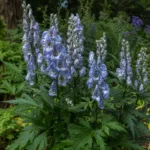 Monkshood (Aconitum ‘Stainless Steel’)Aconitum 'Stainless Steel'
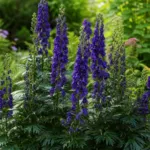 Monkshood (Aconitum ‘Bressingham Spire’)Aconitum 'Bressingham Spire'
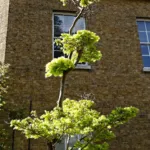 Golden full moon maple (Acer shirasawanum ‘Aureum’)Acer shirasawanum 'Aureum'
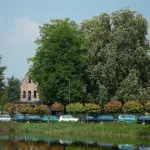 Globosum (Acer platanoides ‘Globosum’)Acer platanoides 'Globosum'
 Striped maple (Acer pensylvanicum) care guideAcer pensylvanicum