
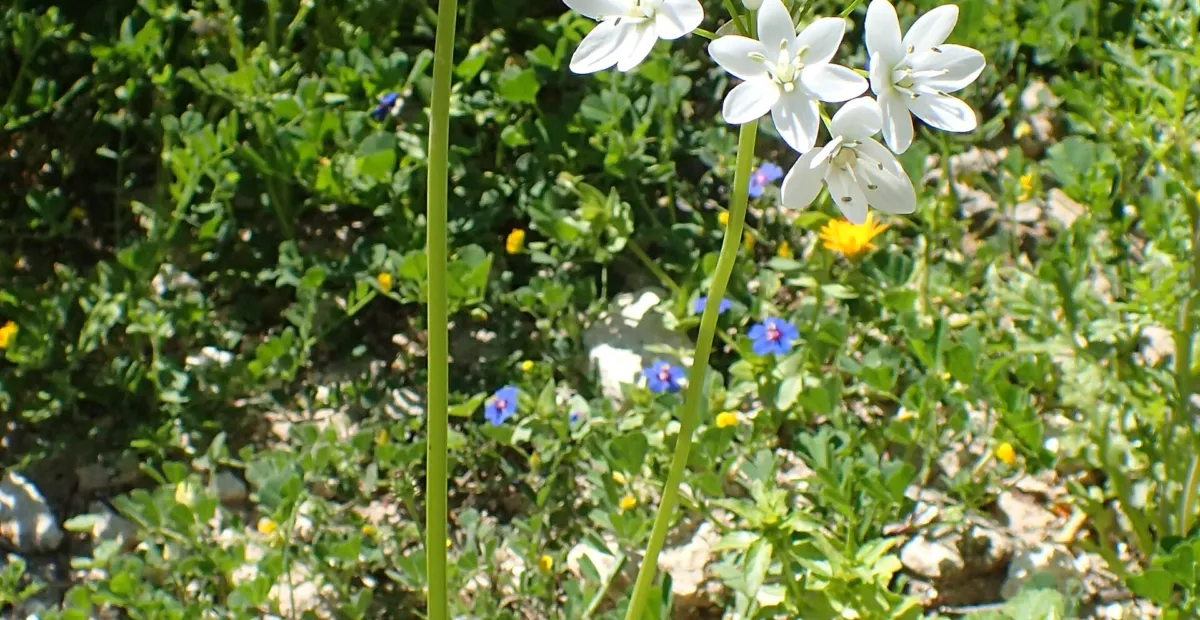
 Source:
 Allium neapolitanum short overview
Allium neapolitanum is a Mediterranean bulbous perennial grown for its airy spring umbels of small, white, six-parted flowers. The narrow basal leaves often carry a mild onion or garlic scent when bruised, while the flowers are lightly fragrant and attractive to bees and butterflies. It performs best in well-drained soil with sun or light shade, and can naturalize by offsets and seed in suitable climates. In the United States, it may spread beyond intended planting areas in some regions.
Taxonomic classification
Allium neapolitanum care guide
Light and placement
Give full sun for the strongest flowering, with light afternoon shade acceptable in hot climates. A south- or west-facing bed works well where summers are moderate; in hotter regions, morning sun with afternoon protection can reduce heat stress. Sparse flowering and stretched scapes suggest insufficient light, while scorched foliage or rapidly drying containers indicate excessive heat or reflected exposure.
Watering and humidity
Water thoroughly when the upper few inches of soil begin to dry during active growth, then allow excess water to drain. Keep moisture more consistent from emergence through flowering, reduce watering as foliage yellows, and keep dormant bulbs relatively dry. Average outdoor humidity is adequate; extra misting is unnecessary and can encourage disease.
Soil and growing medium
Use moderately fertile, sharply drained soil, preferably sandy or loamy with some organic matter. The plant tolerates rocky ground and a range from slightly acidic to slightly alkaline conditions, but persistent winter wet is more damaging than modest fertility. Raised beds, slopes and gritty container mixes are useful where clay remains wet.
Feeding
Apply a modest balanced bulb fertilizer or a thin layer of compost when growth begins in late winter or early spring. Avoid heavy nitrogen feeding, which can produce lush foliage at the expense of flowering and may increase disease susceptibility. Do not fertilize during summer dormancy or when soil is waterlogged.
Growth and habit
Growth is seasonal: leaves emerge during the cool growing period, flowering follows, and the plant usually retreats toward summer dormancy after seed and bulb development. Offsets can gradually form expanding clumps. Let foliage yellow naturally after flowering so the bulbs can replenish reserves for the next season.
Planting and repotting
Plant bulbs in fall, generally 3–4 inches deep and about 3–4 inches apart in ordinary garden soil. Set bulbs with the pointed end upward, firm the soil gently and water once to settle them. Allow extra room if naturalizing is desired, but remove developing seed capsules where spread must be limited.
Repot container-grown bulbs when the foliage has died back or in early fall, using a container with drainage holes and a gritty, well-drained mix. Handle dormant bulbs carefully and replant at the same depth. Divide crowded offsets during dormancy rather than disturbing plants in active growth.
Propagation and pruning
Propagation
Propagate by separating bulb offsets after the foliage has matured and entered dormancy, or by sowing fresh seed. Seed-grown plants require more time to flower and may vary in establishment. Remove unwanted seed capsules if self-sowing is undesirable.
Pruning
Do not cut green leaves after flowering; allow them to yellow and dry naturally so the bulb can rebuild reserves. Remove spent flower heads before seed maturation if self-sowing is unwanted. Once foliage is fully dormant, clear the dry remains or leave them briefly as a marker until the next emergence.
Overwintering
In USDA Zones 7–10, bulbs can usually remain outdoors in well-drained soil. In colder or poorly drained sites, add a light winter mulch and protect bulbs from prolonged freezing and wetness, or lift and store them dry after foliage dies back. Container bulbs are more exposed to cold and should be sheltered in a cool, dry location.
Uses
Useful as a spring bulb for borders, rock gardens, woodland edges, naturalized plantings and containers. Its white umbels provide ornamental contrast and offer documented value to bees and butterflies. Because it can multiply by offsets and seed, use it cautiously near sensitive natural areas and remove seed heads where containment matters.
Appearance
The plant grows from a small bulb and produces narrow, flat, basal leaves with a green to glaucous cast. Slender, slightly winged scapes rise above the foliage and carry loose umbels. Flowers are white, six-parted and star-like, often with yellow anthers and a darker central midrib; bruised foliage may smell of onion or garlic.
Flowering
The plant produces a loose, somewhat flat-topped umbel of roughly 12–15 small flowers on slender scapes. Buds may show purple tones before opening white, and the flowers have six segments with darker midribs and yellow anthers. In Mediterranean climates bloom is usually in spring; United States timing varies with winter temperatures and latitude.
Pollination and visitors
Extension guidance documents visits from bees and butterflies. The open, star-shaped flowers are presented in a loose umbel, giving small insect visitors access to the floral structures. No single pollinating species is assigned here because the available evidence supports visitor groups rather than one reliably documented species.
Allium neapolitanum photos
Click any photo for a larger view. Source, author and license are shown separately.
Diseases and pests
Diseases
Good drainage is the main preventive measure against bulb rots and basal decay. Remove diseased bulbs, avoid planting in waterlogged soil and do not overwater dormant clumps. Viral symptoms such as streaking or distorted growth are best managed by removing affected plants and controlling sap-feeding pests.
Pests
Watch for onion thrips, aphids and bulb-feeding pests, especially where plants are stressed. Encourage airflow, avoid excess nitrogen and remove badly infested foliage. Inspect stored or newly purchased bulbs for soft spots, mold and tunneling before planting.
Related diseases and pests
Only Plant Doctor profiles whose host data indicate this plant may be affected are shown here.
 PestOnion thripsThrips tabaci Lindeman
 PestMelon thripsThrips palmi Karny
 PestChilli thripsScirtothrips dorsalis Hood
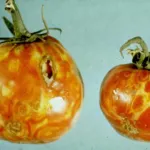 DiseaseTomato spotted wilt virusOrthotospovirus tomatomaculae (tomato spotted wilt virus; TSWV)
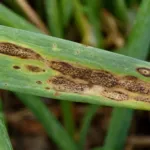 DiseaseStemphylium Leaf BlightStemphylium vesicarium (Wallr.) E.G. Simmons
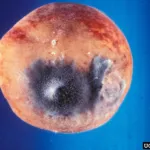 DiseaseRhizopus soft rotRhizopus stolonifer
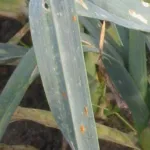 DiseaseAllium rustPuccinia allii
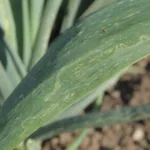 PestAllium leafminerPhytomyza gymnostoma Loew
Toxicity and pollen
Allium neapolitanum is listed by North Carolina Extension as having low-severity poisonous characteristics. Ingestion of bulbs, bulblets, leaves, flowers, stems, fruits, roots or seeds may cause gastrointestinal upset such as nausea, vomiting or diarrhea. Keep planting material away from children and pets and do not treat it as an edible onion or garlic substitute without expert identification.
- Typical season
- Spring, generally March–June depending on region
- Pollination / pollen
- Insect-dispersed pollen; not typically windborne
This is an insect-pollinated bulb, so its pollen is generally less readily airborne than pollen from wind-pollinated plants. It should not be treated as allergy-free: flowering plants can still affect sensitive people through direct contact or localized exposure. The low rating reflects limited airborne dispersal evidence, not a guarantee of no symptoms.
Native habitat
The species is native to Mediterranean environments and occurs in disturbed ground, gardens, roadsides, meadows, vineyards, woodland clearings and other relatively sheltered sites. It favors fresh to moderately moist soils in climates with a cool growing season and a drier dormant period, although cultivated plants tolerate a broader range when drainage is good.
Interesting fact
The species forms many bulbils around the parent bulb, helping clumps expand. Its flower buds can be purple-tinged before opening white. The epithet neapolitanum refers to Naples, although the species is distributed more broadly around the Mediterranean. Bruised foliage can release a characteristic onion or garlic odor.
Frequently asked questions (FAQ)
The most relevant questions about this plant, with short and direct answers.
🌱Quick care
What is Allium neapolitanum?⌄
Allium neapolitanum is a small, spring-flowering bulbous perennial in the Amaryllidaceae family. It is native to the Mediterranean region and is commonly known in the United States as Naples garlic, daffodil garlic, or white garlic. ([plants.ces.ncsu.edu](https://plants.ces.ncsu.edu/plants/allium-neapolitanum/common-name/naples-garlic/))
Is Allium neapolitanum easy to grow?⌄
Yes, Allium neapolitanum is generally easy to grow when planted in well-drained soil with adequate sunlight. It has low maintenance needs but can spread by offsets and seed in favorable climates. ([plants.ces.ncsu.edu](https://plants.ces.ncsu.edu/plants/allium-neapolitanum/common-name/naples-garlic/))
🌤️Environment and placement
How much sunlight does Allium neapolitanum need?⌄
Allium neapolitanum grows best in full sun, meaning at least 6 hours of direct sunlight daily. It can tolerate light shade, although reduced light may produce weaker growth or fewer flowers. ([plants.ces.ncsu.edu](https://plants.ces.ncsu.edu/plants/allium-neapolitanum/common-name/naples-garlic/))
Can Allium neapolitanum grow in shade?⌄
Allium neapolitanum can tolerate light shade, but full sun is preferable for compact growth and reliable flowering. Avoid dense shade and persistently damp locations. ([plants.ces.ncsu.edu](https://plants.ces.ncsu.edu/plants/allium-neapolitanum/common-name/naples-garlic/))
What soil is best for Allium neapolitanum?⌄
Use well-drained sandy, loamy, or similarly porous soil for Allium neapolitanum. Heavy or poorly drained soil increases the risk of bulb rot. ([plants.ces.ncsu.edu](https://plants.ces.ncsu.edu/plants/allium-neapolitanum/common-name/naples-garlic/))
💧Care and problems
How often should I water Allium neapolitanum?⌄
Water Allium neapolitanum moderately while it is actively growing, allowing the soil to dry somewhat between waterings. Reduce watering after the foliage dies back because the dormant bulbs are vulnerable to rot in wet soil. ([plants.ces.ncsu.edu](https://plants.ces.ncsu.edu/plants/allium-neapolitanum/common-name/naples-garlic/))
Is Allium neapolitanum drought tolerant?⌄
Established Allium neapolitanum has good drought tolerance, especially in well-drained soil. Provide regular moisture during active growth and avoid prolonged dryness immediately after planting. ([plants.ces.ncsu.edu](https://plants.ces.ncsu.edu/plants/allium-neapolitanum/common-name/naples-garlic/))
Why is my Allium neapolitanum bulb rotting?⌄
The most likely cause is excess moisture combined with poor drainage. Move bulbs to porous soil, avoid frequent irrigation during dormancy, and discard bulbs that are soft or visibly decayed. ([plants.ces.ncsu.edu](https://plants.ces.ncsu.edu/plants/allium-neapolitanum/common-name/naples-garlic/))
What pests affect Allium neapolitanum?⌄
Allium neapolitanum usually has few serious pest problems, but bulb mites can occur. Healthy bulbs, good drainage, and avoiding damaged planting material help reduce problems. ([plants.ces.ncsu.edu](https://plants.ces.ncsu.edu/plants/allium-neapolitanum/common-name/naples-garlic/))
Is Allium neapolitanum resistant to deer and rabbits?⌄
Yes, Allium neapolitanum is generally resistant to deer and rabbits because of its onion-like aroma and sulfur compounds. Resistance is not an absolute guarantee if other food sources are scarce. ([plants.ces.ncsu.edu](https://plants.ces.ncsu.edu/plants/allium-neapolitanum/common-name/naples-garlic/))
🪴Planting and repotting
When should I plant Allium neapolitanum bulbs?⌄
Plant Allium neapolitanum bulbs in fall, before the ground freezes, so they can establish roots before winter. In mild climates, planting can also be possible in early winter if the soil remains workable.
How deep should Allium neapolitanum bulbs be planted?⌄
Plant Allium neapolitanum bulbs with the pointed end upward and cover them with soil to a depth of roughly 2 to 3 times the bulb’s height. Exact depth depends on bulb size and soil drainage.
Can Allium neapolitanum be grown in containers?⌄
Yes, Allium neapolitanum can be grown in containers with drainage holes and a free-draining potting mix. Water carefully and protect the container from severe winter cold because container bulbs are less insulated than bulbs in the ground.
How much space does Allium neapolitanum need?⌄
Allow about 6 to 12 inches between Allium neapolitanum bulbs, depending on whether you want individual clumps or a dense display. Mature plants commonly spread about 1 to 2 feet through offsets. ([plants.ces.ncsu.edu](https://plants.ces.ncsu.edu/plants/allium-neapolitanum/common-name/naples-garlic/))
Can Allium neapolitanum naturalize in a garden?⌄
Yes, Allium neapolitanum can naturalize by producing bulb offsets and seeds. Monitor spreading because it is considered weedy or potentially invasive in some regions, including parts of the United States. ([plants.ces.ncsu.edu](https://plants.ces.ncsu.edu/plants/allium-neapolitanum/common-name/naples-garlic/))
✂️Propagation and pruning
How do you propagate Allium neapolitanum?⌄
Allium neapolitanum can be propagated from seed or by separating offsets from established bulbs. Separating offsets is usually the quicker way to produce flowering-size plants, while seedlings may take longer to mature. ([plants.ces.ncsu.edu](https://plants.ces.ncsu.edu/plants/allium-neapolitanum/common-name/naples-garlic/))
When can I divide Allium neapolitanum bulbs?⌄
Divide Allium neapolitanum after flowering, once the foliage begins to yellow and the plant enters dormancy. Lift the clump carefully, separate healthy offsets, and replant them promptly in well-drained soil.
Should I cut back Allium neapolitanum after flowering?⌄
Do not cut the leaves while they are still green because they replenish the bulb for the following season. Remove spent flower heads if you want to limit self-seeding, then trim yellow or fully dried foliage.
⚠️Toxicity and safety
Is Allium neapolitanum poisonous to humans?⌄
Yes, Allium neapolitanum has low-severity poisonous characteristics if ingested, and all parts may cause symptoms such as nausea, vomiting, or diarrhea. Keep bulbs, leaves, flowers, and seeds away from children and do not eat the plant without qualified guidance. ([plants.ces.ncsu.edu](https://plants.ces.ncsu.edu/plants/allium-neapolitanum/common-name/naples-garlic/))
Is Allium neapolitanum poisonous to dogs or cats?⌄
Treat Allium neapolitanum as unsafe for dogs, cats, and other pets to ingest because it is an Allium species with potentially toxic sulfur compounds. Contact a veterinarian or animal poison service promptly if a pet eats any part of the plant.
Can you eat Allium neapolitanum?⌄
Although some references list the leaves, bulbs, or bulblets as edible, Allium neapolitanum also has documented poisonous characteristics. It is safest to grow it as an ornamental and avoid eating any part unless an expert has confirmed the identification and advised on safe use. ([plants.ces.ncsu.edu](https://plants.ces.ncsu.edu/plants/allium-neapolitanum/common-name/naples-garlic/))
Is Allium neapolitanum invasive in the United States?⌄
Allium neapolitanum has naturalized in parts of the United States and is considered invasive or weedy in some areas. Check your state or county invasive-plant guidance before planting it outdoors, and remove seed heads if limiting spread is important. ([plants.ces.ncsu.edu](https://plants.ces.ncsu.edu/plants/allium-neapolitanum/common-name/naples-garlic/))
🌸Flowering and special interest
When does Allium neapolitanum bloom?⌄
Allium neapolitanum usually blooms in spring to early summer, with regional timing commonly extending from May into June. The flowers are white, star-shaped, and held in rounded clusters with yellow anthers. ([plants.ces.ncsu.edu](https://plants.ces.ncsu.edu/plants/allium-neapolitanum/common-name/naples-garlic/))
What do Allium neapolitanum flowers look like?⌄
The flowers are small, white, six-parted stars arranged in clusters about 3 to 4 inches across. Their yellow anthers provide a contrasting center, and the blooms are suitable for cutting. ([plants.ces.ncsu.edu](https://plants.ces.ncsu.edu/plants/allium-neapolitanum/common-name/naples-garlic/))
Why is my Allium neapolitanum not flowering?⌄
Insufficient sunlight, immature bulbs, overcrowding, or foliage removed too early can reduce flowering. Give the plants full sun, maintain good drainage, and allow the leaves to yellow naturally after bloom.
Does Allium neapolitanum attract pollinators?⌄
Yes, the flowers of Allium neapolitanum attract bees and butterflies. Planting several bulbs together creates a more useful and visible spring nectar source. ([plants.ces.ncsu.edu](https://plants.ces.ncsu.edu/plants/allium-neapolitanum/common-name/naples-garlic/))
Similar plants
 Azure Monkshood (Aconitum carmichaelii) care guideAconitum carmichaelii
 Monkshood (Aconitum ‘Stainless Steel’)Aconitum 'Stainless Steel'
 Monkshood (Aconitum ‘Bressingham Spire’)Aconitum 'Bressingham Spire'
 Golden full moon maple (Acer shirasawanum ‘Aureum’)Acer shirasawanum 'Aureum'
 Globosum (Acer platanoides ‘Globosum’)Acer platanoides 'Globosum'
 Striped maple (Acer pensylvanicum) care guideAcer pensylvanicum