
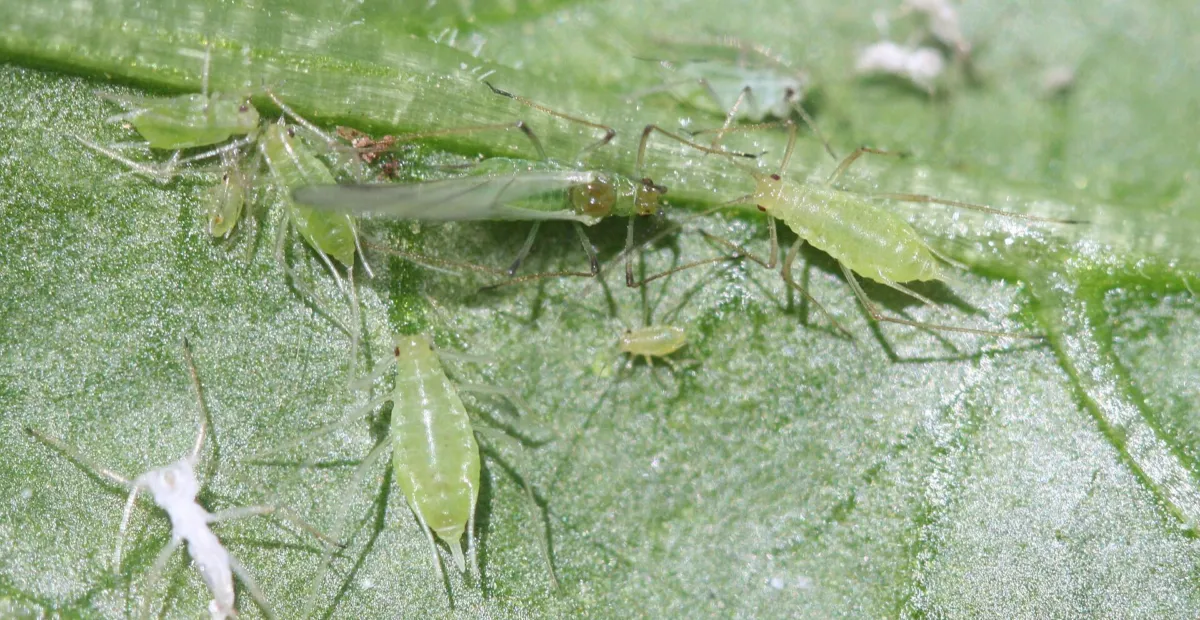
Potato aphid
Macrosiphum euphorbiaePotato aphid overview
The potato aphid, Macrosiphum euphorbiae, is a large, elongated aphid occurring in green and pink forms. It feeds on phloem and commonly colonizes potato, tomato, lettuce, spinach, roses and other plants. Light infestations may be tolerated, but heavy colonies distort young growth, produce sticky honeydew and can reduce vigor and yield. Accurate identification is important because several aphid species look similar.
Typical conditions
Overview
Macrosiphum euphorbiae, commonly called potato aphid, is a highly polyphagous aphid found throughout the United States. It is especially important on potato and tomato, but also feeds on lettuce, spinach, roses and numerous vegetable, ornamental and weed hosts.
Adults are usually about 1/8 inch long, with a pear-shaped, elongated body, long antennae, long legs and conspicuous tail-like cornicles. Green and pink color forms both occur, so body color alone is not sufficient for identification. Aphid identification can require examination of structural features or an expert sample diagnosis.
Symptoms and identification
Early infestations may be inconspicuous and scattered. Examine shoot tips, young leaves, flower stalks and leaf undersides for clusters of green or pink aphids, shed white skins and developing winged forms.
- Young leaves may curl, pucker, twist or become distorted, often with margins turned downward.
- Heavy feeding can stunt shoots, reduce leaf area, cause tip dieback and occasionally produce necrotic spots.
- Sticky honeydew accumulates on leaves, fruit and nearby surfaces; dark sooty mold may develop secondarily.
- Flowers and buds may be colonized, reducing plant quality and sometimes interfering with normal growth.
- Virus transmission is possible, but potato aphid is generally considered a less efficient vector than some other common aphids; aphid control alone may not prevent virus spread.
Causes and spread
Spread occurs when winged aphids move from crowded, aging or stressed colonies into new plants. Infested transplants, volunteer potatoes, crop residues and weed hosts can introduce colonies. Ant attendance may reduce predator access, while excessive nitrogen and lush succulent growth can make plants more attractive or suitable.
Inspect purchased plants before planting, isolate suspicious material, remove crop residues promptly and avoid moving infested cuttings or transplants between beds. Aphids can also move short distances on clothing, tools or plant contact, although wind-assisted flight is the major dispersal route.
Life cycle and persistence
Potato aphid biology varies with climate and population. In colder parts of the United States, some populations have a sexual phase: eggs may overwinter, usually associated with a primary host such as rose, and hatch in spring. Several wingless female generations then develop before winged females disperse to herbaceous summer hosts.
On summer hosts, females commonly reproduce parthenogenetically and give birth to live nymphs. Crowding, declining host quality and environmental changes favor production of winged forms, which spread to new plants. In warmer regions, greenhouse populations and many outdoor populations may remain anholocyclic, reproducing continuously without an egg-laying generation.
Nymphs pass through several molts before adulthood. Development and population growth can be rapid under favorable conditions, while parasitic wasps, lady beetles, lacewings, syrphid larvae, fungal pathogens and weather can reduce colonies.
Treatment and control
Confirm that the insects are aphids and, when species-level certainty matters, obtain an identification from a county extension office, diagnostic clinic or qualified entomologist. Low populations on vigorous plants often need no treatment.
- Wash colonies from foliage with a strong but non-damaging spray of water.
- Remove severely infested shoot tips or leaves and dispose of them away from the planting area.
- Recheck plants every few days because surviving aphids and newly arriving winged females can rebuild colonies quickly.
- Preserve predators and parasitoids whenever they are reducing aphid numbers.
- If damage is increasing and nonchemical measures are inadequate, select a legally labeled product for the exact crop and site, ensuring coverage of leaf undersides and observing all label restrictions.
Do not expect insecticide applications to reliably prevent viruses that are acquired and transmitted during brief aphid probes. Integrated management should focus on clean planting material, sanitation, crop timing, reflective barriers where suitable, host resistance or tolerance and protection of natural enemies.
Low-impact and biological control
Begin with inspection and physical removal. On sturdy plants, dislodge colonies with a firm water spray, concentrating on shoot tips and leaf undersides; repeat as needed. Prune and discard heavily infested tender tips when this will not significantly reduce the crop.
- Encourage naturally occurring lady beetles, lacewing larvae, syrphid larvae and aphid parasitoids by limiting unnecessary broad-spectrum insecticides and providing flowering habitat nearby.
- Look for parasitized aphid mummies before treating. If mummies and predators are increasing while plant damage remains limited, monitor rather than spray.
- Use insecticidal soap or horticultural oil only when appropriate for the crop and site, with thorough coverage of aphids. These products work mainly by direct contact and may require repeat applications; follow the current organic-certification and product label requirements.
- Control volunteer host plants and weeds around production areas, but avoid indiscriminate removal of flowering plants that support beneficial insects.
Prevention
- Scout weekly from late spring through fall, especially on new growth, flower stalks and leaf undersides.
- Check transplants carefully before purchase and quarantine new plants when practical.
- Remove volunteer potato and tomato plants and manage heavily infested weeds near susceptible crops.
- Avoid excessive nitrogen fertilization and maintain steady irrigation to reduce overly succulent growth and stress.
- Use tolerant cultivars where documented for the crop, recognizing that tolerance may vary by aphid biotype and local population.
- In commercial tomato production, use a defined sampling plan and consider treatment only when aphid numbers are increasing, natural enemies are insufficient and crop damage or the locally recommended action threshold warrants intervention.
- Reflective mulch can reduce early aphid landing and colonization in some vegetable systems, but it is not a stand-alone solution.
Interesting facts
- Potato aphid is highly polyphagous and has been recorded from many plant families, with a frequent preference for solanaceous crops.
- Both green and pink forms can occur in the same crop, and color does not reliably identify the species.
- Winged females are produced when colonies become crowded or the host deteriorates, allowing rapid movement between plants and fields.
- Honeydew-producing aphid colonies often attract ants, which may protect aphids from predators in exchange for sugary secretions.
- Black aphid mummies with a neat emergence hole are evidence of parasitoid activity and are usually a reason to preserve, rather than spray over, the colony’s natural enemies.
Use only insecticides legally authorized for potato aphid and the specific crop in your state and country. Follow the current product label exactly, including crop listing, application rate, preharvest interval, reentry interval, protective equipment and pollinator precautions. Avoid routine broad-spectrum sprays when natural enemies are controlling the colony, and rotate insecticide mode-of-action groups when treatment is justified.
Affected plants
The plants below are linked to this problem by structured host-plant data. The list updates automatically as new plant profiles are added.
 Ethiopian Rape (Brassica carinata) care guideBrassica carinata
 Brown Mustard (Brassica juncea) care guideBrassica juncea
 Rapeseed (Brassica napus) care guideBrassica napus
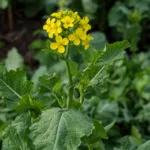 Urnip rape (Brassica rapa) care guideBrassica rapa
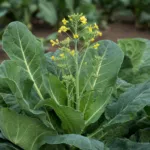 Collard greens (Brassica oleracea) care guideBrassica oleracea
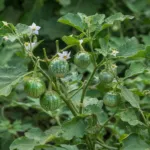 Solanum aethiopicum care guideSolanum aethiopicum
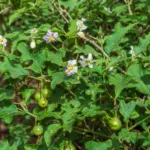 Solanum macrocarpon care guideSolanum macrocarpon
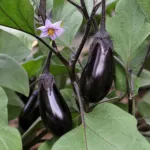 Eggplant (Solanum melongena) care guideSolanum melongena
 Garden Huckleberry (Solanum scabrum) care guideSolanum scabrum
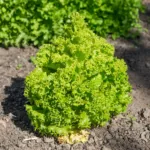 Lettuce (Lactuca sativa) care guideLactuca sativa
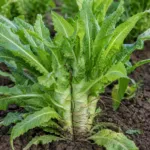 Celtuce (Lactuca sativa Angustana Group)Lactuca sativa Angustana Group
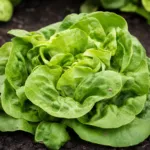 Capitata Group (Lactuca sativa Capitata Group)Lactuca sativa Capitata Group