
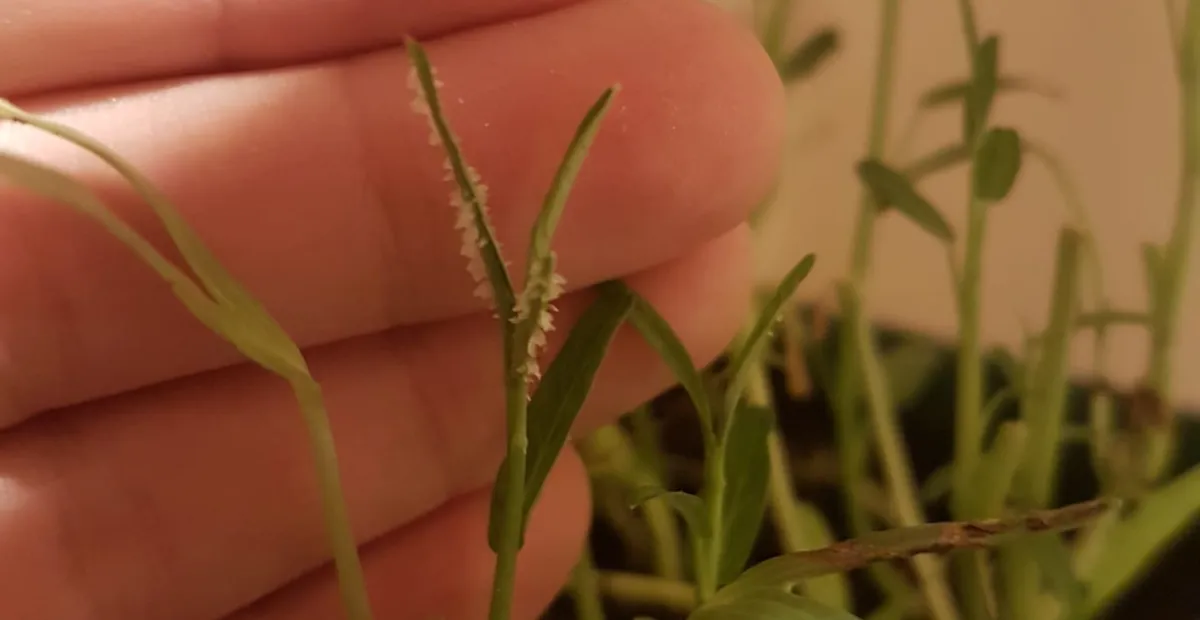
 Source:
 Water spinach (Ipomoea aquatica) short overview
Water spinach is a fast-growing tropical leafy green with hollow, rooting stems and arrow-shaped leaves that can trail across wet soil or float on quiet water. In the United States it is best treated as a warm-season container or specialty vegetable, because plants are frost-tender and can spread aggressively in suitable aquatic habitats. Grow only where local regulations allow, harvest young shoots regularly, and prevent every stem fragment from escaping.
Taxonomic classification
Water spinach (Ipomoea aquatica) care guide
Light and placement
Provide 6 or more hours of direct sun for compact, leafy growth and frequent harvests. In hot climates, morning sun with light afternoon shade can reduce heat stress while preserving vigor. Low light produces long, weak stems and fewer usable leaves; harsh reflected heat can scorch foliage if roots or containers dry. A warm south- or southeast-facing site is suitable indoors, provided strong supplemental light is available.
Watering and humidity
Keep the root zone evenly wet; do not allow container-grown plants to dry between waterings. Water thoroughly whenever the surface begins to lose its sheen, and increase frequency during hot weather or heavy harvesting. Plants may be grown with their roots in shallow, clean water, but stagnant, polluted water should be avoided. High humidity supports softer growth, though good air movement helps limit foliar disease.
Soil and growing medium
Use fertile, moisture-retentive loam amended with compost, or a heavy aquatic planting medium for contained water culture. The substrate should hold water without becoming foul or compacted around the roots. A slightly acidic to neutral reaction is suitable. Avoid dry, sharply draining cactus-style mixes unless irrigation is constant. Never plant into an uncontained natural waterway where fragments could escape.
Feeding
Apply a balanced liquid fertilizer at half strength every 2 to 3 weeks during vigorous growth, or incorporate mature compost before planting and top-dress periodically. Heavy harvesting increases nutrient demand, but excessive nitrogen can produce weak, watery stems and lush growth that is harder to manage. Do not fertilize stagnant ponds or waterways, and pause feeding when growth slows in cool conditions.
Growth and habit
This is a rapidly elongating, trailing vine that can spread across wet ground or float on water. Hollow stems root readily at nodes, so cut pieces can establish wherever they contact suitable moisture. Regularly harvest or pinch shoot tips to maintain a manageable crop and encourage branching. Containment is essential because discarded fragments may remain viable and help the plant form dense mats.
Planting and repotting
Start seeds indoors several weeks before the last frost or sow outdoors only after sustained warmth. Plant in a contained bed, large pot or secure water garden rather than an open natural waterway. Keep the seedbed continuously moist and thin crowded seedlings. For cuttings, bury or submerge one or more nodes while keeping leaves above the surface. Check state regulations before planting, particularly in warm regions.
Move container plants into a wider pot when roots fill the medium or stems dry rapidly between waterings. Use a heavy, moisture-retentive mix and a container with enough weight to prevent trailing stems from pulling it over. Repot during active warm growth, trim excess stems at the same time, and dispose of all cut fragments securely.
Propagation and pruning
Propagation
Propagate readily from seed or stem cuttings. Sow fresh seed shallowly in warm, continuously moist medium. For cuttings, use healthy tip sections with one or more nodes and place the nodes in wet soil or clean water until roots form. Rooted pieces establish quickly in warm conditions. Prevent propagation material from escaping into drainage systems, ponds or natural waterways.
Pruning
Harvest or pinch the shoot tips regularly to keep plants compact and encourage branching. Remove yellowing or diseased leaves promptly. Cut back vigorous stems before they reach container edges or water margins, and collect every fragment rather than leaving cut pieces on wet ground. Never compost invasive material where fragments could spread.
Overwintering
Bring containers indoors before nighttime temperatures approach 50°F. Place plants in the brightest warm location available and keep the medium evenly moist, reducing fertilizer as growth slows. Alternatively, take rooted cuttings for a compact overwintering crop. In frost-free climates, protect plants from cold snaps, but do not overwinter them in a way that allows fragments to enter outdoor drains or waterways.
Uses
The tender leaves and shoots are widely used as a cooked leafy vegetable and are commonly sold through Asian grocery channels in the United States. Harvest young tips before stems become fibrous. Use only correctly identified, cleanly grown material and cook it as appropriate for the intended dish. Do not release plants into ponds, canals or wetlands; water spinach is regulated or prohibited in some states because of invasive potential.
Appearance
The stems are smooth, hollow and often succulent, with milky sap and a strong tendency to root at the nodes. Leaves are alternate, hairless and variable in outline, commonly arrowhead-shaped with pointed tips and long petioles. Floating stems hold the leaves above the water surface. The combination of hollow rooting stems and arrow-shaped leaves helps distinguish this species from unrelated leafy greens.
Flowering
Flowers arise singly or in small clusters from the leaf axils. They are funnel-shaped and resemble other morning-glory flowers, with white or pink-lilac petals. Flowering is most likely during warm, long-season conditions and may be limited when plants are harvested continuously for foliage. Mature flowers can be followed by small capsules containing a few seeds.
Pollination and visitors
The showy funnel-shaped flowers are insect-pollinated, but reliable species-level pollinator documentation is limited in the sources reviewed. Bees and other small flower-visiting insects may visit open blooms. Continuous harvest can reduce flowering and therefore reduce opportunities for floral visitors.
Ipomoea aquatica photos
Click any photo for a larger view. Source, author and license are shown separately.
Diseases and pests
Diseases
Prevent disease by using clean water, avoiding overhead irrigation late in the day, and providing airflow around dense growth. Constantly saturated, stagnant conditions can favor root and stem problems, while crowded foliage can develop leaf spots. Remove affected tissue promptly, sterilize cutting tools, and discard badly diseased material rather than propagating from it. Avoid routine pesticide use on edible foliage.
Pests
Inspect tender shoot tips and leaf undersides for aphids, whiteflies, spider mites and chewing insects. Strong water sprays can reduce soft-bodied pests on container plants; improve airflow and remove heavily infested tips. Use only products labeled for edible crops and observe the stated harvest interval. Quarantine new plants and never move infested cuttings into outdoor aquatic areas.
Related diseases and pests
Only Plant Doctor profiles whose host data indicate this plant may be affected are shown here.
 PestSweetpotato whiteflyBemisia tabaci species complex
 DiseaseCharcoal rotMacrophomina phaseolina (Tassi) Goidanich
 PestTwo-spotted spider miteTetranychus urticae
 PestChilli thripsScirtothrips dorsalis Hood
 DiseaseRhizopus soft rotRhizopus stolonifer
 PestRoot-lesion nematodePratylenchus penetrans (Cobb) Filipjev & Schuurmans Stekhoven
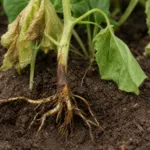 DiseaseFusarium solani species complex: root, crown and fruit rotsFusarium solani species complex (FSSC); older reports may use Fusarium solani sensu lato
 DiseaseCeratocystis Wilt, Canker, and Black RotCeratocystis fimbriata Ellis & Halst.
Toxicity and pollen
The species is widely cultivated as a food plant, but food use does not by itself establish complete safety for every person, animal or preparation. Evidence reviewed did not support a confident standardized toxicity classification for household exposure. Eat only correctly identified, cleanly grown plants, cook according to culinary practice, and avoid material from polluted water. Seek medical advice or contact Poison Control after an unexpected reaction.
- Typical season
- Warm-season flowering, generally summer in the United States
- Pollination / pollen
- Insect-dispersed pollen; airborne exposure is not well characterized
This is a flowering, insect-pollinated plant, so its pollen is not typically dispersed like the abundant wind-borne pollen of grasses or many trees. However, reliable clinical allergy data and standardized airborne pollen measurements for Ipomoea aquatica are limited. People with strong pollen sensitivity should avoid handling flowers closely if symptoms occur and should rely on personal medical guidance.
Native habitat
The species occurs naturally in tropical and subtropical wet habitats, including marshes, ditches, pond margins, shallow water and seasonally wet ground. Stems may trail over mud or float, rooting at nodes. It favors warmth, abundant moisture and fertile sediment, while its ability to grow from fragments helps explain its ecological risk in introduced aquatic environments.
Interesting fact
The hollow stems allow the plant to trail or float while remaining buoyant. Nodes can produce roots when they contact wet soil or water. Leaves may vary from narrow to distinctly arrow-shaped. The plant is a close relative of familiar morning glories. Dense growth can shade submerged vegetation and obstruct water movement.
Frequently asked questions (FAQ)
The most relevant questions about this plant, with short and direct answers.
🌱Quick care
What is water spinach (Ipomoea aquatica)?⌄
Water spinach is a fast-growing aquatic or semi-aquatic leafy vegetable in the morning-glory family, Convolvulaceae. It is also called swamp morning-glory in the United States and is grown for its tender leaves and hollow stems.
Is water spinach easy to grow?⌄
Water spinach is easy to grow when given warmth, strong light, fertile soil, and consistently wet conditions. Its rapid growth can become difficult to control, so it should never be allowed to escape into natural waterways.
🌤️Environment and placement
How much sun does water spinach need?⌄
Water spinach grows best in full sun, although it tolerates partial shade. Aim for at least 6 hours of direct sunlight daily for vigorous growth and better leaf production.
Can water spinach grow in containers?⌄
Water spinach can grow well in a large container that holds moisture and has no drainage route to ponds, streams, or stormwater. Use a fertile growing medium and keep the soil consistently saturated without allowing plant fragments to escape.
Can water spinach grow in an aquarium or pond?⌄
Water spinach can root in shallow, still freshwater, but growing it in an outdoor pond is unsafe in the United States because fragments and seeds can spread readily. Use only a fully contained setup where escaped plant material can be collected and discarded responsibly.
What temperature does water spinach need?⌄
Water spinach prefers warm conditions, generally growing most vigorously when temperatures remain above about 70°F. It is frost-tender and may stop growing or die when exposed to freezing temperatures.
Can water spinach survive winter outdoors?⌄
Water spinach usually cannot survive freezing weather outdoors because it is frost-tender. In colder parts of the United States, outdoor cultivation is seasonal, but legal restrictions may prohibit possession or cultivation regardless of winter survival.
What type of soil is best for water spinach?⌄
Use moist, fertile loam or rich aquatic mud that holds water. Water spinach performs poorly in dry, compacted, or nutrient-poor soil and should not be planted where irrigation runoff can carry pieces into natural water.
💧Care and problems
How often should I water water spinach?⌄
Keep water spinach consistently moist to wet, never allowing the root zone to dry out. Container plants may need frequent watering during hot weather, especially when grown in full sun.
Why is my water spinach turning yellow?⌄
Yellow leaves commonly indicate insufficient nutrients, root stress, cool temperatures, or inconsistent moisture. Check that the plant is warm, well fed, and continuously moist, while avoiding stagnant conditions contaminated by runoff or untreated water.
Why is my water spinach growing slowly?⌄
Slow growth is usually caused by cool temperatures, inadequate sunlight, dry soil, or limited fertility. Move the plant to a warmer, brighter location and maintain steady moisture if local regulations allow cultivation.
How do I keep water spinach from becoming invasive?⌄
Keep water spinach in a sealed, fully contained growing system and remove all trimmings, roots, flowers, and seeds from the site. Never compost or discard fragments near drains, ditches, ponds, streams, or wetlands.
Does water spinach need fertilizer?⌄
Water spinach benefits from fertile soil and may need supplemental fertilizer during active growth, particularly in containers. Follow the product label and avoid overfertilizing because nutrient-rich runoff can harm waterways.
🪴Planting and repotting
When should I plant water spinach in the United States?⌄
Planting timing depends on local law and climate, but growth requires reliably warm weather with no frost risk. In areas where it is legally permitted, sow or transplant only after soil and air temperatures have warmed substantially.
Can I grow water spinach from store-bought stems?⌄
Store-bought stems can root readily in water or moist growing media if they are fresh and contain viable nodes. However, using purchased or imported plant material may be restricted in the United States because water spinach is federally regulated.
How deep should water spinach be planted?⌄
Set water spinach cuttings or rooted plants shallowly, with at least one node contacting consistently wet soil or water. Do not plant it in open waterways or any location where floating stems can drift away.
✂️Propagation and pruning
How do you propagate water spinach from cuttings?⌄
Cut a healthy stem below a node and place the lower portion in water or moist sand until roots form, then transfer it to fertile, wet soil if permitted. Because stem fragments root easily, collect and contain every unused cutting.
Can water spinach be grown from seed?⌄
Water spinach can be propagated from seed, although germination and flowering depend strongly on warmth and day length. Do not save, trade, or distribute seed unless cultivation and movement are legal in your state.
How do you prune water spinach?⌄
Harvest or prune the growing shoots regularly to encourage branching and keep stems manageable. Perform all trimming over a contained surface, and dispose of cut pieces securely because nodes can root and create new plants.
⚠️Toxicity and safety
Is water spinach legal to grow in the United States?⌄
Water spinach is listed as a federal noxious weed in the United States, so its importation and movement are federally regulated and may require permits. State rules also vary, making it essential to check USDA APHIS and your state plant-regulatory agency before obtaining or growing it.
Is water spinach invasive?⌄
Yes, water spinach has high invasive potential because it grows rapidly and reproduces from both seeds and stem fragments. Dense growth can obstruct waterways, so it should never be released or planted in ponds, wetlands, canals, or natural habitats.
Is water spinach poisonous to people or pets?⌄
The plant’s toxicity is not sufficiently established for a general safety guarantee, and contaminated aquatic plants may carry pathogens or parasites. Do not eat privately grown or wild-collected material unless it has been legally sourced, correctly identified, and prepared according to reliable food-safety guidance.
Can you eat water spinach from a pond?⌄
Do not eat water spinach collected from a pond, ditch, stream, or other untreated water source. Aquatic plants can accumulate contaminants and may harbor organisms that pose health risks, even when the species is commonly eaten as a vegetable.
Is water spinach safe for dogs and cats?⌄
Water spinach should be kept away from dogs, cats, and other pets because its toxicity has not been sufficiently established. Contact a veterinarian or animal poison-control service if a pet has eaten an unknown amount.
🌸Flowering and special interest
Does water spinach produce flowers?⌄
Water spinach can produce small morning-glory-like flowers in white, pink, or purple, but it often flowers rarely under cultivated conditions. Shorter day lengths and warm conditions can promote flowering and seed production.
When does water spinach flower?⌄
Water spinach generally flowers under warm conditions when day length becomes relatively short. Flowering may be limited in brightly lit, frequently harvested plants, but any flowers should be removed and contained to prevent seed spread.
Similar plants
 Azure Monkshood (Aconitum carmichaelii) care guideAconitum carmichaelii
 Monkshood (Aconitum ‘Stainless Steel’)Aconitum 'Stainless Steel'
 Monkshood (Aconitum ‘Bressingham Spire’)Aconitum 'Bressingham Spire'
 Golden full moon maple (Acer shirasawanum ‘Aureum’)Acer shirasawanum 'Aureum'
 Globosum (Acer platanoides ‘Globosum’)Acer platanoides 'Globosum'
 Striped maple (Acer pensylvanicum) care guideAcer pensylvanicum