
 Source:
 Umbrella Bamboo (Fargesia murielae) short overview
Umbrella Bamboo (Fargesia murielae) is an evergreen, clump-forming bamboo from temperate mountain regions of central China. It develops gracefully arching green canes and fine lance-shaped foliage, making a refined screen, hedge, container specimen, or woodland-garden accent. Provide fertile, moisture-retentive but well-drained soil and shelter from drying winds, with partial shade preferred in hot climates.
Taxonomic classification
Umbrella Bamboo (Fargesia murielae) care guide
Light and placement
Give partial shade in hot or dry climates, especially with protection from intense afternoon sun and drying south or west winds. It tolerates full sun where soil stays evenly moist. Excess sun or drought may cause leaf curl, scorch, and premature browning; overly dark sites can produce thinner, weaker growth and less dense foliage.
Watering and humidity
Water deeply when the upper few inches of soil begin to dry, keeping the root zone consistently moist during establishment and summer heat. Container plants may need watering several times weekly in hot weather. Reduce frequency in cool seasons, but do not allow plants in exposed sites or pots to dry completely. Mulch helps moderate moisture and temperature.
Soil and growing medium
Use fertile loam or clay-loam amended with organic matter, but avoid stagnant wetness. The root zone should remain evenly moist while excess water drains freely. A slightly acidic to neutral soil is ideal, although established plants tolerate a broader pH range, including mildly alkaline conditions.
Feeding
Apply compost or a balanced slow-release fertilizer in spring as new growth begins. A second light feeding in early summer can support container plants or poor soils, but avoid heavy late-season nitrogen, which can encourage soft growth and reduce winter readiness. Water after granular applications.
Growth and habit
This is a dense, non-running bamboo that expands gradually from short rhizomes rather than sending long invasive runners. Its slender culms arch outward under the weight of foliage, creating a soft, fountain-like outline. Keep competing groundcovers away during establishment and thin older or weak culms to maintain ventilation and a clear structure.
Planting and repotting
Plant in spring or early fall while soil is workable. Set the rootball level with the surrounding soil rather than burying the crown. Water deeply after planting and mulch over the root zone without piling mulch against the canes. Space plants about 3–5 feet apart for a dense screen, allowing more room for large specimens.
Repot container plants in spring when roots fill the pot, moving up one container size at a time. Use a moisture-retentive but well-drained loam-based mix. Divide only when necessary, because large rootballs can be heavy and slow to re-establish.
Propagation and pruning
Propagation
Propagate mainly by division in spring, separating vigorous sections with healthy rhizomes and culms. Young rhizome or culm cuttings may be used by experienced propagators, but establishment is less predictable than division. Keep new divisions evenly moist until active growth resumes.
Pruning
Prune in spring by removing dead, damaged, weak, or overcrowded culms at ground level. Selectively thin older stems to reveal the canes and improve air circulation. Avoid shearing the entire clump unless renovation is necessary, because natural arching foliage is a key ornamental feature.
Overwintering
Established plants are cold hardy in much of the United States, but foliage may burn in exposed winter wind or severe cold. Apply a 2–3 inch mulch layer over the root zone, tie or shelter foliage where heavy snow is expected, and water container plants before the ground freezes. Move pots to a protected location or insulate them in colder zones.
Uses
Useful as an evergreen screen, informal hedge, woodland-garden accent, architectural container plant, or sheltered courtyard specimen. Its clumping habit is generally easier to manage in residential landscapes than running bamboos, though mature clumps still require adequate space. It is primarily ornamental here; no culinary or medicinal use is asserted.
Appearance
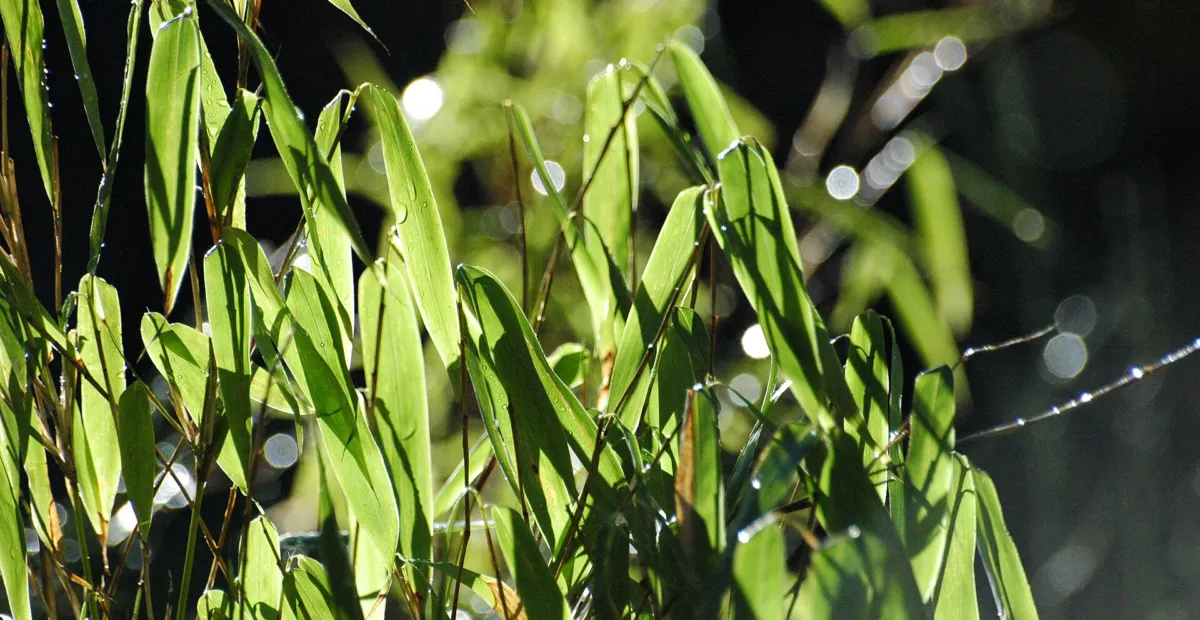
The plant forms a dense fountain-like clump of slender, arching culms. Mature canes are green to yellow-green, while the narrow lance-shaped leaves are bright green and arranged densely along many small branches. The fine foliage, graceful drooping tips, and non-running habit help distinguish it from taller, more vigorous running bamboos.
Flowering
Flowering is infrequent and episodic in cultivation, and reliable seasonal flowering information for this exact species is limited. The inflorescences are not a normal ornamental feature; plants may produce inconspicuous grass flowers during rare flowering events. Remove flowering or weakened shoots if the clump declines after flowering.
Pollination and visitors
Specific animal pollinators or characteristic flower visitors are not sufficiently documented for this exact species. Rare flowering events may produce wind-dispersed grass pollen, but a reliable animal-visitor association could not be confirmed.
Fargesia murielae photos
Click any photo for a larger view. Source, author and license are shown separately.
Diseases and pests
Diseases
Generally trouble-free when grown in well-drained soil. Excess moisture can contribute to root and rhizome problems. Improve drainage, avoid chronic overwatering, remove badly damaged culms, and disinfect cutting tools between plants.
Pests
Slugs may damage emerging shoots. Monitor new growth, reduce hiding places around the clump, and use proportionate controls where necessary. Spider mites or other stress-related pests are more likely in hot, dry conditions; improve irrigation and airflow before applying treatments.
Related diseases and pests
Only Plant Doctor profiles whose host data indicate this plant may be affected are shown here.



Toxicity and pollen
No authoritative species-specific human or pet toxicity assessment was located. Do not treat the plant as proven edible or completely risk-free solely because it is a bamboo. Prevent pets and children from chewing ornamental plants, and seek professional advice after significant ingestion or unusual symptoms.
- Pollination / pollen
- Airborne grass pollen during rare flowering
Bamboos are grasses and can release airborne pollen when they flower, but Fargesia murielae flowers so rarely and unpredictably in cultivation that a dependable U.S. exposure season cannot be assigned. People with known grass-pollen sensitivity should avoid handling flowering material during an active event.
Native habitat
The species is native to temperate mountain regions of Sichuan and western Hubei, China. It is associated with cool, moist upland conditions and fertile soils, which explains its preference for consistent root-zone moisture, organic matter, and protection from intense heat or desiccating wind.
Interesting fact
The species was collected in China by plant explorer Ernest Henry Wilson and named for his daughter Muriel. It is a non-running, clump-forming bamboo rather than an aggressively spreading running bamboo. Plants in cultivation are often valued for their elegant arching habit and fine-textured foliage.
Frequently asked questions (FAQ)
The most relevant questions about this plant, with short and direct answers.
🌱Quick care
What is Fargesia murielae?⌄
Fargesia murielae, commonly called Umbrella Bamboo, is an evergreen, clump-forming bamboo with gracefully arching canes and fine green foliage. Unlike running bamboos, it generally expands from a compact clump rather than sending long underground runners.
Is Fargesia murielae invasive?⌄
Fargesia murielae is generally considered a non-running, clumping bamboo and is far less likely to spread aggressively than Phyllostachys species. Give it adequate room to widen, but root barriers are usually unnecessary in normal garden settings.
How big does Fargesia murielae get?⌄
Fargesia murielae commonly reaches about 8 to 13 feet tall and can become several feet wide. Final size varies with cultivar, climate, soil moisture, and growing conditions.
Is Fargesia murielae evergreen?⌄
Fargesia murielae is usually evergreen in mild climates, although it may shed some leaves or show winter foliage damage in colder, windy, or exposed locations. Protecting it from drying winter winds helps preserve its foliage.
🌤️Environment and placement
What light does Fargesia murielae need?⌄
Fargesia murielae grows best in partial shade or dappled light, especially in areas with hot summers. It can tolerate more sun when the soil stays evenly moist, but intense afternoon sun may cause leaf curl, yellowing, or scorch.
Can Fargesia murielae grow in full sun?⌄
Fargesia murielae can grow in full sun if it receives consistent moisture and relief from extreme heat. Partial shade is safer in much of the United States, particularly in hot or humid regions.
What USDA hardiness zones are suitable for Fargesia murielae?⌄
Fargesia murielae is commonly listed for USDA Zones 5 through 9, although winter protection may be needed in colder parts of that range. Performance can decline in areas with intense summer heat and high humidity.
Where should I plant Fargesia murielae?⌄
Plant Fargesia murielae in a sheltered site with partial shade, fertile soil, and reliable moisture. A location protected from hot afternoon sun and drying winter wind is especially suitable.
Can Fargesia murielae grow in containers?⌄
Fargesia murielae can grow well in a large container with drainage holes and moisture-retentive, well-drained potting mix. Container plants dry out and freeze more quickly than plants in the ground, so they need closer monitoring and winter protection.
Is Fargesia murielae good for a privacy screen?⌄
Fargesia murielae is well suited to informal screens and hedges because its dense evergreen foliage and arching habit create a soft visual barrier. Space plants according to their mature width rather than planting them tightly.
💧Care and problems
How often should I water Fargesia murielae?⌄
Water Fargesia murielae whenever the soil begins to dry, keeping the root zone evenly moist but not waterlogged. Newly planted and container-grown plants usually need more frequent watering during hot or dry weather.
What soil is best for Fargesia murielae?⌄
Fargesia murielae prefers fertile, moisture-retentive, well-drained loam. Improve poor soil with organic matter, but avoid locations where water remains standing after rain.
Why are the leaves on my Fargesia murielae curling?⌄
Leaf curling on Fargesia murielae usually indicates water stress, strong sun, heat, wind, or winter dehydration. Check soil moisture and drainage, then provide deeper watering and more shelter if the plant is exposed.
Why is my Fargesia murielae turning yellow?⌄
Yellow leaves can result from normal seasonal leaf shedding, drought, excessive sun, winter damage, or waterlogged roots. Check the soil before watering more, because poorly drained conditions can also cause yellowing and decline.
Does Fargesia murielae need fertilizer?⌄
Fargesia murielae usually benefits from a moderate spring application of a balanced fertilizer or compost. Avoid excessive nitrogen, which can promote weak, overly lush growth and may increase stress in poor conditions.
What pests affect Fargesia murielae?⌄
Fargesia murielae is generally trouble-free, but slugs may damage emerging shoots and mites, aphids, or scale can occasionally affect foliage. Inspect stressed plants and correct watering, heat, or airflow problems first.
🪴Planting and repotting
When is the best time to plant Fargesia murielae?⌄
Spring or early fall is generally the best time to plant Fargesia murielae in the United States. Planting during mild weather gives the roots time to establish before summer heat or winter cold.
How far apart should I plant Fargesia murielae for a hedge?⌄
Space Fargesia murielae based on the mature width of the plants and the desired screening speed, commonly several feet apart. Wider spacing improves airflow and creates a more natural screen, while closer spacing fills in faster but increases competition.
How do I repot Fargesia murielae?⌄
Repot Fargesia murielae in spring when the root mass is crowded, moving it into a container only modestly larger than the current one. Use fresh, well-drained potting mix, keep the plant at its original depth, and water thoroughly after repotting.
✂️Propagation and pruning
How do you propagate Fargesia murielae?⌄
The most practical way to propagate Fargesia murielae is by dividing an established clump in spring. Sections of young rhizomes may also be used, but division is generally more dependable for home gardeners.
When should I divide Fargesia murielae?⌄
Divide Fargesia murielae in spring as new growth begins, when moderate temperatures and active root growth support recovery. Keep each division well watered until it becomes established.
How do I prune Fargesia murielae?⌄
Prune Fargesia murielae in spring by removing dead, damaged, weak, or overcrowded canes at ground level. Light thinning preserves the plant’s graceful form; cutting all canes short is usually unnecessary unless renovation is needed.
Can I cut Fargesia murielae back to the ground?⌄
Fargesia murielae can be cut back to the ground for renovation, pest management, or severe damage, but it may take time to regain its height. Remove only selected old or damaged canes when you want to preserve screening.
Does cutting Fargesia murielae make it grow taller?⌄
Cutting an existing cane does not make that cane grow taller because bamboo canes reach their height during the shooting season. New shoots may emerge later and reach their own predetermined height.
⚠️Toxicity and safety
Is Fargesia murielae toxic to dogs or cats?⌄
The toxicity of Fargesia murielae has not been adequately assessed for pets or people. Treat it as unassessed, prevent ingestion, and contact a veterinarian or poison-control service if a pet consumes an unusual amount.
Is Fargesia murielae safe to eat?⌄
Fargesia murielae should not be eaten because its food safety has not been established. Do not use the shoots or leaves as food unless a qualified botanical or food-safety source specifically confirms safe preparation.
🌸Flowering and special interest
Does Fargesia murielae flower?⌄
Fargesia murielae can flower, although flowering is unusual and may occur after a long biological cycle. Flowering plants can become weakened, and some forms may decline or die afterward, so unusual flowering should be monitored.
What should I do if Fargesia murielae starts flowering?⌄
If Fargesia murielae begins flowering, keep it evenly watered and remove flowering shoots if your goal is to reduce visible flowering and conserve energy. Recovery is uncertain because flowering behavior varies among plants and cultivated lines.
Will Fargesia murielae die after flowering?⌄
Fargesia murielae may decline severely or die after flowering, but this is not guaranteed for every plant. Some plants recover, while others remain weak for several years or fail to return to normal growth.
Similar plants
 Azure Monkshood (Aconitum carmichaelii) care guideAconitum carmichaelii
 Monkshood (Aconitum ‘Stainless Steel’)Aconitum 'Stainless Steel'
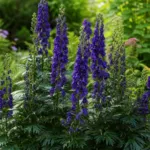 Monkshood (Aconitum ‘Bressingham Spire’)Aconitum 'Bressingham Spire'
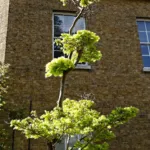 Golden full moon maple (Acer shirasawanum ‘Aureum’)Acer shirasawanum 'Aureum'
 Globosum (Acer platanoides ‘Globosum’)Acer platanoides 'Globosum'
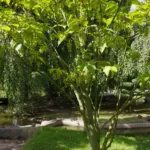 Striped maple (Acer pensylvanicum) care guideAcer pensylvanicum