
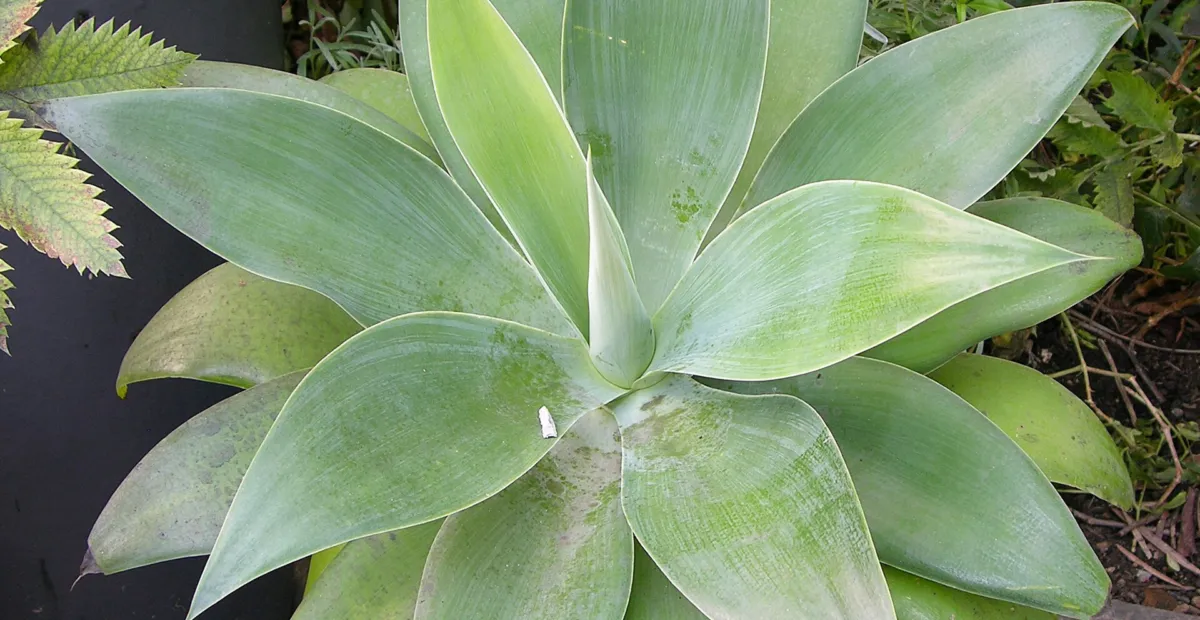
 Source:
 Swan’s neck agave (Agave attenuata) short overview
Swan's neck agave is a spineless, evergreen succulent from central Mexico that forms a broad rosette of soft, blue-green leaves on a gradually exposed stem. It is valued in warm-climate landscapes and containers for its architectural form and unusually smooth foliage. Mature plants may produce a tall, gracefully recurving flower stalk covered with pale yellow-green to whitish flowers, but they require protection from frost and prolonged cold in most of the United States.
Taxonomic classification
Swan’s neck agave (Agave attenuata) care guide
Light and placement
Give bright light with several hours of direct sun, preferably morning or gentle afternoon sun. In hot inland climates, light afternoon shade can prevent leaf scorch; coastal plants can take more sun. Indoors, use the brightest south- or west-facing window or a grow light. Pale, stretched growth indicates insufficient light, while bleached patches and crispy leaf margins suggest excessive heat or abrupt sun exposure.
Watering and humidity
Water thoroughly, then allow the root zone to dry substantially before watering again. In spring and summer, containers may need water every 1–3 weeks depending on heat, pot size and airflow; water much less in cool, low-light winter conditions. Never leave the pot standing in water. The leaves may shrivel during drought and recover after rehydration, but persistently wet soil is more dangerous than temporary dryness.
Soil and growing medium
Use a porous cactus or succulent mix amended with extra pumice, perlite or coarse grit. In the ground, plant on a raised or naturally sloping site where rain drains quickly. Heavy clay should be substantially amended or avoided. A slightly acidic, neutral or mildly alkaline soil can work, but poor drainage and prolonged saturation greatly increase the risk of root and stem rot.
Feeding
Feed in spring and summer only, using a balanced fertilizer diluted to one-quarter or one-half strength once every 4–6 weeks, or top-dress lightly with mature compost. Do not fertilize newly repotted, drought-stressed, diseased or dormant plants. Excess nitrogen can produce soft, weak growth and reduce the compact architectural form.
Growth and habit
This agave grows slowly to moderately and gradually develops a visible, smooth trunk as older leaves are shed. It commonly produces offsets around the base, allowing the clump to persist after the flowering rosette declines. Give it room for the mature rosette and avoid frequent disturbance; crowded offsets can be removed for propagation or left to form a colony.
Planting and repotting
Plant after the final spring frost in a warm, well-drained site. Set the root ball level with the soil surface and keep the crown dry and above grade. Water once after planting, then allow the soil to dry between subsequent irrigations. In wet regions, a raised bed, berm or large container is safer than a flat, heavy soil site.
Repot in spring when roots fill the container or drainage declines. Choose a pot only slightly larger than the root system and one with a drainage hole. Handle the root ball gently, keep the crown above the mix, and wait several days before the first thorough watering so damaged roots can callus.
Propagation and pruning
Propagation
Propagate most easily from offsets produced at the base or from plantlets that may form on the inflorescence. Separate offsets in warm weather, allow cut surfaces to dry briefly, then plant in a gritty mix and water sparingly until roots establish. Seed propagation is possible but slower and less predictable for ordinary home production.
Pruning
Remove only dead, damaged or collapsed leaves with clean, sharp tools. After flowering, cut the spent stalk near its base once it has dried and any desired offsets or bulbils have been collected. Avoid cutting healthy leaves simply to reshape the rosette, and wear gloves when handling sap.
Overwintering
In USDA Zones 9 and colder, move containers indoors before frost or provide a bright, dry, frost-free space. Keep winter watering sparse and do not place the plant against a cold window. Outdoor plants in marginal climates need protection from frost, freezing rain and prolonged wet soil; foliage damage is likely below about 28°F.
Uses
Use as an architectural specimen, accent, rock-garden plant, patio container or bright indoor succulent. It suits frost-free coastal and subtropical landscapes and can be combined with other drought-tolerant plants where drainage is reliable. Its spineless foliage is less hazardous beside paths than many agaves, but sap exposure should still be avoided.
Appearance
The plant forms a rounded rosette of thick, pliable, sword-shaped blue-green to medium-green leaves. Unlike many agaves, the leaves lack marginal teeth and a terminal spine, making the species comparatively easy to place near paths. Older plants may sit on a smooth trunk, and the flowering stalk curves downward in a distinctive foxtail- or swan-neck shape.
Flowering
A mature rosette can send up a large, arching to recurving flower stalk bearing densely packed, small tubular flowers. Flowering is an infrequent event in cultivation and is followed by decline of the flowering rosette, although offsets or bulbils may continue the plant. Exact flowering months vary substantially with climate and cultivation conditions in the United States.
Pollination and visitors
The nectar-rich flowers of agaves are attractive to bees and other diurnal flower visitors; hummingbirds are also reported among visitors to agave flowers generally. For this exact species, reliable sources support attraction to pollinating insects but do not establish one single obligate pollinator species for United States gardens.
Agave attenuata photos
Click any photo for a larger view. Source, author and license are shown separately.
Diseases and pests
Diseases
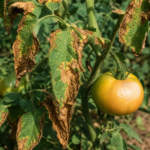
The main preventable problem is root or stem rot caused by overwatering, poor drainage or cold wet conditions. Use a porous mix, a draining container and sensible winter watering. Remove rotted tissue, discard badly affected soil and repot healthy portions into clean, dry substrate. Leaf spotting or scorch is best managed by improving airflow and avoiding wet foliage during cool weather.
Pests
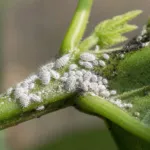
Watch for agave snout weevil where it occurs, along with agave mites, mealybugs, scale and occasional fungal gnat larvae in wet potting mix. Inspect leaf bases and the crown regularly. Isolate infested containers, remove small infestations mechanically and use a labeled horticultural treatment only when necessary and according to its directions.
Related diseases and pests
Only Plant Doctor profiles whose host data indicate this plant may be affected are shown here.

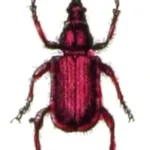
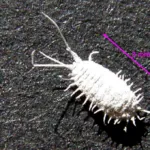
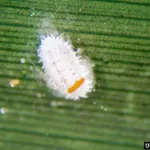

Toxicity and pollen
Agave sap can irritate skin and eyes and may cause contact dermatitis in susceptible people. The spineless leaves reduce puncture risk but do not make the plant harmless. Wear gloves and eye protection when cutting or repotting, wash exposed skin promptly, and keep sap away from children and pets. Evidence for serious systemic poisoning from this exact species is limited, so ingestion risk is best treated as uncertain rather than assumed safe.
- Typical season
- Only while flowering; timing varies by U.S. climate
- Pollination / pollen
- Pollen is released from flowers and is primarily carried by visiting animals rather than by wind.
This species produces pollen when it flowers, but reliable evidence is insufficient to assign a precise airborne-allergy level. Agave flowers are generally visited by animals, which can reduce long-distance pollen movement compared with wind-pollinated plants, but insect pollination does not guarantee zero allergy risk. People with pollen sensitivity should avoid handling fresh flowers and monitor personal symptoms.
Native habitat
The species is native to subtropical mountainous and plateau regions of central Mexico. It grows in warm climates with seasonal dryness, often in porous mineral soils and rocky or volcanic settings. In cultivation it tolerates drought once established, but it generally performs better with occasional deep watering than extremely desert-adapted agaves.
Interesting fact
The specific epithet attenuata refers to the leaves tapering gradually toward their tips. The species is unusual among commonly grown agaves for its soft, spineless, untoothed leaves. Its mature flower stalk arches and curves rather than standing as a rigid spike, giving rise to several foxtail- and swan-neck-related common names.
Frequently asked questions (FAQ)
The most relevant questions about this plant, with short and direct answers.
🌱Quick care
How do you care for a Swan's neck agave?⌄
Give Agave attenuata full sun to partial shade, sharply drained gritty soil, and low to moderate water. Let the soil dry between thorough waterings, and protect the plant from frost and prolonged cold.
How large does Agave attenuata get?⌄
A mature Agave attenuata commonly forms a rosette about 2 to 3 feet tall and 3 to 4 feet wide, although older plants may develop a trunk and become larger. Leave enough room for offsets to form around the base.
Is Agave attenuata spineless?⌄
Yes, Agave attenuata has soft leaves without the prominent terminal and marginal spines found on many other agaves. Its sap can still irritate skin, so gloves are recommended when handling it.
🌤️Environment and placement
How much sun does Agave attenuata need?⌄
Agave attenuata grows best in full sun to partial shade. In very hot, intense climates, afternoon shade or filtered light can reduce leaf scorch.
Can Swan's neck agave grow indoors?⌄
Yes, Swan's neck agave can grow indoors near a bright, sunny window. Use a container with drainage holes, gritty succulent soil, and less water during winter or low-light periods.
What USDA zone is Agave attenuata hardy in?⌄
Agave attenuata is generally suited to USDA Zones 10–12, although some protected locations in Zone 9 may grow it successfully. Protect it whenever temperatures approach 28°F.
Can Agave attenuata survive frost?⌄
No, Agave attenuata is frost tender and can be damaged by temperatures below about 28°F. Move container plants indoors or cover outdoor plants before freezing conditions.
💧Care and problems
How often should you water a Swan's neck agave?⌄
Water when the soil has dried substantially, then soak the root zone thoroughly and allow excess water to drain. Established plants usually need less frequent watering than newly planted specimens, especially in cool or wet weather.
Does Agave attenuata need watering in winter?⌄
Agave attenuata needs very little water in winter, particularly indoors or during cool, cloudy weather. Water only when the potting mix is fully or nearly dry to reduce the risk of root rot.
Why are the leaves on my Agave attenuata turning yellow?⌄
Yellow leaves most often indicate overwatering, poor drainage, or cool wet soil. Check the roots and container drainage, and wait for the growing medium to dry before watering again.
Why is my Swan's neck agave getting brown leaf spots?⌄
Brown spots can result from sun scorch, frost injury, physical damage, or prolonged moisture on the foliage. Move the plant away from harsh exposure if needed and improve drainage and air circulation.
Why is my Agave attenuata leaning or falling over?⌄
Leaning can occur when the plant receives insufficient light, becomes top-heavy, or develops a trunk that needs support. Give it brighter light and use a broad, stable container with well-drained soil.
Can you overwater Agave attenuata?⌄
Yes, overwatering can cause root rot and decline in Agave attenuata. Use gritty, sharply drained soil and allow the growing medium to dry between waterings.
🪴Planting and repotting
What soil is best for a Swan's neck agave?⌄
Use sandy or gritty succulent soil that drains rapidly. Avoid heavy garden clay and containers without drainage holes because standing water can damage the roots.
How do you plant Agave attenuata outdoors?⌄
Plant Agave attenuata in a sunny or lightly shaded site with sharply drained soil. Set it at the same depth it was growing in its container, and avoid burying the central rosette or allowing water to collect around it.
Can Agave attenuata grow in a pot?⌄
Yes, Agave attenuata grows well in containers with drainage holes and a wide, stable base. Repot only when necessary into slightly larger containers filled with gritty succulent mix.
When should you repot a Swan's neck agave?⌄
Repot a Swan's neck agave in spring or early summer when roots have filled the container or drainage has slowed. Handle the plant carefully, use fresh gritty soil, and wait briefly before watering after repotting.
✂️Propagation and pruning
How do you propagate Agave attenuata?⌄
Propagate Agave attenuata primarily from offsets, also called pups, that develop around the base. Separate a healthy offset with some roots, let damaged surfaces dry briefly, and plant it in gritty, well-drained soil.
Can you grow Swan's neck agave from a leaf cutting?⌄
Leaf cuttings are not the usual reliable method for propagating Swan's neck agave. Offsets are the preferred approach, while seed propagation is possible but slower and less commonly used.
Should you remove dead leaves from Agave attenuata?⌄
Yes, remove completely dead or badly damaged leaves with clean tools. Avoid cutting healthy green tissue unnecessarily, and wear gloves because the sap may irritate skin.
Does Agave attenuata need pruning?⌄
Agave attenuata generally does not need routine pruning. Remove only dead, damaged, or diseased leaves, and cut away a spent flowering stalk after it has finished flowering.
⚠️Toxicity and safety
Is Swan's neck agave toxic to dogs and cats?⌄
The sap of Swan's neck agave can irritate skin and may be harmful if pets chew or eat the plant. Keep it away from curious animals, and contact a veterinarian if a pet has ingested plant material.
Can Agave attenuata cause a skin reaction?⌄
Yes, Agave attenuata sap can cause skin irritation. Wear gloves, long sleeves, and eye protection when cutting, transplanting, or separating pups, and wash exposed skin promptly.
🌸Flowering and special interest
When does Agave attenuata flower?⌄
Agave attenuata flowers only after many years of growth, often when mature, and the flowering stalk may appear in summer or during other warm-season periods depending on climate. The tall stalk arches or droops above the rosette.
Does Agave attenuata die after flowering?⌄
Yes, the flowering rosette typically dies after blooming because Agave attenuata is monocarpic. Offsets produced around the base survive and continue the plant’s growth.
How tall is an Agave attenuata flower spike?⌄
An Agave attenuata flower spike can rise roughly 5 to 10 feet or more above the rosette. Its strongly arching shape is the source of common names such as Swan's neck agave and foxtail agave.
Why has my mature Swan's neck agave not flowered?⌄
A mature Swan's neck agave may remain vegetative for many years before flowering, and flowering is not predictable by age alone. Adequate light, warmth, and overall maturity are important, but some plants may take more than a decade.
Similar plants
 Azure Monkshood (Aconitum carmichaelii) care guideAconitum carmichaelii
 Monkshood (Aconitum ‘Stainless Steel’)Aconitum 'Stainless Steel'
 Monkshood (Aconitum ‘Bressingham Spire’)Aconitum 'Bressingham Spire'
 Golden full moon maple (Acer shirasawanum ‘Aureum’)Acer shirasawanum 'Aureum'
 Globosum (Acer platanoides ‘Globosum’)Acer platanoides 'Globosum'
 Striped maple (Acer pensylvanicum) care guideAcer pensylvanicum