
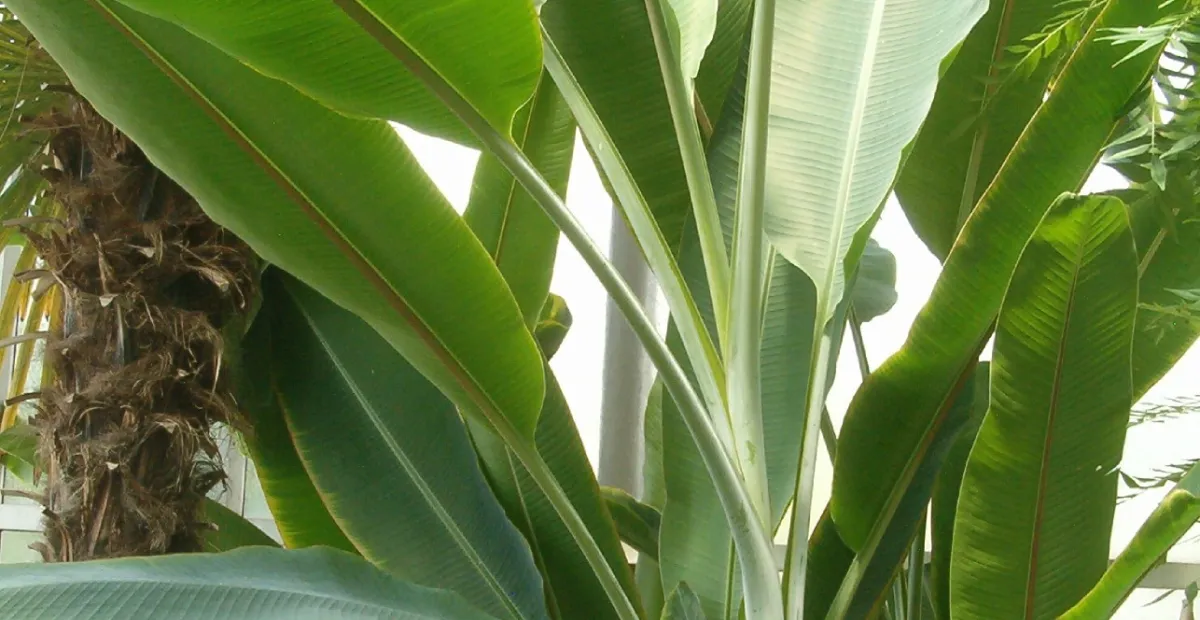
 Source:
 Abaca (Musa textilis) short overview
Abaca is a vigorous tropical banana relative from the Philippines, grown primarily for the exceptionally strong fiber extracted from its leaf sheaths. It forms clumps of tall pseudostems topped with broad, deep-green leaves and produces hanging inflorescences with separate female and male flower zones. In the United States, it is best treated as a frost-tender specimen or container plant requiring warmth, humidity, shelter, and a long growing season.
Taxonomic classification
Abaca (Musa textilis) care guide
Light and placement
Give Abaca full sun in humid, frost-free climates, ideally with morning-to-afternoon exposure and protection from strong drying winds. In containers, bright filtered light or a few hours of direct sun can reduce leaf scorch. Too little light produces weak, elongated growth and smaller leaves; excessive heat combined with dry air can cause browned margins, torn foliage, and sunscald.
Watering and humidity
Water thoroughly whenever the upper inch of soil begins to dry, then allow excess water to drain completely. Keep the root zone evenly moist during active growth and reduce frequency during cool indoor winter conditions without allowing the plant to become bone dry. High humidity supports larger, cleaner leaves, but avoid constantly wet foliage and stagnant air, which encourage fungal problems.
Soil and growing medium
Use a fertile, moisture-retentive but porous mix containing compost or other organic matter with bark, coco coir, or coarse material for aeration. Outdoor soil should drain freely and never remain waterlogged around the corm. A slightly acidic to neutral reaction is suitable; compacted clay or chronically saturated soil can restrict the shallow, spreading root system and promote rot.
Feeding
Feed during active growth with a complete balanced fertilizer at label strength every 3–4 weeks, or use a controlled-release formulation supplemented with compost. Container plants may need more consistent nutrition because frequent watering leaches nutrients. Do not fertilize newly divided plants until they show fresh growth, and pause or greatly reduce feeding during cool, low-light winter conditions.
Growth and habit
Abaca grows as a clump of multiple pseudostems arising from a corm and short rhizomes. Individual stems flower and then decline, while suckers maintain the clump. Remove spent stems after fiber harvest or flowering, and thin crowded offsets when air circulation, access, or container space becomes limited.
Planting and repotting
Choose a warm, sheltered site with fertile soil, reliable moisture, and protection from strong wind. Set rooted suckers or corm sections at their original depth and water deeply after planting. Mulch the root zone without covering the growing point. Establishment is fastest when planting is done during warm weather with consistently moist soil.
Repot container plants when roots fill the mix or the clump becomes unstable, preferably in warm spring or early summer. Move into a heavy, wide container with drainage holes and only one size larger unless dividing the clump. Use a rich, airy mix and keep the corm at its previous depth.
Propagation and pruning
Propagation
Propagate commercially and horticulturally by separating rooted suckers or dividing the corm and short rhizomes during warm, active growth. Seed propagation is possible because the fruit is seeded, but seedlings are slower and less uniform. Keep divisions warm, evenly moist, and shaded from harsh midday sun until new growth appears.
Pruning
Remove dead, damaged, or diseased leaves at the base with clean tools. After flowering or fiber harvest, cut the spent pseudostem close to the ground and remove weak or overcrowded suckers. Avoid injuring the corm or retaining ragged stubs that collect water and decay.
Overwintering
Abaca is not frost tolerant. Move containers indoors before nights approach 50°F and place them in the brightest warm location available. Reduce watering in winter but do not allow the root ball to dry completely. In marginal outdoor areas, a protected heated greenhouse is more reliable than heavy wrapping because prolonged cold can damage the corm.
Uses
Abaca is the principal commercial source of abacá or Manila hemp fiber, extracted mainly from the leaf sheaths and used in cordage, specialty paper, textiles, handicrafts, geotextiles, and other durable fiber products. In the United States it is primarily a botanical, tropical-foliage, or container specimen rather than a practical fiber crop because outdoor production requires a long frost-free season.
Appearance
The apparent trunk is a pseudostem formed by tightly overlapping leaf sheaths, sometimes marked with brown, reddish, purple, or nearly black streaking near the base. Leaves are long, narrow-oblong, deep green above, and often glaucous beneath. The plant has a strongly architectural, banana-like silhouette but is distinguished by its fiber-producing sheaths and inedible, seed-filled fruit.
Flowering
The inflorescence hangs from a long stalk and carries female flowers in the basal three to six bract groups, with male flowers farther toward the tip. Bracts are leathery and overlapping, green outside with pinkish shading and dull brown interiors. A flowering pseudostem normally declines afterward, while other stems in the clump continue growing.
Pollination and visitors
Abaca has bat-pollinated flowers adapted to hanging inflorescences. Small fruit bats, including Macroglossus minimus in Indonesian observations, can transfer pollen between the separated female and male flower zones. Self-pollination is not normally possible because the female flowers mature earlier, although pollen exchange between stems of the same clump can occur.
Musa textilis photos
Click any photo for a larger view. Source, author and license are shown separately.
Diseases and pests
Diseases
Prevent problems by using clean planting material, avoiding waterlogged soil, improving air circulation, and removing spent or infected pseudostems promptly. Watch for leaf spots, soft corm or pseudostem rot, and wilt. Isolate affected containers, remove diseased tissue with sterilized tools, and avoid overhead irrigation when foliage remains wet for long periods.
Pests
Inspect leaf undersides, petioles, and pseudostem bases for spider mites, aphids, scale, mealybugs, thrips, and caterpillars. Dry indoor air favors mites, while dense, humid growth can conceal sap-feeders. Rinse foliage, improve humidity and ventilation balance, remove heavily infested tissue, and use insecticidal soap or horticultural oil only according to the product label.
Related diseases and pests
Only Plant Doctor profiles whose host data indicate this plant may be affected are shown here.
 PestCitrus mealybugPlanococcus citri
 DiseaseFusarium wiltFusarium oxysporum species complex
 PestBrown Soft ScaleCoccus hesperidum
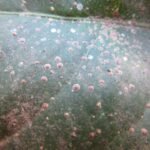 PestCalifornia red scaleAonidiella aurantii
 Environmental stressChilling injury
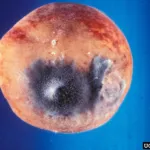 DiseaseRhizopus soft rotRhizopus stolonifer
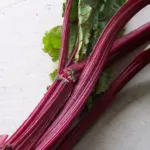 DiseaseBacterial soft rotPectobacterium carotovorum
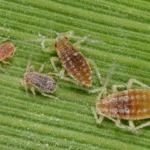 PestMealy Plum AphidHyalopterus pruni (Geoffroy, 1762)
Toxicity and pollen
Reliable species-specific human and veterinary toxicity evidence for Musa textilis is limited. Do not treat the plant as confirmed edible simply because some other Musa species have edible parts. Prevent children and pets from chewing plant material, and seek medical or veterinary advice if significant ingestion causes symptoms.
- Pollination / pollen
- Pollen is released within a tropical, animal-pollinated inflorescence; airborne exposure is not well characterized.
Abaca is primarily bat-pollinated, and its pollen is presented within a hanging tropical inflorescence rather than released as a conspicuous wind-borne cloud. However, species-specific airborne pollen and clinical allergy data are limited, so a zero-allergy claim is not justified. People with strong pollen sensitivity should avoid handling flowering material closely.
Native habitat
The species is native to the Philippines and is associated with wet tropical conditions, warm temperatures, abundant rainfall, and fertile, well-drained soils. Its roots are concentrated near the soil surface, while the clumping corm and rhizomes support repeated sucker production. It performs poorly where cold, drought, strong desiccating winds, or stagnant water persist.
Interesting fact
Abaca is a banana relative cultivated for fiber rather than edible fruit. Its pseudostems are built from leaf sheaths, not woody tissue. Mature clumps can contain many stems at different ages. The fruit is a berry with numerous irregular black seeds and scant, inedible pulp. Plants grown from suckers may flower sooner than those established from corms.
Frequently asked questions (FAQ)
The most relevant questions about this plant, with short and direct answers.
🌱Quick care
What is Abaca (Musa textilis)?⌄
Abaca is a tropical, fiber-producing banana relative in the Musaceae family. It is grown primarily for its strong leaf-sheath fiber rather than edible fruit.
How much light does Abaca need?⌄
Abaca grows best in full sun to bright filtered light. In hot, dry climates, afternoon shade can help reduce leaf scorch and moisture loss.
How often should I water Abaca?⌄
Water Abaca regularly to keep the soil evenly and consistently moist. Do not allow the roots to sit in stagnant water, because waterlogging can cause root and corm problems.
Is Abaca frost hardy?⌄
No, Abaca is frost-tender and should be protected when temperatures approach or fall below 50°F. Move container plants indoors or provide reliable cold protection before frost occurs.
What soil is best for Abaca?⌄
Use rich, loose, well-drained soil that retains even moisture. Incorporating compost or other organic matter can improve fertility and moisture balance.
🌤️Environment and placement
Can Abaca grow outdoors in the United States?⌄
Abaca can grow outdoors year-round only in warm, frost-free parts of the United States. Elsewhere, grow it in a container and overwinter it indoors or in a protected greenhouse.
What USDA hardiness zones are suitable for Abaca?⌄
Abaca is best suited to frost-free tropical and subtropical conditions rather than cold-winter gardens. In the United States, local microclimate matters, but plants should be protected whenever temperatures may fall below 50°F.
Can Abaca grow in full sun?⌄
Yes, Abaca can grow in full sun when its soil stays evenly moist. Bright filtered light or partial afternoon shade may be preferable in areas with intense heat, reflected light, or dry air.
Does Abaca tolerate wind?⌄
Abaca does not tolerate strong wind well because its large leaves can tear and the plants can be damaged. Plant it in a sheltered location or use windbreaks in exposed gardens.
Can Abaca grow in shade?⌄
Abaca tolerates bright filtered shade but grows less vigorously in deep shade. Provide bright indirect light indoors and some direct sun outdoors when moisture is sufficient.
How much humidity does Abaca need?⌄
Abaca prefers high humidity and consistently moist conditions. Indoors, improve humidity with a humidifier, a grouped-plant setup, or a naturally humid room while maintaining good air circulation.
💧Care and problems
Why are Abaca leaves turning brown?⌄
Brown Abaca leaves are commonly caused by dry soil, low humidity, intense heat, wind, or cold exposure. Check moisture first, then protect the plant from drafts, harsh afternoon sun, and temperatures below its preferred range.
Why are Abaca leaves curling or drooping?⌄
Curling or drooping usually indicates water stress, excessive heat, low humidity, or root damage. Keep the soil evenly moist and confirm that the container or planting site drains freely.
How do I fertilize Abaca?⌄
Feed actively growing Abaca with a balanced fertilizer according to the product label. Fertilize less often during low-light or cool conditions, when growth naturally slows.
Does Abaca need pruning?⌄
Abaca needs little routine pruning beyond removing dead, torn, or diseased leaves. Cut damaged foliage near its base with clean tools, taking care not to injure the pseudostem or emerging leaves.
What pests affect Abaca plants?⌄
Abaca can be affected by banana-related pests such as weevils, nematodes, and sap-feeding insects. Inspect leaves, leaf bases, and underground planting material regularly, especially before bringing a container indoors.
What diseases affect Abaca?⌄
Important diseases of Abaca include bunchy top and Abaca mosaic, both of which can cause abnormal growth or mottled foliage. Remove and isolate suspicious plants, and use clean, disease-free propagation material.
Why is my Abaca growing slowly?⌄
Slow growth is usually caused by insufficient warmth, light, moisture, nutrients, or root space. Abaca grows most vigorously when conditions are consistently warm, humid, bright, and well drained.
🪴Planting and repotting
When should I plant Abaca outdoors?⌄
Plant Abaca outdoors after the danger of frost has passed and soil temperatures are warm. In the United States, late spring is generally safer in areas with cool winters, while frost-free regions can plant during warm, moist weather.
How do I plant Abaca in the ground?⌄
Plant Abaca in rich, loose, well-drained soil with steady moisture and enough room for clumping growth. Set the plant at the same depth it was growing and water thoroughly after planting.
How far apart should Abaca plants be spaced?⌄
Give Abaca several feet of spacing so each clump has room to expand and air can circulate around the foliage. Commercial spacing varies by cultivar and purpose, so home gardeners should prioritize mature width and access.
Can Abaca grow in a container?⌄
Yes, Abaca grows well in a large container with drainage holes and rich, moisture-retentive potting mix. Container growing is especially useful in the United States because the plant can be moved indoors before cold weather.
When should I repot Abaca?⌄
Repot Abaca when roots fill the container, growth becomes stagnant, or the plant dries out unusually fast. Move it into a pot only a few inches wider and repot during active warm-season growth when possible.
How do I overwinter Abaca indoors?⌄
Bring Abaca indoors before temperatures drop below 50°F and place it in the brightest available light. Reduce watering somewhat in lower indoor light, but do not let the potting mix become completely dry.
✂️Propagation and pruning
How do you propagate Abaca?⌄
Abaca can be propagated from suckers, corms, corm sections, seed, or tissue culture. For home growing, healthy suckers or corm pieces are generally more practical than seed because they establish more predictably.
Can Abaca be grown from seed?⌄
Yes, Abaca can be grown from seed, but seedlings may take longer to mature and may not reproduce the parent plant consistently. Use fresh, viable seed and provide warm, evenly moist conditions for germination.
How do I divide Abaca pups or suckers?⌄
Separate a vigorous Abaca sucker with a section of attached corm and, ideally, some roots. Replant it promptly in moist, well-drained mix and keep it warm and humid while new roots develop.
Can I cut back Abaca after frost damage?⌄
Yes, remove leaves or pseudostem sections that have become fully brown and collapsed after cold damage. Wait until the extent of injury is clear, because living tissue may still help the plant recover.
⚠️Toxicity and safety
Is Abaca poisonous to people or pets?⌄
Abaca toxicity is not well established, so it should not be treated as confirmed safe for people or pets. Keep it away from chewing animals and children, and contact a medical or veterinary professional if plant material is swallowed.
Is Abaca the same as a banana plant?⌄
Abaca is a true Musa species and belongs to the same banana-plant group as edible bananas and plantains. However, it is primarily cultivated for fiber and should not be assumed to produce ordinary edible bananas.
🌸Flowering and special interest
Does Abaca produce flowers?⌄
Yes, mature Abaca plants produce a large hanging flower and fruit structure typical of Musa species. Flowering is more likely when the plant receives sustained warmth, moisture, and adequate growing space.
Does Abaca produce edible fruit?⌄
Abaca may produce banana-like fruit, but it is grown for fiber rather than as a dependable edible-fruit crop. Do not assume the fruit is suitable for eating unless its identity and edibility have been specifically confirmed.
How long does Abaca take to mature?⌄
Abaca commonly requires many months to reach harvestable maturity, with some production systems reporting roughly 15–18 months from transplanting to the first harvest. Timing varies with cultivar, climate, and growing conditions.
What is Abaca fiber used for?⌄
Abaca fiber is used for cordage, specialty paper, textiles, ropes, mats, and other durable fiber products. The fiber comes mainly from the leaf sheaths surrounding the plant’s pseudostem.
Similar plants
 Azure Monkshood (Aconitum carmichaelii) care guideAconitum carmichaelii
 Monkshood (Aconitum ‘Stainless Steel’)Aconitum 'Stainless Steel'
 Monkshood (Aconitum ‘Bressingham Spire’)Aconitum 'Bressingham Spire'
 Golden full moon maple (Acer shirasawanum ‘Aureum’)Acer shirasawanum 'Aureum'
 Globosum (Acer platanoides ‘Globosum’)Acer platanoides 'Globosum'
 Striped maple (Acer pensylvanicum) care guideAcer pensylvanicum