
 Source:
 Opuntia scheeri short overview
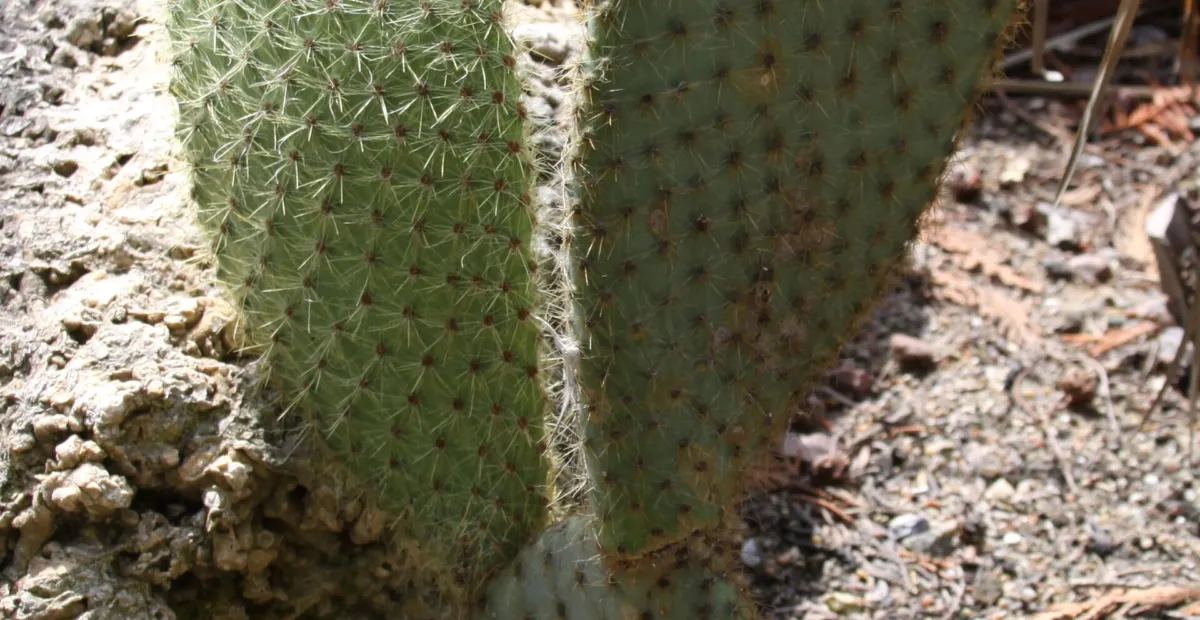
Opuntia scheeri is an accepted cactus species native to northeastern and southwestern Mexico. It forms broad, ascending clumps of large olive-green pads marked by dense areoles and fine, flexible spines arranged in star-like patterns. Lemon-yellow flowers may be followed by unusual fuchsia-red, spiny fruit. Give it intense sun, very fast drainage, restrained watering, and winter protection in colder parts of the United States.
Taxonomic classification
Opuntia scheeri care guide
Light and placement
Provide at least 6 hours of direct sun, ideally in a south- or southwest-facing position. Strong light keeps pads compact and supports flowering. Too little light causes elongated, weak growth and fewer flowers; sudden exposure after indoor culture can scorch pads, so acclimate gradually.
Watering and humidity
Water deeply, then allow the substrate to dry completely before watering again. In spring and summer, the interval may be roughly 2–4 weeks depending on heat, pot size, and drainage. Reduce sharply in fall and keep nearly dry through cold winter weather. Do not mist; humidity is not needed.
Soil and growing medium
Use a gritty, rapidly draining cactus substrate with abundant mineral material such as pumice, coarse sand, or crushed rock. A near-neutral to slightly alkaline reaction is suitable. Avoid heavy clay and organic-rich mixes that remain wet around the roots, especially during cool weather.
Feeding
Feed only during active warm-season growth, using a dilute, low-nitrogen cactus fertilizer once in spring and optionally once in early summer. Do not fertilize newly rooted cuttings, stressed plants, or plants entering winter rest. Excess nitrogen can produce weak, overly lush pads.
Growth and habit
This cactus develops an ascending, broadening clump rather than a solitary column. Mature plants can become substantial shrubs in suitable dry climates. Remove damaged pads at a joint and keep new growth open to improve access and reduce accidental contact with glochids.
Planting and repotting
Plant outdoors after the danger of prolonged cold and wet conditions has passed, choosing a raised or sloping site. Set the root crown at the original soil level rather than deeply burying the stem. Keep the surrounding soil dry until roots establish, and provide generous spacing for the eventual clump.
Repot container plants in spring or early summer when growth is beginning. Use thick gloves, folded cardboard, or long-handled tools to protect against glochids. Move into a pot only slightly larger than the root ball and allow damaged roots to dry before watering.
Propagation and pruning
Propagation
Propagate readily from mature pad cuttings during warm, dry weather. Let cut surfaces callus for several days to a few weeks, then place the basal portion in dry, gritty medium. Water sparingly only after rooting begins. Seed propagation is possible but slower and more variable.
Pruning
Prune only to remove damaged, diseased, overcrowded, or dangerously positioned pads. Cut at a joint during warm, dry weather with disinfected tools. Allow wounds to callus before rain or irrigation. Wear eye protection and use long tools because glochids can become airborne during handling.
Overwintering
Keep plants dry during cold weather. In USDA Zone 8 or exposed sites, cover against rain and prolonged freezes or move containers to a bright, cool, frost-free shelter. Avoid placing dormant plants in warm, dim rooms, which encourages weak growth.
Uses
Useful as a drought-tolerant architectural specimen in rock gardens, xeric beds, and large containers. Its flowers and fruit add seasonal interest, but spiny pads and glochids make it unsuitable beside paths, play areas, or animal-access routes. Do not harvest fruit unless identity and safe glochid removal are certain.
Appearance
The plant has large, obovate, flattened cladodes in olive to chartreuse green. Areoles are dense and evenly distributed, with numerous fine, flexible spines radiating in a star-like pattern. Orange-brown glochids occur in spring tufts. The fruit is reddish and areolate, with a hairy-looking spiny surface.
Flowering
The flowers are lemon yellow and cup-shaped, with numerous tepals, pale-yellow stamens, a white style, and a dark-green, many-lobed stigma. Flowering is reported in spring to early summer. Fertilized flowers can develop into reddish, areolate fruit with pink to white pulp.
Pollination and visitors
The large, pollen-rich flowers of Opuntia are characteristic insect-visited cactus flowers, and bees are the most defensible visitor group for this species-level profile. Direct, species-specific visitor records for O. scheeri are sparse, so no particular bee species is assigned.
Opuntia scheeri photos
Click any photo for a larger view. Source, author and license are shown separately.
Diseases and pests
Diseases
Root and stem rot are the main risks when soil stays wet, particularly in cool conditions. Improve drainage, water only after the mix has dried, and remove soft, discolored tissue with sterile tools. Allow cuts to callus before replanting. Good air movement helps reduce fungal problems.
Pests
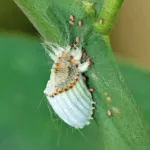
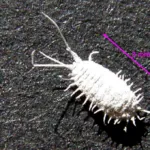
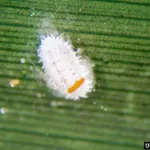
Watch for cochineal scale, mealybugs, armored scale, and occasional cactus bugs. Inspect areoles and pad joints regularly. Remove isolated infestations with a cotton swab or targeted horticultural treatment, avoiding excess moisture. Quarantine new plants and do not stress the cactus with frequent watering.
Related diseases and pests
Only Plant Doctor profiles whose host data indicate this plant may be affected are shown here.
Toxicity and pollen
No reliable species-specific evidence establishes Opuntia scheeri as poisonous to people or pets. The practical hazard is mechanical: rigid spines and detachable glochids can penetrate skin, eyes, fur, and clothing. Handle with tools and gloves, keep away from children and animals, and remove glochids promptly if contact occurs.
- Typical season
- Typically late spring to early summer where it flowers in the United States
- Pollination / pollen
- Flower pollen, mainly transferred by visiting insects
Airborne allergy relevance for O. scheeri has not been adequately documented. Its flowers are insect-visited, but insect pollination does not prove zero allergy risk. Avoid handling open flowers near sensitive eyes or airways, and consult a clinician for persistent reactions.
Native habitat
The species is native to dry shrubland and desert environments in Mexico, where warmth, intense light, seasonal dryness, and rapidly draining mineral soils are important ecological conditions. It is associated with xeric settings and can tolerate cold better than many tropical cacti when kept dry.
Interesting fact
The species is distinguished by fine, flexible spines arranged in star-like patterns around its areoles. Its large pads may reach roughly 8 by 12 inches. The reddish fruit has a hairy-looking surface because areoles and flexible spines cover the exterior. Kew lists the species as native to northeastern and southwestern Mexico.
Frequently asked questions (FAQ)
The most relevant questions about this plant, with short and direct answers.
🌱Quick care
What is Opuntia scheeri?⌄
Opuntia scheeri is a large, branching prickly pear cactus in the Cactaceae family. It develops flattened olive-green pads, conspicuous spines and glochids, yellow flowers, and red, fleshy fruit.
How much sunlight does Opuntia scheeri need?⌄
Give Opuntia scheeri full sun, ideally at least 6 hours of direct sunlight daily. Strong light helps maintain compact growth and supports flowering.
How often should I water Opuntia scheeri?⌄
Water Opuntia scheeri deeply but infrequently, allowing the soil to dry completely between waterings. Reduce watering sharply in winter and keep the plant nearly dry during prolonged cold or wet weather.
What soil is best for Opuntia scheeri?⌄
Use a gritty cactus mix amended with extra pumice, perlite, coarse sand, or gravel. The soil must drain sharply because constantly wet roots can rot the plant.
🌤️Environment and placement
Can Opuntia scheeri grow outdoors in the United States?⌄
Opuntia scheeri can grow outdoors in warm, dry parts of the United States when planted in full sun and sharply drained soil. In colder, wetter, or humid regions, container culture or winter protection is safer.
What USDA hardiness zone is Opuntia scheeri?⌄
Opuntia scheeri is generally treated as a warm-climate prickly pear, with some horticultural references listing about USDA Zone 9b as a lower limit. Because hardiness information is limited and wet cold increases damage, protect it in colder climates.
Can Opuntia scheeri tolerate frost?⌄
Opuntia scheeri may tolerate brief light frost when dry and acclimated, but it should be protected from repeated hard freezes and cold, wet conditions. Move container plants under cover before freezing weather.
Where should I plant Opuntia scheeri outdoors?⌄
Plant it in the sunniest, driest part of the garden, preferably on a slope, raised bed, or gravelly mound. Keep it away from walkways, play areas, and places where people or pets may brush against the pads.
💧Care and problems
Why is my Opuntia scheeri turning soft or collapsing?⌄
Soft, collapsing pads usually indicate overwatering, poor drainage, frost injury, or rot. Remove affected tissue with a sterile tool, let wounds dry, and correct the soil and watering conditions before watering again.
Why is my Opuntia scheeri wrinkled?⌄
Wrinkled pads usually mean the plant is using stored water during drought, cold weather, or root stress. Water only when the soil is fully dry, and check the roots if the pads remain shriveled after suitable watering.
How do I prevent root rot in Opuntia scheeri?⌄
Prevent root rot by using a very fast-draining mix, a pot with drainage holes, and a dry period between thorough waterings. Never let the container stand in a saucer of water.
Why is my Opuntia scheeri growing tall and weak?⌄
Tall, thin, or weak growth usually results from insufficient direct light. Move the plant gradually into stronger sun to reduce scorch risk, and avoid frequent watering while it is adjusting.
Does Opuntia scheeri need fertilizer?⌄
Opuntia scheeri needs little fertilizer and can grow well without regular feeding. If growth is weak, apply a diluted, low-nitrogen cactus fertilizer once in spring or early summer while the plant is actively growing.
🪴Planting and repotting
Can Opuntia scheeri be grown in a pot?⌄
Yes, Opuntia scheeri grows well in a heavy container filled with gritty cactus soil and fitted with drainage holes. Choose a stable pot because the plant can become broad and top-heavy as it branches.
When should I repot Opuntia scheeri?⌄
Repot Opuntia scheeri in spring or early summer when active growth is beginning. Allow damaged roots to dry before planting, and wait several days before the first thorough watering.
✂️Propagation and pruning
How do you propagate Opuntia scheeri from a pad?⌄
Propagate Opuntia scheeri by cutting a healthy pad at a joint, letting the cut end callus for several days, and placing it upright in barely moist or dry gritty soil. Begin light watering only after roots start to form.
Can Opuntia scheeri be grown from seed?⌄
Yes, Opuntia scheeri can be grown from seed, although seedlings are slower and less uniform than pad cuttings. Sow in a sterile, gritty medium with warmth, bright light, and careful moisture control.
How should I prune Opuntia scheeri?⌄
Prune Opuntia scheeri by removing damaged, diseased, overcrowded, or dangerously positioned pads at their joints. Wear thick gloves and use long-handled tools, then allow cut surfaces to dry before exposure to rain or irrigation.
⚠️Toxicity and safety
Are Opuntia scheeri spines dangerous?⌄
Opuntia scheeri presents a significant mechanical injury risk because its pads carry larger spines and fine, barbed glochids. Handle it with thick gloves, eye protection, and tools, and keep it away from high-traffic areas.
Is Opuntia scheeri poisonous to people or pets?⌄
There is limited plant-specific evidence of serious chemical toxicity for Opuntia scheeri, but its spines and glochids can cause painful skin, eye, and mouth injuries. Treat the plant as unsafe to chew and seek medical or veterinary advice after ingestion or puncture injuries.
🌸Flowering and special interest
What color are Opuntia scheeri flowers?⌄
Opuntia scheeri produces lemon-yellow to yellow flowers that may develop warmer salmon or reddish tones as they age. Flowers are followed by rounded red fruit covered with areoles and fine spines.
When does Opuntia scheeri flower?⌄
Opuntia scheeri generally flowers during the warm growing season, often from late spring into summer under suitable conditions. Mature plants with full sun, dry winter rest, and adequate warmth are more likely to bloom.
Why is my Opuntia scheeri not flowering?⌄
The most common reasons are insufficient sunlight, an immature plant, excessive winter warmth or moisture, and poor growing conditions. Provide full sun, sharply drained soil, a drier winter rest, and patience as the plant matures.
Similar plants
 Azure Monkshood (Aconitum carmichaelii) care guideAconitum carmichaelii
 Monkshood (Aconitum ‘Stainless Steel’)Aconitum 'Stainless Steel'
 Monkshood (Aconitum ‘Bressingham Spire’)Aconitum 'Bressingham Spire'
 Golden full moon maple (Acer shirasawanum ‘Aureum’)Acer shirasawanum 'Aureum'
 Globosum (Acer platanoides ‘Globosum’)Acer platanoides 'Globosum'
 Striped maple (Acer pensylvanicum) care guideAcer pensylvanicum