
 Source:
 Aylostera deminuta short overview
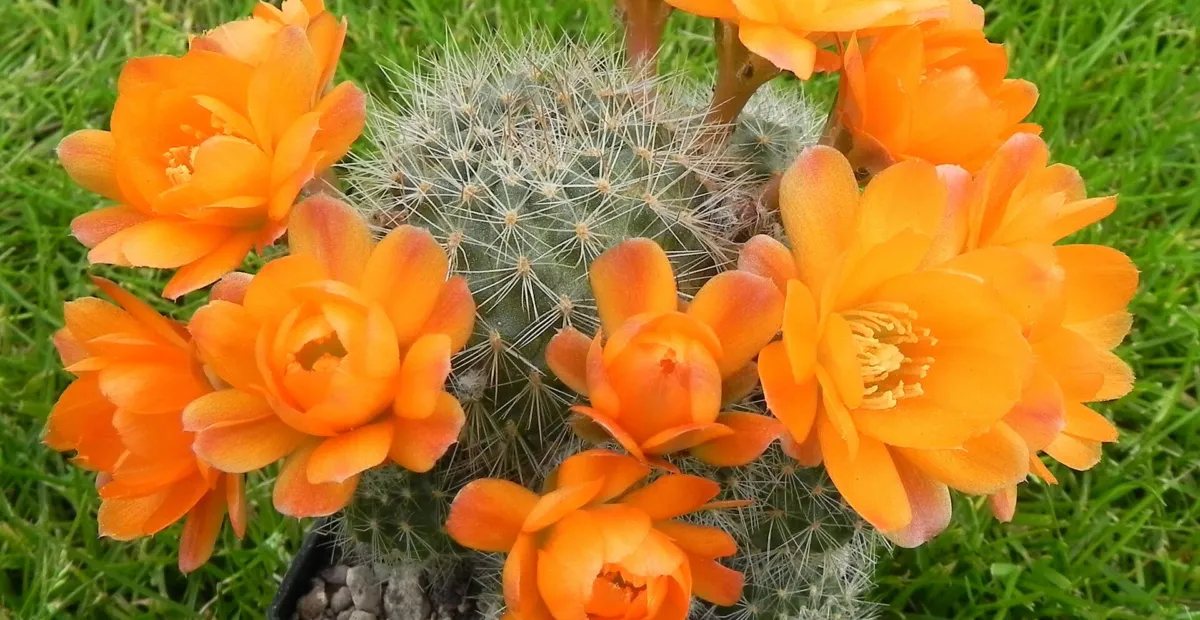
Aylostera deminuta is a small, clustering Andean cactus with ribbed green stems, fine spines and vivid orange-red to scarlet flowers. Grow it in strong light, sharply draining cactus soil and a dry winter rest. This compact species is suited to containers, rock-garden displays and specialist collections, but its variable taxonomic history means cultivated plants may appear under older Rebutia names.
Taxonomic classification
Aylostera deminuta care guide
Light and placement
Provide several hours of direct sun indoors or bright filtered light behind glass, with a south, southeast or southwest exposure preferred. Acclimate gradually when moving from shade to strong summer sun because pale or recently repotted tissue can scorch. Low light produces stretched, weak stems and fewer flowers; harsh unventilated glasshouse heat can cause sun stress.
Watering and humidity
Water thoroughly only when the mix is fully dry, allowing excess to drain completely. During spring and summer, a deep watering followed by a dry interval is preferable to frequent sips. Reduce watering as temperatures fall and keep the plant dry through its winter rest. Never water cold, dormant plants in poorly ventilated conditions.
Soil and growing medium
Use a predominantly mineral cactus mix containing pumice, perlite, coarse grit or lava with a modest organic component. The pot must drain freely and never stand in a saucer of water. A slightly acidic to neutral reaction is suitable; avoid dense clay, rich compost and persistently wet media.
Feeding
Feed only during active spring and summer growth. Apply a balanced or cactus fertilizer diluted to about one-quarter to one-half strength, preferably low in nitrogen, every four to six weeks when the plant is well hydrated. Do not fertilize during the winter rest, immediately after repotting or when roots are dry or damaged.
Growth and habit
This is a small, slow-growing cactus that may remain solitary or produce offsets to form a compact colony. Strong light helps maintain short, firm stems, while excess water or low light can cause weak, elongated growth. Remove dead flowers and keep crowded clumps ventilated rather than routinely cutting healthy stems.
Planting and repotting
Plant container specimens at the same depth as before, keeping the stem base above the substrate line. Establish in spring after bright conditions are available. Leave enough room for offsets to develop, or use a shallow pan for a wider colony.
Repot in late winter or early spring, before active growth, using a dry mix and a container only slightly larger than the root system. Handle the roots gently and wait about one to two weeks before watering so damaged roots can callus and rot risk is reduced.
Propagation and pruning
Propagation
Separate offsets in spring or early summer after allowing detached pieces to dry and callus. Seed propagation is also possible using a well-drained mineral-leaning seed mix, warmth and careful moisture. Offset propagation preserves the parent form; seed-grown plants may be variable.
Pruning
No routine pruning is required. Remove spent flowers, dead offsets or damaged tissue with a sterile tool. If rot is present, cut back to clean, firm tissue and keep the wound dry; healthy stems should not be shortened merely to control size.
Overwintering
Keep completely dry in winter in a bright, cool location, ideally around 40–50°F, while protecting it from prolonged temperatures below its documented light-frost tolerance. In colder US climates, overwinter indoors or in a frost-free greenhouse. Resume watering gradually in spring when growth begins.
Uses
Primarily an ornamental collector’s cactus for shallow containers, windowsills, greenhouses, alpine-house displays and sheltered rock gardens. Its compact clumping habit and vivid lateral flowers provide strong display value. It has no established culinary or medicinal use supported here; do not ingest it.
Appearance
The plant has short, globose to shortly cylindrical green stems divided into ribs or tuberculate ribs. Areoles are densely set and carry fine pale radial spines, sometimes accompanied by darker central spines. The surface is usually textured rather than smooth, and offsets may arise around the base to create a low, many-headed clump.
Flowering
Flowers arise from the lower sides of the stems rather than from a terminal crown. They are funnel-shaped and showy, commonly orange-red, fiery orange or scarlet, with flowering usually concentrated in spring under cultivation. Exact flower traits vary across the broad species concept and older names treated as synonyms.
Pollination and visitors
Reliable species-specific pollinator records were not located. The conspicuous, open funnel-shaped flowers may be visited by insects, but a characteristic visitor group cannot be assigned confidently from the available evidence.
Aylostera deminuta photos
Click any photo for a larger view. Source, author and license are shown separately.
Diseases and pests
Diseases
The principal risk is root or stem rot caused by wet compost, poor drainage or cool-season watering. Use porous media, provide air movement and inspect the stem base for soft, discolored tissue. Remove affected tissue only if the damage is localized, then allow the plant to dry before re-rooting or repotting.
Pests
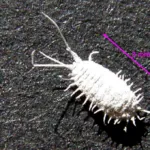
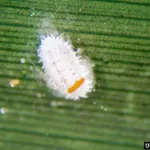
Watch for mealybugs, scale and root pests, especially where plants are crowded or poorly ventilated. Inspect areoles, crevices and roots during repotting. Remove small infestations with a cotton swab and suitable horticultural treatment; isolate affected plants and correct excess moisture or weak light.
Related diseases and pests
Only Plant Doctor profiles whose host data indicate this plant may be affected are shown here.

Toxicity and pollen
No authoritative source located in this review documents species-specific poisoning in humans, dogs, cats or children. The practical hazard is mechanical injury from spines and irritation if plant material is chewed. Keep away from pets and young children, handle with tools or gloves, and do not treat missing toxicity data as proof of edibility.
- Pollination / pollen
- Not documented; likely insect-associated pollen release
A species-specific airborne pollen or allergy profile was not located. As a cactus with insect-associated flowers, pollen is not expected to be freely wind-dispersed in the same way as anemophilous plants, but that does not establish zero allergy risk. People with known plant allergies should avoid contact with pollen and flowers if symptoms occur.
Native habitat
The species is native from Bolivia to northwestern Argentina, where it occurs in dry shrubland, desert or montane dry environments. Populations are associated with Andean landscapes and seasonally dry conditions, so cultivation should provide intense light, rapid drainage and a pronounced dry period rather than continuously moist soil.
Interesting fact
The name has a long taxonomic history, including Echinopsis deminuta and Rebutia deminuta. Modern molecular and taxonomic treatments have broadened the species concept, placing several formerly separate Aylostera names within it. Flowers commonly appear from the sides of the stem, a characteristic feature of many related small rebution cacti.
Frequently asked questions (FAQ)
The most relevant questions about this plant, with short and direct answers.
🌱Quick care
What is Aylostera deminuta?⌄
Aylostera deminuta is a small, clump-forming cactus in the Cactaceae family, native to Bolivia and northwestern Argentina. It is also commonly encountered in older references and plant listings as Rebutia deminuta.
How much light does Aylostera deminuta need?⌄
Give Aylostera deminuta full sun to bright filtered light. Indoors, place it in a very bright south- or west-facing window, but acclimate it gradually to strong direct sun to prevent sunburn.
How often should I water Aylostera deminuta?⌄
Water Aylostera deminuta thoroughly only after its soil has dried completely. Reduce watering sharply in winter and keep it nearly dry during its cool winter rest.
What soil is best for Aylostera deminuta?⌄
Use a rocky, gritty cactus mix that drains sharply and dries quickly. A mix containing substantial pumice, perlite, coarse sand, or other mineral material is safer than moisture-retentive potting soil.
🌤️Environment and placement
Can Aylostera deminuta grow indoors?⌄
Yes, Aylostera deminuta can grow indoors if it receives very bright light and excellent airflow. Keep it away from consistently humid rooms and avoid placing it directly against a cold window in winter.
Can Aylostera deminuta grow outside in the United States?⌄
It can grow outdoors in warm, dry locations when protected from frost and prolonged rain. In colder USDA zones, grow it in a container so it can be moved indoors before freezing weather.
What temperatures can Aylostera deminuta tolerate?⌄
Aylostera deminuta should be protected from frost and freezing temperatures. A cool, dry winter rest is beneficial, but wet soil combined with cold conditions greatly increases the risk of rot.
Does Aylostera deminuta need humidity?⌄
No, Aylostera deminuta does not need high humidity and generally prefers dry, well-ventilated conditions. Avoid enclosed, damp spaces where moisture remains around the roots or stem.
💧Care and problems
Why is my Aylostera deminuta turning pale or stretched?⌄
Pale, elongated growth usually indicates insufficient light. Move the cactus gradually toward stronger light and maintain careful watering, because sudden intense sun can scorch growth that developed in shade.
Why is my Aylostera deminuta becoming soft?⌄
A soft or collapsing stem commonly indicates overwatering, poor drainage, cold wet soil, or advanced rot. Stop watering, inspect the roots and stem, and remove damaged tissue only if firm, healthy tissue remains.
Why is Aylostera deminuta losing its offsets?⌄
Offsets may detach naturally as a clump expands, but repeated loss can also follow overwatering, root damage, abrupt environmental changes, or weak growth from inadequate light. Let any detached offset callus before attempting to root it.
Should I fertilize Aylostera deminuta?⌄
Fertilize sparingly during active growth with a diluted, low-nitrogen cactus fertilizer. Do not fertilize during the winter rest or when the plant is dry, stressed, recently repotted, or showing signs of root damage.
What pests affect Aylostera deminuta?⌄
Mealybugs, scale, and root mealybugs can affect Aylostera deminuta. Inspect areoles, offsets, and the root zone regularly, especially when bringing plants indoors or receiving new plants.
🪴Planting and repotting
What type of pot is best for Aylostera deminuta?⌄
Use a pot with a drainage hole that is only slightly larger than the root system. Unglazed clay can help the mix dry faster, while any container is suitable if watering is adjusted to its drying speed.
When should I repot Aylostera deminuta?⌄
Repot Aylostera deminuta at the beginning of its active growing season or when the mix has broken down, the roots fill the pot, or drainage has declined. Allow damaged roots to dry briefly before watering after repotting.
How do I repot Aylostera deminuta safely?⌄
Handle the plant with folded paper, gloves, or cactus tongs, remove old compacted soil, and replant it at the same depth in dry gritty mix. Wait several days before watering so disturbed roots can heal.
✂️Propagation and pruning
How do I propagate Aylostera deminuta from offsets?⌄
Separate a healthy offset with a sterile knife or by gently twisting it away, then let the cut surface callus for several days. Set it on or shallowly into dry gritty cactus mix and begin light watering only after roots develop.
Can Aylostera deminuta be grown from seed?⌄
Yes, Aylostera deminuta can be propagated from seed, although seedlings grow slowly and require more controlled moisture than mature plants. Sow on a sterile, gritty medium and provide warmth, bright filtered light, and ventilation.
Does Aylostera deminuta need pruning?⌄
Routine pruning is not needed for Aylostera deminuta. Remove only dead, rotting, or severely damaged growth with a sterile tool, and keep the wound dry until it has healed.
⚠️Toxicity and safety
Is Aylostera deminuta poisonous to cats or dogs?⌄
No species-specific toxicity classification is established for Aylostera deminuta, so it should not be treated as confirmed pet-safe. Its spines can injure pets, children, and people, and ingestion of any cactus material may cause irritation or stomach upset.
Are the spines of Aylostera deminuta dangerous?⌄
Yes, the spines can puncture skin and may be difficult to remove. Handle Aylostera deminuta with thick gloves, folded paper, or long-handled tongs, and keep it away from high-traffic areas.
🌸Flowering and special interest
What color are Aylostera deminuta flowers?⌄
Aylostera deminuta typically produces orange to deep red-orange flowers, although cultivated forms and plants treated under different taxonomic names may vary in flower color. Flowers can be relatively large compared with the small stem.
When does Aylostera deminuta bloom?⌄
Aylostera deminuta generally blooms during the active growing season, often in spring or early summer under Northern Hemisphere cultivation. A cool, dry winter rest followed by stronger spring light can help initiate flowering.
Why is my Aylostera deminuta not flowering?⌄
The most common causes are insufficient light, lack of a cool dry winter rest, immaturity, or excessive nitrogen and water. Provide brighter light, keep it drier and cooler in winter, and avoid forcing a young plant to bloom.
How large does Aylostera deminuta get?⌄
Aylostera deminuta remains a small cactus, with individual stems commonly only a few inches across and a mature plant often expanding by producing offsets. Size varies among forms because the name has been applied broadly in some taxonomic treatments.
Does Aylostera deminuta form clumps?⌄
Yes, Aylostera deminuta commonly forms clusters of small globular to short cylindrical stems. Offsets can gradually create a broad, low-growing mound, although some cultivated forms may remain more solitary.
Similar plants
 Azure Monkshood (Aconitum carmichaelii) care guideAconitum carmichaelii
 Monkshood (Aconitum ‘Stainless Steel’)Aconitum 'Stainless Steel'
 Monkshood (Aconitum ‘Bressingham Spire’)Aconitum 'Bressingham Spire'
 Golden full moon maple (Acer shirasawanum ‘Aureum’)Acer shirasawanum 'Aureum'
 Globosum (Acer platanoides ‘Globosum’)Acer platanoides 'Globosum'
 Striped maple (Acer pensylvanicum) care guideAcer pensylvanicum