
 Source:
 Praecereus euchlorus short overview
Praecereus euchlorus is a shrubby, clambering cactus native to parts of South America. Its slender, ribbed green stems begin somewhat upright and later arch or trail, forming a loose thicket when given support. Mature plants can produce nocturnal, funnel-shaped flowers in white to greenish-white shades, followed by oblong red fruit. In the United States, grow it in sharply drained soil, strong light, and a frost-free container or protected garden position.
Taxonomic classification
Praecereus euchlorus care guide
Light and placement
Give full sun to bright filtered light, with several hours of direct light when acclimated. A south- or east-facing window, bright greenhouse bench, or sheltered sunny patio is suitable; provide afternoon protection in extreme desert heat. Insufficient light produces weak, elongated stems and poor flowering, while sudden intense sun can scorch unacclimated tissue.
Watering and humidity
Water thoroughly only after the substrate has dried substantially, then let excess drain completely. During warm active growth, check the pot every 1–3 weeks depending on heat, container size, and airflow; reduce frequency sharply in fall and winter. Never leave the pot standing in water, and keep the root zone nearly dry during cold conditions.
Soil and growing medium
Use a very porous cactus substrate dominated by mineral particles such as coarse sand, pumice, perlite, or fine gravel. The container or planting site must drain rapidly and never remain waterlogged. A slightly acidic to neutral reaction is suitable; avoid dense clay and organic-rich mixes that stay wet around the roots.
Feeding
Feed only during active warm-season growth. Use a balanced or low-nitrogen cactus fertilizer diluted to about one-quarter to one-half of the label strength every 4–6 weeks, or apply a small amount of controlled-release fertilizer according to its label. Do not fertilize dry, stressed, recently repotted, dormant, or cool-season plants.
Growth and habit
This is a variable, shrubby cactus with relatively slender stems that may begin weakly erect and later arch, clamber, or become decumbent. Give it room to spread or provide a support structure. Pruning is mainly for removing damaged growth, controlling direction, and producing cuttings rather than maintaining a compact rosette.
Planting and repotting
Plant outdoors only after frost risk has passed and the soil is warm, or establish it in a container that can be moved under cover. Set it at the same depth as before, keeping the stem base above soggy soil. Provide support where a climbing or arching habit is desired and allow generous air circulation.
Repot in spring or early summer when active growth is beginning. Move the plant into a stable container only one size larger, using fresh sharply draining cactus mix. Handle stems carefully, allow damaged roots to dry briefly, and delay thorough watering for several days after repotting.
Propagation and pruning
Propagation
Propagate from seed or stem cuttings. Sow seed in a sterile, very well-drained medium with warmth and bright filtered light; keep evenly but lightly moist until germination. For cuttings, let a healthy section callus before placing it in dry, porous mix, then water sparingly once roots begin to form.
Pruning
Prune only during warm, dry active growth. Remove dead, diseased, or badly damaged stems with a sterilized tool, and shorten wayward sections just above a joint when necessary. Let cut surfaces dry and callus before watering. Wear gloves because the areoles may contain spines or irritating structures.
Overwintering
Move containers indoors or into a frost-free greenhouse before temperatures approach freezing. Keep the plant in strong light with good ventilation and water sparingly during cool, low-light months. Do not place it directly beside a heater, and inspect for pests before bringing it indoors.
Uses
Primarily an ornamental collector's cactus for containers, conservatories, greenhouse displays, dry gardens, and supported vertical training. Its arching stems and nocturnal flowers make it useful where evening flowering can be observed. No culinary or medicinal use is asserted because reliable species-specific support was not established.
Appearance
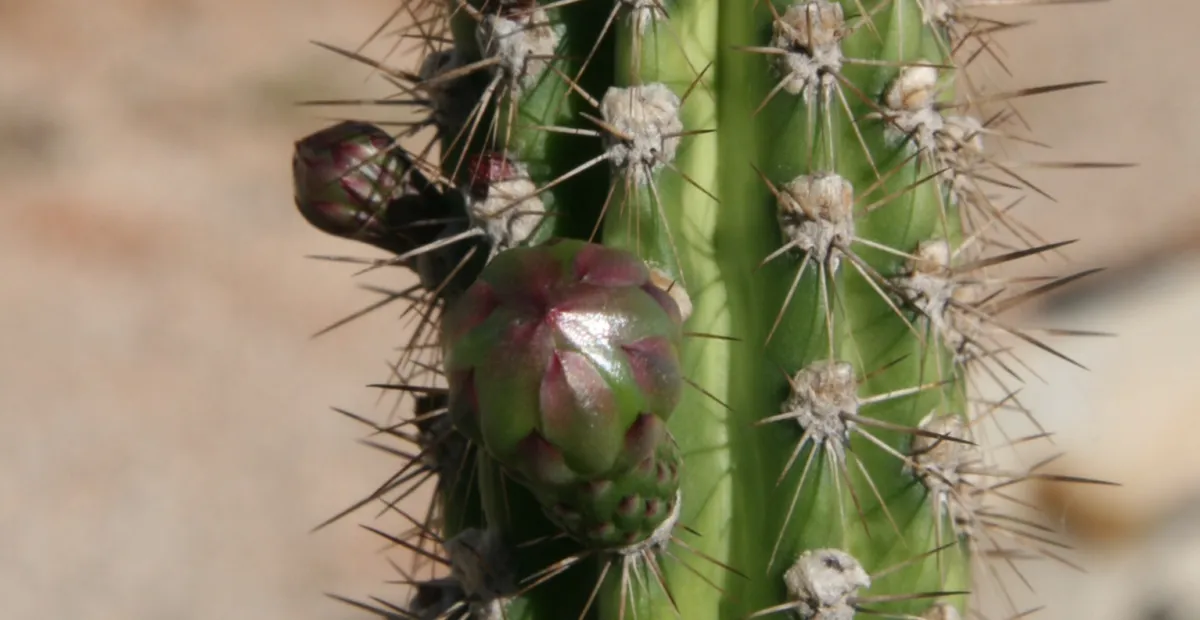
The plant forms a loose, shrubby thicket of slender green, ribbed, cactus stems. Stems are described as weakly erect when young and later arching or decumbent. Small areoles and spines occur along the ribs. Its combination of thin ribbed stems, nocturnal pale flowers, and red fleshy fruit helps distinguish it from more columnar Cereus-like cacti.
Flowering
The flowers are reported as nocturnal and funnel-shaped, opening from the stems rather than forming a dense terminal display. They are white to greenish white and may reach about 3 inches long. Flowering is variable across the species and its subspecies, and a dependable United States flowering calendar is not well documented.
Pollination and visitors
The reviewed material documents nocturnal flowers but does not establish a sufficiently reliable primary animal pollinator or visitor species for this taxon. Pollinator attraction is therefore recorded as unknown rather than inferred from flower color or opening time.
Praecereus euchlorus photos
Click any photo for a larger view. Source, author and license are shown separately.
Diseases and pests
Diseases
The principal risk is root or stem rot caused by persistently wet conditions, especially in cool weather. Use porous soil, containers with drainage holes, and good air movement. Remove soft, discolored tissue with a sterile blade and allow cuts to dry before re-rooting healthy sections. Scale or mealybugs may colonize stems and can be treated early with manual removal or an appropriate labeled product.
Pests
Inspect rib grooves, areoles, and stem joints for mealybugs and scale. Isolate affected plants, remove visible insects with a cotton swab or soft brush, and repeat treatment as directed on a product labeled for cacti. Avoid chronically humid, stagnant conditions that encourage pest persistence.
Related diseases and pests
Only Plant Doctor profiles whose host data indicate this plant may be affected are shown here.
 PestCotton mealybugPhenacoccus solenopsis Tinsley
 DiseaseRhizopus soft rotRhizopus stolonifer
 DiseaseBacterial soft rotPectobacterium carotovorum
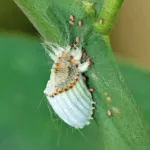 PestCottony Cushion ScaleIcerya purchasi
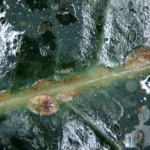 PestBrown Soft ScaleCoccus hesperidum
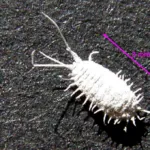 PestObscure mealybugPseudococcus viburni
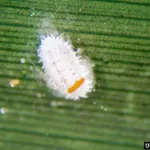 PestCitrus mealybugPlanococcus citri
 PestGreen Peach AphidMyzus persicae
Toxicity and pollen
No authoritative species-specific human, dog, cat, or child toxicity profile was located in the reviewed sources. Do not treat the plant as proven edible or harmless. Handle it as a non-food ornamental because stems and areoles may cause mechanical injury, and prevent pets or children from chewing unfamiliar plant material.
- Pollination / pollen
- Flower pollen; airborne relevance not established
Species-specific airborne pollen and allergy data were not located. As a flowering cactus, it produces pollen during flowering, but the amount released into indoor or outdoor air and its allergenic importance are not established. Avoid making allergy claims from the absence of published reports.
Native habitat
The species is native to South America, with documented distribution including Brazil and records extending into Bolivia, Paraguay, and other parts of the region depending on taxonomic treatment. It is associated with warm climates and well-drained sites; exact habitat preferences vary among the recognized subspecies.
Interesting fact
The species has been treated under several genera, including Cereus and Monvillea.
Its current accepted combination was published by N. P. Taylor in 1997.
Several subspecies are recognized within the broader species concept.
The fruit is described as oblong, fleshy, and red.
The stems may shift from weakly upright to arching or decumbent.
Frequently asked questions (FAQ)
The most relevant questions about this plant, with short and direct answers.
🌱Quick care
What is Praecereus euchlorus?⌄
Praecereus euchlorus is a columnar cactus in the Cactaceae family. It is associated with South American habitats and is also known under older names such as Monvillea euchlora.
How much light does Praecereus euchlorus need?⌄
Give Praecereus euchlorus full sun to bright filtered light. Indoors, place it at the brightest window available and acclimate it gradually to intense direct sun to reduce scorch risk.
How often should I water Praecereus euchlorus?⌄
Water Praecereus euchlorus only after the potting mix has dried thoroughly. Soak the soil, let excess water drain completely, and reduce watering substantially during cool or low-light periods.
What soil is best for Praecereus euchlorus?⌄
Use a porous, sharply drained cactus mix for Praecereus euchlorus. A mineral-heavy blend with pumice, perlite, coarse sand, or similar material helps prevent waterlogged roots.
Is Praecereus euchlorus easy to grow?⌄
Praecereus euchlorus can be manageable for cactus growers when given strong light, fast drainage, and restrained watering. The main cultivation risk is root or stem rot from consistently wet soil.
🌤️Environment and placement
Can Praecereus euchlorus grow indoors?⌄
Yes, Praecereus euchlorus can grow indoors if it receives very bright light and has excellent drainage. A sunny window or supplemental grow light is usually needed to prevent weak, stretched growth.
Can Praecereus euchlorus grow outdoors in the United States?⌄
Praecereus euchlorus can grow outdoors in frost-free areas with strong light and very well-drained soil. In most of the United States, grow it in a container that can be moved indoors before freezing weather.
What USDA hardiness zone is best for Praecereus euchlorus?⌄
A universally verified USDA hardiness range is not well established for Praecereus euchlorus. Treat it as frost-sensitive and provide winter protection whenever temperatures may approach freezing.
Can Praecereus euchlorus tolerate full afternoon sun?⌄
Yes, established Praecereus euchlorus plants can tolerate full afternoon sun when acclimated gradually. Container plants moved suddenly from shade into intense sun may develop sunburn.
Does Praecereus euchlorus need humidity?⌄
Praecereus euchlorus does not require high humidity and generally benefits from good air circulation. Avoid placing it in a poorly ventilated, constantly damp location.
💧Care and problems
Why is my Praecereus euchlorus turning soft?⌄
A soft stem commonly indicates overwatering, poor drainage, or rot in Praecereus euchlorus. Remove it from the wet mix, inspect the roots and stem, and keep healthy tissue dry while addressing any decay.
Why is Praecereus euchlorus turning yellow?⌄
Yellowing may result from overwatering, root damage, insufficient light, or normal aging of lower tissue. Check that the mix dries completely and that the plant receives strong light before watering again.
Why is my Praecereus euchlorus growing thin and stretched?⌄
Thin, elongated growth usually means Praecereus euchlorus is not receiving enough light. Move it gradually toward brighter light and rotate the container periodically for more even growth.
How do I prevent root rot in Praecereus euchlorus?⌄
Prevent root rot by using a drainage-holed pot, sharply drained soil, and a watering schedule based on complete soil dryness. Never leave the container standing in a saucer of water.
Should I fertilize Praecereus euchlorus?⌄
Fertilize Praecereus euchlorus sparingly during active growth with a diluted cactus fertilizer. Do not fertilize a stressed, recently repotted, dormant, or visibly rotting plant.
Does Praecereus euchlorus need a winter rest?⌄
A cool, bright, relatively dry winter rest is beneficial for Praecereus euchlorus. Keep it protected from frost and water only lightly or not at all while growth is minimal.
🪴Planting and repotting
What type of pot is best for Praecereus euchlorus?⌄
Use a pot with a drainage hole that is only slightly larger than the root system. Unglazed clay can help the mix dry faster, especially in humid conditions or for cautious indoor watering.
When should I repot Praecereus euchlorus?⌄
Repot Praecereus euchlorus at the beginning of active growth or when the roots have filled the container. Allow any damaged roots to dry before placing the plant into fresh, dry cactus mix.
Can Praecereus euchlorus be planted in the ground?⌄
It can be planted in the ground only where winters are frost-free and the soil drains rapidly. In wetter or colder regions, container culture provides much better control over moisture and temperature.
✂️Propagation and pruning
How do you propagate Praecereus euchlorus from cuttings?⌄
Propagate Praecereus euchlorus from a healthy stem cutting by allowing the cut end to callus before planting it in dry, porous cactus mix. Keep the cutting mostly dry until roots begin to form, then water cautiously.
Can Praecereus euchlorus be grown from seed?⌄
Yes, Praecereus euchlorus can be grown from seed, although seedlings develop more slowly than established cuttings. Sow fresh seed in a sterile, well-drained medium and provide warmth, bright filtered light, and careful moisture.
When can I water a newly planted Praecereus euchlorus cutting?⌄
Wait until the cutting has callused and been planted in dry mix before giving only a small amount of water. Increase watering gradually after rooting is evident rather than keeping the medium continuously wet.
Can Praecereus euchlorus be pruned?⌄
Yes, Praecereus euchlorus can be pruned to control size, remove damaged growth, or collect cuttings. Make clean cuts with sterile tools and let wounds dry before exposing them to moisture.
How can I support a tall Praecereus euchlorus?⌄
Support a tall Praecereus euchlorus with a stable stake or trellis if its columnar stems begin to lean. Leaning can also signal inadequate light or growth that has outgrown the container.
⚠️Toxicity and safety
Is Praecereus euchlorus toxic to cats or dogs?⌄
No species-specific toxicity classification has been established for Praecereus euchlorus. Nevertheless, keep it away from pets and children because its spines can cause mechanical injury if touched or chewed.
Does Praecereus euchlorus have dangerous spines?⌄
Praecereus euchlorus is a spiny cactus and should be handled with thick gloves, tongs, or folded cardboard. Spine injuries can be painful and difficult to remove, even when the plant is not chemically toxic.
Is Praecereus euchlorus safe to touch?⌄
It is safe to handle only with appropriate protection because the spines can puncture skin. Avoid bare-handed handling, and inspect the area carefully if a spine breaks off in the skin.
🌸Flowering and special interest
Does Praecereus euchlorus flower?⌄
Yes, Praecereus euchlorus is a flowering cactus. Mature, well-lit plants are more likely to bloom when they receive strong light, active-season growth, and a cooler, drier winter rest.
Why is my Praecereus euchlorus not flowering?⌄
A young plant, insufficient light, excessive winter watering, or the absence of a cool rest may prevent flowering. Provide stronger light and mature-plant conditions rather than increasing water or fertilizer.
When does Praecereus euchlorus bloom?⌄
The exact blooming season can vary with subspecies, climate, and cultivation conditions. In the United States, flowering is most likely during the active warm-season period after a bright, drier winter.
How can I encourage Praecereus euchlorus to bloom?⌄
Encourage flowering with full sun or very bright filtered light, restrained fertilizer, and a cool, dry winter period protected from frost. Avoid forcing growth with frequent watering during dormancy.
Similar plants
 Azure Monkshood (Aconitum carmichaelii) care guideAconitum carmichaelii
 Monkshood (Aconitum ‘Stainless Steel’)Aconitum 'Stainless Steel'
 Monkshood (Aconitum ‘Bressingham Spire’)Aconitum 'Bressingham Spire'
 Golden full moon maple (Acer shirasawanum ‘Aureum’)Acer shirasawanum 'Aureum'
 Globosum (Acer platanoides ‘Globosum’)Acer platanoides 'Globosum'
 Striped maple (Acer pensylvanicum) care guideAcer pensylvanicum