
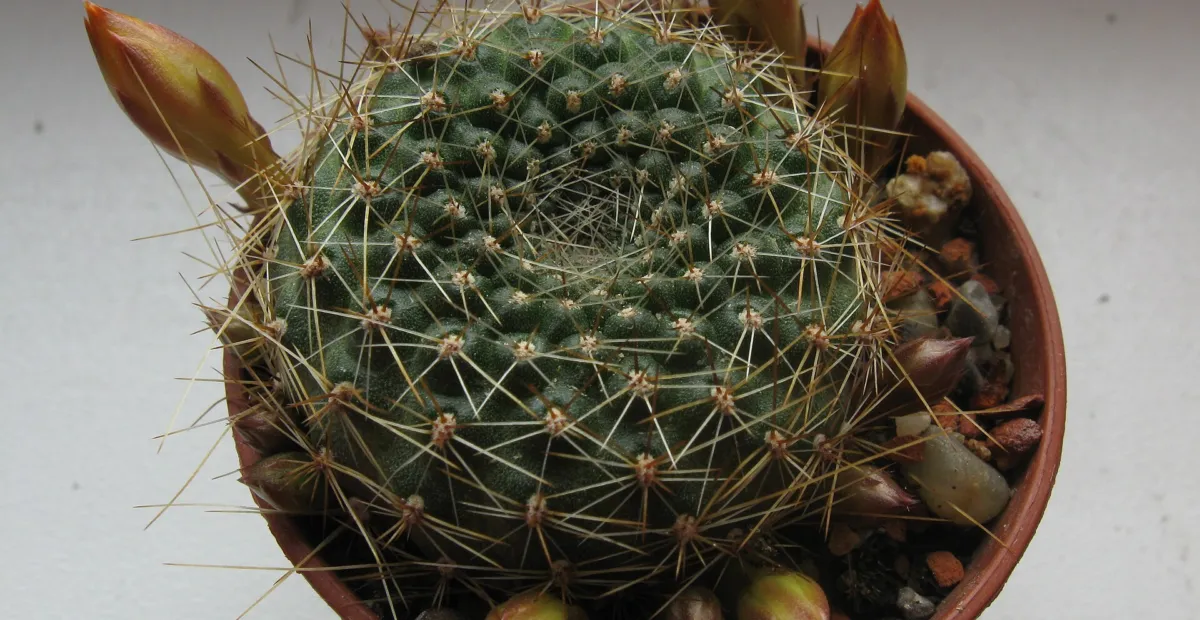
 Source:
 Rebutia marsoneri short overview
Rebutia marsoneri is a small, clump-forming cactus from northern Argentina, grown for its neat globose stems, fine pale spines, and vivid yellow to orange flowers that arise around the base in spring. It stays compact enough for a windowsill, patio pot, or cactus collection. Give it strong light, a very porous mix, careful watering during active growth, and a dry, cool winter rest to support healthy growth and reliable flowering.
Taxonomic classification
Rebutia marsoneri care guide
Light and placement
Provide the brightest practical position, ideally a south-, southeast-, or west-facing window with several hours of direct sun. Acclimate gradually when moving from shade to intense outdoor light to prevent scorch. Stretching, weak spines, or poor flowering indicate insufficient light; bleaching or tan patches suggest excessive abrupt exposure or heat stress.
Watering and humidity
Water thoroughly only after the substrate has dried completely, then allow excess water to drain away. During spring and summer growth, the interval may be roughly 1–3 weeks depending on pot size, heat, and light. Reduce sharply in fall and keep nearly dry in winter, especially when temperatures are cool. Never leave the pot standing in water.
Soil and growing medium
Use a very porous cactus substrate with substantial mineral grit, such as pumice, perlite, coarse sand, or fine gravel. The mix should drain rapidly and dry between waterings. A sandy or rocky structure is preferable to dense organic soil. Available references allow acidic, neutral, or alkaline conditions, so excellent drainage is more important than targeting a narrow pH.
Feeding
Feed only during active spring and summer growth. Use a balanced or low-nitrogen cactus fertilizer diluted to about one-quarter to one-half the label strength, applied to already moist soil. Monthly feeding is usually sufficient in a bright growing season. Do not fertilize during winter rest, after repotting, or when the plant is dry or heat-stressed.
Growth and habit
This cactus begins as a solitary globose stem but commonly produces offsets from the base, gradually forming a tight mound. It remains compact and is valued more for clumping and flowering than for height. Keep the crown dry after watering and leave sufficient air movement around the cluster as it enlarges.
Planting and repotting
Plant at the same depth as the original container, keeping the stem base at or slightly above the substrate surface. Set offsets or nursery plants into dry, gritty mix and wait several days before the first light watering. Leave enough room for the clump to expand without burying its lower stems.
Repot in spring or early summer when growth is beginning, using a pot only slightly wider than the clump and a drainage hole. Allow damaged roots to dry briefly before watering. Handle with folded paper or gloves to avoid the spines.
Propagation and pruning
Propagation
Sow seed in spring using sterile, finely gritty cactus media and warm, bright conditions; keep seedlings lightly moist but never waterlogged. Offset separation is the easier home method. Remove a well-rooted offset with a clean tool, let the cut surface callus, then set it on dry cactus mix and begin cautious watering after roots develop.
Pruning
No routine pruning is needed. Remove dead flowers or damaged, rotting tissue with a sterile tool only when necessary. Let cuts dry completely and avoid watering until the wound has healed.
Overwintering
Keep frost-free and bright, ideally around 45–55°F during winter rest if this can be done safely. Water very sparingly, or not at all for extended periods, while the plant is cool and dormant. Resume watering gradually in spring as light and temperatures increase. Avoid warm, dim winter conditions, which can cause weak growth.
Uses
Best used as a small indoor specimen, windowsill cactus, greenhouse plant, patio container, or sheltered rock-garden accent in frost-free climates. Its compact clumping habit and showy basal flowers make it useful for cactus collections and mixed succulent displays. It has no established culinary or medicinal use.
Appearance
The plant consists of small, globose to shortly cylindrical green stems arranged in a freely clustering mound. Spirally arranged ribs or tubercle-like projections carry prominent white areoles with short, bristly pale spines. The flowers emerge low on the stems, making the spring display appear to encircle the clump.
Flowering
Flowers develop around the lower sides of the stems rather than at a tall central apex. Spring blooming is typical, with bright yellow to orange funnel-shaped flowers appearing from several points around a mature clump. A bright growing season followed by a cool, dry winter rest generally supports better bud formation, although exact timing varies with latitude and indoor conditions.
Pollination and visitors
Specific pollinator records for this taxon were not located. As an open, colorful cactus flower, it may receive occasional visits from small insects, but the strength and identity of those interactions remain insufficiently documented for a higher attraction rating.
Rebutia marsoneri photos
Click any photo for a larger view. Source, author and license are shown separately.
Diseases and pests
Diseases
The main risk is root or stem rot caused by persistently wet substrate, poor drainage, or watering during cool conditions. Use a porous mix, provide airflow, and remove affected tissue if rot appears. Keep wounds dry and isolate plants showing rapidly spreading soft or discolored areas.
Pests
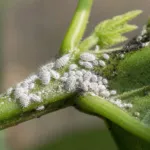
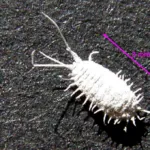
Mealybugs may hide among spines or at the stem base. Inspect regularly, isolate infested plants, remove visible insects with a cotton swab or suitable labeled treatment, and correct overcrowding or poor airflow. Avoid overwatering while treating, since stressed wet roots are especially vulnerable.
Related diseases and pests
Only Plant Doctor profiles whose host data indicate this plant may be affected are shown here.

Toxicity and pollen
No authoritative evidence was located establishing Rebutia marsoneri as poisonous to people or pets. The practical hazards are mechanical: glochids are not prominent, but the short spines can injure skin, eyes, or mouths. Keep the plant away from children and animals that may chew it, and seek medical or veterinary advice after a significant injury or ingestion.
- Typical season
- Spring flowering period; airborne exposure is not well documented
- Pollination / pollen
- Flower pollen; airborne relevance not well documented
The plant produces pollen when flowering, but reliable measurements of airborne pollen release and allergy incidence for this taxon were not found. Because the flowers are generally insect-associated and pollen exposure data are sparse, a low airborne-pollen concern is a cautious horticultural classification rather than a clinical safety guarantee.
Native habitat
The taxon is associated with northern Argentina, particularly the Jujuy–Salta region in available horticultural accounts. Plants occur in mountainous environments with rocky substrates, deep valleys, and seasonal moisture. These conditions explain the combination of excellent drainage, strong light, and a pronounced dry rest used in cultivation.
Interesting fact
The name has a complicated taxonomic history and is treated as a synonym by some modern databases.
Flowers arise around the stem base, creating a crown-like display.
Small globose stems commonly produce offsets and form compact clumps.
The original type information is associated with Jujuy, Argentina.
A cool, dry rest is commonly used to encourage seasonal flowering.
Frequently asked questions (FAQ)
The most relevant questions about this plant, with short and direct answers.
🌱Quick care
What is Rebutia marsoneri?⌄
Rebutia marsoneri is a small, clumping cactus in the Cactaceae family, often treated by current taxonomic references as a synonym of Rebutia minuscula var. minuscula. It is also associated in horticulture with the Rebutia senilis group.
How much light does Rebutia marsoneri need?⌄
Give Rebutia marsoneri bright light to full sun for compact growth and reliable flowering. Acclimate it gradually to intense outdoor sun to prevent sunburn.
How often should I water Rebutia marsoneri?⌄
Water Rebutia marsoneri only after its soil has dried completely, then let excess water drain away. Water much less in winter, especially when the plant is kept cool.
Is Rebutia marsoneri easy to grow?⌄
Rebutia marsoneri is generally easy to grow when given strong light, gritty soil and careful watering. Overwatering and poor drainage are the most common causes of failure.
🌤️Environment and placement
Can Rebutia marsoneri grow outdoors in the United States?⌄
Rebutia marsoneri can grow outdoors in much of the United States during warm, dry weather, provided it is protected from prolonged rain and freezing temperatures. In colder USDA-style climates, grow it in a container that can be moved indoors.
What temperatures can Rebutia marsoneri tolerate?⌄
Rebutia marsoneri tolerates cool conditions when kept dry, but it should be protected from freezing. Move it indoors before temperatures near 32°F are expected, particularly if the soil is damp.
Can Rebutia marsoneri survive winter indoors?⌄
Yes, Rebutia marsoneri can overwinter indoors in a bright, cool, dry location. Keep watering to a minimum during winter dormancy to reduce the risk of rot.
Can Rebutia marsoneri grow on a windowsill?⌄
Rebutia marsoneri can grow on a sunny windowsill, ideally one receiving several hours of direct light. Rotate the pot periodically and provide supplemental grow lighting if the plant becomes pale or elongated.
💧Care and problems
Why is my Rebutia marsoneri turning soft or brown?⌄
A soft, brown or collapsing Rebutia marsoneri often indicates rot caused by excess moisture or poor drainage. Remove it from wet soil, inspect the roots and cut away any damaged tissue only if healthy tissue remains.
Why is my Rebutia marsoneri stretching?⌄
Rebutia marsoneri stretches when it does not receive enough light. Move it gradually toward stronger light and avoid increasing watering until the plant is receiving adequate illumination.
Does Rebutia marsoneri need fertilizer?⌄
Rebutia marsoneri benefits from a dilute, low-nitrogen cactus fertilizer during active spring and summer growth. Do not fertilize a dormant, recently repotted, diseased or severely dry plant.
How do I prevent root rot in Rebutia marsoneri?⌄
Prevent root rot by using a very gritty cactus mix, a pot with drainage holes and a dry interval between waterings. Do not leave the container standing in a saucer of water.
What pests affect Rebutia marsoneri?⌄
Common pests include mealybugs, scale and spider mites, particularly on stressed or crowded plants. Inspect the areoles, roots and undersides of the plant regularly and isolate affected specimens.
🪴Planting and repotting
What soil is best for Rebutia marsoneri?⌄
Use a very gritty, sharply drained cactus mix with substantial mineral material such as pumice, perlite, coarse sand or small gravel. The mix should drain quickly and retain little moisture after watering.
What type of pot does Rebutia marsoneri need?⌄
Choose a pot with a drainage hole that is only slightly larger than the root system. Unglazed clay can help the soil dry faster, while shallow or crowded clumps may need a wider container rather than a deep one.
When should I repot Rebutia marsoneri?⌄
Repot Rebutia marsoneri in early spring or just before active growth begins. Allow any damaged roots to dry and callus briefly, and wait several days before the first thorough watering.
✂️Propagation and pruning
How do I propagate Rebutia marsoneri from offsets?⌄
Propagate Rebutia marsoneri by gently separating rooted offsets from the parent plant and planting them in dry, gritty cactus soil. Let detached offsets callus before planting, then wait until roots begin forming before watering lightly.
Can Rebutia marsoneri be grown from seed?⌄
Yes, Rebutia marsoneri can be grown from seed, although seedlings require more consistent moisture and protection than mature plants. Use a sterile, fast-draining medium and provide bright filtered light while seedlings establish.
Does Rebutia marsoneri need pruning?⌄
Rebutia marsoneri normally does not need pruning. Remove only dead, rotting or badly damaged growth with a sterile tool, and keep cut surfaces dry until they heal.
⚠️Toxicity and safety
Is Rebutia marsoneri poisonous to cats or dogs?⌄
The toxicity of Rebutia marsoneri to cats and dogs is not well documented, so it should be treated as potentially unsafe to chew. Its spines are a clear mechanical hazard for pets, children and anyone handling the plant.
🌸Flowering and special interest
When does Rebutia marsoneri bloom?⌄
Rebutia marsoneri typically flowers in spring after a cool, dry winter rest and sufficient bright light. Mature plants may produce several flowers around the sides of the stem or clump.
What color are Rebutia marsoneri flowers?⌄
Rebutia marsoneri is known for relatively large orange, yellow-orange or reddish-orange flowers, although flower color can vary among forms and cultivated plants. Plants sold under this name may also reflect broader Rebutia hybrid or synonym usage.
Why is my Rebutia marsoneri not flowering?⌄
Insufficient light, a warm wet winter, immaturity or excessive nitrogen can prevent Rebutia marsoneri from flowering. Provide strong light, maintain a cool dry rest in winter and resume careful spring watering as growth begins.
Does Rebutia marsoneri need another plant to produce seeds?⌄
Rebutia marsoneri is commonly reported as self-sterile, so cross-pollination between genetically different plants may be needed to produce viable seed. Offset propagation does not require pollination.
Similar plants
 Azure Monkshood (Aconitum carmichaelii) care guideAconitum carmichaelii
 Monkshood (Aconitum ‘Stainless Steel’)Aconitum 'Stainless Steel'
 Monkshood (Aconitum ‘Bressingham Spire’)Aconitum 'Bressingham Spire'
 Golden full moon maple (Acer shirasawanum ‘Aureum’)Acer shirasawanum 'Aureum'
 Globosum (Acer platanoides ‘Globosum’)Acer platanoides 'Globosum'
 Striped maple (Acer pensylvanicum) care guideAcer pensylvanicum