
 Source:
Fiona Sunrise (Jasminum officinale ‘Fiona Sunrise’) short overview
Jasminum officinale 'Fiona Sunrise' is a vigorous deciduous jasmine vine prized for luminous golden foliage and richly fragrant white flowers. Train it over a trellis, fence, pergola, or obelisk in full sun to partial shade, where shelter and good drainage support strong growth. It is generally hardy in USDA Zones 7–10, while gardeners in colder areas can grow it in a container and overwinter it in protection.
Taxonomic classification
Fiona Sunrise (Jasminum officinale ‘Fiona Sunrise’) care guide
Light and placement
Give full sun for the strongest golden foliage and heaviest flowering, with partial shade acceptable in hot climates or during intense afternoon heat. East-, south-, or west-facing placements near a wall, fence, or pergola work well. Too little light may produce greener foliage, stretched growth, and fewer flowers; harsh reflected heat can scorch leaves.
Watering and humidity
Water deeply when the top inch of soil begins to dry during the first growing season. Once established, maintain even moisture during active growth and flowering, then reduce watering after leaf fall or during cool winter conditions. Containers dry faster and need more frequent checks, but never allow the root zone to remain saturated.
Soil and growing medium
Use fertile, moisture-retentive but freely draining soil. Loam enriched with compost is suitable, while heavy clay should be improved with organic matter and drainage. The plant tolerates acidic, neutral, and mildly alkaline conditions; avoid persistently waterlogged ground.
Feeding
In spring, top-dress established plants with compost or apply a balanced slow-release fertilizer according to the product label. A second light feeding after the first flush of flowering can support continued growth. Do not overfeed with high nitrogen, which may produce leafy growth at the expense of flowers.
Growth and habit
This vigorous twining climber produces long flexible shoots that need early support and occasional tying. It can be trained upward, woven through a structure, or kept smaller by regular pruning. Strong growth is encouraged by warmth, light, moisture, and fertile soil.
Planting and repotting
Plant in spring after the danger of severe frost, or in fall where winters are mild. Set the root ball at the same depth as it grew in its nursery pot. Provide a trellis, fence, pergola, or other support at planting and keep the root zone evenly moist while establishment occurs.
Repot container plants in late winter or immediately after flowering, moving up only one pot size. Refresh the upper layer of mix annually when the plant is too large to handle. Use a sturdy container and support because the twining stems become substantial.
Propagation and pruning
Propagation
Take semi-hardwood cuttings in summer, or layer flexible stems in fall. Keep cuttings evenly moist under bright, indirect light until rooted. Commercial propagation may be restricted by plant-breeders' rights; verify current legal status before selling propagated plants.
Pruning
Thin old, weak, tangled, or overcrowded shoots after flowering. Tie in new stems while they are flexible, and shorten overlong growth to maintain the chosen framework. Hard renovation pruning is tolerated when necessary, but it may reduce flowering in the following season.
Overwintering
In USDA Zone 7, plant in a sheltered site and mulch the root zone after the ground cools. Protect young plants from drying winter winds. In colder areas, grow in a container and move it into a cool, bright, frost-free space before hard freezes; reduce watering while dormant.
Uses
Use as a fragrant climber for trellises, fences, pergolas, walls, arches, and large containers. Its bright foliage provides contrast in mixed borders and patio plantings. Grow near seating or pathways where the summer fragrance can be appreciated. It is ornamental rather than an established edible crop.
Appearance
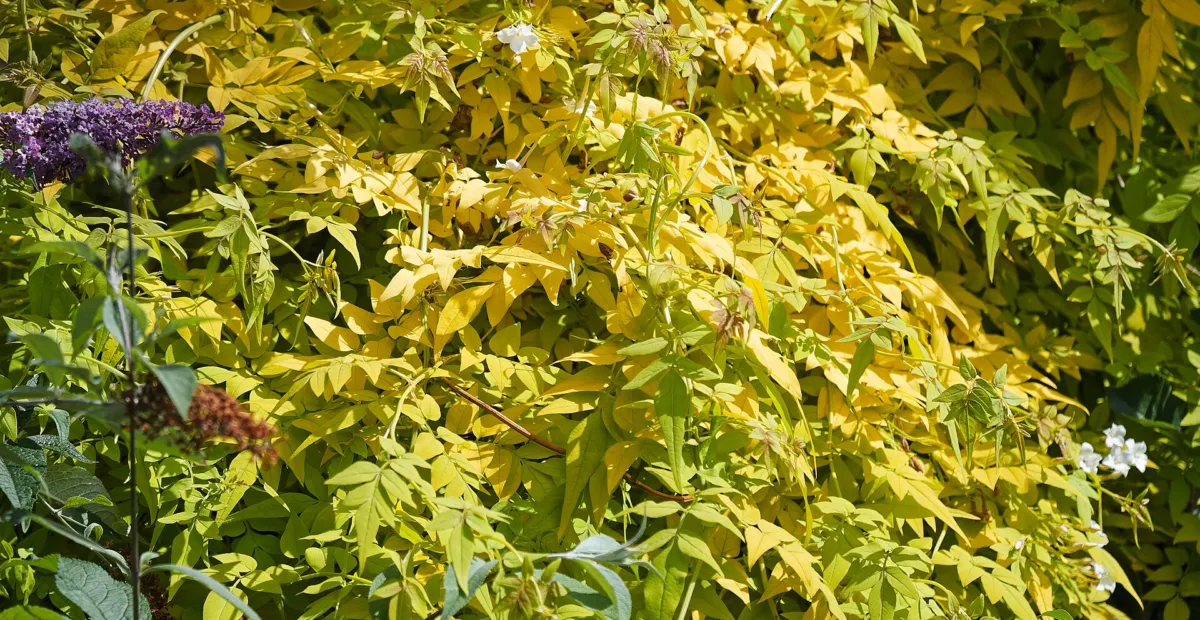
Leaves are opposite and pinnate, usually with 5–9 pointed leaflets. New growth is chartreuse and can mature to vivid gold, especially in good light. Slender woody stems twine through supports, while white tubular flowers appear in terminal clusters. The plant is deciduous or nearly deciduous depending on winter severity.
Flowering
Terminal clusters of white, star-like, tubular flowers open from summer into early fall. Flowers are produced on twining growth and are most noticeable when the plant is trained where the blooms can be seen and smelled. The cultivar is selected primarily for its golden foliage as well as its fragrance.
Pollination and visitors
Documented garden references associate the flowers with bees, butterflies, and hummingbirds. The open, fragrant white flowers provide seasonal nectar or floral resources, but the exact importance of this cultivar to individual pollinator species has not been quantified.
Jasminum officinale 'Fiona Sunrise' photos
Click any photo for a larger view. Source, author and license are shown separately.
Diseases and pests
Diseases
Usually trouble-free, but poorly drained or stressed plants may develop root problems. Honey fungus is reported rarely. Improve drainage, avoid chronic overwatering, remove badly affected material, and sanitize pruning tools between plants.
Pests
Aphids, scale, mealybugs, and whiteflies may occur, especially on stressed or indoor-overwintered plants. Inspect new growth and leaf undersides, wash off light infestations, encourage natural enemies, and use horticultural soap or oil only according to the label.
Related diseases and pests
Only Plant Doctor profiles whose host data indicate this plant may be affected are shown here.
 Environmental stressManganese deficiency
 Environmental stressOverwatering
 PestMealy Plum AphidHyalopterus pruni (Geoffroy, 1762)
 PestObscure mealybugPseudococcus viburni
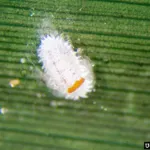 PestCitrus mealybugPlanococcus citri
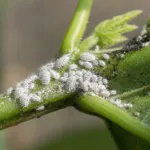 PestCotton mealybugPhenacoccus solenopsis Tinsley
 Environmental stressSalt stress
 Environmental stressHeat stress
Toxicity and pollen
ASPCA lists Jasminum species as non-toxic to dogs and cats. This cultivar has no well-documented serious human toxicity, but ordinary plant material can still cause mild stomach upset if eaten and fragrant flowers may bother scent-sensitive people. Avoid ingesting large amounts and seek medical advice for unexpected symptoms.
- Typical season
- Late spring through summer
- Pollination / pollen
- Insect-dispersed pollen
Jasminum officinale is insect-pollinated, so it is not typically a major source of wind-dispersed pollen. Airborne exposure can still occur around abundant flowering plants, and fragrance-sensitive or pollen-sensitive individuals may prefer distance during bloom.
Native habitat
The species is native from the Caucasus and northern Iran through Afghanistan, the Himalayas, northern India, and China. It occurs in temperate to warm regions in thickets, woodland margins, ravines, valleys, and other well-drained sites with seasonal moisture.
Interesting fact
The cultivar is also listed under the name 'Frojas'. Its strongest visual feature is golden-yellow foliage rather than variegated striping. The species has pinnate leaves with typically 5–9 leaflets. Fragrant flowers are borne in terminal clusters.
Frequently asked questions (FAQ)
The most relevant questions about this plant, with short and direct answers.
🌱Quick care
What is Jasminum officinale 'Fiona Sunrise'?⌄
Jasminum officinale 'Fiona Sunrise' is a deciduous climbing jasmine with strongly golden to chartreuse foliage and fragrant white summer flowers. It is also sold under the cultivar name 'Frojas'.
Is Jasminum officinale 'Fiona Sunrise' a true jasmine?⌄
Yes, it is a true jasmine in the genus Jasminum, not star jasmine or Confederate jasmine. It is a cultivated selection of Jasminum officinale.
How fast does Jasminum officinale 'Fiona Sunrise' grow?⌄
Jasminum officinale 'Fiona Sunrise' is a vigorous, relatively fast-growing climber when given adequate sun, moisture, fertile soil, and support. Mature size varies, but it can reach roughly 15 feet or more in favorable conditions.
🌤️Environment and placement
How much sun does Jasminum officinale 'Fiona Sunrise' need?⌄
Provide full sun to partial shade, with at least about 6 hours of direct light for the brightest golden foliage and strongest flowering. In hotter climates, some afternoon shade can reduce leaf scorch.
Can Jasminum officinale 'Fiona Sunrise' grow in partial shade?⌄
Yes, it can grow in partial shade, but the foliage may appear more chartreuse or green and flowering may be lighter. Bright, sheltered light generally gives the best color and fragrance.
Where should I plant Jasminum officinale 'Fiona Sunrise'?⌄
Plant it in a warm, sheltered location near a trellis, fence, pergola, or wall where its fragrance can be enjoyed. Protect it from strong, drying winds and provide enough room for a vigorous vine.
What USDA hardiness zone is Jasminum officinale 'Fiona Sunrise' suitable for?⌄
It is generally grown outdoors in USDA Zones 7 through 10, although hardiness can vary by site and winter exposure. In colder areas, grow it in a container or provide substantial winter protection.
Can Jasminum officinale 'Fiona Sunrise' grow in a container?⌄
Yes, it grows well in a large container with drainage holes, fertile potting mix, and a sturdy trellis or obelisk. Container plants dry out and freeze more quickly than in-ground plants, so monitor them closely.
💧Care and problems
How often should I water Jasminum officinale 'Fiona Sunrise'?⌄
Water when the soil surface begins to dry, keeping the root zone moderately moist but never waterlogged. Established plants tolerate brief dry periods, but regular moisture supports better growth and flowering.
What type of soil does Jasminum officinale 'Fiona Sunrise' need?⌄
Use fertile, well-drained loam that retains some moisture without becoming soggy. It can tolerate a range of soil pH, provided drainage is good and organic matter is adequate.
Should I fertilize Jasminum officinale 'Fiona Sunrise'?⌄
Feed it in spring and during active growth with a balanced fertilizer according to the product label. Avoid excessive nitrogen, which can promote leafy growth at the expense of flowers.
Why are the leaves of my Fiona Sunrise jasmine turning green?⌄
Leaves may be greener in partial shade, low light, or during periods of soft new growth. Move the plant gradually into brighter light if conditions allow, while avoiding sudden exposure to intense afternoon sun.
Why is Jasminum officinale 'Fiona Sunrise' not flowering?⌄
Insufficient light, excessive nitrogen, drought stress, winter damage, or immature growth can reduce flowering. Give it bright light, consistent moisture, adequate support, and prune it at the correct time.
What pests affect Jasminum officinale 'Fiona Sunrise'?⌄
Aphids, scale, mealybugs, and whiteflies can occasionally infest this jasmine, especially when it is grown indoors or overwintered inside. Inspect new growth and leaf undersides regularly and treat infestations early.
Is Jasminum officinale 'Fiona Sunrise' susceptible to disease?⌄
It is generally trouble-free when grown in well-drained soil, but root problems can develop in waterlogged conditions. Honey fungus has also been reported as an occasional, uncommon problem.
🪴Planting and repotting
When is the best time to plant Jasminum officinale 'Fiona Sunrise'?⌄
Plant it in spring after the danger of hard frost has passed or in fall where winters are mild. Spring planting is preferable in colder areas because it gives the roots more time to establish before winter.
How far apart should I plant Jasminum officinale 'Fiona Sunrise'?⌄
Allow about 5 to 10 feet between plants, depending on the desired coverage and support structure. Give each plant enough room for airflow and its mature spread rather than crowding it against neighboring vines.
Does Jasminum officinale 'Fiona Sunrise' need a trellis?⌄
Yes, a sturdy trellis, fence, pergola, or wall support is recommended because the long stems need guidance. Tie young shoots loosely until they begin twining through the support.
Can Jasminum officinale 'Fiona Sunrise' be grown indoors?⌄
It can be overwintered indoors in a very bright, cool location, but it is primarily an outdoor climber and may struggle in low indoor light. Reduce watering during its winter rest while preventing the soil from becoming completely dry.
✂️Propagation and pruning
How do I propagate Jasminum officinale 'Fiona Sunrise'?⌄
Propagate it by semi-hardwood cuttings in summer or by layering in fall. Because this is a named cultivar, propagation should generally be limited to personal use and may be restricted for commercial purposes.
When should I prune Jasminum officinale 'Fiona Sunrise'?⌄
Prune it after flowering to remove old, flowered, damaged, or overcrowded shoots and to control its size. Avoid heavy pruning immediately before the main flowering season because flowers develop on newer growth.
How do I train Jasminum officinale 'Fiona Sunrise' on a wall or pergola?⌄
Install a strong support and guide flexible stems through it, securing them loosely with soft ties when necessary. Spread the stems horizontally where possible to encourage fuller coverage and more flowering sites.
⚠️Toxicity and safety
Is Jasminum officinale 'Fiona Sunrise' toxic to dogs and cats?⌄
Jasminum officinale 'Fiona Sunrise' is generally considered non-toxic to dogs and cats. Even non-toxic plants can cause mild stomach upset if eaten in large quantities, so discourage pets from chewing it.
Is Jasminum officinale 'Fiona Sunrise' poisonous to people?⌄
No serious human toxicity is documented for Jasminum officinale 'Fiona Sunrise'. Do not intentionally consume ornamental plant material, and contact a medical professional or poison-control service if a significant amount is swallowed.
🌸Flowering and special interest
When does Jasminum officinale 'Fiona Sunrise' bloom?⌄
It typically blooms from summer into early fall, producing clusters of fragrant white flowers. Blooming is usually strongest on established plants growing in bright light with consistent moisture.
Are the flowers of Jasminum officinale 'Fiona Sunrise' fragrant?⌄
Yes, the white flowers are strongly fragrant, with the scent often most noticeable in warm evening air. Plant it near a patio, walkway, doorway, or seating area to make the most of the fragrance.
What color are the leaves of Jasminum officinale 'Fiona Sunrise'?⌄
The compound leaves emerge chartreuse and can mature to bright golden yellow, especially in good light. In deeper shade they are usually greener and less intensely colored.
Does Jasminum officinale 'Fiona Sunrise' attract pollinators?⌄
Its fragrant flowers can attract bees, butterflies, and other visiting pollinators. The plant is best treated as an ornamental fragrance vine rather than as a primary pollinator plant.
Similar plants
 Common Jasmine (Jasminum officinale) care guideJasminum officinale
 Iris ensata care guideIris ensata
 He blue flag (Iris versicolor) care guideIris versicolor
 Netted Iris (Iris reticulata) care guideIris reticulata
 Algerian Iris (Iris unguicularis) care guideIris unguicularis
 Chrysojasminum care guideChrysojasminum