Source:
 Iris ensata short overview
Iris ensata is a rhizomatous perennial iris native from southeastern Siberia through Japan and grown in the United States as a dramatic summer garden plant. Its upright, sword-shaped leaves form orderly clumps, while large, nearly flat, beardless flowers appear in shades of blue, purple, pink, or white. It performs best in full sun or light partial shade with rich, consistently moist, acidic soil, but needs better drainage during winter dormancy.
Taxonomic classification
Iris ensata care guide
Light and placement
Grow in full sun for the strongest flowering, with light partial shade acceptable in hot climates. Morning sun or open eastern exposure is useful where late-afternoon heat is intense. Too little light produces weak stems and fewer flowers; excessive heat combined with drying soil can scorch foliage and reduce bloom.
Watering and humidity
Keep soil evenly and consistently moist from spring through flowering, watering deeply when the upper surface begins to dry. Do not let containers or beds dry out during active growth. Reduce watering after foliage declines, and prevent standing water around dormant winter rhizomes, especially in heavy clay.
Soil and growing medium
Use rich, organic, moisture-retentive soil that remains damp in spring and summer but drains adequately in winter. Slightly acidic conditions are preferred; avoid strongly alkaline, compacted soil. In containers, combine loam or quality potting mix with compost and maintain dependable drainage.
Feeding
Apply compost or a balanced, low-nitrogen fertilizer in early spring as growth begins, then feed lightly after flowering if plants are weak. Water fertilizer in thoroughly. Avoid heavy nitrogen applications, which can produce lush leaves with poorer flowering and may increase soft growth.
Growth and habit
This iris forms expanding rhizomatous clumps rather than spreading by runners. Mature plants benefit from periodic division to maintain vigor and flowering. Keep rhizomes shallow, provide steady moisture in the active season, and improve winter drainage where soil stays saturated.
Planting and repotting
Plant divisions in spring or shortly after flowering while the soil is workable. Set rhizomes just below or nearly level with the soil surface, spreading the roots horizontally. Space plants about 18–24 inches apart. Water thoroughly after planting and do not allow new divisions to dry out during establishment.
Container-grown plants can be divided and refreshed every 3–4 years, preferably just after flowering or in early fall. Use a wide container with drainage holes and a moisture-retentive but not stagnant mix. Keep the rhizomes shallow rather than burying them deeply.
Propagation and pruning
Propagation
Divide established clumps after flowering or in early fall, cutting rhizomes into sections with healthy roots and at least one strong fan. Seed propagation is possible but slower and variable, and seedlings may not reproduce named cultivar traits. Keep divisions evenly moist while they re-establish.
Pruning
After flowering, remove spent flower stems to prevent unnecessary seed production and improve appearance. Leave healthy foliage in place until it yellows naturally so the rhizomes can replenish energy. Cut foliage back in late fall or early spring and remove debris to reduce disease carryover.
Overwintering
Leave plants outdoors in USDA Zones 4–9. After foliage dies back, remove debris and maintain winter drainage; do not keep rhizomes submerged during dormancy. In colder exposed sites, apply a light mulch after the ground cools, keeping dense wet material away from the rhizomes.
Uses
Primarily an ornamental perennial for moist borders, pond margins, rain gardens, Japanese-style plantings, and large containers. The tall, durable stems can be used as cut flowers. It is not recommended as an edible or medicinal plant.
Appearance
The plant makes a clump of narrow, upright, sword-shaped leaves with parallel veins. Flower stems rise above the foliage and carry broad, flattened, beardless iris blooms. Rhizomes are thickened underground stems, and the overall form is more upright and architectural than spreading.
Flowering
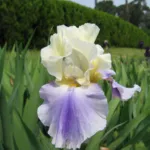
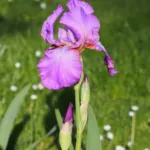
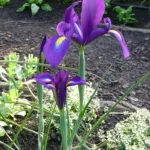
Large, showy, beardless flowers are borne on upright stems in summer, generally after many bearded and Siberian irises. The blooms are characteristically broad and flattened, with six tepals and reduced or shortened upright standards. Flowering is strongest when plants receive ample light, steady moisture, and adequate summer nutrition.
Pollination and visitors
The open, showy flowers can be visited by bees, but the available species-level evidence does not support naming a particular pollinator species or claiming strong pollinator value. Pollinator activity is most relevant during the summer flowering period.
Iris ensata photos
Click any photo for a larger view. Source, author and license are shown separately.
Diseases and pests
Diseases
Good air circulation and drainage help prevent leaf spot, soft rot, and rhizome rot. Remove damaged foliage, avoid working among wet plants, and discard rotting rhizomes. Persistent winter saturation is a major cultural risk. Use sanitation first; reserve labeled treatments for confirmed problems.
Pests
Watch for iris borer, aphids, thrips, and slug or snail feeding. Remove dead foliage, keep beds weed-free, inspect rhizomes during division, and avoid consistently wet winter conditions. Treat only when damage is confirmed and use products labeled for ornamental plants.
Related diseases and pests
Only Plant Doctor profiles whose host data indicate this plant may be affected are shown here.
 PestStrawberry foliar nematodeAphelenchoides fragariae
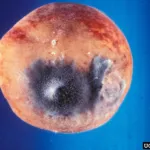 DiseaseRhizopus soft rotRhizopus stolonifer
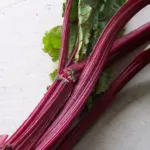 DiseaseBacterial soft rotPectobacterium carotovorum
 DiseaseAlternaria leaf spot and fruit rotAlternaria alternata
 DiseaseRhizoctonia DiseasesRhizoctonia solani Kühn
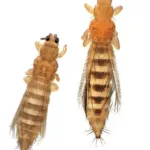 PestOnion thripsThrips tabaci Lindeman
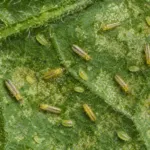 PestMelon thripsThrips palmi Karny
 PestChilli thripsScirtothrips dorsalis Hood
Toxicity and pollen
Iris plants contain compounds that can cause gastrointestinal upset if ingested and irritation after contact with sap, rhizomes, or seeds. Risk is generally associated with chewing or handling plant tissue rather than casual garden contact. Wear gloves when dividing plants and keep rhizomes away from children and pets.
- Typical season
- Late spring through summer, during flowering
- Pollination / pollen
- Heavy, insect-carried pollen
Iris ensata is insect-pollinated and its pollen is not typically regarded as a major airborne pollen source. However, airborne exposure is not necessarily zero, and sensitive people may react to pollen or plant handling. Avoid rubbing eyes after garden work and wash hands after contact.
Native habitat
The species occurs in temperate wet meadows, marsh margins, streamside areas, and other moist habitats across southeastern Siberia to Japan. It is adapted to seasonal moisture and rich soils, but winter dormancy is safer in soil that is moist rather than continuously waterlogged.
Interesting fact
Iris ensata is a rhizomatous geophyte or helophyte associated with temperate habitats. It is one of the principal species behind cultivated Japanese garden irises. The species is accepted by current Kew taxonomic resources and has a native range extending from southeastern Siberia to Japan.
Frequently asked questions (FAQ)
The most relevant questions about this plant, with short and direct answers.
🌱Quick care
What is Iris ensata?⌄
Iris ensata is a hardy, rhizomatous perennial commonly called Japanese iris. It produces tall, sword-shaped foliage and large, flat flowers in blue, purple, pink, lavender, or white.
Is Iris ensata easy to grow?⌄
Iris ensata is relatively easy to grow when it receives full sun, consistently moist soil, and regular moisture during the growing season. It is less forgiving of dry soil and poorly drained winter conditions.
How much sun does Iris ensata need?⌄
Give Iris ensata at least 6 hours of direct sunlight daily for the best flowering. It tolerates partial shade, especially in hot climates, but too much shade can reduce blooms.
How often should I water Iris ensata?⌄
Water Iris ensata whenever the soil surface begins to dry so the root zone remains consistently moist. Established plants may need about 1 to 2 inches of water weekly, depending on rainfall, soil, and temperature.
🌤️Environment and placement
What is the best soil for Iris ensata?⌄
Plant Iris ensata in rich, organic, moisture-retentive soil that drains reasonably well and is slightly acidic. Avoid soil that becomes stagnant and waterlogged during winter.
Can Iris ensata grow in standing water?⌄
Iris ensata can tolerate shallow standing water during the growing season, sometimes up to about 6 inches deep. Remove containers from water or provide drier winter conditions because saturated rhizomes may rot in cold weather.
Can Iris ensata grow near a pond?⌄
Yes, Iris ensata is well suited to moist pond edges, stream banks, rain gardens, and other damp sites. Position it where the soil stays wet in spring and summer but does not remain waterlogged through winter.
Can Iris ensata grow in partial shade?⌄
Iris ensata can grow in partial shade, but it flowers most reliably in full sun. In regions with intense summer heat, light afternoon shade can help protect flowers from fading and weather damage.
What USDA zones can grow Iris ensata outdoors?⌄
Iris ensata is generally hardy outdoors in USDA Zones 4 through 9. Winter performance depends on drainage, snow cover, cultivar, and local temperature extremes.
💧Care and problems
How do I fertilize Iris ensata?⌄
Feed Iris ensata in spring with a balanced or low-nitrogen fertilizer according to a soil test or product label. It benefits from fertile soil, but excessive nitrogen or fresh manure can encourage weak growth and rhizome problems.
Why is my Iris ensata not blooming?⌄
Insufficient sunlight, dry soil, newly divided plants, overcrowding, or excessive nitrogen can all reduce blooming in Iris ensata. Provide at least 6 hours of sun, steady moisture, fertile soil, and time for recently divided plants to reestablish.
Why are the leaves of my Iris ensata turning brown?⌄
Brown leaves on Iris ensata are commonly caused by dry soil, hot wind, strong sun combined with drought, or seasonal dieback. Keep the soil consistently moist and remove only foliage that is fully dead or diseased.
Does Iris ensata need mulch?⌄
A 2- to 3-inch layer of organic mulch can help Iris ensata retain moisture and moderate soil temperature. Keep mulch from pressing directly against the crown or completely covering the rhizomes.
Does Iris ensata have serious pest or disease problems?⌄
Iris ensata is generally resistant to deer and usually has few serious pest problems when grown correctly. Poor drainage, overcrowding, and excess moisture in winter can increase the risk of rhizome rot.
🪴Planting and repotting
When is the best time to plant Iris ensata?⌄
Plant Iris ensata in late summer or early fall, or in spring after severe frost has passed. Fall planting allows roots to develop, but spring planting is preferable where winter soil stays saturated or freezes severely.
How deep should I plant Iris ensata rhizomes?⌄
Plant Iris ensata rhizomes shallowly, with the crown near the soil surface and the roots covered. Unlike bearded iris, Japanese iris can be planted somewhat deeper, but excessive depth can still weaken growth and flowering.
How far apart should Iris ensata be planted?⌄
Space Iris ensata about 18 to 24 inches apart, allowing room for its clumping habit and mature spread. Wider spacing improves air circulation and reduces the need for frequent division.
Can Iris ensata be grown in containers?⌄
Iris ensata grows well in large containers filled with rich, moisture-retentive soil. Keep the container consistently moist during the growing season and protect the rhizomes from prolonged winter saturation and severe freezing.
✂️Propagation and pruning
How do you propagate Iris ensata?⌄
The most reliable way to propagate Iris ensata is by dividing established clumps. Divide healthy rhizomes after flowering or in late summer, ensuring each division has roots and at least one strong growth point.
How often should Iris ensata be divided?⌄
Divide Iris ensata when clumps become crowded, flowering declines, or the center of the clump weakens, usually every 3 to 5 years. Division is not required on a strict schedule if the plant remains vigorous and blooms well.
When should I cut back Iris ensata?⌄
Remove spent flower stems after blooming and cut back yellowing or dead foliage in late fall or early spring. Do not remove healthy green leaves prematurely because they help the rhizome store energy for the next season.
⚠️Toxicity and safety
Is Iris ensata toxic to dogs and cats?⌄
Iris ensata has low toxicity but can still cause irritation or illness if eaten by dogs, cats, livestock, or people. Keep rhizomes and plant debris away from pets and children, and contact a veterinarian or poison service if significant amounts are swallowed.
Can you touch Iris ensata?⌄
Most people can handle Iris ensata safely, but the sap and plant tissues may irritate sensitive skin. Wear gloves when dividing or cutting the plant, and wash hands afterward.
🌸Flowering and special interest
When does Iris ensata bloom?⌄
Iris ensata usually blooms in early to mid-summer, often several weeks after tall bearded iris. Bloom timing varies with cultivar, climate, winter conditions, and spring temperatures.
How large are Iris ensata flowers?⌄
Iris ensata flowers commonly reach about 6 to 10 inches across under good growing conditions. The blooms are typically broad and flat, with single, double, or peony-like forms.
What colors do Iris ensata flowers come in?⌄
Iris ensata flowers occur in blue, violet, purple, lavender, pink, and white, often with veining, marbling, or contrasting markings. Cultivar colors and flower forms vary considerably.
Are Iris ensata flowers good for cutting?⌄
Iris ensata flowers can be used as cut flowers, although the delicate blooms may be damaged by wind, rain, and rough handling. Cut stems when buds are beginning to open and place them in clean water.