 Source:
 Siberian Iris (Iris sibirica) short overview
Siberian Iris is a graceful, clump-forming perennial prized for its narrow blue-green foliage and elegant, beardless flowers in blue-violet, purple, white, pink, or yellow forms. It performs best in full sun with consistent moisture, especially beside ponds, streams, rain gardens, and fertile borders. Once established, it tolerates short dry periods and remains one of the easier irises to maintain, with division usually needed only when clumps become crowded.
Taxonomic classification
Siberian Iris (Iris sibirica) care guide
Light and placement
Grow in full sun for the strongest flowering, with at least 6 hours of direct light. Partial afternoon shade is useful in hot Southern locations, especially where summers are dry. Too little light produces fewer flowers and floppy stems; excessive heat combined with dry soil can scorch foliage and reduce vigor. Planting near a pond edge or east-facing border often provides a good balance.
Watering and humidity
Keep soil evenly moist during establishment and through active spring growth and flowering. Water deeply when the surface begins to dry rather than applying frequent shallow irrigation. Established plants tolerate short dry spells, but prolonged drought reduces flowering and can shorten foliage quality. Avoid standing winter water around the rhizomes.
Soil and growing medium
Use fertile, humus-rich soil that holds moisture without remaining stagnant. Loam or improved clay is suitable if drainage is reliable. Slightly acidic to neutral conditions are preferred, although established plants tolerate a broader range. Incorporate compost before planting, but avoid waterlogged winter soil because rhizomes can rot.
Feeding
Apply a thin layer of compost in early spring or use a balanced, slow-release perennial fertilizer at label rates as growth begins. Avoid heavy nitrogen, which can produce lush foliage with weaker flowering and may encourage disease. Do not fertilize drought-stressed, freshly divided, or visibly diseased plants until they have recovered.
Growth and habit
This rhizomatous perennial forms dense, slowly broadening clumps from slender underground rhizomes. Flowering can decline when plants become crowded, so divide approximately every three to five years or when the center weakens. Established plants tolerate brief dry periods, but regular moisture supports stronger foliage and flowering.
Planting and repotting
Plant in spring in colder regions or in fall where plants have time to root before winter. Set rhizomes about 1–2 inches below the soil surface, or just covered in heavy soil, and space plants about 12–24 inches apart. Water consistently for the first growing season. Avoid planting where winter water stands over the rhizomes.
Container-grown plants can be divided and refreshed in late summer or early fall after flowering. Use a roomy container with drainage holes and a moisture-retentive but well-aerated potting mix. Repot when the clump fills the container or flowering declines; keep the rhizomes near the surface rather than burying them deeply.
Propagation and pruning
Propagation
Division is the most reliable method and is best done in late summer or early fall. Lift crowded clumps, cut them into sections with healthy rhizomes and foliage fans, and replant promptly. Seed can be sown fresh or after cold stratification, but seedlings may take several years to flower and will not necessarily reproduce a selected cultivar.
Pruning
After flowering, remove spent stems if seed production is not desired. Allow foliage to remain until it yellows naturally so the rhizomes can replenish reserves. Cut back old leaves to a few inches above the ground in late fall or early spring, and remove debris to reduce disease carryover.
Overwintering
Plants are reliably hardy through much of the northern United States and generally need no special winter protection. In exposed sites, apply a light mulch after the ground freezes, keeping it loose and away from the rhizome crown. Container plants are more vulnerable to root freezing and should be insulated or overwintered in a sheltered, unheated location.
Uses
A strong ornamental choice for moist borders, pond edges, rain gardens, streamside plantings, meadow-style landscapes, and cutting gardens. Its foliage provides structure after flowering, and its flowers are suitable for short-lived arrangements. It is not a culinary or medicinal plant; do not ingest any part.
Appearance
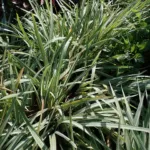
The plant is recognized by its dense, vase-shaped clump of narrow, ribbed, blue-green leaves and upright, slender flower stems that rise above the foliage. Flowers lack the fuzzy beard found on many bearded irises. After bloom, elongated three-angled capsules mature from green to chestnut brown and split along their ridges to release seeds.
Flowering
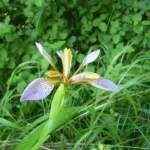
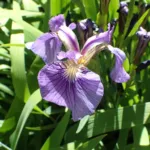
Flowers appear in late spring to early summer on slender stems above the foliage. Each flower has three upright standards and three reflexed, beardless falls, with petaloid style branches partly covering the stamens. Mature clumps may produce many flowers, and seed capsules can remain ornamental after bloom.
Pollination and visitors
The showy flowers are visited by insect pollinators, including bees, bumblebees, and butterflies. Their open iris structure provides access to floral rewards while the petaloid style branches partly cover the reproductive organs. A medium attraction rating is appropriate because visitor activity is documented, but the species is not generally regarded as a major mass-forage plant.
Iris sibirica photos
Click any photo for a larger view. Source, author and license are shown separately.
Diseases and pests
Diseases
Bacterial soft rot, rhizome rot, leaf spot, rust, and gray mold can occur, especially where foliage stays wet or drainage is poor. Remove infected tissue, improve air circulation, avoid overhead watering, and discard badly rotted rhizomes. Siberian iris generally has better resistance to iris leaf spot and iris borer damage than bearded iris.
Pests
Slugs, snails, iris thrips, aphids, and occasionally iris borer may damage plants. Keep beds free of old foliage, avoid dense overcrowding, and inspect leaves for chewing, streaking, or distortion. Siberian iris is generally more tolerant of iris borer than bearded iris. Use targeted, label-compliant controls only when monitoring shows a need.
Related diseases and pests
Only Plant Doctor profiles whose host data indicate this plant may be affected are shown here.
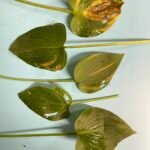 PestStrawberry foliar nematodeAphelenchoides fragariae
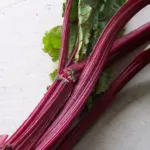 DiseaseBacterial soft rotPectobacterium carotovorum
 DiseaseGray MoldBotrytis cinerea
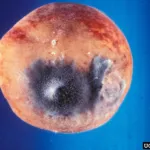 DiseaseRhizopus soft rotRhizopus stolonifer
 DiseaseGray leaf spot of cornCercospora zeae-maydis
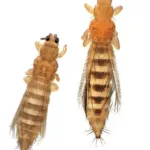 PestOnion thripsThrips tabaci Lindeman
 PestMelon thripsThrips palmi Karny
 PestChilli thripsScirtothrips dorsalis Hood
Toxicity and pollen
Iris species are considered toxic if ingested, with the rhizomes and roots containing the greatest concern. Iris sibirica may cause gastrointestinal upset in people and skin irritation from sap. Wear gloves when dividing or cutting rhizomes, keep plant material away from children and pets, and seek professional advice after ingestion.
- Typical season
- May–June in much of the United States
- Pollination / pollen
- Insect-borne, relatively heavy pollen
Iris pollen is primarily transferred by flower visitors rather than released in large airborne clouds. Exposure is therefore usually lower than for wind-pollinated grasses or trees, although sensitive people may still react to pollen or plant contact. Airborne exposure in the United States is most relevant during the spring-to-early-summer bloom period.
Native habitat
In its native range, Iris sibirica is associated with wet meadows, grassy habitats, marsh margins, open woodland edges, and other temperate sites with reliable seasonal moisture. It favors sunny to lightly shaded conditions and soils that remain moist during active growth but are not permanently submerged.
Interesting fact
The species has beardless flowers, unlike the familiar bearded garden iris. Its narrow leaves form a vase-shaped clump that remains attractive after flowering. The fruit is a ridged, three-sided capsule that turns brown as it dries. Siberian iris has contributed to many modern Siberian iris hybrids.
Frequently asked questions (FAQ)
The most relevant questions about this plant, with short and direct answers.
🌱Quick care
What is Siberian Iris?⌄
Siberian Iris (Iris sibirica) is a hardy perennial in the iris family, Iridaceae, grown for its graceful, beardless flowers and narrow, upright foliage. It is generally low-maintenance when planted in moist, fertile soil.
How much sun does Siberian Iris need?⌄
Siberian Iris grows best in full sun to partial shade. More sun usually produces stronger flowering, while light afternoon shade can be helpful in hot climates.
How often should I water Siberian Iris?⌄
Water Siberian Iris whenever the soil begins to dry, keeping it evenly moist during active growth. Established plants tolerate short dry periods, but drought can reduce flowering and weaken foliage.
Is Siberian Iris hardy?⌄
Yes, Siberian Iris is hardy outdoors across USDA Zones 3–9. It normally survives winter in the ground without special protection, although a light mulch can help protect newly planted divisions.
🌤️Environment and placement
What kind of soil does Siberian Iris need?⌄
Siberian Iris prefers moist, fertile, humus-rich, well-drained soil. It tolerates heavier or periodically wet soil better than many garden irises, but constantly stagnant water can still cause root problems.
Can Siberian Iris grow in wet soil?⌄
Yes, Siberian Iris can grow in moist or periodically wet soil and is suitable for rain gardens and pond edges. Choose a site that holds moisture without remaining permanently waterlogged.
Can Siberian Iris grow in shade?⌄
Siberian Iris tolerates partial shade, especially bright or dappled shade. Deep shade often produces weaker growth and fewer flowers.
Can Siberian Iris grow in clay soil?⌄
Yes, Siberian Iris can grow in clay soil if it remains moist but drains reasonably well. Incorporate compost through the planting area rather than creating a small amended pocket around the roots.
Where should I plant Siberian Iris in my yard?⌄
Plant Siberian Iris in a sunny to partly shaded border, rain garden, cottage garden, or near a pond or stream. Leave enough room for the clump to expand without being crowded by aggressive neighboring plants.
💧Care and problems
How do I care for Siberian Iris after planting?⌄
Keep the soil evenly moist, mulch lightly to conserve moisture, and remove weeds around the clump. Avoid frequent disturbance because established Siberian Iris generally performs best when left in place.
Why is my Siberian Iris not blooming?⌄
The most common causes are insufficient sunlight, drought, excessive nitrogen, overcrowding, or a recently divided plant needing time to reestablish. Move or divide it only when necessary, and avoid cutting the foliage prematurely.
Why are the leaves of my Siberian Iris turning brown?⌄
Brown leaves can result from drought, heat stress, normal late-season decline, or leaf-spot disease. Check soil moisture, improve air circulation, remove badly affected foliage, and avoid overhead watering when possible.
Does Siberian Iris need fertilizer?⌄
Siberian Iris usually needs little fertilizer when grown in fertile soil enriched with organic matter. If growth is weak, apply a modest balanced perennial fertilizer in spring according to the product label.
Does Siberian Iris need mulch?⌄
Yes, a thin layer of organic mulch helps conserve moisture and suppress weeds. Keep mulch slightly away from the base of the foliage to reduce the risk of rot.
Can Siberian Iris tolerate drought?⌄
Established Siberian Iris can tolerate brief dry periods, but it grows and flowers best with consistent moisture. Provide supplemental water during extended heat or drought, especially for newly planted divisions.
🪴Planting and repotting
When is the best time to plant Siberian Iris?⌄
The best planting times are spring or late summer through early fall, while soil moisture is reliable and temperatures are moderate. In cold regions, plant divisions early enough to establish roots before the ground freezes.
How do I plant Siberian Iris?⌄
Plant Siberian Iris at the same depth it was growing in its container, spreading the roots through moist, prepared soil. Firm the soil gently, water thoroughly, and maintain even moisture while the plant establishes.
Can Siberian Iris be grown in containers?⌄
Yes, Siberian Iris can grow in a large container with drainage holes and moisture-retentive potting mix. Containers dry out faster than garden soil, so monitor moisture closely and protect the roots from extreme winter temperature swings.
How far apart should Siberian Iris be planted?⌄
Space Siberian Iris about 18 to 24 inches apart, depending on the cultivar and the desired visual effect. Wider spacing improves air circulation, while closer planting creates a faster-filling mass.
✂️Propagation and pruning
How do I propagate Siberian Iris?⌄
The most reliable method is division of an established clump. Dig it up after flowering or in late summer, separate healthy sections with roots and shoots, and replant them promptly at the original depth.
How often should Siberian Iris be divided?⌄
Divide Siberian Iris when the clump becomes crowded, the center begins to die, or flowering declines rather than on a strict schedule. Unlike many bearded irises, it often remains productive for several years without division.
Can Siberian Iris be grown from seed?⌄
Yes, Siberian Iris can be grown from seed, but seedlings may take several years to flower and may not match the parent plant. Division is faster and preserves the characteristics of a named cultivar.
When should I cut back Siberian Iris?⌄
Cut Siberian Iris foliage back to a few inches above the ground in late fall or late winter once it has yellowed or become untidy. Leave healthy foliage in place longer if it is still providing energy to the roots.
Should I deadhead Siberian Iris?⌄
Deadhead Siberian Iris after flowering if you want a neater appearance or want to limit seed production. Removing spent flowers is optional and does not usually determine whether the plant blooms the following year.
⚠️Toxicity and safety
Is Siberian Iris poisonous to dogs and cats?⌄
Yes, Siberian Iris should be considered toxic if eaten by dogs, cats, horses, or people, with the underground parts generally posing the greatest risk. Ingestion may cause drooling, vomiting, diarrhea, or lethargy; contact a veterinarian or poison-control service if symptoms occur.
Can Siberian Iris irritate skin?⌄
Yes, the sap of Siberian Iris may irritate sensitive skin. Wear gloves when dividing, cutting back, or handling damaged plant material, and wash exposed skin afterward.
Is Siberian Iris safe to plant around children?⌄
Siberian Iris can be grown in family gardens, but children should not eat any part of the plant. Place it where young children are less likely to handle or chew the foliage and flowers.
🌸Flowering and special interest
When does Siberian Iris bloom?⌄
Siberian Iris usually blooms in late spring to early summer, commonly during May and June in much of the United States. Bloom timing varies with cultivar, latitude, elevation, and spring temperatures.
What colors do Siberian Iris flowers come in?⌄
Siberian Iris flowers commonly appear in blue, purple, violet, white, pink, wine-red, or yellow combinations, depending on the cultivar. The flowers are beardless and typically rise above narrow, grass-like foliage.
Will Siberian Iris bloom again in the same year?⌄
Most Siberian Iris plants bloom once in late spring or early summer. A few cultivars may have reblooming traits, but repeat flowering is not typical for the species as a whole.
Why did my Siberian Iris bloom poorly after division?⌄
Poor flowering after division is often temporary because the plant is rebuilding its roots and crown. Replant divisions promptly, keep them evenly moist, and give them adequate light; normal flowering may return after one or more growing seasons.