Source:
Argentea Variegata (Iris pallida ‘Argentea Variegata’) short overview
Iris pallida 'Argentea Variegata' is a classic bearded iris grown as much for its bold silver-white striped leaves as for its fragrant, pale lavender-blue flowers. This clumping rhizomatous perennial prefers sun, excellent drainage, and a rhizome planted partly above the soil surface. It is cold hardy across much of the United States, tolerates summer dryness once established, and makes a distinctive border, rock-garden, or container accent.
Taxonomic classification
Argentea Variegata (Iris pallida ‘Argentea Variegata’) care guide
Light and placement
Grow in full sun for the strongest flowering and best compact habit; light afternoon shade is useful in hot climates and can reduce scorching of the pale leaf bands. A south- or west-facing bed with excellent drainage is suitable. Weak flowering and elongated, floppy fans suggest insufficient light, while bleached or browned leaf bands indicate excessive heat or intense reflected sun.
Watering and humidity
Water deeply when the upper few inches of soil dry during the first growing season, then gradually reduce frequency. Established plants tolerate short dry periods, but water during prolonged heat or drought, especially while flower buds are forming. Avoid frequent shallow watering and never leave the rhizomes in saturated soil.
Soil and growing medium
Use moderately fertile, sharply drained soil; sandy or gritty loam is ideal, though established plants tolerate ordinary clay if drainage is improved. Keep rhizomes out of persistently wet soil. Neutral to slightly alkaline conditions are suitable, and modest limestone tolerance is consistent with the species' natural habitat.
Feeding
Apply a thin layer of compost or a low-nitrogen iris fertilizer in early spring, then feed lightly again after flowering if growth is weak. Avoid fresh manure and excessive nitrogen, which can produce soft foliage and increase disease risk. Do not fertilize drought-stressed or waterlogged plants.
Growth and habit
Forms dense fans of upright leaves from spreading rhizomes and can become crowded after several seasons. Divide when the center loses vigor or the clump becomes congested. Tall flower stems may need support in exposed, windy locations.
Planting and repotting
Plant dormant rhizomes from late summer into early fall, or in spring where necessary. Set the rhizome horizontally with its upper surface exposed or only lightly covered; burying it deeply encourages rot. Space about 18–24 inches apart and water regularly during the first growing season.
Container plants rarely need frequent repotting. Divide and refresh the potting mix after flowering or when the rhizome mass becomes crowded. Use a wide, heavy container with generous drainage and set the rhizome shallowly, partly above the mix.
Propagation and pruning
Propagation
Divide rhizomes from midsummer through early fall, after flowering, by separating healthy fans with attached rhizome sections. Replant promptly with the rhizome partly exposed. Seed propagation is possible but does not reliably reproduce the named cultivar's silver variegation.
Pruning
Cut spent flower stems to the base after blooming. Remove yellowing or diseased leaves, but retain healthy foliage while it remains green so the rhizome can replenish reserves. In autumn or late winter, remove old fans before new growth begins.
Overwintering
Plants are outdoor hardy in much of the United States. In colder regions, avoid heavy winter mulch directly over the rhizomes because trapped moisture can cause rot; use a light, airy mulch only after the ground freezes if needed. Container plants may need protection from repeated freeze-thaw cycles.
Uses
An ornamental perennial for borders, rock gardens, cottage gardens, raised beds, and containers. The upright variegated foliage provides season-long structure, while the fragrant flowers can be used sparingly as cut flowers. Historical orris-root uses should not be treated as modern home-remedy guidance.
Appearance
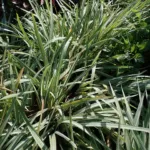
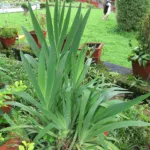
The defining feature is the upright fan of sword-shaped blue-green leaves marked by broad silver-white longitudinal bands. Tall branched scapes carry lightly colored bearded flowers above the foliage. The plant forms a tidy architectural clump, and the pale variegation remains ornamental even outside the bloom period.
Flowering
Tall, branched flower stems rise above the striped leaf fans in late spring or early summer. Flowers are pale lavender-blue and bearded, usually appearing in succession along the scape. Flowering may be reduced by deep shade, overcrowding, drought during bud formation, or excessively rich wet soil.
Pollination and visitors
The open, bearded flowers are visited by bees and butterflies. The beard and floral structure help guide visitors toward nectar and reproductive surfaces. Documentation supports visitor groups rather than a single consistently recorded pollinator species for this cultivar.
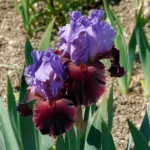
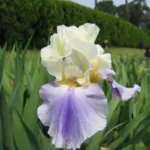
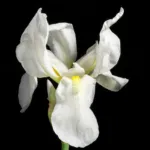
Iris pallida 'Argentea Variegata' photos
Click any photo for a larger view. Source, author and license are shown separately.
Diseases and pests
Diseases
Generally trouble-free when planted in well-drained soil. Watch for bacterial soft rot, gray mold, and virus symptoms such as irregular streaking or distorted foliage. Remove rotting tissue, improve drainage, avoid overhead watering, and discard severely infected divisions.
Pests
Iris borers are less consistently troublesome than on many hybrid bearded irises, but they can occur. Slugs, snails, thrips, aphids, and iris-feeding caterpillars may also appear. Inspect foliage and rhizomes, remove affected material, reduce hiding places, and use targeted controls only when damage is significant.
Related diseases and pests
Only Plant Doctor profiles whose host data indicate this plant may be affected are shown here.
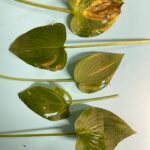 PestStrawberry foliar nematodeAphelenchoides fragariae
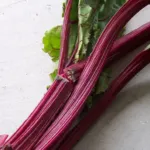 DiseaseBacterial soft rotPectobacterium carotovorum
 DiseaseGray MoldBotrytis cinerea
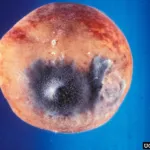 DiseaseRhizopus soft rotRhizopus stolonifer
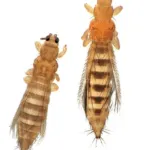 PestOnion thripsThrips tabaci Lindeman
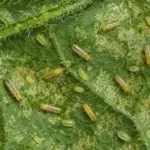 PestMelon thripsThrips palmi Karny
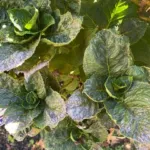 PestChilli thripsScirtothrips dorsalis Hood
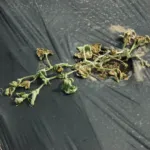 DiseaseBacterial WiltRalstonia solanacearum species complex
Toxicity and pollen
Iris plants contain irritating compounds, especially in rhizomes and sap. Ingestion can cause gastrointestinal upset, and contact with sap may irritate sensitive skin. Wear gloves when dividing or handling damaged rhizomes, keep plant material away from children and pets, and seek medical or veterinary advice after significant ingestion.
- Typical season
- May–June in much of the United States
- Pollination / pollen
- Insect-carried pollen
This is an insect-pollinated iris, so its pollen is not typically released in large airborne clouds like wind-pollinated grasses or trees. Exposure is still possible during close handling of flowers, and individual sensitivity varies; flower contact can also cause irritation independently of pollen.
Native habitat
The species is associated with rocky, often calcareous habitats of the northern Mediterranean and Dalmatian region. It favors open sunny sites with rapid drainage and tolerates seasonal dryness once established. The cultivar is a garden selection rather than a wild native population.
Interesting fact
The cultivar is prized primarily for silver-white foliage rather than flower color.
Its rhizomes are associated with the historic perfume ingredient orris root.
The broad pale leaf bands can scorch in intense, all-day heat.
Iris pallida is an important species in the history of bearded iris breeding.
Frequently asked questions (FAQ)
The most relevant questions about this plant, with short and direct answers.
🌱Quick care
What is Iris pallida 'Argentea Variegata'?⌄
Iris pallida 'Argentea Variegata' is a rhizomatous perennial iris grown for its silver-and-green striped foliage and fragrant lavender-blue flowers. It is a hardy garden plant related to tall bearded irises.
How much sun does Iris pallida 'Argentea Variegata' need?⌄
Grow Iris pallida 'Argentea Variegata' in full sun for the best flowering and strongest variegation. It tolerates partial shade, but reduced light may produce fewer flowers and less compact growth.
Is Iris pallida 'Argentea Variegata' hardy?⌄
Yes, Iris pallida 'Argentea Variegata' is a cold-hardy perennial commonly grown in USDA Zones 4–9, with some references listing a broader range. Winter performance depends on drainage, exposure, and local conditions.
How large does Iris pallida 'Argentea Variegata' get?⌄
Iris pallida 'Argentea Variegata' typically forms a low foliage clump about 18–24 inches wide, with flowering stems reaching roughly 3 feet tall. Mature size varies with climate and growing conditions.
Is Iris pallida 'Argentea Variegata' evergreen?⌄
Its foliage is nearly evergreen in mild-winter regions but may die back or become dormant in colder areas. The silver-and-green leaves can remain attractive for much of the year when winter conditions are moderate.
🌤️Environment and placement
What type of soil is best for Iris pallida 'Argentea Variegata'?⌄
Use well-drained loam, sandy soil, or gritty soil for Iris pallida 'Argentea Variegata'. Heavy or persistently wet soil can cause rhizome problems, especially during winter or in hot, humid conditions.
Can Iris pallida 'Argentea Variegata' grow in clay soil?⌄
Iris pallida 'Argentea Variegata' can tolerate amended clay, but the planting area must drain freely. Improve dense clay with organic matter and mineral grit, and plant the rhizomes shallowly rather than burying them deeply.
Can Iris pallida 'Argentea Variegata' grow in partial shade?⌄
Yes, it can grow in partial shade, particularly in hot climates where afternoon protection is useful. Expect the strongest flowering and most pronounced foliage contrast in a location receiving several hours of direct sun.
Is Iris pallida 'Argentea Variegata' drought tolerant?⌄
Established plants have some drought tolerance and generally prefer conditions on the drier side. Provide regular water during the first growing season, then water only when the soil has dried substantially.
Is Iris pallida 'Argentea Variegata' suitable for hot, humid climates?⌄
It can be grown in hot, humid areas if the soil drains exceptionally well and air circulation is good. Avoid wet winter soil and crowded planting, which increase the risk of rhizome rot and fungal problems.
💧Care and problems
How often should I water Iris pallida 'Argentea Variegata'?⌄
Water newly planted Iris pallida 'Argentea Variegata' when the top few inches of soil begin to dry. Once established, reduce watering and avoid keeping the rhizomes consistently wet.
Why is my Iris pallida 'Argentea Variegata' not blooming?⌄
The most common causes are insufficient sun, newly divided or recently planted rhizomes, excessive nitrogen, or overly wet soil. Give the plant time to establish, improve drainage, and avoid heavy fertilization that promotes leaves instead of flowers.
Does Iris pallida 'Argentea Variegata' need fertilizer?⌄
Iris pallida 'Argentea Variegata' usually needs little fertilizer in reasonably fertile soil. If growth is weak, apply a light, balanced fertilizer in early spring, but avoid high-nitrogen products.
Should Iris pallida 'Argentea Variegata' be staked?⌄
Staking is usually unnecessary in sheltered locations but may help flowering stems in windy or exposed gardens. Tall stems can lean when plants are young, recently divided, or grown in very rich soil.
What pests affect Iris pallida 'Argentea Variegata'?⌄
Slugs, snails, thrips, and aphids may occasionally affect Iris pallida 'Argentea Variegata'. Good air circulation, removal of damaged foliage, and routine monitoring usually provide adequate control for minor infestations.
What diseases can affect Iris pallida 'Argentea Variegata'?⌄
Potential problems include bacterial soft rot, gray mold, and virus symptoms spread by aphids. The best prevention is excellent drainage, clean division practices, adequate spacing, and removal of severely affected plant material.
🪴Planting and repotting
When should I plant Iris pallida 'Argentea Variegata'?⌄
Plant bare-root or divided rhizomes from midsummer through early fall, allowing time for root establishment before hard freezes. Container-grown plants can also be planted during the growing season if watered carefully while establishing.
How should I plant Iris pallida 'Argentea Variegata' rhizomes?⌄
Set the rhizomes horizontally with their upper surfaces at or slightly above the soil line, then spread the roots into the soil. Planting too deeply or covering the rhizomes with heavy mulch can reduce flowering and encourage rot.
Can Iris pallida 'Argentea Variegata' be grown in a container?⌄
Yes, it can grow in a container with a drainage hole and a gritty, well-drained potting mix. Choose a broad, sturdy pot, keep the rhizomes shallow, and protect the container from prolonged saturation and extreme winter exposure.
How far apart should Iris pallida 'Argentea Variegata' be planted?⌄
Space plants about 18–24 inches apart to allow the clumps to expand and to maintain air circulation. Closer spacing is possible for a quicker display, but crowded plants may need division sooner.
✂️Propagation and pruning
How do you propagate Iris pallida 'Argentea Variegata'?⌄
Division of the rhizomes is the most reliable way to propagate Iris pallida 'Argentea Variegata' and preserve its variegated characteristics. Seed propagation is possible but may not produce plants identical to the named cultivar.
When should Iris pallida 'Argentea Variegata' be divided?⌄
Divide Iris pallida 'Argentea Variegata' from midsummer to early fall, after flowering and once the foliage has had time to replenish the rhizomes. Dividing every three to four years is often sufficient when clumps become crowded.
How do I divide Iris pallida 'Argentea Variegata'?⌄
Lift the clump, separate healthy rhizome sections with roots and a fan of leaves, and discard soft or damaged portions. Replant the divisions shallowly, trim excessively long foliage if needed, and water them in without keeping the soil saturated.
Should I cut back Iris pallida 'Argentea Variegata' after flowering?⌄
Remove spent flower stems after blooming to keep the plant tidy and prevent seed formation. Leave healthy foliage in place until it naturally declines, because the leaves help replenish the rhizomes.
⚠️Toxicity and safety
Is Iris pallida 'Argentea Variegata' toxic to people?⌄
Iris pallida 'Argentea Variegata' is considered harmful if eaten and should not be consumed. Wear gloves when handling rhizomes or sap, and keep plant material away from children.
Is Iris pallida 'Argentea Variegata' toxic to dogs and cats?⌄
Yes, Iris pallida 'Argentea Variegata' may be harmful if eaten by pets. Prevent access to rhizomes and foliage, and contact a veterinarian or animal poison service if a pet consumes the plant.
🌸Flowering and special interest
When does Iris pallida 'Argentea Variegata' bloom?⌄
Iris pallida 'Argentea Variegata' generally blooms in late spring or early summer, often around May or June in much of the United States. Bloom timing varies with USDA Zone, spring temperatures, and establishment.
What do the flowers of Iris pallida 'Argentea Variegata' look like?⌄
The flowers are typically fragrant and lavender-blue to light purple, with veining and lighter markings near the base of the falls. They rise above the distinctive silver-and-green striped leaves.
Is Iris pallida 'Argentea Variegata' fragrant?⌄
Yes, its flowers are notably fragrant, with a sweet scent often compared with grape, vanilla, or orange blossom. Fragrance is strongest during warm weather and when flowers are fully open.
Why is the variegated foliage of Iris pallida 'Argentea Variegata' turning green?⌄
Reduced light, stress, or the emergence of non-variegated reversions can make foliage appear greener. Move the plant gradually toward brighter light, and remove strongly reverted shoots if they begin overtaking the variegated growth.