
 Source:
 Iris x germanica (Iris germanica) short overview
Iris x germanica is the familiar bearded iris of many American gardens, valued for its bold, often fragrant flowers and architectural fans of sword-shaped leaves. It grows from shallow rhizomes that should receive full sun, excellent drainage, and only light soil cover. Once established, this long-lived perennial tolerates dry periods, but crowded clumps benefit from division every few years to maintain vigor and flowering.
Taxonomic classification
Iris x germanica (Iris germanica) care guide
Light and placement
Give full sun, ideally at least six hours of direct light with open air around the clump. A south- or west-facing border, raised bed, or sunny slope is suitable. Insufficient light commonly produces floppy foliage and few flowers; excessive wetness at a sunny site is more damaging than strong summer light.
Watering and humidity
Water newly planted rhizomes deeply after planting and during dry spells until rooted. Once established, water when the upper few inches of soil dry, then allow the bed to drain; deep, occasional watering is preferable to frequent shallow watering. Reduce irrigation during cool, wet weather and avoid standing water around rhizomes.
Soil and growing medium
Use a porous, well-drained loam or sandy loam. Heavy clay should be improved with organic matter and, where necessary, structural drainage rather than simply adding rich compost. Irises generally perform well in neutral to slightly acidic soil, approximately pH 6.1–7.2, and tolerate some alkalinity if drainage is good.
Feeding
Avoid high-nitrogen feeding, which promotes soft foliage and may reduce flowering. If soil testing indicates a need, apply a balanced or relatively low-nitrogen perennial fertilizer in early spring, then optionally feed after flowering. Keep fertilizer off the rhizomes; compost is best used as a light surface amendment rather than a wet mulch.
Growth and habit
This perennial forms expanding clumps from branching rhizomes. New fans develop around older rhizome sections, and flowering may decline when the clump becomes crowded. Division restores space, removes aging or diseased tissue, and provides new planting material.
Planting and repotting
Plant bare-root rhizomes in late summer or early fall, or as soon as they are available in spring. Make a shallow mound, spread the roots downward, and leave the top of the rhizome exposed or just barely covered. Space divisions about 12–24 inches apart, with the leaf fan directed outward. Water thoroughly after planting while roots establish.
Container-grown plants can be lifted and divided in late summer when flowering has finished. Replant healthy rhizome sections into a wide, shallow container with drainage holes and a free-draining mix; keep the rhizome crown at the surface rather than burying it.
Propagation and pruning
Propagation
Divide established clumps in late summer, about three to five years after planting or when flowering declines. Separate firm rhizome sections with healthy fans, trim damaged tissue, and replant immediately. Seed propagation is possible but is mainly used for breeding because seedlings do not reliably reproduce the parent cultivar.
Pruning
Remove each spent flower stalk at its base after the final bloom. In late fall, cut foliage back to about 3–6 inches after it yellows or is damaged by frost. Remove debris from the bed to reduce overwintering pests and disease.
Overwintering
Leave healthy foliage until it declines naturally, then cut it back in late fall and remove debris. In cold areas, plant rhizomes shallowly but securely and avoid heavy wet mulch over them. Containers are more exposed to freezing and may need insulation or a protected position.
Uses
Used in perennial borders, cottage gardens, raised beds, slopes, rock gardens, containers, and cut-flower arrangements. Its upright foliage provides structure after bloom. Rhizomes are not edible and should be handled as potentially irritating and toxic.
Appearance
The plant forms upright fans of stiff, sword-shaped leaves arranged in one plane. Leafless or lightly branched flowering stems rise above the foliage and carry large, ruffled or smooth blooms. The characteristic beard is a dense row of hairs on each fall; thick horizontal rhizomes often remain visible at the soil surface.
Flowering
Tall, branched flowering stems carry several large, six-parted blooms. Each flower has three upright standards, three spreading or drooping falls, and a fuzzy beard on the falls. Bloom timing varies by cultivar and climate, but garden forms commonly flower from late spring into early summer.
Pollination and visitors
The showy, scented flowers may be visited by bees and other insects, although bearded iris is not generally regarded as a major mass nectar plant. The floral beard and falls help guide insect visitors toward the reproductive structures.
Iris germanica photos
Click any photo for a larger view. Source, author and license are shown separately.
Diseases and pests
Diseases
Bacterial soft rot is encouraged by wet soil, deep planting, excess mulch, and damaged rhizomes. Remove soft or foul-smelling tissue, improve drainage, avoid burying the rhizome, and discard badly affected material. Leaf spot and fungal diseases are reduced by good air circulation, sanitation, and removing diseased foliage.
Pests
Iris borers can tunnel into rhizomes and cause wilting, soft rot, or foul-smelling damage. Remove affected foliage and rhizomes, clean up dead leaves in fall, and divide crowded clumps. Slugs, snails, aphids, and thrips may occur but are usually secondary problems.
Related diseases and pests
Only Plant Doctor profiles whose host data indicate this plant may be affected are shown here.
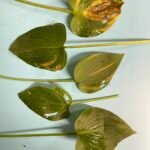 PestStrawberry foliar nematodeAphelenchoides fragariae
 DiseaseBacterial soft rotPectobacterium carotovorum
 DiseaseRhizopus soft rotRhizopus stolonifer
 DiseaseAlternaria leaf spot and fruit rotAlternaria alternata
 DiseaseRhizoctonia DiseasesRhizoctonia solani Kühn
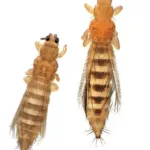 PestOnion thripsThrips tabaci Lindeman
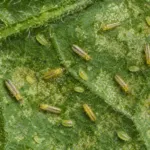 PestMelon thripsThrips palmi Karny
 PestChilli thripsScirtothrips dorsalis Hood
Toxicity and pollen
Iris can cause low-level poisoning and skin irritation. The rhizomes and sap are the main concerns; ingestion may cause nausea, vomiting, abdominal discomfort, or diarrhea, while contact can irritate sensitive skin. Wear gloves when dividing plants and keep dug rhizomes away from children and pets.
- Typical season
- Late spring to early summer
- Pollination / pollen
- Heavy, insect-carried pollen
Iris pollen is relatively heavy and is primarily presented to visiting insects rather than released as a large airborne cloud. Sensitive people can still react to flower pollen or plant sap, especially during handling; avoid rubbing eyes and wash hands after garden work.
Native habitat
The cultivated German bearded iris complex is associated with dry to moderately moist, open habitats and garden soils that drain rapidly. It performs best where rhizomes receive sun and are not exposed to prolonged winter saturation.
Interesting fact
Its underground rhizomes are modified stems, not bulbs.
Frequently asked questions (FAQ)
The most relevant questions about this plant, with short and direct answers.
🌱Quick care
What is Iris x germanica?⌄
Iris x germanica is a rhizomatous perennial commonly grown as a bearded iris, with sword-shaped foliage and showy flowers. It is generally treated horticulturally as Iris germanica and is hardy outdoors in suitable U.S. climates.
How much sun does Iris x germanica need?⌄
Iris x germanica grows best in full sun, ideally receiving at least 6 hours of direct sunlight daily. Partial shade is tolerated, but it commonly produces fewer flowers.
How often should I water Iris x germanica?⌄
Water Iris x germanica regularly while newly planted, then reduce watering once it is established. Let the soil dry somewhat between waterings because persistently wet conditions can cause rhizome rot.
Is Iris x germanica drought tolerant?⌄
Yes, established Iris x germanica is drought tolerant and usually needs little supplemental water. Water during prolonged heat or drought, especially for plants growing in sandy soil or newly divided rhizomes.
🌤️Environment and placement
What is the best soil for Iris x germanica?⌄
The best soil is well-drained loam or sandy loam that does not remain wet after rain. Improve heavy clay with drainage and organic matter, but avoid creating a rich, water-retentive planting pocket.
Can Iris x germanica grow in clay soil?⌄
Iris x germanica can survive in clay soil only if drainage is improved. Planting on a raised mound or slope and avoiding frequent watering can reduce the risk of rot.
Can Iris x germanica grow in containers?⌄
Yes, Iris x germanica can grow in a container with drainage holes and a sharply draining potting mix. Use a wide, stable container because the rhizomes spread horizontally, and protect the plant from extreme winter exposure.
Is Iris x germanica hardy in the United States?⌄
Iris x germanica is hardy outdoors across much of the United States when planted in well-drained soil. Local performance varies with cultivar, winter wetness, summer heat, and USDA hardiness zone.
💧Care and problems
Why is my Iris x germanica not blooming?⌄
The most common causes are insufficient sunlight, rhizomes planted too deeply, overcrowding, excessive fertilizer, or poor drainage. Correcting the planting depth and dividing congested clumps often improves flowering in the following season.
Why are the leaves of my Iris x germanica turning yellow?⌄
Yellowing leaves can result from normal seasonal aging, drought stress, overwatering, poor drainage, or disease. Check the rhizome for softness or foul-smelling rot and improve drainage before watering again.
How do I prevent rot in Iris x germanica?⌄
Prevent rot by planting the rhizome at or just above soil level, using well-drained soil, avoiding heavy mulch over the rhizome, and watering sparingly once established. Remove soft or diseased rhizome tissue promptly.
What pests commonly attack Iris x germanica?⌄
Iris borers are a major pest of Iris x germanica, and slugs, snails, thrips, and aphids may also occur. Remove dead foliage, inspect rhizomes during division, and discard damaged or rotting sections.
Should I fertilize Iris x germanica?⌄
Fertilize lightly in early spring or after flowering with a low-nitrogen, balanced fertilizer applied around the clump rather than on the rhizome. Excess nitrogen can produce foliage at the expense of flowers and may encourage disease.
🪴Planting and repotting
How deep should I plant Iris x germanica rhizomes?⌄
Plant Iris x germanica rhizomes very shallowly, with the upper surface exposed or only lightly covered by soil. The roots should be buried, but deeply buried rhizomes often flower poorly and are more prone to rot.
When is the best time to plant Iris x germanica in the United States?⌄
The best time is generally several weeks after flowering through late summer, allowing roots to establish before winter. In colder regions, finish planting early enough for the rhizomes to root before the ground freezes.
How far apart should I plant Iris x germanica?⌄
Space Iris x germanica rhizomes about 12 to 18 inches apart, depending on cultivar size and the desired appearance. Position the leafy fan toward the outside of the planting area so new growth expands away from the clump.
Can I plant Iris x germanica under mulch?⌄
Avoid piling mulch over the rhizome of Iris x germanica because trapped moisture can promote rot and reduce flowering. A thin layer may be used around the plant, but keep the rhizome itself uncovered.
✂️Propagation and pruning
How do I divide Iris x germanica?⌄
Dig up the clump after flowering, separate healthy rhizomes with attached leaf fans, and cut away old, soft, or damaged sections with a clean tool. Replant the divisions shallowly with the roots covered and the rhizomes exposed or barely covered.
How often should I divide Iris x germanica?⌄
Divide Iris x germanica about every 3 to 5 years, or sooner when the clump becomes crowded and flowering declines. Late summer is usually the most practical time for division in the United States.
Can Iris x germanica be grown from seed?⌄
Yes, Iris x germanica can be grown from seed, but seed-grown plants may take several years to flower and may not resemble the parent cultivar. Division is the preferred method for producing plants true to the named variety.
Should I cut back Iris x germanica after flowering?⌄
Remove spent flower stalks after blooming to prevent unnecessary seed production and improve the plant’s appearance. Keep healthy leaves until they naturally decline, then trim damaged or dead foliage in late fall.
⚠️Toxicity and safety
Is Iris x germanica toxic to dogs and cats?⌄
Iris x germanica is considered harmful if eaten by dogs and cats and may cause gastrointestinal irritation such as vomiting, drooling, or diarrhea. Keep pets from chewing the rhizomes and contact a veterinarian or poison-control service if ingestion occurs.
Can Iris x germanica irritate skin?⌄
Yes, the sap of Iris x germanica can irritate sensitive skin, especially during handling or division. Wear gloves, avoid touching your eyes, and wash exposed skin after working with the plant.
Can people eat Iris x germanica?⌄
No, Iris x germanica should not be eaten. Its plant tissues, particularly the rhizomes, can cause irritation and gastrointestinal symptoms if ingested.
🌸Flowering and special interest
When does Iris x germanica bloom?⌄
Iris x germanica usually blooms in late spring, often from May into June in much of the United States. Exact timing depends on cultivar, latitude, winter conditions, and spring temperatures.
Do Iris x germanica flowers bloom more than once?⌄
Most Iris x germanica cultivars bloom once in late spring, but some specially bred reblooming cultivars can flower again later in the season. Reblooming is not guaranteed and depends on cultivar, sunlight, moisture, and growing conditions.
How long do Iris x germanica flowers last?⌄
Individual Iris x germanica flowers usually last only a few days, while a mature clump may remain in bloom for roughly one to two weeks. Planting several cultivars with different bloom times can extend the display.
Are Iris x germanica flowers fragrant?⌄
Some Iris x germanica cultivars are fragrant, while others have little or no noticeable scent. Fragrance varies substantially among cultivars, so check the specific variety description when scent is important.
Similar plants
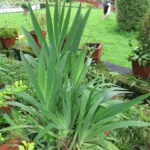 Blackberry Lily (Iris domestica) care guideIris domestica
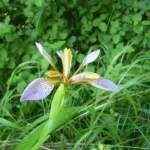 Iris foetidissima care guideIris foetidissima
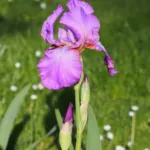 Iris ‘Amethyst Flame’Iris 'Amethyst Flame'
 Iris ‘Purple Sensation’Iris 'Purple Sensation'
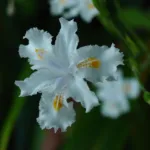 He bamboo iris (simplified Chinese: 扁竹兰 (Iris confusa) care guideIris confusa
 Iris ensata care guideIris ensata