
 Source:
Nikko Blue (Hydrangea macrophylla ‘Nikko Blue’) short overview
Hydrangea macrophylla 'Nikko Blue' is a classic deciduous mophead hydrangea with large, rounded flower clusters and broad, serrated green leaves. In acidic soil with available aluminum, the blooms develop blue tones; in less acidic soil they may become lilac, pink, or purple. Grow it in rich, evenly moist soil with morning sun and afternoon shade. Because it flowers mainly on old wood, prune only after blooming.
Taxonomic classification
Nikko Blue (Hydrangea macrophylla ‘Nikko Blue’) care guide
Light and placement
Give morning sun and afternoon shade, especially in hot or dry regions. A north- or east-facing position, or filtered light beneath high trees, is often suitable. Too much afternoon sun may cause wilting, scorched leaves, and faded flowers; too little light produces weak stems and fewer blooms. Full sun is possible only where soil remains consistently moist and summers are mild.
Watering and humidity
Water deeply when the upper inch of soil begins to dry, rather than applying frequent shallow sprinkles. Keep moisture even from spring through flowering, and water more often during heat, wind, or container culture. Reduce watering after leaf drop but do not allow newly planted shrubs to dry completely. Good drainage is essential; persistent saturation encourages root disease.
Soil and growing medium
Use rich, moisture-retentive but well-drained soil amended with compost or other organic matter. A mildly acidic soil supports blue coloration when aluminum is available; soil pH alone does not guarantee blue flowers. Avoid permanently waterlogged ground and do not over-amend with lime if blue blooms are desired.
Feeding
Apply a balanced, slow-release shrub fertilizer in early spring as growth begins, following the product label. A thin compost mulch can support soil structure. Avoid heavy nitrogen feeding, which promotes leafy growth and weaker stems, and stop routine fertilizing by late summer so new growth can harden before winter.
Growth and habit
Forms a rounded, branching shrub with upright to arching stems. Flowering is dependable only when old stems and their overwintering buds are protected. Weak or rain-laden stems may flop, so sheltered placement, adequate spacing, and restrained nitrogen feeding improve the plant’s presentation.
Planting and repotting
Plant in spring or fall when temperatures are moderate. Set the root ball level with the surrounding soil rather than burying the crown. Water deeply after planting and mulch with organic material, keeping mulch away from the stems. Allow enough room for the mature shrub to develop without crowding paths or structures.
Repot container plants in spring before active growth, moving them only one container size larger. Use a moisture-retentive, well-drained acidic planting mix. Handle the root ball gently, water thoroughly after repotting, and provide temporary afternoon shade while roots re-establish.
Propagation and pruning
Propagation
Propagate mainly from softwood or semi-ripe stem cuttings in late spring through summer. Take non-flowering shoots, remove lower leaves, place in a sterile, evenly moist medium, and maintain high humidity with bright filtered light. Seed is not a reliable way to reproduce the cultivar true to type.
Pruning
Prune immediately after flowering, removing spent flower heads and only the oldest or damaged stems when necessary. Avoid hard pruning in fall, winter, or early spring because the cultivar commonly sets next year's flower buds on old wood. Remove winter-killed tips only after new growth clearly begins.
Overwintering
In Zones 6 and colder, protect the crown and lower stems with several inches of loose mulch after the ground cools. In exposed sites, use a breathable wrap or temporary wind protection. Do not cut the shrub to the ground before winter. Container plants need insulation or an unheated protected location so roots do not freeze repeatedly.
Uses
Useful as a specimen shrub, foundation planting, woodland-edge accent, shaded mixed border, or container plant. The large flower heads can be used as cut or dried material. Do not use it as food or medicine; ingestion of plant parts may cause illness in people or pets.
Appearance
Leaves are broad, opposite, medium to deep green, and coarsely serrated, with a slightly glossy surface. The shrub has branching woody stems and a rounded habit. Large spherical flower heads are the key identification feature; their blue coloration is not genetically fixed and can change with soil conditions.
Flowering
This cultivar produces large, rounded mophead clusters, mainly from buds formed on previous-season stems. Flower color is often blue in acidic soil with available aluminum, but can shift toward lilac, purple, or pink in less acidic soil. Blooming is typically concentrated in summer, with the strongest display when overwintered flower buds survive.
Pollination and visitors
The flower clusters contain small fertile flowers that may be visited by bees, bumblebees, and hoverflies, although the large sterile florets provide mainly visual display. Attraction is likely lower than in hydrangeas with more exposed fertile flowers, and cultivar-specific visitor records are limited.
Hydrangea macrophylla 'Nikko Blue' photos
Click any photo for a larger view. Source, author and license are shown separately.
Diseases and pests
Diseases
Watch for leaf spot, powdery mildew, Botrytis, and root problems in poorly drained soil. Improve air circulation, water at the base, remove heavily affected foliage, and avoid wetting leaves late in the day. Do not routinely use fungicides unless the diagnosis is clear and local guidance supports treatment.
Pests
Common problems include aphids, scale, spider mites, slugs, snails, and hydrangea vine or stem borers. Inspect new growth and stems regularly. Support beneficial insects, improve plant vigor, hand-remove larger pests, and use targeted controls only when damage is significant.
Related diseases and pests
Only Plant Doctor profiles whose host data indicate this plant may be affected are shown here.
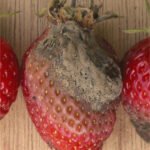 DiseaseGray MoldBotrytis cinerea
 PestCyclamen mitePhytonemus pallidus
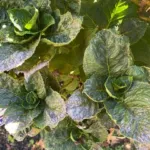 PestChilli thripsScirtothrips dorsalis Hood
 DiseaseAster yellows‘Candidatus Phytoplasma asteris’
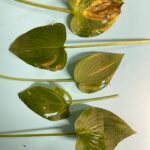 PestStrawberry foliar nematodeAphelenchoides fragariae
 DiseaseMaple powdery mildewSawadaea bicornis
 DiseaseCucurbit Powdery MildewPodosphaera xanthii (Castagne) U. Braun & Shishkoff
 Environmental stressFrost heaving
Toxicity and pollen
Hydrangeas contain cyanogenic compounds and can cause gastrointestinal upset if plant material is eaten. Risk is generally associated with ingestion rather than skin contact or normal garden presence. Keep foliage and flowers away from children and pets, and seek professional advice if a substantial amount is consumed.
- Typical season
- Late spring through summer
- Pollination / pollen
- Insect-borne pollen from small fertile flowers
As an insect-pollinated flowering shrub, it is not typically a major source of wind-dispersed pollen. The cultivar can still produce pollen in its fertile flowers, so a zero-allergy claim would be unjustified. Normal garden exposure is generally low; people with known plant allergies should avoid rubbing flowers against the face.
Native habitat
The species is native to Japan and occurs in moist, temperate environments including woodland margins and coastal or montane settings. It favors fertile, moisture-retentive soils with good drainage and protection from intense heat, drought, and drying winter winds.
Interesting fact
Flower color reflects soil chemistry and aluminum availability rather than cultivar name alone. The showy mophead is composed largely of sterile florets, while smaller fertile flowers occur within the cluster. 'Nikko Blue' is an older classic cultivar and may lose flower buds after severe winters because it flowers mainly on old wood.
Frequently asked questions (FAQ)
The most relevant questions about this plant, with short and direct answers.
🌱Quick care
What is Hydrangea macrophylla 'Nikko Blue'?⌄
Hydrangea macrophylla 'Nikko Blue' is a deciduous mophead hydrangea that produces large, rounded flower clusters. It is an old-wood bloomer, so next year's flower buds form on stems produced during the current season.
How big does Hydrangea macrophylla 'Nikko Blue' get?⌄
Hydrangea macrophylla 'Nikko Blue' typically grows about 4 to 6 feet tall and wide. Give it enough room to develop a rounded, spreading shape without crowding nearby plants.
What USDA hardiness zones are best for 'Nikko Blue' hydrangea?⌄
Hydrangea macrophylla 'Nikko Blue' generally performs best in USDA Zones 6 through 9. In colder areas, winter protection is important because freezing can kill the old stems that carry next year's flowers.
🌤️Environment and placement
Does 'Nikko Blue' hydrangea prefer sun or shade?⌄
Plant it in morning sun and afternoon shade for the best balance of flowering and moisture retention. In cooler climates it can tolerate more sun, while hot afternoon sun may scorch the leaves and wilt the flowers.
Where is the best place to plant 'Nikko Blue' hydrangea?⌄
Choose a sheltered location with morning light, afternoon shade, rich soil, and protection from drying winds. A north- or east-facing foundation bed is often suitable, especially in warmer or colder parts of the United States.
What type of soil does Hydrangea macrophylla 'Nikko Blue' need?⌄
It grows best in rich, moisture-retentive, well-drained soil amended with organic matter. The soil should stay evenly moist but never remain waterlogged around the roots.
What soil pH makes 'Nikko Blue' hydrangea flowers blue?⌄
Acidic soil, commonly around pH 5.0 to 5.5, encourages blue flowers on 'Nikko Blue'. Flower color also depends on available aluminum, so a low pH alone may not produce a strong blue.
💧Care and problems
How often should I water 'Nikko Blue' hydrangea?⌄
Water deeply whenever the soil surface begins to dry, keeping the root zone evenly moist during the growing season. Water more often during hot, dry weather, but avoid constantly saturated soil.
Why are the leaves on my 'Nikko Blue' hydrangea wilting?⌄
Wilting is commonly caused by heat, dry soil, excessive sun, or root problems from waterlogged soil. Check the moisture several inches below the surface and provide deep watering plus afternoon shade when needed.
Why is my 'Nikko Blue' hydrangea not blooming?⌄
The most common causes are winter-killed flower buds, pruning at the wrong time, insufficient light, or excessive nitrogen fertilizer. Because this cultivar blooms mainly on old wood, even healthy plants may fail to flower after a severe winter.
How should I fertilize Hydrangea macrophylla 'Nikko Blue'?⌄
Apply a modest amount of a balanced, slow-release fertilizer in spring if the plant shows signs of weak growth or nutrient deficiency. Avoid heavy nitrogen applications, which can promote leaves and stems at the expense of flowers.
How do I protect 'Nikko Blue' hydrangea over winter?⌄
After the ground freezes, mulch the root zone with about 3 to 4 inches of shredded bark or leaves and protect the stems from harsh wind and cold. In colder areas, surround the plant with a breathable barrier filled loosely with leaves, avoiding plastic directly against the branches.
What pests commonly affect 'Nikko Blue' hydrangea?⌄
Aphids, spider mites, scale insects, slugs, and snails may occasionally affect it. Inspect the undersides of leaves and new growth regularly, and address pests early with hand removal, water sprays, or a labeled treatment when necessary.
What diseases can affect 'Nikko Blue' hydrangea?⌄
Common problems include powdery mildew, gray mold, leaf spots, and root problems in poorly drained soil. Improve air circulation, water the soil rather than the foliage, remove diseased debris, and avoid prolonged leaf wetness.
🪴Planting and repotting
When is the best time to plant 'Nikko Blue' hydrangea?⌄
Plant it in spring after the ground can be worked or in early fall at least several weeks before the soil freezes. Avoid planting during extreme summer heat unless you can provide reliable irrigation and temporary shade.
Can 'Nikko Blue' hydrangea grow in a container?⌄
Yes, it can grow in a large container with drainage holes and moisture-retentive potting mix. Containers dry and freeze more quickly than garden soil, so provide frequent summer watering and extra winter protection.
✂️Propagation and pruning
How do I propagate Hydrangea macrophylla 'Nikko Blue'?⌄
The most practical method is rooting softwood cuttings taken in early summer from healthy, nonflowering shoots. Keep cuttings in a moist, well-drained rooting medium with bright indirect light and high humidity until roots form.
Can I grow 'Nikko Blue' hydrangea from a cutting?⌄
Yes, healthy stem cuttings can produce genetically identical plants. Take a cutting with at least one or two leaf nodes, remove the lower leaves, and keep the medium consistently moist while it roots.
Can 'Nikko Blue' hydrangea be grown from seed?⌄
It can produce seed, but growing it from seed is not the preferred way to preserve the named cultivar. Seedlings may vary from the parent, whereas cuttings produce plants that retain 'Nikko Blue' characteristics.
When should I prune 'Nikko Blue' hydrangea?⌄
Prune only immediately after flowering, and keep pruning light because this cultivar sets next year's flower buds on old wood. Remove spent flower heads, dead stems, and weak or overcrowded branches rather than cutting the whole plant back.
Can I cut 'Nikko Blue' hydrangea back to the ground?⌄
Do not routinely cut it to the ground because that removes the old wood needed for flowering. Cut back only clearly dead winter-damaged stems after new growth appears, and understand that severe dieback may eliminate that season's flowers.
⚠️Toxicity and safety
Is Hydrangea macrophylla 'Nikko Blue' poisonous to dogs and cats?⌄
Yes, hydrangeas can cause gastrointestinal upset if pets eat them, including vomiting, diarrhea, or depression. Keep pets from chewing the plant and contact a veterinarian or animal poison-control service if ingestion occurs.
Is 'Nikko Blue' hydrangea poisonous to people?⌄
The plant should not be eaten because hydrangea tissues can cause stomach upset and other adverse effects if ingested. Keep leaves and flowers away from children, and contact Poison Control at 1-800-222-1222 after a suspected ingestion.
🌸Flowering and special interest
Can 'Nikko Blue' hydrangea turn pink?⌄
Yes, 'Nikko Blue' can produce pink, mauve, or intermediate flowers when the soil is less acidic or aluminum is unavailable. The cultivar name does not guarantee blue flowers in every garden.
When does Hydrangea macrophylla 'Nikko Blue' bloom?⌄
It generally blooms in early to mid-summer, with flowers lasting into summer when conditions are favorable. The exact timing varies with climate, winter damage, and the plant's age.
Does 'Nikko Blue' hydrangea bloom on old wood or new wood?⌄
Hydrangea macrophylla 'Nikko Blue' primarily blooms on old wood, meaning stems that grew during the previous season. Hard winter weather or late spring freezes can remove the flower buds and reduce blooming.
Are 'Nikko Blue' hydrangea flowers good for cutting?⌄
Yes, the large mophead clusters can be used as fresh or dried flowers. Cut stems when the flowers are well developed, remove lower foliage, and place them in clean water immediately.
Why did my 'Nikko Blue' hydrangea flower blue when purchased but pink after planting?⌄
The nursery plant was likely grown in acidic, aluminum-rich media, while the new garden soil has a higher pH or less available aluminum. Test the soil before making amendments, then adjust conditions gradually if blue flowers are important.
Similar plants
 Generale Vicomtesse de Vibraye (Hydrangea macrophylla ‘Generale Vicomtesse de Vibraye’)Hydrangea macrophylla 'Generale Vicomtesse de Vibraye'
 Altona (Hydrangea macrophylla ‘Altona’)Hydrangea macrophylla 'Altona'
 Smooth hydrangea or sevenbark (Hydrangea arborescens) care guideHydrangea arborescens
 Merveille Sanguine (Hydrangea macrophylla ‘Merveille Sanguine’)Hydrangea macrophylla 'Merveille Sanguine'
 Blue Wave (Hydrangea macrophylla ‘Blue Wave’)Hydrangea macrophylla 'Blue Wave'
 Mariesii (Hydrangea macrophylla ‘Mariesii’)Hydrangea macrophylla 'Mariesii'