AI-generated illustration
 Caladium ‘Carolyn Whorton’ short overview
Caladium 'Carolyn Whorton' is a classic fancy-leaved caladium with medium pink leaves marked by darker rose to pink-red veins, pale highlights, and green margins. It forms a warm-season clump from tubers and is grown primarily for its foliage rather than its small, infrequent inflorescences. In the United States, it suits containers, bedding displays, and sheltered garden positions with evenly moist soil and filtered light; it can tolerate more sun than many pink caladiums when gradually acclimated.
Taxonomic classification
Caladium ‘Carolyn Whorton’ care guide
Light and placement
Give bright filtered light or partial shade, such as beneath high tree cover, on a protected east-facing patio, or behind a sheer curtain indoors. Gentle morning sun can intensify color, and this cultivar is reported to tolerate selected sunny sites, but acclimate gradually. Bleached patches, crisp margins, or scorched leaves indicate excessive light; stretched stems and duller color suggest insufficient light.
Watering and humidity
Keep the mix consistently and lightly moist during active growth, watering thoroughly when the surface begins to dry and allowing excess water to drain. Increase frequency during hot weather and reduce it as leaves yellow and dormancy approaches. Do not leave containers standing in water. Humidity helps prevent crispy margins but does not replace good drainage.
Soil and growing medium
Use a loose, fertile, humus-enriched potting mix that drains freely but does not dry rapidly. A slightly acidic to neutral reaction is suitable. Avoid compacted clay and containers without drainage holes, because saturated media encourage tuber and root rot. In beds, incorporate organic matter without creating a permanently waterlogged planting pocket.
Feeding
Feed during active leaf production with a balanced water-soluble fertilizer at half strength every 2–4 weeks, or use a controlled-release product according to its label. Water the soil first if it is dry, and do not fertilize dormant tubers or plants suffering from rot. Excess nitrogen may produce lush, softer growth and weaker color contrast.
Growth and habit
This cultivar develops from a dormant tuber and produces a seasonal clump of upright leaf stalks. Growth accelerates in warm soil and slows sharply with cool temperatures or drought. Remove fading leaves as needed, but avoid disturbing the tuber while it is actively producing new foliage. Dormancy is normal rather than a sign of failure at the end of the growing season.
Planting and repotting
Plant tubers outdoors after the soil has warmed and frost danger has passed; in much of the United States this means late spring. Set the tuber about 1½–2 inches deep with the eyes facing upward, then water lightly until shoots appear. Space plants about 8–12 inches apart for a fuller display, allowing extra room in rich, warm conditions.
Repot or refresh containers in spring as growth resumes and temperatures are reliably warm. Handle the tuber gently, use a clean container with drainage, and avoid burying it excessively. If overwintered dormant, replant into fresh, lightly moist mix rather than watering heavily before shoots emerge.
Propagation and pruning
Propagation
Propagate commercially by dividing dormant tubers or by planting individual tuber sections that retain viable eyes. Division is best done in spring before active growth, using sterile tools and allowing cut surfaces to dry briefly before planting. Seed propagation is possible for breeding but will not reliably reproduce the named cultivar.
Pruning
No structural pruning is required. Remove yellowing, damaged, or collapsing leaves at the base with clean shears to improve appearance and reduce disease pressure. If an inflorescence appears and seed production is not desired, it may be cut off close to the base, though flowering is usually not a major drain in healthy plants.
Overwintering
In USDA Zones 8 and colder, lift tubers after foliage declines and before frost, or move containers indoors. Dry the tubers briefly, then store them in a dry, ventilated place around 60–70°F in barely damp peat, vermiculite, or similar material. Replant in spring when warmth returns. Keep dormant tubers away from children and pets.
Uses
Use ‘Carolyn Whorton’ in mixed summer beds, shaded borders, patio containers, window boxes, and indoor displays with strong indirect light. Its colorful leaves provide contrast with green foliage and work well beneath trees or along protected north- and east-facing exposures. It is ornamental only and should not be eaten; keep it away from children and pets because all parts are toxic if chewed.
Appearance
The plant is recognized by large fancy leaves with a pink ground color, darker rose to pink-red veining and splashes, pale highlights, and green margins. Leaves are borne on long, upright petioles from a compact tuberous crown. Color intensity changes with light, nutrition, temperature, and plant age, so individual leaves may vary within the same clump.
Flowering
Caladium produces a small arum-type inflorescence consisting of a spathe surrounding a spadix, but flowering is secondary to foliage display and may be infrequent in ordinary garden culture. Flowers are structurally separated into female and male zones and may open in a sequence that supports beetle pollination. Cultivar-specific flowering data are limited.
Pollination and visitors
Species-level studies document nocturnal Cyclocephala scarab beetles visiting and pollinating Caladium bicolor inflorescences. The relationship involves scented, heat-producing inflorescences and a temporary floral chamber. Direct pollinator observations for the named ‘Carolyn Whorton’ cultivar are not well documented, so the species evidence should be treated as indicative rather than cultivar-specific.
Diseases and pests
Diseases
Prevent problems by using clean tubers, warm well-drained soil, good air circulation, and careful watering. Pythium and Fusarium can cause tuber or root rot, especially in cold, saturated media; remove affected tissue and discard badly diseased plants. Leaf spots may develop under prolonged leaf wetness, so water at the soil line and remove declining foliage.
Pests
Watch for aphids, spider mites, thrips, caterpillars, and snails or slugs. Inspect leaf undersides and new growth regularly. Improve plant vigor with consistent moisture and airflow; remove pests by hand or use a labeled, crop-appropriate treatment according to its instructions. Avoid routine broad-spectrum insecticide use around flowering plants.
Related diseases and pests
Only Plant Doctor profiles whose host data indicate this plant may be affected are shown here.
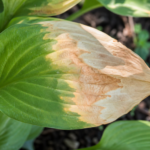 Environmental stressLeaf sunburn
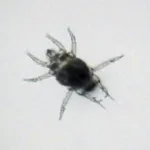 PestBroad mitePolyphagotarsonemus latus (Banks)
 DiseaseAlternaria leaf spot and fruit rotAlternaria alternata
 Environmental stressUnderwatering
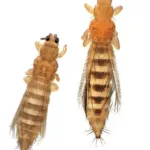 PestOnion thripsThrips tabaci Lindeman
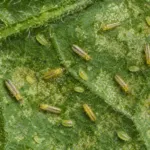 PestMelon thripsThrips palmi Karny
 PestChilli thripsScirtothrips dorsalis Hood
 DiseasePythium damping-off, root rot and blightPythium aphanidermatum
Toxicity and pollen
Caladiums contain insoluble calcium oxalate crystals. Chewing or ingesting leaves, stems, tubers, or other tissues can cause immediate mouth irritation, burning, swelling, drooling, vomiting, and difficulty swallowing. Sap may irritate skin and eyes. Keep plant material away from children and pets, and seek professional medical or veterinary advice after ingestion.
- Typical season
- Summer, when an inflorescence is produced
- Pollination / pollen
- Pollen released from small, insect-pollinated inflorescences; exposure is likely localized
The plant can release pollen from its small inflorescences, but caladiums are not generally grown as major outdoor airborne-pollen sources in the United States. Published cultivar-specific allergen measurements were not found, so individual sensitivity cannot be ruled out. Avoid rubbing eyes after handling flowering structures and wash hands after contact with sap or plant material.
Native habitat
Caladiums are New World tropical and subtropical geophytes associated with warm, humid environments, seasonal moisture, and filtered forest or woodland light. Their tubers allow survival through unfavorable dry or cool periods. Cultivated plants perform best when the root zone is warm, organic-rich, and moist but aerated.
Interesting fact
‘Carolyn Whorton’ was among the leading fancy-leaved caladium cultivars grown commercially in Florida during the 2002–2003 production season.
The cultivar is listed as having pink, white, and green primary foliage colors.
Caladium inflorescences can generate heat and release scent during pollinator activity.
The cultivar is used in both shaded and selected sunny landscape situations.
Larger tubers generally produce fuller plants rather than proportionally larger leaves.
Frequently asked questions (FAQ)
The most relevant questions about this plant, with short and direct answers.
🌱Quick care
What is Caladium 'Carolyn Whorton'?⌄
Caladium 'Carolyn Whorton' is a fancy-leaved caladium prized for large pink leaves, rose-red veins, and green margins. It is a frost-tender, warm-season plant grown primarily for its colorful foliage.
How much light does Caladium 'Carolyn Whorton' need?⌄
Give it filtered light, partial shade, or gentle morning sun for the best foliage. It can tolerate more sun after gradual acclimation, especially when soil moisture is consistent.
How often should I water Caladium 'Carolyn Whorton'?⌄
Water when the soil surface begins to feel slightly dry, keeping the mix evenly moist but never waterlogged. Containers may need more frequent watering during hot weather than plants grown in the ground.
How big does Caladium 'Carolyn Whorton' get?⌄
Caladium 'Carolyn Whorton' commonly reaches about 18 to 30 inches tall and can spread roughly 12 inches. Growth is usually fuller when several tubers are planted together.
Is Caladium 'Carolyn Whorton' a perennial?⌄
It is a tender perennial in warm climates but is commonly grown as an annual in colder parts of the United States. The tubers can be lifted and stored for replanting after the foliage dies back.
🌤️Environment and placement
Can Caladium 'Carolyn Whorton' grow in full sun?⌄
Yes, this cultivar can perform in full sun when it is gradually acclimated and receives fertile soil and reliable moisture. Hot afternoon sun may still cause fading or leaf scorch, particularly in dry conditions.
Where should I place Caladium 'Carolyn Whorton' outdoors?⌄
Place it in filtered light, bright shade, or a bed with morning sun and afternoon protection. A sheltered location also helps prevent wind from tearing its large leaves.
Can Caladium 'Carolyn Whorton' grow indoors?⌄
Yes, it can grow indoors near bright filtered light, provided the container drains freely and the plant stays warm. Avoid placing it against cold glass, near heating vents, or in persistently dim conditions.
What temperature is best for Caladium 'Carolyn Whorton'?⌄
Warm conditions are best, with soil temperatures around 60 to 70°F or higher for reliable sprouting. Protect the plant and tubers from frost, freezing temperatures, and prolonged cold, wet soil.
What USDA hardiness zones can grow Caladium 'Carolyn Whorton'?⌄
It is most dependable outdoors as a perennial in USDA Zones 9 through 11, although local conditions vary. Gardeners in colder zones should grow it seasonally and store the tubers before frost.
💧Care and problems
Why are the leaves on my Caladium 'Carolyn Whorton' turning yellow?⌄
Yellow leaves commonly indicate natural seasonal dormancy, overwatering, poor drainage, or cold stress. If yellowing occurs during active growth, check that the soil is not staying saturated and that temperatures remain warm.
Why is my Caladium 'Carolyn Whorton' drooping?⌄
Drooping usually results from dry soil, heat stress, cold exposure, or tuber damage from excess moisture. Check the root zone before watering and improve drainage if the soil remains wet for several days.
Why does Caladium 'Carolyn Whorton' have brown leaf edges?⌄
Brown edges are often caused by underwatering, dry air, intense sun, wind, or fertilizer residue on the foliage. Keep moisture steady, protect the plant from harsh afternoon exposure, and avoid applying fertilizer onto the leaves.
Why is my Caladium 'Carolyn Whorton' not growing?⌄
Slow growth is commonly caused by cool soil, insufficient warmth, low light, a dormant tuber, or excessive moisture. Keep the plant warm and bright, and make sure the planting mix drains quickly.
Does Caladium 'Carolyn Whorton' need fertilizer?⌄
Yes, it benefits from light feeding during active growth with a balanced, diluted fertilizer. Apply fertilizer to moist soil and avoid heavy applications, which can damage roots or contribute to leaf scorch.
What pests attack Caladium 'Carolyn Whorton'?⌄
Slugs, snails, caterpillars, grasshoppers, mites, and mealybugs may feed on caladiums. Inspect the undersides of leaves and remove pests promptly, while avoiding consistently wet foliage and soil.
Can Caladium 'Carolyn Whorton' get root or tuber rot?⌄
Yes, tuber and root rot can develop when the soil is cold, poorly drained, or kept constantly wet. Use a loose, well-drained mix and wait until warm conditions before planting dormant tubers.
How do I overwinter Caladium 'Carolyn Whorton' in cold climates?⌄
Before frost, reduce watering as the leaves naturally yellow, then lift the tubers and let them dry in a shaded, airy place for about 7 to 10 days. Store them in dry peat moss or vermiculite at approximately 50 to 60°F until spring.
Can I leave Caladium 'Carolyn Whorton' in the ground over winter?⌄
Only in reliably warm, frost-free climates with well-drained winter soil can it sometimes remain outdoors. In colder areas or places with wet winters, lifting and storing the tubers is safer and usually improves regrowth.
🪴Planting and repotting
When should I plant Caladium 'Carolyn Whorton' tubers?⌄
Plant tubers outdoors after the danger of frost has passed and the soil has warmed to at least about 60°F. In colder regions, start them indoors several weeks before the expected last frost.
How deep should I plant Caladium 'Carolyn Whorton' tubers?⌄
Plant the tubers about 1 to 2 inches deep with the growing eyes facing upward, then cover them lightly with soil. If the orientation is unclear, caladium tubers can still sprout, although emergence may be slower.
What soil is best for Caladium 'Carolyn Whorton'?⌄
Use fertile, humus-rich soil that is loose and well drained yet able to hold even moisture. Improve heavy garden soil with organic matter, but do not create a water-retentive planting pocket.
Can I grow Caladium 'Carolyn Whorton' in a container?⌄
Yes, it grows well in containers filled with a fertile, well-drained potting mix. Choose a pot with drainage holes and avoid oversized containers that stay wet after watering.
How many Caladium 'Carolyn Whorton' tubers should I plant in a pot?⌄
For a fuller display, plant several small tubers or one larger tuber according to the container size, leaving enough room for air circulation. Crowding can produce a dense display but may increase competition and moisture problems.
Should I soak Caladium 'Carolyn Whorton' tubers before planting?⌄
Soaking is generally unnecessary and can increase the risk of rot if the tubers are damaged or conditions are cool. Plant firm, healthy tubers directly into warm, lightly moist soil.
✂️Propagation and pruning
How do I propagate Caladium 'Carolyn Whorton'?⌄
Propagate it by dividing the tuber in spring before planting, making sure each piece contains at least one viable eye or growing point. Allow cut surfaces to dry and callus briefly before planting the pieces.
Can Caladium 'Carolyn Whorton' be grown from seed?⌄
It can produce seed, but seed propagation is uncommon and may not reproduce the named cultivar reliably. Division of the tubers is the practical method for maintaining 'Carolyn Whorton' characteristics.
Should I remove flowers from Caladium 'Carolyn Whorton'?⌄
You may remove flowers if you want the plant to direct more energy toward foliage, but removing them is not essential. Flowers are usually small and less ornamental than the leaves.
Should I prune Caladium 'Carolyn Whorton'?⌄
Routine pruning is not needed; remove yellow, damaged, or diseased leaves at the base with clean scissors. Avoid removing healthy leaves because the foliage helps replenish the tuber.
⚠️Toxicity and safety
Is Caladium 'Carolyn Whorton' toxic to pets?⌄
Yes, it contains insoluble calcium oxalates and is toxic if chewed or swallowed by cats, dogs, and other pets. Keep the plant and tubers away from animals and contact a veterinarian if ingestion occurs.
Is Caladium 'Carolyn Whorton' poisonous to people?⌄
Yes, chewing any part can cause painful irritation and swelling of the mouth, lips, tongue, or throat because of insoluble calcium oxalates. Keep it away from children and seek medical or poison-control guidance after ingestion.
Can I handle Caladium 'Carolyn Whorton' safely?⌄
Yes, routine handling is generally safe, but wear gloves when cutting tubers or removing damaged tissue if you have sensitive skin. Wash your hands afterward and prevent sap from contacting your eyes or mouth.
🌸Flowering and special interest
Does Caladium 'Carolyn Whorton' produce flowers?⌄
It may produce a small arum-type bloom consisting of a spathe and spadix, but it is grown mainly for its foliage. Flowering is occasional and usually less noticeable than the pink leaves.
Why is my Caladium 'Carolyn Whorton' blooming?⌄
Blooming is a normal, occasional part of caladium growth and does not necessarily indicate a problem. You can leave the flower in place or remove it if you prefer to emphasize the foliage.