 Source:
 Caladium ‘Moonlight’ short overview
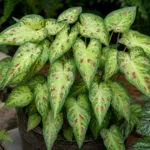
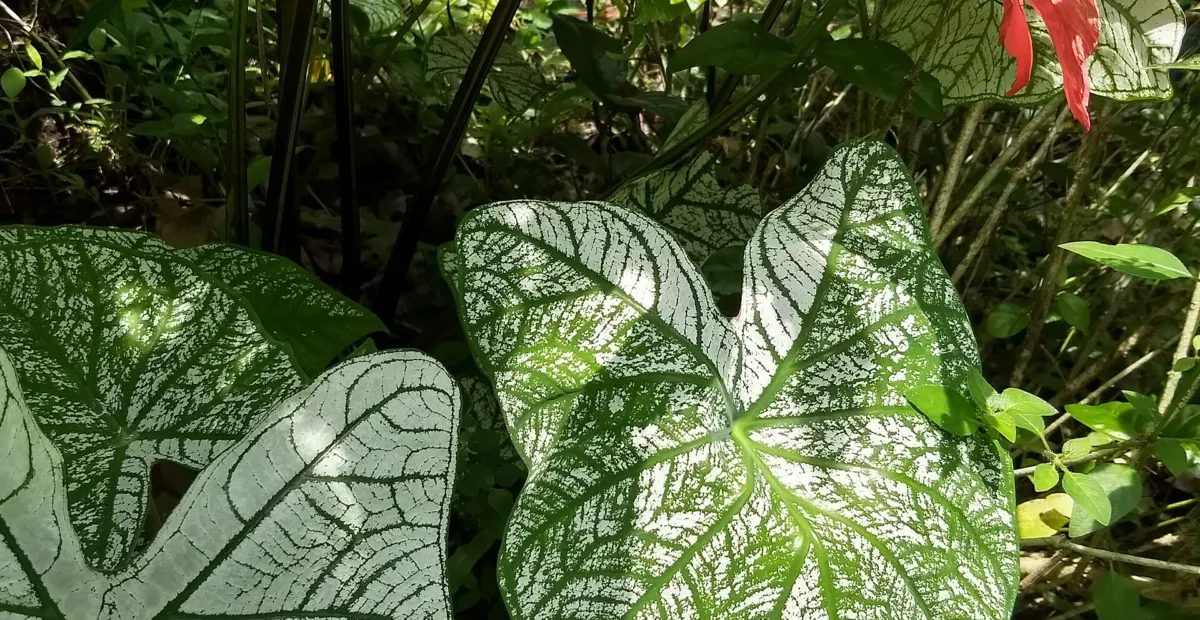
Caladium 'Moonlight' is a luminous white fancy-leaved caladium valued for its heart-shaped foliage, delicate green veins and narrow green margin. It forms a compact, mounded display from a warm-season tuber and works especially well in shaded beds, containers and moon gardens. Although it can tolerate more sun than many white caladiums, the leaves usually stay freshest with bright filtered light, steady moisture and shelter from harsh afternoon exposure.
Taxonomic classification
Caladium ‘Moonlight’ care guide
Light and placement
Give bright filtered light, morning sun or partial shade. In hot climates, protect the leaves from intense late-afternoon sun; in cooler areas, this cultivar can tolerate more sun if irrigation is dependable. Too much direct heat may scorch the pale leaf surface, while too little light can produce weaker, less compact growth and duller coloration.
Watering and humidity
Water when the top inch of mix begins to dry, then soak thoroughly and let excess drain. Keep the root zone evenly moist during active growth, reducing water as leaves decline toward dormancy. Never leave the container standing in water. Indoor plants benefit from moderate humidity, but leaves should not remain wet for long periods.
Soil and growing medium
Use a rich, loose mix that drains freely but does not dry rapidly. A quality potting mix amended with compost or fine organic matter works well in containers; in beds, improve heavy soil before planting. Slightly acidic to neutral conditions are suitable. Avoid waterlogged soil, which can cause tuber rot.
Feeding
Feed only during active leaf growth. Apply a balanced, water-soluble fertilizer at about half the label strength every 3–4 weeks, or use a controlled-release product according to its label. Water before fertilizing if the mix is dry. Stop feeding as foliage declines in fall or before dormancy.
Growth and habit
This is a warm-season geophyte that emerges from a tuber, produces a seasonal clump of leaves and commonly enters dormancy as temperatures and light decline. Consistent warmth and moisture encourage faster leaf production. Remove declining foliage at dormancy rather than treating the seasonal dieback as a failure.
Planting and repotting
Plant outdoors only after nights are consistently above about 55°F and the soil is warm. Set tubers about 1½–2 inches deep, with the eyes facing upward, and space plants roughly 8–12 inches apart for a fuller display. Water after planting and keep the bed evenly moist while shoots establish.
Repot or transplant after the danger of cold has passed and active growth is beginning. Handle the tuber and emerging shoots carefully, and use a container with drainage holes. Refresh exhausted potting mix rather than placing the tuber into a dense, poorly aerated medium.
Propagation and pruning
Propagation
Propagate by dividing healthy tubers in late winter or early spring before planting. Each division should retain at least one viable eye. Allow freshly cut surfaces to dry briefly before planting. Seed propagation is possible in the genus but is not a reliable way to reproduce a named cultivar.
Pruning
Remove yellowing or damaged leaves at the base with clean scissors. Cut foliage back after it naturally declines in fall or before lifting dormant tubers. Routine shaping is unnecessary because the plant is grown for its leaves.
Overwintering
Treat it as a tender perennial outside USDA Zones 9–11. Before frost, stop regular feeding, allow foliage to decline, then lift and dry the tubers briefly before storing them in a dry, ventilated medium at about 60–70°F. Alternatively, keep a container warm and bright, reducing water during dormancy.
Uses
Use as a foliage accent in shaded borders, woodland-style plantings, patio containers, porch pots and moon gardens. The white leaves contrast strongly with dark green companions and work well in mixed seasonal displays. It is ornamental only and should not be eaten; keep it away from pets and children because of calcium oxalates.
Appearance
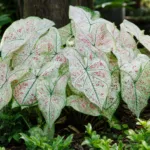
The defining feature is the large fancy-leaved, heart-shaped blade that appears nearly white, marked by fine green primary and secondary veins and a slim green margin. UF descriptions of the related Florida Moonlight selection also note pale purple petioles with dark marbling and a purple streak near the central notch. The plant forms a soft, mounded clump rather than a woody stem.
Flowering
The plant may produce a small, pale green to yellow-green arum inflorescence consisting of a spathe surrounding a spadix, but flowering is secondary to the foliage and is rarely the main ornamental feature. Cultivar-specific flowering dates are not well documented in U.S. sources.
Pollination and visitors
Caladium inflorescences are associated with beetle pollination in the genus, particularly nocturnal cyclocephaline scarab beetles in documented species. The relationship is based on the spadix, scent and heat-producing floral structure, but a specific visitor record for 'Moonlight' itself was not located.
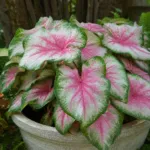
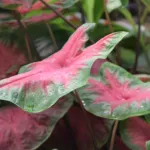
Caladium 'Moonlight' photos
Click any photo for a larger view. Source, author and license are shown separately.
Diseases and pests
Diseases
Prevent tuber and root rot by using warm, well-drained soil and avoiding standing water. Leaf spot and blight are encouraged by wet foliage, crowding and poor air circulation; remove badly affected leaves, water at the soil line and discard severely diseased material. Do not save soft or foul-smelling tubers.
Pests
Watch for aphids, thrips, spider mites, mealybugs and caterpillars, especially indoors or in dry conditions. Inspect leaf undersides and new growth, isolate infested containers, remove pests with water or a suitable labeled horticultural treatment, and avoid overwatering. Slugs and snails may chew outdoor leaves.
Related diseases and pests
Only Plant Doctor profiles whose host data indicate this plant may be affected are shown here.
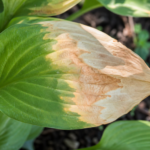 Environmental stressLeaf sunburn
 DiseaseRhizopus soft rotRhizopus stolonifer
 DiseaseBacterial soft rotPectobacterium carotovorum
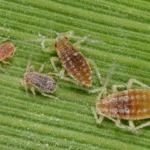 PestMealy Plum AphidHyalopterus pruni (Geoffroy, 1762)
 DiseaseAlternaria leaf spot and fruit rotAlternaria alternata
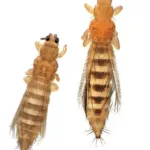 PestOnion thripsThrips tabaci Lindeman
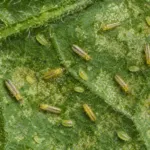 PestMelon thripsThrips palmi Karny
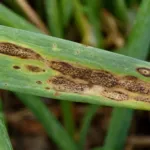 DiseaseStemphylium Leaf BlightStemphylium vesicarium (Wallr.) E.G. Simmons
Toxicity and pollen
Caladium tissues contain insoluble calcium oxalate crystals. Chewing can cause immediate burning, oral pain, drooling and swelling, with possible vomiting or difficulty swallowing. Keep leaves and tubers away from children, dogs and cats; rinse exposed eyes or mouth and contact Poison Control or a veterinarian after ingestion.
- Typical season
- No meaningful seasonal airborne-pollen period is documented for this cultivar; inflorescences are occasional.
- Pollination / pollen
- Enclosed insect-presented pollen in occasional arum inflorescences
The small, enclosed arum inflorescences are not a typical major source of airborne pollen for U.S. gardeners. Pollen-allergy exposure from this cultivar is therefore expected to be low, but no cultivar-specific clinical allergy assessment was found.
Native habitat
The genus Caladium is native to tropical and subtropical parts of Central and South America, where plants grow as terrestrial tuberous herbs in warm, seasonally moist environments. Cultivated 'Moonlight' is adapted to similar conditions: warm soil, organic matter, filtered light and reliable moisture with drainage.
Interesting fact
Caladium 'Moonlight' belongs to the white fancy-leaved group and is associated with the June Bride type. Its nearly white leaves retain fine green venation and a narrow green margin. UF breeding work developed Florida Moonlight for container forcing and shaded landscape use. White-leaved caladiums can function as reflective foliage in moon gardens.
Frequently asked questions (FAQ)
The most relevant questions about this plant, with short and direct answers.
🌱Quick care
How do you care for Caladium 'Moonlight'?⌄
Give Caladium 'Moonlight' bright filtered light or partial shade, evenly moist well-drained soil, warmth, and protection from frost. It performs best when the soil stays moist but never soggy.
Is Caladium 'Moonlight' easy to grow?⌄
Caladium 'Moonlight' is moderately easy to grow when kept warm, evenly watered, and protected from intense direct sun. Its main challenges are cold damage, tuber rot, and leaf scorch.
How much light does Caladium 'Moonlight' need indoors?⌄
Place Caladium 'Moonlight' near a bright window with filtered or indirect light. Avoid harsh afternoon sun, which can scorch its pale leaves.
How often should you water Caladium 'Moonlight'?⌄
Water Caladium 'Moonlight' whenever the top inch of soil begins to dry, keeping the mix consistently and lightly moist. Reduce watering if growth slows or the plant enters dormancy.
How big does Caladium 'Moonlight' get?⌄
Caladium 'Moonlight' commonly reaches about 1 to 2 feet tall, with a similar or somewhat wider spread under good growing conditions. Final size varies with tuber size, container volume, warmth, and light.
🌤️Environment and placement
Can Caladium 'Moonlight' grow in full sun?⌄
Caladium 'Moonlight' is best in bright filtered light to partial shade rather than full sun. Some gentle morning sun may be tolerated, but strong afternoon exposure can bleach or burn the leaves.
Can Caladium 'Moonlight' grow in shade?⌄
Yes, Caladium 'Moonlight' grows well in partial to bright shade. Very dim conditions may produce slower growth, fewer leaves, and weaker stems.
Is Caladium 'Moonlight' a good indoor plant?⌄
Yes, Caladium 'Moonlight' can grow indoors in a warm, bright location with filtered light and adequate humidity. It may naturally lose its leaves and rest during a seasonal dormant period.
What temperature is best for Caladium 'Moonlight'?⌄
Keep Caladium 'Moonlight' warm, ideally above 60°F during active growth. Protect it below 55°F, because cold conditions can damage foliage and dormant tubers.
Can Caladium 'Moonlight' grow outdoors in the United States?⌄
Caladium 'Moonlight' can grow outdoors during the warm season when temperatures remain safely above frost levels. In colder USDA-style climates, grow it as a seasonal bedding plant or lift the tubers before cold weather.
Where should I place Caladium 'Moonlight' outdoors?⌄
Place Caladium 'Moonlight' in a sheltered spot with bright shade or filtered light, rich soil, and protection from drying wind. A covered patio, shade garden, or north- or east-facing exposure is often suitable.
💧Care and problems
Why are the leaves of my Caladium 'Moonlight' turning brown?⌄
Brown leaves on Caladium 'Moonlight' commonly result from direct sun, cold exposure, dry soil, low humidity, or physical damage. Check light and moisture first, then remove badly damaged leaves with clean scissors.
Why is my Caladium 'Moonlight' drooping?⌄
Caladium 'Moonlight' may droop because the soil is too dry, the roots are stressed by excess water, or temperatures are too low. Check the soil before watering and make sure the container drains freely.
Why is my Caladium 'Moonlight' losing leaves?⌄
Leaf loss is normal when Caladium 'Moonlight' enters dormancy, but it can also follow cold stress, drought, or root rot. If the tuber is firm and healthy, reduce watering and allow it to rest until warm conditions return.
Why is Caladium 'Moonlight' not growing?⌄
Caladium 'Moonlight' may stop growing when temperatures are cool, light is too dim, the tuber is dormant, or the soil stays too wet. Move it to warmth and bright filtered light while avoiding additional watering until the mix is appropriately moist.
How do I prevent root rot in Caladium 'Moonlight'?⌄
Prevent root rot by using a loose, well-drained mix, a container with drainage holes, and moderate watering. Never leave the pot standing in water or keep the soil constantly saturated.
Does Caladium 'Moonlight' need humidity?⌄
Caladium 'Moonlight' appreciates moderate to high humidity, especially indoors or in dry air. Increase humidity with a humidifier or a pebble tray, while maintaining airflow around the foliage.
What pests attack Caladium 'Moonlight'?⌄
Caladium 'Moonlight' can be affected by aphids, spider mites, mealybugs, thrips, slugs, and snails. Inspect new growth and leaf undersides regularly, and address infestations promptly with an appropriate labeled treatment.
Should I mist Caladium 'Moonlight' leaves?⌄
Misting is not necessary for Caladium 'Moonlight' and may leave foliage wet for too long. A humidifier or improved room humidity is generally more reliable and reduces prolonged leaf wetness.
🪴Planting and repotting
What soil is best for Caladium 'Moonlight'?⌄
Use a rich, loose, organic-matter-rich potting mix that drains freely for Caladium 'Moonlight'. Avoid dense garden soil or any mix that remains waterlogged after irrigation.
How do you plant Caladium 'Moonlight' tubers?⌄
Plant Caladium 'Moonlight' tubers in warm soil with the knobby growing points facing upward, covering them with roughly 1 to 2 inches of soil. Wait until the soil is at least about 60°F and frost danger has passed.
When should I plant Caladium 'Moonlight' outdoors?⌄
Plant Caladium 'Moonlight' outdoors after the last expected frost, once nighttime temperatures and soil temperatures are reliably warm. In short-season regions, start tubers indoors several weeks earlier.
Can Caladium 'Moonlight' grow in a pot?⌄
Yes, Caladium 'Moonlight' grows well in containers with drainage holes and a rich, well-drained mix. Choose a pot large enough for the tuber and roots without leaving excessive unused wet soil.
How often should I repot Caladium 'Moonlight'?⌄
Repot Caladium 'Moonlight' when the tuber or roots fill the container, the mix breaks down, or drainage declines. Move it only one container size larger and repot during active growth or just before it begins growing.
Should Caladium 'Moonlight' tubers be stored over winter?⌄
In areas where outdoor temperatures fall below its tolerance, lift and store Caladium 'Moonlight' tubers for winter. Keep them dry and protected from cold, then replant in warm soil the following spring.
✂️Propagation and pruning
How do you propagate Caladium 'Moonlight'?⌄
Propagate Caladium 'Moonlight' primarily by dividing healthy tubers so each section has at least one viable growth point. Allow cut surfaces to dry briefly before planting them in a clean, well-drained mix.
Can Caladium 'Moonlight' be grown from leaf cuttings?⌄
Leaf cuttings are not a dependable way to create a new Caladium 'Moonlight' plant. Division of the tuber is the practical propagation method for preserving the cultivar.
Should I remove damaged leaves from Caladium 'Moonlight'?⌄
Remove yellow, dead, or badly damaged Caladium 'Moonlight' leaves at the base with clean scissors. Healthy leaves should generally be left in place because they help replenish the tuber.
⚠️Toxicity and safety
Is Caladium 'Moonlight' toxic to cats and dogs?⌄
Yes, Caladium 'Moonlight' is toxic if chewed or ingested by cats, dogs, and people. Its calcium oxalate crystals can cause painful mouth irritation, drooling, vomiting, and difficulty swallowing.
Is Caladium 'Moonlight' poisonous to children?⌄
Yes, Caladium 'Moonlight' should be considered poisonous if chewed or swallowed by children. Keep tubers, leaves, and plant debris away from children and seek medical or poison-control advice after ingestion.
🌸Flowering and special interest
Does Caladium 'Moonlight' produce flowers?⌄
Caladium 'Moonlight' may produce a small, inconspicuous arum-type bloom, but it is grown primarily for its bright white foliage. Flowering is occasional and usually less ornamental than the leaves.
Why are my Caladium 'Moonlight' leaves less white than expected?⌄
Caladium 'Moonlight' may show greener foliage in low light or under changing growing conditions. Bright filtered light usually maintains the strongest white coloration, while intense sun can cause scorching.