
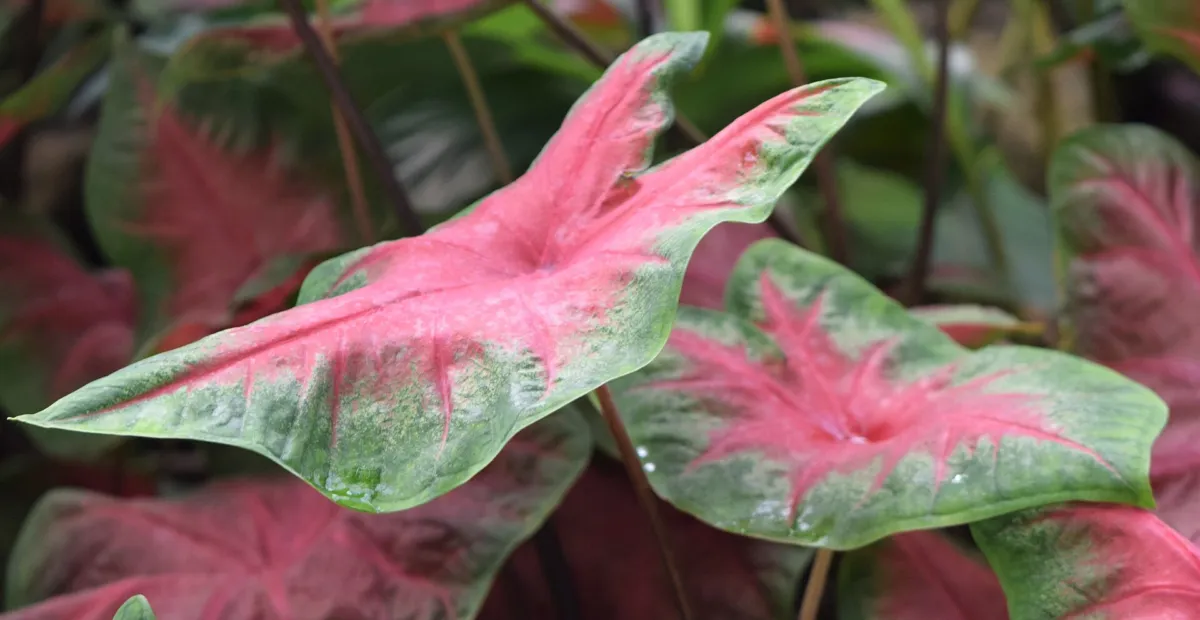
 Source:
 Caladium ‘Red Flash’ short overview
Caladium 'Red Flash' is a bold, fancy-leaved caladium grown for its large, heart-shaped leaves rather than its modest summer flowers. The leaves combine deep red centers and veins with dark green margins and occasional pale speckling, creating a dramatic display in warm, humid conditions. Plant the tubers after the soil warms, keep the growing medium evenly moist but well drained, and overwinter the tubers indoors where freezing weather occurs.
Taxonomic classification
Caladium ‘Red Flash’ care guide
Light and placement
Give bright filtered light or partial shade, ideally with morning sun and protection from intense afternoon heat. A sheltered east-facing or dappled-light position is suitable. Too much direct, hot sun can scorch or wilt the leaves; too little light may produce stretched petioles and weaker color. Even cultivars marketed as sun tolerant benefit from protection during the hottest part of the day.
Watering and humidity
Water thoroughly when the upper layer begins to feel slightly dry, then allow excess water to drain completely. Keep the medium consistently moist during active growth, increasing frequency during hot, bright weather and reducing it as leaves yellow in fall. Do not let the tuber sit in saturated soil, and avoid repeated severe drying because caladiums can enter premature dormancy.
Soil and growing medium
Use a loose, organic-rich medium that holds moisture while draining freely. A loam-based bed amended with compost, or a peat- or coir-containing container mix with added perlite, is suitable. Slightly acidic to neutral conditions are appropriate. Avoid compacted soil and standing water, both of which increase the risk of tuber and root rot.
Feeding
Feed only during active leaf production. Apply a balanced slow-release fertilizer at the label rate, or use a dilute liquid fertilizer periodically while the plant is growing. Avoid heavy nitrogen applications, which can produce lush but weaker growth and may reduce visual color quality. Stop feeding as foliage naturally declines toward dormancy.
Growth and habit
This cultivar forms a clump of upright petioles from a central tuber and produces new leaves in repeated flushes during warm weather. Growth slows sharply when temperatures fall or the soil dries. Larger, well-developed tubers generally provide a fuller display, while excessive shade can produce thin petioles and reduced color intensity.
Planting and repotting
Plant dormant tubers outdoors after frost has passed and soil is consistently at least 60–65°F; warmer soil promotes faster emergence and reduces rot. Set the puckered, knobby growing side upward, usually about 2 inches deep, and space plants 8–12 inches apart for a full display. Keep the bed evenly moist while shoots establish.
Repot container-grown plants when growth begins in spring or when the tubers have filled the pot. Use a clean container with drainage and a fresh, moisture-retentive but airy mix. Handle the tubers gently and keep the growing point oriented upward. Repot only when temperatures are warm enough for rapid regrowth.
Propagation and pruning
Propagation
Propagate vegetatively by dividing tubers during dormancy or before spring planting, ensuring each section retains at least one viable eye. Allow cut surfaces to dry briefly before planting. Seed is not a reliable way to reproduce this named cultivar because seedlings will not necessarily retain its characteristics.
Pruning
Pruning is limited to removing yellowing, damaged, or diseased leaves at the base with clean scissors. Do not cut healthy foliage during active growth because the leaves supply energy to the tuber. At dormancy, allow leaves to yellow naturally before cutting back and lifting the tubers if they will be stored.
Overwintering
In areas subject to frost, stop watering gradually as leaves yellow, lift the tubers after the foliage declines, and let them dry in a shaded, ventilated place. Store them in dry peat, vermiculite, or similar material at about 50–60°F, protected from freezing and excess humidity. Replant only after warm spring soil has returned.
Uses
Primarily an ornamental foliage plant for shaded beds, mixed borders, patio containers, porches, and warm indoor displays. It is especially useful where bold leaf color is wanted without relying on showy flowers. Do not use it as food or medicine, and keep it away from pets and children because all parts contain irritating calcium oxalate crystals.
Appearance
A bold fancy-leaved caladium with large, heart-shaped blades, prominent red veins and a saturated red central field bordered by dark green. Pale or pinkish speckles may appear within the red area. Long petioles arise from the tuber and hold the leaves above the soil, giving the plant a dramatic upright-to-arching silhouette.
Flowering
The cultivar may produce small, cream-colored arum-type inflorescences consisting of a spathe surrounding a spadix, but flowering is secondary to the foliage and often inconspicuous. Blooming is associated with warm-season active growth; remove spent structures only if they distract from the foliage display.
Pollination and visitors
The small arum-type inflorescences are not the main ornamental feature, and reliable cultivar-specific visitor records are scarce. Occasional small insects may visit flowers, but the documented attraction level is low and no specific pollinator species can be assigned confidently.
Caladium 'Red Flash' photos
Click any photo for a larger view. Source, author and license are shown separately.
Diseases and pests
Diseases
The principal concerns are tuber or root rots and occasional leaf-spot diseases, especially in cool, saturated soil or with poor air movement. Start with firm, healthy tubers, use clean tools and containers, provide drainage, and water at the soil surface. Remove badly rotted material and affected leaves; avoid routine fungicide use unless a diagnosed problem warrants it.
Pests
Aphids, whiteflies, mealybugs, mites, caterpillars, and thrips may occur, but serious infestations are not usually characteristic. Inspect new growth and leaf undersides, isolate affected containers, wash pests off where practical, and use a labeled treatment only when monitoring shows it is necessary. Avoid waterlogged conditions, which can worsen overall plant decline.
Related diseases and pests
Only Plant Doctor profiles whose host data indicate this plant may be affected are shown here.
 Environmental stressLeaf sunburn
 PestMealy Plum AphidHyalopterus pruni (Geoffroy, 1762)
 PestOnion thripsThrips tabaci Lindeman
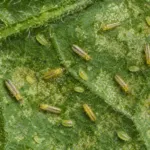 PestMelon thripsThrips palmi Karny
 PestChilli thripsScirtothrips dorsalis Hood
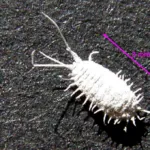 PestObscure mealybugPseudococcus viburni
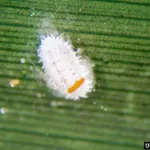 PestCitrus mealybugPlanococcus citri
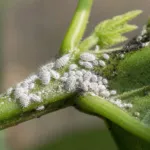 PestCotton mealybugPhenacoccus solenopsis Tinsley
Toxicity and pollen
Caladiums contain insoluble calcium oxalate crystals. Chewing or swallowing leaves, petioles, tubers, or other tissues can cause immediate mouth and throat irritation, drooling, swelling, vomiting, and difficulty swallowing. Keep plant material away from children and pets; seek medical or veterinary advice if significant exposure occurs, especially if swelling or breathing difficulty develops.
- Typical season
- Summer flowering period; airborne exposure is not well documented
- Pollination / pollen
- Limited airborne release from small inflorescences; cultivar-specific data unavailable
Caladium is not generally cultivated for airborne pollen, and cultivar-specific allergy studies for ‘Red Flash’ were not located. Its inflorescences are small and inconspicuous, so exposure is expected to be limited, but low airborne relevance should not be treated as proof of zero allergy risk.
Native habitat
The genus is associated with warm, humid tropical environments of the Americas, especially organically rich soils with reliable moisture and seasonal dormancy. In cultivation, the plant performs best where roots stay moist but oxygenated and where foliage is sheltered from cold, drying conditions.
Interesting fact
‘Red Flash’ is an older, stable commercial cultivar that has been vegetatively propagated for decades. It is a fancy-leaved type with large, dramatic foliage. The underground organ is a tuber, not a true bulb. Cultivar studies have used ‘Red Flash’ in breeding and in research on somaclonal variation.
Frequently asked questions (FAQ)
The most relevant questions about this plant, with short and direct answers.
🌱Quick care
What is Caladium 'Red Flash'?⌄
Caladium 'Red Flash' is a fancy-leaved caladium valued for large, heart-shaped foliage with dark red coloring, pink spotting, and wide dark green margins. It is a warm-season, tuberous plant in the Araceae family.
How much light does Caladium 'Red Flash' need?⌄
Give Caladium 'Red Flash' bright filtered light to partial shade. It can tolerate some gentle morning sun, but intense afternoon sun may scorch or fade the leaves.
How often should I water Caladium 'Red Flash'?⌄
Water Caladium 'Red Flash' whenever the surface begins to dry, keeping the soil evenly moist but never waterlogged. Reduce watering when the plant naturally enters dormancy.
How big does Caladium 'Red Flash' get?⌄
Caladium 'Red Flash' commonly reaches about 18 to 30 inches tall, with large leaves and an upright growth habit. Mature size depends on tuber size, warmth, light, nutrition, and growing conditions.
🌤️Environment and placement
Can Caladium 'Red Flash' grow indoors?⌄
Yes, Caladium 'Red Flash' can grow indoors near a bright window with filtered light and warm temperatures. Keep it away from cold drafts, heating vents, and harsh direct afternoon sun.
Can Caladium 'Red Flash' grow in full sun?⌄
Caladium 'Red Flash' may tolerate more sun than shade-oriented caladiums, but partial shade is safer in most U.S. gardens. Strong afternoon sunlight, especially with dry soil, can burn the foliage.
What temperature is best for Caladium 'Red Flash'?⌄
Caladium 'Red Flash' grows best in warm conditions, roughly 70–85°F during active growth. Protect it when temperatures approach 55°F and never expose the tuber or foliage to freezing temperatures.
Can I grow Caladium 'Red Flash' outdoors year-round?⌄
You can grow Caladium 'Red Flash' outdoors year-round only in reliably frost-free areas, generally corresponding to warm USDA climates. In colder regions, grow it as a seasonal plant or overwinter the tuber indoors.
Is Caladium 'Red Flash' suitable for containers?⌄
Yes, Caladium 'Red Flash' performs well in containers filled with moisture-retentive but well-drained mix. Choose a pot with drainage holes and avoid using a container much larger than the root system.
💧Care and problems
Why are the leaves on my Caladium 'Red Flash' turning brown?⌄
Brown leaves on Caladium 'Red Flash' are commonly caused by intense sun, dry soil, low humidity, cold exposure, or fertilizer buildup. Move it to filtered light, restore consistent moisture, and check that the pot drains freely.
Why is my Caladium 'Red Flash' drooping?⌄
Caladium 'Red Flash' may droop when the soil is too dry, temperatures are too cold, or the tuber is beginning seasonal dormancy. Check soil moisture and temperature first, while recognizing that natural fall dieback is normal.
Why is my Caladium 'Red Flash' losing leaves?⌄
Leaf loss is normal when Caladium 'Red Flash' enters dormancy as days shorten and temperatures cool. If it is actively growing, sudden leaf loss can indicate cold stress, root problems, severe dryness, or overwatering.
What soil is best for Caladium 'Red Flash'?⌄
Use a moisture-retentive, organic-rich, well-drained loam or container mix for Caladium 'Red Flash'. The soil should hold steady moisture while allowing excess water to drain quickly.
Should I fertilize Caladium 'Red Flash'?⌄
Yes, light regular feeding during active growth can support the large foliage of Caladium 'Red Flash'. Use a balanced fertilizer at the label’s diluted rate and stop feeding when the plant enters dormancy.
How do I prevent root rot in Caladium 'Red Flash'?⌄
Prevent root rot by using porous, well-drained soil, a pot with drainage holes, and consistent rather than excessive watering. Never leave the container standing in a saucer of water.
What pests affect Caladium 'Red Flash'?⌄
Caladium 'Red Flash' can attract common foliage pests such as aphids, mealybugs, spider mites, and thrips. Inspect the undersides of leaves regularly and address infestations promptly with an appropriate treatment.
🪴Planting and repotting
When should I plant Caladium 'Red Flash' outdoors?⌄
Plant Caladium 'Red Flash' outdoors after the last spring frost, when the soil is consistently warm and nights remain above about 55°F. Cold, wet soil can delay sprouting or encourage tuber rot.
How deep should I plant Caladium 'Red Flash' tubers?⌄
Plant Caladium 'Red Flash' tubers about 1½–2 inches deep with the buds or eyes facing upward. Space plants roughly 8–12 inches apart, adjusting spacing for the desired fullness.
How long does Caladium 'Red Flash' take to sprout?⌄
Caladium 'Red Flash' commonly takes several weeks to sprout after planting, especially if soil temperatures are cool. Warm soil, even moisture, and patience are more helpful than repeatedly disturbing the tuber.
Can I start Caladium 'Red Flash' indoors before planting it outside?⌄
Yes, start Caladium 'Red Flash' indoors in a warm container of lightly moist, well-drained mix several weeks before outdoor planting. Move it outside gradually after frost danger has passed and temperatures are warm.
✂️Propagation and pruning
How do I propagate Caladium 'Red Flash'?⌄
Propagate Caladium 'Red Flash' primarily by dividing its dormant tuber into sections, with each section retaining at least one healthy eye. Allow cut surfaces to dry briefly before planting divisions in warm, lightly moist mix.
Can I grow Caladium 'Red Flash' from leaf cuttings?⌄
No, ordinary leaf cuttings do not reliably produce new Caladium 'Red Flash' plants. Division of the tuber is the practical method for maintaining this named cultivar.
Should I remove the main eye from a Caladium 'Red Flash' tuber?⌄
Removing the dominant central eye can encourage a shorter, fuller plant with more evenly distributed shoots. It is optional, and leaving the eye intact usually produces a taller plant with stronger central growth.
Should I prune Caladium 'Red Flash'?⌄
Routine pruning is not needed for Caladium 'Red Flash'; remove only yellow, damaged, or completely dead leaves at the base. Avoid cutting healthy foliage because the leaves help replenish the tuber.
How do I overwinter Caladium 'Red Flash' in a cold climate?⌄
Before freezing weather, allow the foliage to die back, lift the tuber, and store it dry in a warm, frost-free location, ideally around 60–70°F. Replant in spring only after the soil has warmed and frost danger has passed.
⚠️Toxicity and safety
Is Caladium 'Red Flash' poisonous to dogs and cats?⌄
Yes, Caladium 'Red Flash' is toxic to dogs and cats because it contains insoluble calcium oxalate crystals. Chewing it can cause painful mouth irritation, drooling, vomiting, and difficulty swallowing, so keep it away from pets.
Is Caladium 'Red Flash' toxic to people?⌄
Yes, Caladium 'Red Flash' can irritate the mouth, throat, and digestive tract if chewed or swallowed because of insoluble calcium oxalate crystals. Keep it away from children, and seek poison-control or medical advice after ingestion.
🌸Flowering and special interest
Does Caladium 'Red Flash' produce flowers?⌄
Caladium 'Red Flash' can produce small, inconspicuous, calla-like flowers, but it is grown primarily for its colorful foliage. Flowering is not guaranteed and may be reduced indoors or under stressful conditions.
Similar plants
 Yellow lantern chili (Capsicum chinense) care guideCapsicum chinense
 Capsicum baccatum care guideCapsicum baccatum
 Serrano (Capsicum annuum ‘Serrano’)Capsicum annuum 'Serrano'
 Purple Beauty (Capsicum annuum ‘Purple Beauty’)Capsicum annuum 'Purple Beauty'
 Numex Twilight (Capsicum annuum ‘Numex Twilight’)Capsicum annuum 'Numex Twilight'
 Explosive Ember Chili Pepper (Capsicum annuum ‘Explosive Ember’)Capsicum annuum 'Explosive Ember'