
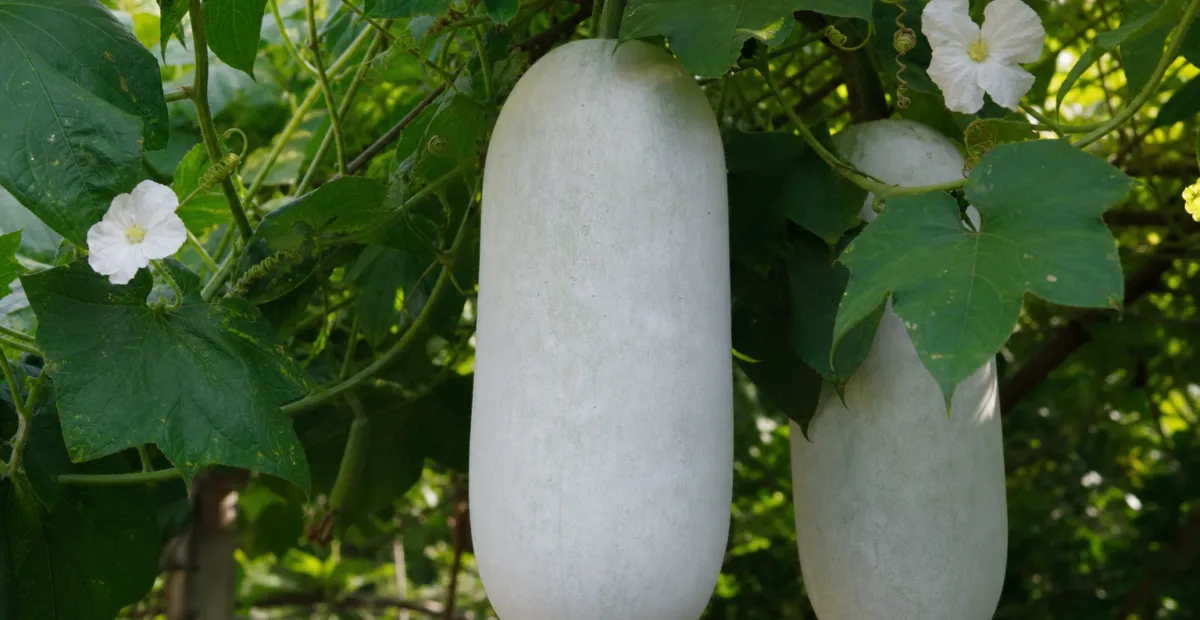
 AI-generated illustration
White gourd (Benincasa hispida) short overview
White gourd (*Benincasa hispida*) is a vigorous warm-season vine in the cucumber family, grown for its large edible fruits covered with a distinctive waxy bloom at maturity. In the United States it is usually cultivated as an annual vegetable, needing a long, frost-free season, full sun, fertile well-drained soil, and consistent moisture. Separate male and female yellow flowers depend mainly on insect pollination for reliable fruit set.
Taxonomic classification
White gourd (Benincasa hispida) care guide
Light and placement
Give white gourd a site with at least 8 hours of direct sun, preferably with the vine oriented along a sturdy trellis or allowed to run across warm ground. Weak, stretched growth and sparse flowering indicate inadequate light. Scorched leaf margins, sudden midday wilt despite moist soil, or bleached foliage can indicate excessive heat or root stress; afternoon shade may help in very hot inland locations.
Watering and humidity
Keep the root zone evenly moist, watering deeply when the top inch of soil begins to dry. Young plants and flowering vines need the most reliable moisture; avoid repeated shallow watering and wetting the foliage late in the day. Reduce watering slightly as fruit approaches harvest only if plants remain turgid. Mulch helps moderate soil temperature and reduces evaporation.
Soil and growing medium
Use fertile loam or sandy loam enriched with finished compost. The soil should hold moisture without becoming waterlogged; raised beds are useful in heavy clay. Good drainage reduces root and crown problems, while organic matter supports the long growing season. A slightly acidic to neutral reaction is suitable; avoid strongly alkaline, compacted soil.
Feeding
Incorporate compost before planting, then apply a balanced vegetable fertilizer according to the product label once vines are established. A second light feeding at the beginning of flowering can support continued growth in poor soil. Avoid heavy nitrogen applications after flowering begins, because excessive leafy growth can delay fruiting and make disease management harder.
Growth and habit
The plant produces a long, vigorous, hairy vine with tendrils and benefits from a broad trellis or ample ground space. Fruit weight may require slings or additional support when grown vertically. Train young shoots early, keep fruit off persistently wet soil, and remove badly diseased leaves rather than repeatedly cutting healthy growth.
Planting and repotting
Direct-sow after the last frost when soil is reliably warm, or transplant young seedlings carefully because cucurbit roots dislike disturbance. Place seeds about 1 inch deep in fertile soil and thin to the strongest plant. Use a sturdy trellis for smaller-fruited types, or give sprawling plants generous room. Floating row cover can protect seedlings, but remove it when flowering begins so insects can reach the flowers.
For container culture, use a large container with drainage holes and a sturdy trellis. Move seedlings into their final container before roots circle densely. Repotting established vines is stressful and usually less successful than sowing or transplanting a young plant into its final position.
Propagation and pruning
Propagation
Propagate from seed. Sow directly after frost danger when soil is warm, or start seedlings in individual containers several weeks earlier and transplant while young. Handle roots gently and avoid keeping seedlings root-bound.
Pruning
Prune only to guide vines, remove damaged growth, or improve access around the trellis. Avoid severe cutting during flowering and fruit development. Remove diseased leaves promptly and disinfect tools between cuts when disease is present.
Overwintering
This frost-tender annual is not normally overwintered outdoors in the United States. Harvest mature fruit before frost and remove spent vines after the season. In protected culture, maintain warm temperatures and strong light; cold, wet conditions commonly cause decline.
Uses
The mature fruit is a documented food crop used in soups, steamed or stuffed dishes, and preserved preparations; young fruit may also be cooked as a vegetable. The waxy rind helps some mature fruits store for an extended period under suitable conditions. Use only correctly identified, sound fruit prepared as food; traditional medicinal claims are not a substitute for clinical guidance.
Appearance
Leaves are alternate, green, rough and hairy, with broad palmately lobed blades. Stems and petioles are also pubescent and bear tendrils. Solitary yellow flowers arise in the leaf axils. Fruits are typically cylindrical to oblong, green when young and covered by a conspicuous whitish wax bloom at maturity.
Flowering
White gourd is monoecious, producing separate male and female yellow flowers on one vine. Male flowers commonly appear first; female flowers have a small swelling beneath the corolla that develops into the fruit after successful pollination. Flowers are most useful for fruit set when open and insect activity is strong, generally during warm summer weather.
Pollination and visitors
Separate male and female flowers require pollen transfer for dependable fruit set. Bees are the principal documented visitors for cucurbit crops of this type, with bumblebees also capable of visiting and transferring pollen. Avoid insecticide applications during open-flower periods and maintain nearby flowering resources where practical.
Benincasa hispida photos
Click any photo for a larger view. Source, author and license are shown separately.
Diseases and pests
Diseases
Common cucurbit problems may include powdery mildew, downy mildew, bacterial wilt, viruses, and damping-off. Use clean seed, rotate away from cucurbits, provide sun and air circulation, water at the soil line, and remove infected plants when systemic disease is suspected. Avoid working among wet vines to reduce spread.
Pests
Watch for cucumber beetles, aphids, whiteflies, squash bugs, spider mites and caterpillars. Inspect undersides of leaves frequently, use row cover before flowering, hand-pick larger pests, and use targeted controls only when monitoring shows they are needed. Protect flowers and avoid broad-spectrum sprays during bee activity.
Related diseases and pests
Only Plant Doctor profiles whose host data indicate this plant may be affected are shown here.
 DiseaseCucurbit Downy MildewPseudoperonospora cubensis (Berk. & M.A. Curtis) Rostovzev
 DiseaseBacterial WiltRalstonia solanacearum species complex
 DiseaseCucurbit Powdery MildewPodosphaera xanthii (Castagne) U. Braun & Shishkoff
 PestBroad mitePolyphagotarsonemus latus (Banks)
 DiseaseMaple powdery mildewSawadaea bicornis
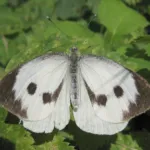 PestLarge White ButterflyPieris brassicae
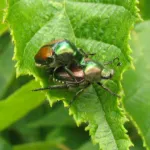 PestJapanese beetlePopillia japonica
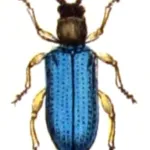 PestCereal leaf beetleOulema melanopus
Toxicity and pollen
The mature fruit is widely documented as an edible food, but reliable plant-specific evidence for toxicity of every non-fruit part and for household pets is limited. Do not consume unidentified material, concentrated extracts, or medicinal preparations without professional advice. Wash produce and discard damaged or spoiled fruit.
- Typical season
- Summer flowering season
- Pollination / pollen
- Heavy, relatively non-airborne pollen generally transferred between flowers by visiting insects
The plant produces pollen in its male flowers, but cucurbit pollen is generally transferred directly by insect visitors rather than dispersed widely through the air. Individual sensitivity is still possible, especially during close contact with flowers or active gardening. People with known pollen allergies should use reasonable exposure precautions.
Native habitat
The species is associated with warm, humid tropical and subtropical climates and fertile soils where seasonal moisture supports vigorous vine growth. It is not frost tolerant and behaves as a summer annual in temperate cultivation. In naturalized or cultivated settings it scrambles through open vegetation and disturbed ground rather than forming a woody structure.
Interesting fact
The species epithet hispida refers to the rough or hairy texture of the foliage and stems. Mature fruits develop a waxy surface coating that helps reduce moisture loss. White gourd is taxonomically distinct from pumpkins and squashes in Cucurbita despite being another member of the Cucurbitaceae.
Frequently asked questions (FAQ)
The most relevant questions about this plant, with short and direct answers.
🌱Quick care
What is white gourd (Benincasa hispida)?⌄
White gourd is a frost-tender, warm-season vine in the cucumber family, Cucurbitaceae. It produces large edible fruits with white flesh and a waxy coating when mature.
🌤️Environment and placement
How much sun does white gourd need?⌄
White gourd needs full sun, ideally at least 6–8 hours of direct sunlight daily. Choose the warmest, brightest part of the garden for best vine growth and fruit production.
What soil is best for white gourd?⌄
Plant white gourd in fertile, well-drained loam amended with compost or other organic matter. Avoid poorly drained soil, which can encourage root problems.
Can white gourd tolerate frost?⌄
No, white gourd is frost-tender and can be damaged or killed by freezing temperatures. Plant it outdoors only after the danger of frost has passed and soil has warmed.
What temperatures are best for growing white gourd?⌄
White gourd grows best in warm conditions, with optimum growth commonly reported around 73–82°F. Growth slows in cool weather, and frost can cause severe damage.
Can white gourd grow in USDA cold climates?⌄
White gourd can be grown in many USDA zones as a warm-season annual if it has enough frost-free days. In colder regions, start plants early indoors and use row covers or other season-extension methods.
💧Care and problems
How often should I water white gourd?⌄
Water white gourd consistently so the soil stays evenly moist but not waterlogged. Increase watering during hot, dry weather and while fruits are enlarging.
Why is my white gourd flowering but not producing fruit?⌄
Poor pollination is the most common reason white gourd flowers without setting fruit. Encourage pollinating insects, avoid spraying them during bloom, and hand-pollinate if flowers open without adequate insect activity.
What pests commonly attack white gourd?⌄
White gourd may be attacked by aphids, cucumber beetles, squash bugs, stink bugs, cutworms, pickleworms, and squash vine borers. Inspect leaves and stems regularly and use pest control methods appropriate for edible crops.
Why are my white gourd leaves turning yellow?⌄
Yellow leaves can result from overwatering, poor drainage, nutrient shortage, aging foliage, or pest damage. Check soil moisture, examine the undersides of leaves, and look for symptoms spreading beyond older leaves.
When should white gourd be harvested?⌄
Harvest white gourd when the fruit reaches the desired size and the skin has developed its characteristic waxy coating for mature storage types. Use pruners or a knife and leave a short section of stem attached.
How should white gourd be stored after harvest?⌄
Mature white gourds with an intact waxy coating can be stored for months in a cool, dry, well-ventilated location. Handle them gently and discard fruit showing soft, wet, or rotten areas.
Why are white gourd fruits rotting on the ground?⌄
Fruit resting on wet soil is more vulnerable to rot, especially during rainy weather. Place straw, a board, or another clean dry barrier beneath developing fruits and avoid overhead watering when possible.
🪴Planting and repotting
When should I plant white gourd in the United States?⌄
Plant white gourd after the local last spring frost date, when temperatures are reliably warm. In much of the United States, starting seeds indoors can help provide the long growing season this crop needs.
How much space does a white gourd vine need?⌄
Allow about 5–6 feet between plants when vines trail on the ground, with additional room for spreading. Trellised plants can be spaced more closely, but the support must be sturdy enough for heavy fruit.
Can white gourd be grown on a trellis?⌄
Yes, white gourd can be trellised if the structure is strong and well anchored. Support developing fruits with slings or platforms to prevent the vine from breaking.
Can white gourd be grown in a container?⌄
White gourd can grow in a very large container, but its vigorous vines and heavy fruits make in-ground culture easier. Use a deep container with drainage and provide a strong trellis or ample ground space.
✂️Propagation and pruning
Should I start white gourd seeds indoors?⌄
Starting seeds indoors is useful where the growing season is short because white gourd requires sustained warmth and a long season. Sow them several weeks before outdoor planting and transplant carefully because cucurbits dislike root disturbance.
How do you grow white gourd from seed?⌄
Sow white gourd seeds about 1 inch deep in warm soil or seed-starting mix, then keep them evenly moist and warm until germination. Transplant outdoors only after frost danger has passed.
Can white gourd cross-pollinate with pumpkins, cucumbers, or squash?⌄
White gourd is a different genus from pumpkins, cucumbers, and squash, so it does not ordinarily cross with those crops. Seed purity can still be affected by other plants of the same species or closely related cultivated forms.
Should white gourd vines be pruned?⌄
Light pruning can help manage an overgrown vine, but extensive pruning is usually unnecessary. Remove damaged growth and, if desired, excess side shoots or developing fruits so the plant can concentrate resources on fewer fruits.
⚠️Toxicity and safety
Is white gourd edible?⌄
Yes, the fruit of white gourd is commonly eaten as a vegetable, either young or mature. Peel or trim the rind as appropriate for the recipe and cook the flesh according to its maturity and texture.
Are white gourd leaves and seeds edible?⌄
Young shoots, flowers, leaves, and seeds are used as food in some culinary traditions, but preparation and cultivar suitability vary. For a plant grown from an unidentified seed source, consume only material that has been positively identified and is intended for food use.
Is white gourd poisonous to people or pets?⌄
No established toxicity classification is currently available for white gourd as a garden plant, and its fruit is widely used as food. Do not rely on medicinal claims or animal studies as a substitute for professional advice, especially during pregnancy, illness, or medication use.
🌸Flowering and special interest
How long does white gourd take to mature?⌄
White gourd generally needs a long growing season of about four to five months, although timing varies by cultivar and growing conditions. Northern gardeners may need transplants or season-extending protection.
Does white gourd need pollination to produce fruit?⌄
Yes, white gourd produces separate male and female flowers and depends mainly on insect pollination. If female flowers form but fruits do not develop, hand-pollinate by transferring pollen from a male flower to a female flower in the morning.
How can I tell male and female white gourd flowers apart?⌄
Female white gourd flowers have a small swollen ovary resembling a miniature fruit beneath the petals, while male flowers arise on slender stems without that swelling. Both flowers are typically yellow.
How big can white gourd fruits become?⌄
Fruit size varies widely by cultivar and growing conditions, from relatively small forms to fruits weighing many pounds. Provide strong support and avoid allowing oversized fruit to overload a trellis.
Similar plants
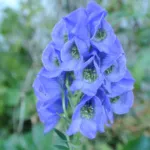 Azure Monkshood (Aconitum carmichaelii) care guideAconitum carmichaelii
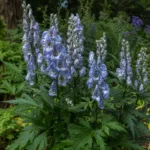 Monkshood (Aconitum ‘Stainless Steel’)Aconitum 'Stainless Steel'
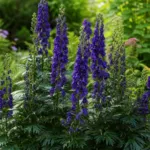 Monkshood (Aconitum ‘Bressingham Spire’)Aconitum 'Bressingham Spire'
 Golden full moon maple (Acer shirasawanum ‘Aureum’)Acer shirasawanum 'Aureum'
 Globosum (Acer platanoides ‘Globosum’)Acer platanoides 'Globosum'
 Striped maple (Acer pensylvanicum) care guideAcer pensylvanicum