
Gac (Momordica cochinchinensis) short overview
Gac is a tropical, tuberous climbing vine in the cucumber family, cultivated for its striking orange-red fruits and edible red arils. Native from South and Southeast Asia to northern Queensland, it is dioecious, so male and female plants are separate and both are usually needed for reliable fruiting. In the United States, grow it as a vigorous warm-season vine or overwinter it indoors where winters are cold.
Taxonomic classification
Gac (Momordica cochinchinensis) care guide
Light and placement
Give Gac full sun, ideally six or more hours of direct light, with a sturdy trellis or pergola. In very hot climates, light afternoon shade can reduce leaf scorch, but heavy shade causes weak, leafy growth and fewer flowers. Indoors, place it at the brightest south- or southwest-facing window or under a strong grow light. Stretching, thin stems and small leaves indicate insufficient light; bleached patches and crisp margins suggest excessive heat or drought at the root zone.
Watering and humidity
Water deeply whenever the upper inch of soil begins to dry, then allow excess water to drain completely. Keep the root zone consistently moist during active vine growth, flowering and fruit enlargement; do not let a container dry hard. Reduce watering after leaf drop or during cool winter dormancy, but never keep the dormant tuber continuously waterlogged. Good humidity helps in dry homes, although constant wet foliage can encourage disease.
Soil and growing medium
Use a fertile, organic-matter-rich medium that holds moisture while draining freely. A practical container blend is quality potting mix amended with compost and coarse perlite or fine bark. Heavy clay and stagnant soil can rot the tuberous root, while very sandy mixes may dry too quickly. A slightly acidic to neutral reaction is suitable; avoid strongly alkaline media and excessive lime.
Feeding
Feed from spring through late summer while the vine is actively producing leaves, flowers and fruit. Apply a balanced, complete fertilizer at half to three-quarter label strength every two to four weeks, or top-dress with mature compost and use a slow-release fertilizer. Avoid heavy nitrogen late in the season because it can promote lush foliage at the expense of flowering and fruiting. Do not fertilize a leafless, dormant plant.
Growth and habit
Gac is a vigorous perennial climber with separate male and female plants. It develops a substantial underground tuber and can regrow after a dormant period in warm climates. Provide a high, load-bearing trellis and train young shoots early. Fruiting is more dependable when both sexes are present and flowers receive insect activity or hand pollination.
Planting and repotting
Start seeds in warm, evenly moist medium and transplant carefully because the young root system dislikes disturbance. Move plants outdoors after frost danger has passed and the soil is thoroughly warm. Set the vine beside a strong trellis before it becomes large. For fruit production, grow compatible male and female plants together; where only one plant is available, hand-transfer pollen from a male flower to a female flower in the morning.
Repot container plants in spring as new growth begins, moving them into a deep, sturdy container rather than an oversized water-retentive pot. Disturb the tuber and roots as little as possible. Refresh compacted medium and install the trellis before vigorous growth resumes. Repot only when actively growing unless an emergency drainage or rot problem requires intervention.
Propagation and pruning
Propagation
Propagate from fresh seed or dormant tubers. Scarifying or carefully nicking the hard seed coat and soaking seeds can improve, but does not guarantee, germination. Sow in warm conditions, ideally around 75–90°F. Tubers can be divided only when each section retains viable buds and should be replanted promptly in a warm, well-drained medium. Seed-grown plants may be male or female, so several seedlings may be needed for fruit production.
Pruning
Train the main stems onto the trellis while young and remove weak, damaged or overcrowded shoots. After fruiting or before winter storage, cut back excessive growth to make the plant manageable. In warm climates, prune after the main harvest rather than during peak flowering. Avoid removing all healthy foliage during active fruit development.
Overwintering
In cold climates, bring containers indoors before temperatures fall below 50°F. After natural leaf drop, reduce watering and keep the dormant tuber in a cool, frost-free location with barely moist soil. Resume brighter light, warmth and gradual watering in spring when new shoots appear. Outdoor plants in marginal warm climates need a thick mulch layer and protection from freezes, but exposed vines can still be lost.
Uses
Gac is grown as a food crop in parts of Southeast and South Asia, especially for the red aril surrounding the seeds and for traditionally prepared young or ripe fruit. It is also an ornamental tropical vine with decorative fruit. Culinary use should follow reliable food guidance: the mature aril and properly prepared fruit are used as food, while seeds and medicinal preparations require caution because documented toxic constituents occur in the seed.
Appearance
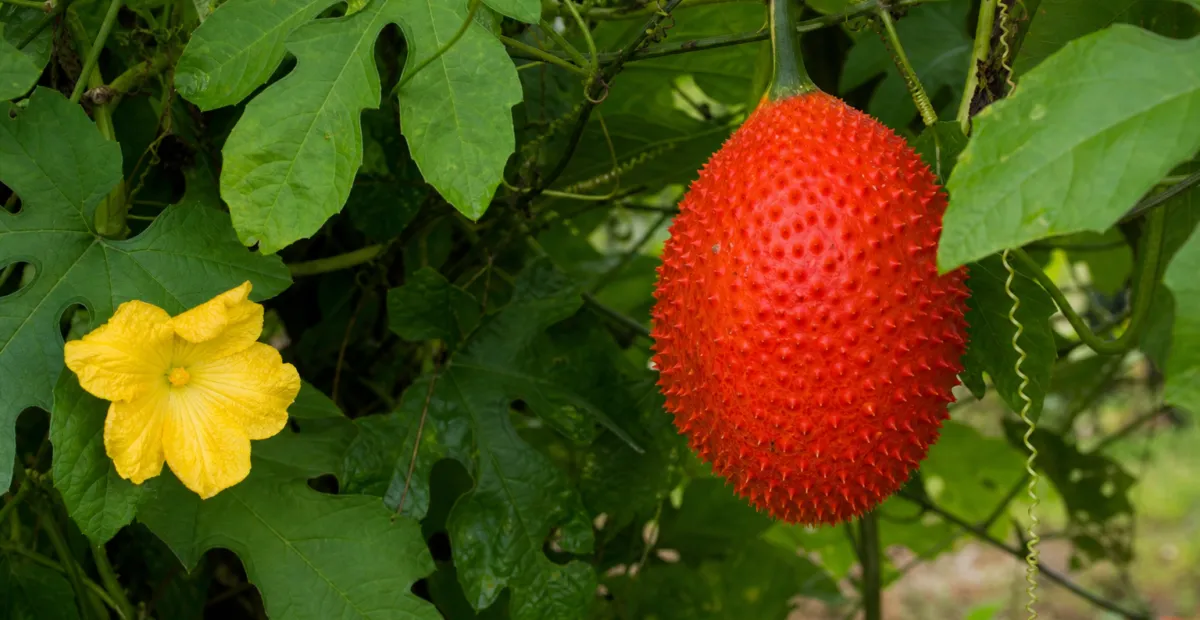
The vine has slender, climbing stems with tendrils and alternate leaves that are commonly shallowly to deeply three- to five-lobed, with toothed margins. Flowers are pale yellow to creamy, and the mature fruit is large, rounded to ovoid and covered with blunt spines or tubercles. When ripe, the rind turns orange to red and encloses a vivid red aril around large, dark seeds.
Flowering
The species is dioecious: male and female flowers occur on separate plants. Flowers are produced in the leaf axils during warm, actively growing weather. Female flowers develop below the ovary and can form the characteristic spiny fruit after successful pollination. In short-season regions, flowering may begin too late for dependable fruit maturation unless plants are started early and kept warm.
Pollination and visitors
The flowers are insect-pollinated, with bees identified as important visitors for Momordica flowers and bumblebees reported among characteristic cucurbit visitors. Because male and female flowers are on separate plants, insect movement between plants is especially important for fruit set. Specific pollinator species for this exact plant are not consistently documented in the available sources.
Momordica cochinchinensis photos
Click any photo for a larger view. Source, author and license are shown separately.
Diseases and pests
Diseases
Prevent disease with excellent drainage, adequate spacing, strong air circulation and watering directed at the soil. Watch for powdery mildew, downy mildew, leaf spots and root or tuber rot. Remove badly affected leaves, avoid overhead irrigation late in the day and sanitize tools. If rot is suspected, correct drainage and remove damaged tissue; use only products labeled for the crop and disease in your state.
Pests
Inspect new growth for aphids, whiteflies, spider mites and cucurbit-feeding beetles. Hand-remove larger insects, wash foliage with a firm water spray and use insecticidal soap or horticultural oil only according to the label, testing first for leaf sensitivity. Control ants that protect aphids and avoid broad-spectrum insecticides during flowering to reduce harm to pollinators.
Toxicity and pollen
The seed is used medicinally in some traditions but contains documented bioactive and potentially toxic constituents, including saponins and other compounds. Do not eat raw or processed seeds as a home remedy, and do not use seed extracts without qualified medical supervision. Food use should be limited to properly identified, traditionally prepared edible portions. Keep plant material away from children and pets and seek poison-control or medical advice after significant ingestion.
- Typical season
- Warm flowering season, typically summer in the United States
- Pollination / pollen
- Insect-dispersed pollen from male flowers
Gac produces pollen from male flowers, but reliable data on airborne pollen levels and clinical allergy reactions for this species are lacking. The flowers are insect-pollinated, so pollen is usually released around floral visitors rather than dispersed in large wind-borne clouds. People with strong plant-pollen sensitivity should still avoid handling flowers closely if symptoms occur.
Native habitat
In its native range, Gac occurs in tropical and subtropical environments with warm temperatures, seasonal or regular moisture and supporting vegetation for climbing. It is associated with wet tropical biomes and can persist through a dormant tuber in climates where the growing season is warm enough. It is not reliably frost hardy and is generally unsuitable for year-round outdoor cultivation in most of the continental United States.
Interesting fact
Gac is a tuberous perennial rather than a typical annual melon. The species is dioecious, with male and female flowers on separate plants. Its ripe fruit has a vivid red aril rich in carotenoid pigments. The fruit surface is covered with blunt spines or tubercles. At higher latitudes, the underground tuber can remain dormant and regrow in warm conditions.
Frequently asked questions (FAQ)
The most relevant questions about this plant, with short and direct answers.
🌱Quick care
What is Gac (Momordica cochinchinensis)?⌄
Gac is a tropical, perennial, dioecious vine in the cucumber family, Cucurbitaceae. It produces large, spiny fruits whose mature red arils are used as food and natural coloring.
Is Gac easy to grow in the United States?⌄
Gac can be grown successfully in warm U.S. climates, but it is challenging in areas with short summers or freezing winters. In colder regions, grow it as a seasonal vine or overwinter it in a greenhouse or other protected space.
How much light does Gac need?⌄
Gac grows best in full sun, although bright filtered light can work in very hot conditions. Provide enough direct light for vigorous vine growth, flowering, and fruit development.
How often should I water Gac?⌄
Keep Gac evenly moist throughout the growing season, especially during flowering and fruit development. Avoid waterlogged soil because the roots and tuberous storage structures can rot in stagnant conditions.
Is Gac a vine or a bush?⌄
Gac is a vigorous climbing vine that needs a strong support structure. Its mature fruits can be heavy, so use a sturdy trellis, arbor, fence, or overhead frame.
🌤️Environment and placement
What temperature does Gac need to grow?⌄
Gac needs warm, humid growing conditions and does not tolerate frost. Growth is strongest in consistently warm weather, while cold temperatures can damage or kill exposed vines.
Can Gac survive winter outdoors in the United States?⌄
Gac can overwinter outdoors only where freezing weather is rare or absent. In most of the United States, protect the plant from frost by moving it into a greenhouse, growing it in a container, or storing its dormant rootstock in a sheltered location.
What USDA hardiness zones are suitable for Gac?⌄
Gac is best treated as a frost-tender tropical perennial rather than assigned a dependable hardiness-zone range. In the United States, it is most practical outdoors in frost-free areas and as a protected plant elsewhere.
Can Gac grow in a container?⌄
Gac can grow in a large container if it receives strong light, consistent moisture, fertile soil, and a substantial trellis. Choose a container large enough for vigorous roots and be prepared to move it before frost.
What type of soil is best for Gac?⌄
Use rich, fertile, well-drained loam that holds moisture without becoming saturated. Improve poor soil with organic matter, but do not plant Gac where water collects after rain.
💧Care and problems
How do I fertilize Gac?⌄
Feed Gac with a balanced fertilizer during active growth and maintain fertility as the vine flowers and sets fruit. Avoid excessive nitrogen because it can produce lush foliage while reducing flowering and fruiting.
Why is my Gac vine growing leaves but no flowers?⌄
A Gac vine may fail to flower because it is too young, lacks warmth or light, receives excessive nitrogen, or is growing under stress. Give it a long warm season, strong light, steady moisture, and a balanced feeding program.
Why does my Gac flower but not produce fruit?⌄
Gac may flower without fruiting because male and female flowers occur on separate plants or because pollination is inadequate. Grow compatible male and female plants together and hand-pollinate female flowers when natural pollinators are inactive.
How can I tell male and female Gac flowers apart?⌄
Female Gac flowers have a small, undeveloped fruit behind the flower, while male flowers are borne on slender stalks without that swollen base. The difference becomes clear once the vines begin flowering.
When should I hand-pollinate Gac flowers?⌄
Hand-pollinate Gac in the morning when both flowers are fully open. Transfer pollen from a fresh male flower directly to the stigma of a female flower using a small brush or cotton swab.
What pests and diseases affect Gac?⌄
Gac can be affected by common cucurbit problems such as fruit flies, nematodes, and fungal leaf diseases including downy mildew. Good airflow, clean growing conditions, proper drainage, and regular inspection help reduce problems.
🪴Planting and repotting
When should I plant Gac outdoors?⌄
Plant Gac outdoors only after the danger of frost has passed and the soil is reliably warm. Start seeds or young plants indoors early enough to give the vine a long growing season before autumn cold arrives.
How deep should Gac seeds be planted?⌄
Plant Gac seeds shallowly in a well-drained seed-starting mix, generally about 1 inch deep. Keep the mix warm and evenly moist, and avoid burying the large seed too deeply.
Do Gac seeds need scarification before planting?⌄
Gac seeds may germinate more reliably after light scarification because the seed coat can be hard. Carefully nick or abrade the coat without damaging the embryo, then sow the seed in warm, moist conditions.
How long do Gac seeds take to germinate?⌄
Gac germination can be slow and uneven, especially when seeds are cool or untreated. Warm conditions and careful scarification may improve emergence, but exact timing varies with seed freshness and treatment.
How much space does a Gac plant need?⌄
Give Gac enough room for a vigorous vine to climb across a large, sturdy support. The exact spacing depends on the trellis, but crowding should be avoided so foliage dries quickly and fruits have room to hang.
✂️Propagation and pruning
How do you propagate Gac from seed?⌄
To propagate Gac from seed, remove seeds from a fully mature fruit, clean and shade-dry them, then sow them in warm, well-drained mix. Seed-grown plants may be male or female, so their sex cannot be confirmed until flowering.
Can Gac be grown from cuttings?⌄
Gac can be propagated from vine or hardwood cuttings, and cuttings from a known female plant preserve that plant’s sex. Use healthy material, provide warmth and humidity, and keep the rooting medium moist but well drained.
Is it better to grow Gac from seed or cuttings?⌄
Cuttings are preferable when you need a known-sex plant or faster fruiting, while seeds are useful for producing new plants and genetic diversity. Seed-grown vines may require more time before fruiting and may produce males.
Should I prune Gac?⌄
Prune Gac to guide the vine onto its support, remove damaged growth, and thin congested side shoots. After the growing season, established plants can be cut back while dormant or semi-dormant so they can regrow from the root system.
Can Gac regrow after being cut back?⌄
Established Gac plants can regrow after substantial pruning because they develop perennial underground storage structures. Cut back only healthy, established plants and protect the remaining rootstock from freezing and excessive moisture.
⚠️Toxicity and safety
Is Gac fruit edible?⌄
The mature red aril surrounding the seeds is the primary edible portion of Gac and is commonly cooked or used as a coloring ingredient. Do not assume that every part of the fruit has the same food-safety profile.
Are Gac seeds poisonous?⌄
Gac seeds pose a toxicity risk and should not be eaten casually or used as a home remedy. Traditional medicinal use does not establish safe self-dosing, so keep seeds away from children and pets and consult a qualified clinician before medicinal use.
Can you eat Gac skin?⌄
Gac skin is not the commonly consumed portion, and its safety and palatability are less established than those of the mature red aril. For food use, follow a reliable culinary source and remove the seeds.
Is Gac safe during pregnancy or while taking medication?⌄
Safety during pregnancy, breastfeeding, or medication use is not sufficiently established for concentrated Gac products or medicinal preparations. Avoid medicinal doses and ask a healthcare professional before consuming supplements or seed-based products.
🌸Flowering and special interest
When does Gac flower in the United States?⌄
In the Northern Hemisphere, Gac commonly flowers during the warm summer period, but timing varies with climate, plant age, and day length. Plants grown indoors or in greenhouses may follow a different schedule.
How long does it take Gac fruit to ripen?⌄
Gac fruit generally takes several weeks to mature after pollination, with research and cultivation reports varying by climate and growing conditions. Harvest when the skin changes from green to orange or red-orange and the fruit is fully developed.
How do I know when Gac fruit is ripe?⌄
A ripe Gac fruit usually changes from green to orange or red-orange and develops a mature, fully colored interior aril. Harvest carefully because the spiny skin can be sharp and the fruit may be heavy.
Similar plants
 Benincasa fistulosa care guideBenincasa fistulosa
  Chayote (Sechium edule) care guideSechium edule
  CAIGUA (Cyclanthera pedata) care guideCyclanthera pedata
 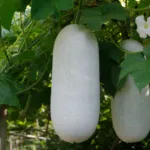 White gourd (Benincasa hispida) care guideBenincasa hispida
 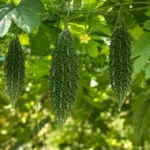 Bitter Gourd (Momordica charantia) care guideMomordica charantia
 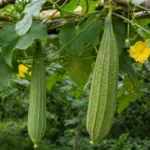 Sponge Gourd (Luffa aegyptiaca) care guideLuffa aegyptiaca