
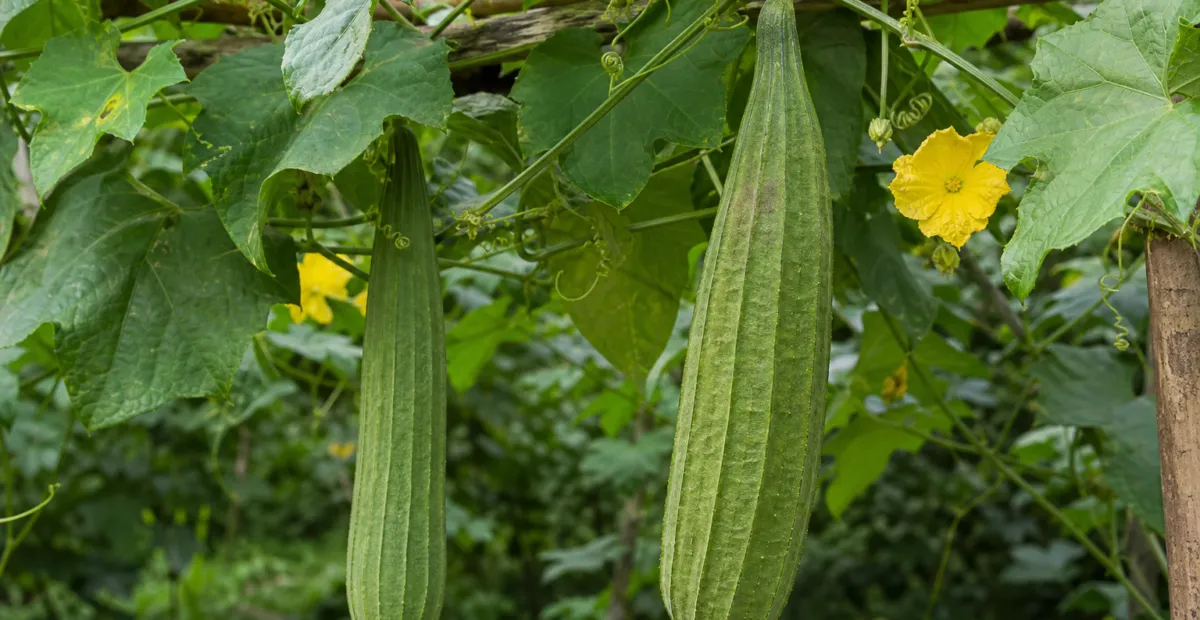
 AI-generated illustration
Sponge Gourd (Luffa aegyptiaca) short overview
Sponge Gourd (Luffa aegyptiaca) is a fast-growing, warm-season annual vine with large lobed leaves, yellow male and female flowers, and elongated green fruits. Harvest the young fruits as a vegetable, or leave them on the vine until mature and dry to produce the familiar fibrous loofah sponge. In U.S. gardens, it performs best in full sun, rich soil, regular moisture, and a long frost-free season with sturdy support.
Taxonomic classification
Sponge Gourd (Luffa aegyptiaca) care guide
Light and placement
Give the vine at least 8 hours of direct sun, ideally against a south- or west-facing trellis. Strong light supports flowering and fruit development; inadequate light produces long, weak growth and fewer female flowers. Harsh reflected heat is usually tolerated if roots remain evenly moist, but scorched leaf margins or midday wilt indicate heat and water stress rather than a need for shade.
Watering and humidity
Water deeply whenever the upper inch of soil begins to dry, aiming for steady moisture during flowering and fruit enlargement. Mulch the root zone to reduce rapid drying, but keep mulch away from the stem. Increase frequency during hot, windy weather and container culture; reduce only when cool weather slows growth. Avoid frequent shallow sprinkling, which encourages foliar disease.
Soil and growing medium
Use fertile, moisture-retentive but well-drained soil with plenty of compost. Loam or sandy loam works well; avoid compacted ground that stays waterlogged around the roots. A slightly acidic to neutral soil is suitable, although the plant tolerates a broader pH range when fertility and drainage are good.
Feeding
Mix finished compost into the planting area before sowing. Once vines begin active growth, feed with a balanced vegetable fertilizer according to the product label, then repeat during flowering or heavy fruit production if growth is pale or weak. Do not overfeed with nitrogen, which can produce lush foliage at the expense of flowers and fruit.
Growth and habit
This vigorous annual tendril vine climbs by coiling around nearby support. It can cover a trellis quickly in hot weather and may keep producing flowers and fruit until cold weather stops growth. Early training, strong support, and regular harvesting help prevent tangled growth and reduce fruit weight on weak structures.
Planting and repotting
Start seeds indoors about 4–6 weeks before the local last frost, or sow directly after the soil has warmed. Plant seeds about 1 inch deep and provide a trellis before vigorous growth begins. Set plants roughly 18–36 inches apart, depending on trellis design and cultivar vigor. Harden transplants carefully to prevent shock.
Avoid repeated repotting because the young roots dislike disturbance. If started indoors, transplant once seedlings have two or three true leaves, harden them off gradually, and move them into the garden only after frost danger has passed. Choose a container at least 15 gallons with drainage if growing in a pot.
Propagation and pruning
Propagation
Propagate from mature seed. Sow indoors in biodegradable pots or directly outdoors after warm weather arrives. Scarification or a short soak may improve emergence when seed coats are hard, but avoid damaging the embryo. Keep the seed mix warm and evenly moist until germination.
Pruning
Guide young shoots onto the trellis and remove damaged or diseased foliage promptly. Once the vine has reached the useful growing area, selectively shorten excessive side growth to improve access and airflow. Harvesting mature or unwanted fruits also reduces weight on the support. Avoid severe pruning during peak flowering unless necessary.
Overwintering
The vine is killed by frost. Harvest usable mature fruits before the first freeze, remove spent vines after cleanup, and save fully mature seed only from healthy plants. In most U.S. climates it is more practical to re-sow each spring than to overwinter the plant indoors.
Uses
Harvest young fruits as a cooked vegetable when still tender. Allow fruits to mature and dry for a fibrous loofah sponge used for bathing, cleaning, crafts, and some horticultural applications. The vine is also useful as a seasonal trellis covering and as a flower source for insects. Do not make medicinal claims from traditional-use references without clinical evidence.
Appearance
The vine has tendrils, rough-textured stems, and large alternate leaves that are shallowly to deeply lobed, resembling other cucurbits. Flowers are bright yellow and distinctly separated into male and female types. Fruits are smooth, green, cylindrical gourds that turn brown and papery as they mature, revealing a fibrous internal network when cleaned.
Flowering
This monoecious vine bears separate male and female flowers on the same plant. Male flowers usually occur in small racemes, while female flowers are borne singly and have a conspicuous immature fruit beneath the bloom. Yellow flowers appear during the warm growing season, and successful pollination is followed by rapid fruit enlargement.
Pollination and visitors
The open yellow flowers are visited by a range of insects, including bees, bumblebees, hoverflies, and beetles. Because male and female flowers are separate, insect movement between flowers supports fruit set; hand pollination can help when insect activity is low.
Luffa aegyptiaca photos
Click any photo for a larger view. Source, author and license are shown separately.
Diseases and pests
Diseases
Prevent disease by using clean seed, rotating cucurbit crops, watering at the soil line, and allowing good airflow. Watch for powdery mildew, downy mildew, angular leaf spot, and other cucurbit foliar diseases. Remove badly affected leaves and avoid working among wet plants; use a locally labeled treatment only when needed.
Pests
Inspect undersides of leaves for cucumber beetles, squash bugs, aphids, spider mites, and leafminers. Use floating row cover over young plants where practical, remove pests by hand, encourage beneficial insects, and keep vines vigorous through consistent watering. Avoid broad-spectrum insecticides during flowering because they can harm visiting pollinators.
Related diseases and pests
Only Plant Doctor profiles whose host data indicate this plant may be affected are shown here.
 DiseaseCucurbit Downy MildewPseudoperonospora cubensis (Berk. & M.A. Curtis) Rostovzev
 Environmental stressPotassium deficiency
 DiseaseCucurbit AnthracnoseColletotrichum orbiculare
 DiseaseCucurbit Powdery MildewPodosphaera xanthii (Castagne) U. Braun & Shishkoff
 PestBroad mitePolyphagotarsonemus latus (Banks)
 DiseaseMaple powdery mildewSawadaea bicornis
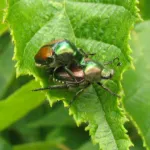 PestJapanese beetlePopillia japonica
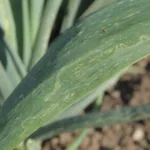 PestAllium leafminerPhytomyza gymnostoma Loew
Toxicity and pollen
No strong, species-specific evidence of serious human or companion-animal toxicity was identified in the reviewed authoritative sources. Young fruits are used as food when correctly identified and prepared, while mature fibrous fruits are used as sponges. Avoid ingesting unfamiliar plant parts or bitter fruits; bitterness in cucurbits can signal cucurbitacins and warrants discarding the fruit.
- Typical season
- Summer to early fall
- Pollination / pollen
- Insect-dispersed pollen
Luffa produces pollen in its male flowers, but reliable U.S.-specific airborne pollen measurements and clinical allergy data for this species are scarce. The flowers are primarily insect visited, so garden exposure is likely localized rather than comparable to highly wind-pollinated plants; sensitive people should still avoid direct contact if symptoms occur.
Native habitat
The species is associated with warm tropical and subtropical environments and is widely cultivated beyond its native Asian range. It favors sunny sites, warm soils, a long growing season, and reliable moisture. In the United States it is commonly grown as a frost-sensitive summer vegetable and fiber crop rather than as a permanent landscape plant.
Interesting fact
The mature fruit contains a fibrous vascular network that becomes a natural scrub sponge after the skin, pulp, and seeds are removed. The species is monoecious, producing separate male and female flowers on one vine. Young fruits are edible, while fully mature fruits are primarily valued for fiber. The species is closely associated with the commercial and household use of loofah sponges.
Frequently asked questions (FAQ)
The most relevant questions about this plant, with short and direct answers.
🌱Quick care
What is Luffa aegyptiaca called in the United States?⌄
Luffa aegyptiaca is commonly called Sponge Gourd in the United States. It is also widely known as luffa or loofah, especially when referring to the dried fibrous interior used as a sponge.
Is Sponge Gourd a vine or a bush?⌄
Sponge Gourd is a vigorous annual climbing vine. Its stems can grow more than 20 feet long, so it needs substantial vertical support.
Can Sponge Gourd be used as a bath sponge?⌄
Yes, the fully mature dried fruit contains a tough fibrous network that can be processed into a natural bath or cleaning sponge. Remove the hard skin, seeds, and plant residue before use.
🌤️Environment and placement
How much sunlight does Sponge Gourd need?⌄
Sponge Gourd needs full sun, ideally at least 6–8 hours of direct sunlight daily. Strong light supports vigorous vines, flowering, and fruit development.
Is Sponge Gourd frost hardy?⌄
Sponge Gourd is frost tender and cannot tolerate freezing temperatures. Plant it outdoors only after the danger of frost has passed and the soil has warmed.
What USDA zones can grow Sponge Gourd?⌄
Sponge Gourd grows most reliably as a warm-season annual in USDA Zones 7–11, provided it has a long frost-free season. Gardeners in cooler zones can start seeds indoors to extend the growing season.
What temperature does Sponge Gourd need to grow well?⌄
Sponge Gourd grows best in consistently warm weather, with warm soil and daytime temperatures above about 70°F. Cool conditions can delay germination, flowering, and fruit production.
What kind of soil is best for Sponge Gourd?⌄
Use fertile, well-drained loam or sandy loam enriched with organic matter. Slightly acidic to slightly alkaline soil is generally suitable, but poor drainage can cause root and fruit problems.
💧Care and problems
How often should I water Sponge Gourd?⌄
Water Sponge Gourd regularly to keep the soil consistently moist but not soggy. Vines and developing fruits need especially steady moisture during hot, dry weather.
Does Sponge Gourd need fertilizer?⌄
Sponge Gourd benefits from fertile soil and a soil-test-based feeding plan, with a balanced slow-release fertilizer used when needed. Avoid excessive nitrogen because it can promote leaves and vines at the expense of female flowers and fruit.
Why is my Sponge Gourd growing leaves but not fruit?⌄
Excess nitrogen, insufficient sunlight, cool weather, or poor pollination can cause abundant vine growth with little fruit. Give the plant full sun, avoid overfertilizing, and check that female flowers are being pollinated.
Why are my Sponge Gourd fruits rotting?⌄
Sponge Gourd fruits commonly rot when they rest on wet soil or remain poorly ventilated. Grow the vine on a trellis, keep fruit off the ground, and remove damaged fruits promptly.
What pests commonly affect Sponge Gourd?⌄
Leafminers are a commonly reported pest of Sponge Gourd, and other cucurbit pests may occur locally. Monitor leaves regularly and contact your county Extension office if damage spreads or the plant declines.
🪴Planting and repotting
Does Sponge Gourd need a trellis?⌄
Yes, Sponge Gourd should be grown on a strong trellis, fence, or similar support. A vertical structure at least 6 feet tall helps manage the long vines and encourages straighter fruits.
How much space does Sponge Gourd need?⌄
Space Sponge Gourd plants about 3 feet apart, with roughly 6 feet between rows when growing several plants. Allow extra room for the vine to climb and spread across its support.
Can Sponge Gourd grow in a container?⌄
Sponge Gourd can grow in a container holding about 2–5 gallons, but a larger container is better for vigorous plants. The container must have drainage and a sturdy trellis or fence nearby.
When should I plant Sponge Gourd seeds?⌄
Direct-sow Sponge Gourd seeds after the last frost, once the soil is warm. In much of the United States, this is typically mid-spring, although timing varies by local climate.
Should I start Sponge Gourd seeds indoors?⌄
Start Sponge Gourd seeds indoors 4–6 weeks before your expected outdoor planting date if your growing season is short. Transplant carefully because young cucurbit roots can be disturbed easily.
How deep should Sponge Gourd seeds be planted?⌄
Plant Sponge Gourd seeds about 1 inch deep in warm, evenly moist soil. Germination is more reliable when the seed-starting medium remains warm rather than cool or waterlogged.
✂️Propagation and pruning
How do you save Sponge Gourd seeds?⌄
Allow a fruit intended for seed saving to mature fully and dry on the vine when possible. Remove the seeds from the dried fruit, clean off debris, dry them thoroughly, and store them in a cool, dry place.
Can Sponge Gourd be propagated from cuttings?⌄
Sponge Gourd is normally propagated from seeds rather than cuttings. Saving viable seeds from fully mature fruits is the most practical method for home gardeners.
Do Sponge Gourd vines need pruning?⌄
Routine pruning is not usually necessary, but removing damaged growth and redirecting wayward vines can improve access and airflow. Train the main vines onto their support while they are still young and flexible.
⚠️Toxicity and safety
Can you eat Sponge Gourd?⌄
Yes, young Sponge Gourd fruits can be eaten and prepared like summer squash or cucumber. Do not eat fruits that taste distinctly bitter, because pronounced bitterness may indicate potentially harmful cucurbitacins.
Is Sponge Gourd poisonous to people or pets?⌄
No specific serious toxicity is generally documented for the plant, but bitter Sponge Gourd fruits should not be eaten. Bitter taste can signal elevated cucurbitacins, which may cause gastrointestinal illness.
What should I do if Sponge Gourd tastes bitter?⌄
Discard Sponge Gourd that tastes strongly bitter rather than cooking or eating it. Cooking does not reliably make potentially high cucurbitacin levels safe.
🌸Flowering and special interest
Why does my Sponge Gourd have flowers but no fruit?⌄
Sponge Gourd produces separate male and female flowers, and fruit forms only when pollen reaches a female flower. If pollinators are scarce, transfer pollen from a newly opened male flower to the center of a female flower by hand.
How can I tell male and female Sponge Gourd flowers apart?⌄
Female flowers have a small swelling resembling a tiny fruit directly behind the flower, while male flowers grow on slender stems without that swelling. Both flowers are typically yellow and open during the warm growing season.
When does Sponge Gourd flower?⌄
Sponge Gourd flowers during the warm growing season after the vine has established. Flowering and fruit set are strongest when the plant receives full sun, adequate moisture, and consistently warm temperatures.
When should I harvest Sponge Gourd for eating?⌄
Harvest Sponge Gourd for eating while the fruit is young, green, and tender, usually before it reaches about 6–7 inches long. Older fruits become fibrous and are better suited for making sponges.
When should I harvest Sponge Gourd to make a loofah sponge?⌄
Harvest Sponge Gourd for a sponge when the fruit is fully mature and its skin begins turning brown, drying, or pulling away from the fibers. The fruit generally needs about 90–110 days to mature, depending on growing conditions.
How do you turn a Sponge Gourd into a loofah sponge?⌄
Let the mature fruit dry, then soak it in warm water until the outer skin softens enough to peel away. Remove the seeds and pulp, rinse the fibrous interior thoroughly, and allow it to dry completely before use.
How long does Sponge Gourd take to produce a sponge?⌄
Sponge Gourd commonly needs about 90–110 days from planting to reach sponge maturity, although the timing depends on variety, temperature, sunlight, and frost-free season length.
Similar plants
 Azure Monkshood (Aconitum carmichaelii) care guideAconitum carmichaelii
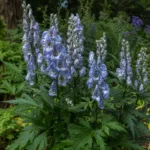 Monkshood (Aconitum ‘Stainless Steel’)Aconitum 'Stainless Steel'
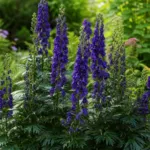 Monkshood (Aconitum ‘Bressingham Spire’)Aconitum 'Bressingham Spire'
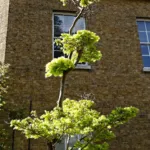 Golden full moon maple (Acer shirasawanum ‘Aureum’)Acer shirasawanum 'Aureum'
 Globosum (Acer platanoides ‘Globosum’)Acer platanoides 'Globosum'
 Striped maple (Acer pensylvanicum) care guideAcer pensylvanicum