
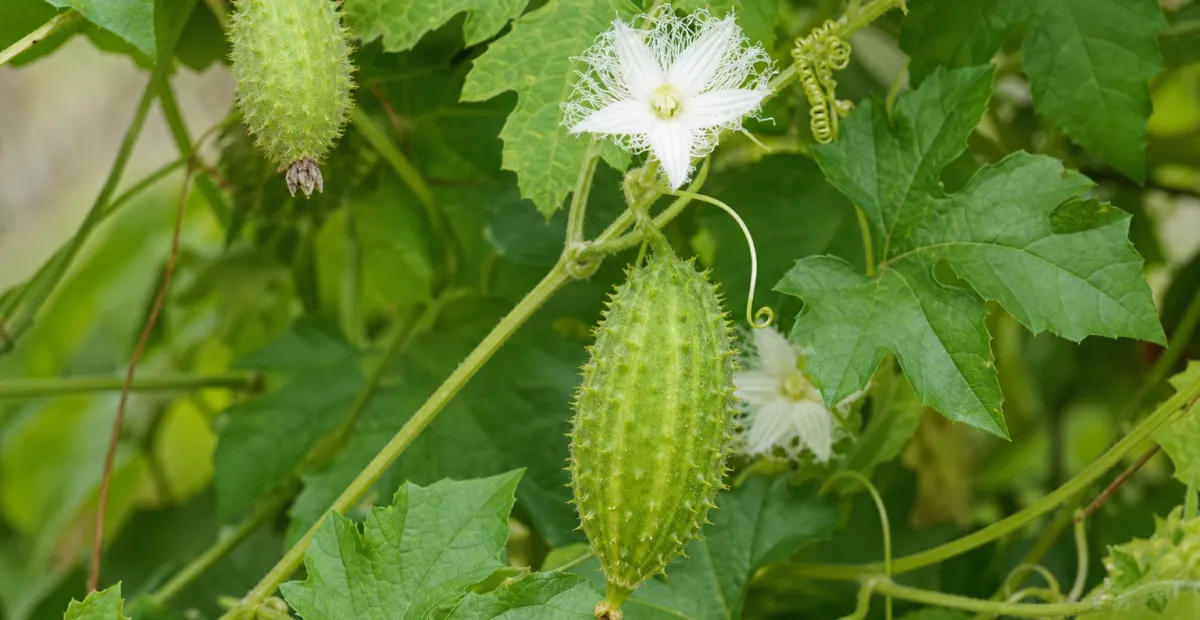
CAIGUA (Cyclanthera pedata) short overview
CAIGUA (Cyclanthera pedata) is a vigorous climbing cucurbit cultivated for its hollow, soft-skinned fruits, which are commonly cooked as a vegetable while young. Native from southern Mexico through tropical South America, it thrives in warm weather, fertile well-drained soil, steady moisture, and a sturdy trellis. In the United States it is usually grown as a fast annual, with seed started indoors where summers are short and plants protected from frost.
Taxonomic classification
CAIGUA (Cyclanthera pedata) care guide
Light and placement
Give full sun in cooler or moderate-summer regions, ideally with a south- or southwest-facing trellis and shelter from cold wind. In very hot climates, light afternoon shade can reduce leaf scorch. Sparse, stretched growth and weak flowering suggest inadequate light; bleached or wilted foliage suggests excessive heat, drought, or intense reflected sun rather than simple shade intolerance.
Watering and humidity
Keep soil evenly moist but never saturated. Water deeply when the upper inch of soil begins to dry, directing water to the root zone and mulching after the soil warms. Increase frequency during flowering, fruit enlargement, heat, and container culture; reduce only when cool weather slows growth. Good airflow matters more than unusually high humidity.
Soil and growing medium
Use fertile, moisture-retentive but well-drained loam enriched with compost. Avoid compacted clay and sites that remain waterlogged, because the vine is susceptible to poor-root-zone conditions. A slightly acidic to neutral reaction is suitable; published cultivation information also indicates tolerance of more acidic soil, but maintaining a near-neutral garden soil is a practical target.
Feeding
Incorporate finished compost before planting. Once vines establish, feed lightly with a balanced vegetable fertilizer according to the product label, especially in containers or poor soil. Avoid excessive nitrogen, which can produce lush foliage with weaker flowering and fruiting. Stop routine feeding late in the season as growth slows.
Growth and habit
A vigorous twining vine with tendrils that climbs readily when given a trellis, fence, or arbor. Growth is rapid during warm weather and can become difficult to manage if support is added late. Train young shoots early, tie stems loosely when needed, and harvest frequently to encourage continued production.
Planting and repotting
Plant after the danger of frost has passed and soil is reliably warm. Sow about 1 inch deep, or start seeds indoors roughly 3–4 weeks before transplanting. Harden seedlings gradually, then provide support immediately. Allow about 3–4 feet between plants where trained vertically; wider spacing may be needed if vines are left to spread.
Transplant only while the plant is small and before roots become crowded. Use a deep container with drainage holes and move the root ball intact, because mature cucurbit vines resent root disturbance. Container-grown plants may need a final pot of at least 5 gallons, plus a trellis strong enough for a vigorous climber.
Propagation and pruning
Propagation
Propagate from seed. Sow fresh seed in warm mix about 1 inch deep; germination and early growth are more reliable with bottom heat or consistently warm soil. Transplant young seedlings carefully after hardening. Documented vegetative propagation is not established as a standard home-garden method.
Pruning
Prune only to guide the vine, remove damaged growth, or keep pathways and neighboring plants clear. Pinching or shortening overly vigorous shoots can improve manageability, but heavy pruning may reduce flowering and fruiting. Remove spent or diseased foliage promptly and sanitize tools between diseased plants.
Overwintering
Protect from frost; the plant is normally grown as a warm-season annual in the United States. In Zones 9–11, a sheltered site may extend the season, but dependable perennial overwintering is not established for ordinary gardens. Container plants can be moved indoors before cold weather, though low winter light and pest pressure may make overwintering difficult.
Uses
Primarily a vegetable crop: young fruits may be cooked, stuffed, boiled, sautéed, or used in other preparations after removing unwanted internal seed structures as appropriate. The vigorous vine also provides seasonal vertical foliage and unusual fruits for edible gardens. Use a trellis rather than allowing uncontrolled spread, and do not make medicinal claims from traditional use alone.
Appearance
The plant has slender herbaceous stems, unbranched or lightly branched tendrils, and alternate palmately lobed leaves. Small pale flowers occur near the leaf axils. Young fruits are green, hollow, and typically ovoid to somewhat curved or angular, with a soft surface that distinguishes this species from many spiny cucurbits.
Flowering
This monoecious vine bears separate male and female flowers on the same plant. Male flowers occur in small axillary racemes or panicles, while female flowers are generally solitary near the leaf axils. Flowers are small and pale yellow to greenish, with flowering commonly beginning in summer and continuing into early fall under warm conditions.
Pollination and visitors
The species is described as insect-pollinated and produces separate male and female flowers on the same plant. General insect visitation is documented, but dependable evidence identifying one principal pollinator species for United States gardens is lacking. Avoid insecticides on open flowers and provide nearby flowering habitat when fruit set is important.
Cyclanthera pedata photos
Click any photo for a larger view. Source, author and license are shown separately.
Diseases and pests
Diseases
Prevent disease by using clean seed, rotating away from cucurbits, providing good air movement, and watering at the soil surface rather than wetting foliage. Remove badly affected leaves and discard severely diseased plants. Exact disease susceptibility varies with climate and cultivar; monitor for common cucurbit fungal and bacterial problems rather than applying routine broad-spectrum treatments.
Pests
Check regularly for aphids, cucumber beetles, squash bugs, spider mites, and whiteflies. Use row cover over young plants where appropriate, inspect leaf undersides, hand-remove larger pests, and use insecticidal soap only according to its label when monitoring shows a need. Avoid spraying open flowers to reduce harm to visiting insects.
Toxicity and pollen
The young fruits are documented as edible vegetables, but reliable authoritative evidence for toxicity of all plant parts, including leaves, seeds, and immature versus mature fruit, is limited. Eat only correctly identified, properly prepared fruit from a known edible form, and avoid using concentrated medicinal preparations without professional guidance. Wash produce and discard spoiled or unusually bitter material.
- Typical season
- Late spring through early fall where grown outdoors
- Pollination / pollen
- Primarily insect-carried pollen
This is an insect-pollinated flowering vine, so its pollen is generally released from exposed anthers and transported mainly by flower visitors rather than dispersed broadly by wind. Species-specific U.S. airborne-pollen monitoring and clinical allergy data were not found. People with known cucurbit or occupational plant allergies should still limit direct exposure and use ordinary garden precautions.
Native habitat
The species is native to tropical and subtropical parts of the Americas, from southern Mexico through Central America and the Andes to northwestern Argentina. It occurs in seasonally dry tropical settings and is also associated with disturbed ground and cultivated areas. In cultivation it prefers warmth, fertile soil, steady moisture, and good drainage.
Interesting fact
The species is accepted taxonomically and belongs to the gourd family, Cucurbitaceae. Its native range extends from southern Mexico to northwestern Argentina. It is cultivated primarily for its edible fruit, and the fruits are distinctive among cucurbits for their hollow interior and soft, often smooth surface. The plant is monoecious, carrying separate male and female flowers on the same vine.
Frequently asked questions (FAQ)
The most relevant questions about this plant, with short and direct answers.
🌱Quick care
What is CAIGUA (Cyclanthera pedata)?⌄
CAIGUA is a fast-growing climbing vine in the Cucurbitaceae family, cultivated for its edible, cucumber-like fruits. It is also known as an Andean vegetable and is usually grown as a warm-season annual in the United States.
Is CAIGUA easy to grow?⌄
CAIGUA is generally easy to grow when given warmth, steady moisture, fertile soil, and a trellis. Its main challenges are frost sensitivity, vigorous vine growth, and the need for a sufficiently long growing season to produce fruit.
How much sun does CAIGUA need?⌄
Grow CAIGUA in full sun for the best growth and fruit production, although it can tolerate partial shade. In very hot climates, light afternoon shade may help reduce heat and water stress.
How often should I water CAIGUA?⌄
Water CAIGUA whenever the soil surface begins to dry, keeping the root zone consistently moist but not waterlogged. Container-grown vines may need more frequent watering because their soil dries out faster.
How do you harvest CAIGUA?⌄
Harvest CAIGUA fruits while they are still young and tender, before the skin becomes tough and the seeds mature heavily. Pick regularly with scissors or a knife to avoid damaging the vine and to encourage continued production.
How should CAIGUA fruit be prepared?⌄
Young CAIGUA fruit can be eaten fresh or cooked, while mature fruit is often hollowed out and stuffed before cooking. Wash the fruit, remove the seeds when appropriate, and cook it as you would a mild summer vegetable.
🌤️Environment and placement
Can CAIGUA grow in containers?⌄
CAIGUA can grow in a large container if it has fertile, well-drained soil, consistent moisture, and a strong support structure. Choose a deep container with drainage holes and allow ample room for the vigorous vine and its roots.
Does CAIGUA need a trellis?⌄
Yes, CAIGUA grows best with a trellis, fence, or other sturdy support. Its climbing stems and tendrils can become heavy with foliage and fruit, so flimsy supports may bend or collapse.
How large does a CAIGUA vine get?⌄
CAIGUA is a vigorous climbing vine that can grow several feet long and may reach roughly 10 to 15 feet under favorable conditions. Provide vertical space or guide it along a sturdy fence or trellis.
What soil is best for CAIGUA?⌄
The best soil for CAIGUA is fertile, well-drained loam enriched with organic matter. Avoid heavy, poorly drained soil because constantly wet roots can reduce vigor and increase the risk of root problems.
Can I grow CAIGUA in partial shade?⌄
CAIGUA can tolerate partial shade, but fruiting is usually better with several hours of direct sunlight. In partial shade, expect slower growth or fewer fruits, especially where the growing season is short.
What USDA zones can grow CAIGUA?⌄
CAIGUA is frost-tender and is best grown outdoors after the danger of frost has passed. In much of the United States it is treated as a warm-season annual, while gardeners in frost-free areas may grow it for longer periods.
💧Care and problems
Why is my CAIGUA growing leaves but not fruit?⌄
CAIGUA may produce abundant foliage without fruit because of insufficient sunlight, excess nitrogen, heat or moisture stress, or poor pollination. Give it strong support, steady watering, and avoid overfertilizing with high-nitrogen products.
Does CAIGUA need fertilizer?⌄
CAIGUA benefits from fertile soil and a moderate, balanced fertilizer during active growth. Excess nitrogen can encourage leaves and vines at the expense of flowers and fruit, so avoid repeated heavy applications.
What should I do if CAIGUA wilts?⌄
Check the soil first and water deeply if it is dry, because CAIGUA needs consistent moisture. If the soil is wet, inspect the roots and improve drainage rather than watering more, since waterlogged conditions can also cause wilting.
Why are my CAIGUA leaves turning yellow?⌄
Yellow leaves may result from overwatering, poor drainage, nutrient deficiency, or natural aging of older foliage. Check soil moisture and drainage before adding fertilizer, and remove severely damaged leaves if the problem continues.
Does CAIGUA have common pests or diseases?⌄
CAIGUA can be affected by the same general pest and disease pressures as other cucurbits, including aphids, mites, whiteflies, powdery mildew, and downy mildew. Good airflow, weed control, regular inspection, and avoiding wet foliage overnight can help limit problems.
🪴Planting and repotting
When should I plant CAIGUA seeds in the United States?⌄
Start CAIGUA seeds indoors several weeks before the expected last spring frost, or sow them outdoors once the soil and weather are reliably warm. Transplant only after frost danger has passed because the vine is frost-tender.
How deep should CAIGUA seeds be planted?⌄
Plant CAIGUA seeds about 1 inch deep in moist, well-drained seed-starting mix or garden soil. Keep them warm and evenly moist while they germinate, and avoid saturated conditions that may cause rotting.
Can CAIGUA be transplanted?⌄
CAIGUA can be transplanted, but it may pause briefly after being moved. Start seeds in individual containers, disturb the roots as little as possible, and transplant the young vine before it becomes root-bound.
✂️Propagation and pruning
How do you propagate CAIGUA?⌄
CAIGUA is most commonly propagated from seed. Save mature, fully developed seeds from healthy fruit, keep them dry and cool, and sow them during the next warm growing season.
Should I prune CAIGUA?⌄
Routine pruning is usually unnecessary, but light trimming can help direct the vine, remove damaged growth, or keep it from overtaking nearby plants. Avoid severe pruning during flowering and fruit development unless space is limited.
⚠️Toxicity and safety
Are CAIGUA fruits edible?⌄
Young CAIGUA fruits are documented as edible and may be eaten raw or cooked, while larger mature fruits are commonly prepared as a cooked vegetable. Use correctly identified plants and discard fruit that is spoiled or unusually bitter.
Can you eat CAIGUA seeds?⌄
The seeds of mature CAIGUA fruits are generally removed before cooking, especially when the fruit is being stuffed. Reliable evidence about eating large quantities of the seeds is limited, so remove them unless a trusted culinary source recommends otherwise.
Are CAIGUA leaves and stems edible?⌄
Young shoots and leaves have been reported as edible in some traditional food uses, but the available evidence is less consistent than for the young fruit. For safety, treat the fruit as the documented edible portion unless you have a reliable regional food reference.
Is CAIGUA poisonous to pets?⌄
CAIGUA’s toxicity to dogs, cats, and other pets is not well established. Because safety data are limited, prevent pets from consuming the plant and contact a veterinarian or poison-control service if ingestion causes symptoms.
🌸Flowering and special interest
When does CAIGUA flower?⌄
CAIGUA produces small, inconspicuous flowers along its climbing stems, often after the vine has established substantial growth. The timing varies with cultivar, temperature, day length, and growing conditions.
Does CAIGUA need hand pollination?⌄
CAIGUA usually produces separate male and female flowers on the same plant and can set fruit through normal pollination. If flowers appear but fruit fails to develop, hand-pollination may help where insect activity is low.
How long does CAIGUA take to produce fruit?⌄
CAIGUA may begin producing harvestable fruit roughly three months from seed under favorable conditions, although timing varies substantially by cultivar and climate. Short seasons, cool weather, transplant stress, or poor pollination can delay production.
Similar plants
 Scarlet gourd (Coccinia grandis) care guideCoccinia grandis
  White gourd (Benincasa hispida) care guideBenincasa hispida
  Calabash (Lagenaria siceraria) care guideLagenaria siceraria
 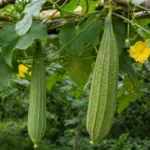 Sponge Gourd (Luffa aegyptiaca) care guideLuffa aegyptiaca
 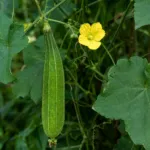 Silk gourd (Luffa acutangula) care guideLuffa acutangula
 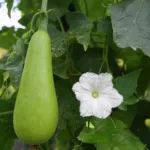 Benincasa fistulosa care guideBenincasa fistulosa