
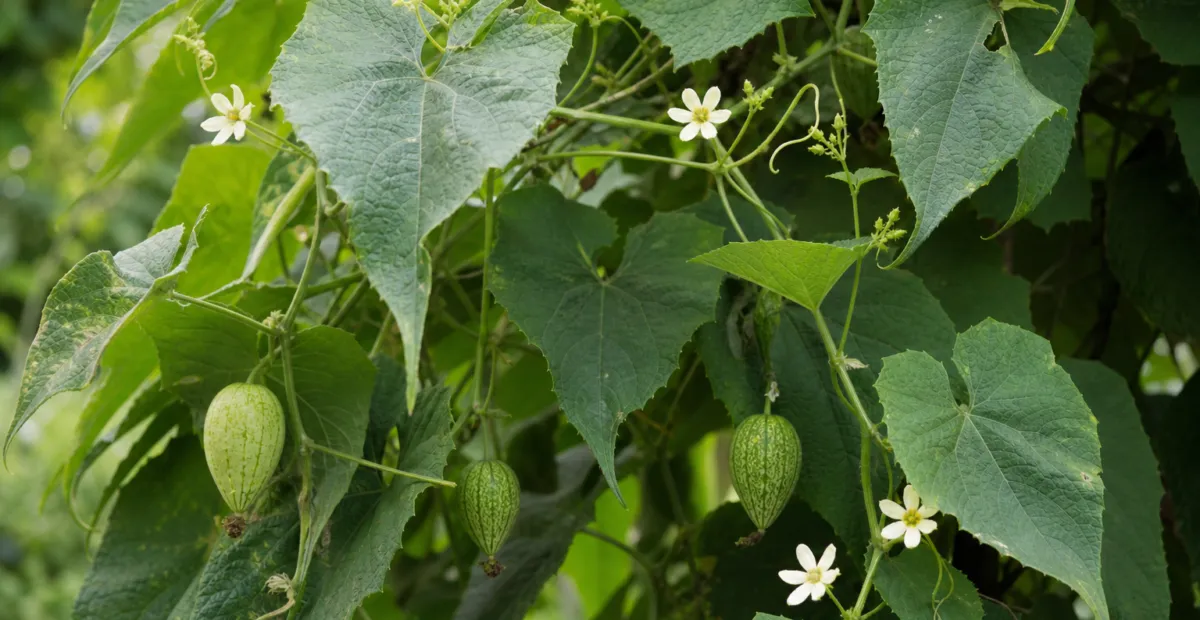
Musk cucumber (Sicana odorifera) short overview
Musk cucumber (Sicana odorifera) is a vigorous tropical vine in the gourd family, grown for its unusual fragrance, large yellow flowers and elongated fruits with aromatic orange-yellow flesh. Native to tropical South America, it can become a substantial climber in warm, frost-free regions. In most of the United States, grow it in full sun as a summer annual or in a large container that can be protected indoors before cold weather.
Taxonomic classification
Musk cucumber (Sicana odorifera) care guide
Light and placement
Give full sun, ideally 8 or more hours of direct light in a warm, sheltered position. A south-facing wall, fence or unobstructed trellis is useful in cooler U.S. gardens. Pale, weak growth and poor flowering suggest insufficient light; scorched leaves or severe midday wilt may indicate excessive heat combined with inadequate water rather than too much light alone.
Watering and humidity
Water deeply when the upper inch of soil begins to dry, keeping the root zone consistently moist during active growth and fruit formation. Reduce frequency in cool weather, but do not allow container plants to dry repeatedly. Water at the soil line in the morning and maintain airflow; humidity is helpful, while saturated soil is not.
Soil and growing medium
Use fertile, moisture-retentive but well-drained soil amended with compost. A loamy mix with good organic matter supports vigorous vine growth, while standing water can damage the roots. Slightly acidic to neutral conditions are suitable; avoid compacted soil and poorly drained sites.
Feeding
Before planting, incorporate finished compost. Once the vine is established, feed during active growth with a balanced vegetable fertilizer at label strength, repeating only as needed according to plant vigor and soil fertility. Avoid heavy nitrogen after flowering begins, since excessive leafy growth can delay fruiting.
Growth and habit
A vigorous, twining vine that needs early support and room to climb. Warmth, long days and consistent moisture promote rapid extension and fruit development. In short-season regions, starting plants indoors and using dark heat-absorbing supports or a protected wall may improve performance.
Planting and repotting
Plant outdoors only after the danger of frost has passed and soil is thoroughly warm. Set plants at the same depth as they grew in their containers, provide a strong trellis before the vine becomes heavy, and allow generous spacing for the long climbing stems. Harden indoor-grown plants gradually before planting out.
Start seedlings in individual pots and move them into a large final container before the roots become crowded. Transplant with the root ball intact because vigorous cucurbit roots dislike repeated disturbance. Choose a container with drainage holes, substantial soil volume and a sturdy trellis.
Propagation and pruning
Propagation
Usually propagated by seed. Sow in warm conditions after the last expected frost, or start indoors several weeks earlier. Use fresh, viable seed in a sterile, well-drained medium and transplant young plants carefully once they are actively growing. Reliable vegetative propagation guidance was not found.
Pruning
Guide young stems onto the trellis and remove damaged or diseased growth promptly. Once the plant has filled its support, selectively shorten excessively wandering shoots to keep paths and neighboring plants clear. Avoid severe pruning during drought, transplant shock or cold stress.
Overwintering
Move container plants indoors before nighttime temperatures approach 50°F. Provide the brightest available light, reduce watering as growth slows and inspect carefully for pests. In frost-free climates, protect the crown and roots from unusual cold with mulch and shelter, but do not expose the vine to freezing temperatures.
Uses
Grown as an unusual edible fruit crop, ornamental climber and fragrant conversation plant. Ripe fruits may be eaten fresh or preserved, while immature fruits are reported as suitable for cooking. Provide a strong support structure and do not present traditional medicinal claims as proven treatments.
Appearance
The vine has thick, fleshy, angled stems, branched tendrils and large green leaves divided into several palmate lobes. Solitary yellow, bell-shaped flowers appear among the foliage. Fruits are smooth, firm and elongated, with mature skins reported in dark reddish, purplish or orange-brown tones and aromatic yellow-orange flesh.
Flowering
This monoecious cucurbit bears separate male and female flowers on the same plant. The flowers are solitary, fleshy and bell-shaped, with yellow corollas that may show a darker central area. Flowering depends strongly on warmth and vigorous growth; reliable outdoor timing in the United States is not well documented.
Pollination and visitors
The flowers are structurally typical of a monoecious cucurbit, but reliable species-specific documentation of animal visitors or pollinators was not located. Do not assign a particular bee, butterfly or other visitor without stronger evidence.
Sicana odorifera photos
Click any photo for a larger view. Source, author and license are shown separately.
Diseases and pests
Diseases
Avoid overhead irrigation, improve air circulation and remove badly affected foliage. Cucurbit vines may develop fungal or bacterial leaf diseases, and published records document zucchini yellow mosaic virus infecting Sicana odorifera. Remove and destroy severely diseased plants rather than propagating from them, and manage insect vectors where identified.
Pests
Inspect new growth and leaf undersides for aphids, whiteflies, spider mites and cucumber beetles. Use row covers on young plants where appropriate, remove pests with water or hand-picking, and encourage beneficial insects. Diagnose virus symptoms before treating; insect control can reduce spread but may not cure infected plants.
Toxicity and pollen
The ripe fruit is documented as edible in ethnobotanical and horticultural sources, and immature fruit is reported as a cooked vegetable. However, comprehensive human and veterinary toxicity studies were not located. Eat only correctly identified, properly ripe fruit and avoid medicinal use or ingestion of concentrated plant extracts without professional guidance.
- Typical season
- No reliable United States exposure season documented
- Pollination / pollen
- Insect-associated pollen; airborne relevance not established
As an insect-pollinated flowering vine, its pollen is not expected to disperse as broadly as wind-borne pollen, but species-specific allergenicity studies were not located. Sensitive gardeners should avoid handling flowers or foliage if symptoms occur and rely on personal medical advice.
Native habitat
Plants of the World Online places the accepted species in wet tropical habitats of Peru to Bolivia, with additional cultivated or naturalized records reported elsewhere in tropical America. It is associated with forest, woodland and shrubland contexts and generally requires warm conditions, reliable moisture and fertile soils.
Interesting fact
The species is monoecious, producing separate male and female flowers on one plant. Its fruits are unusually long, firm and strongly aromatic. Adhesive pads on the tendrils help the vine attach to smooth supports. Historical accounts describe the fragrant fruits being kept with clothing and linen.
Frequently asked questions (FAQ)
The most relevant questions about this plant, with short and direct answers.
🌱Quick care
What is Sicana odorifera called in the United States?⌄
Sicana odorifera is commonly called musk cucumber in English. It is a vigorous tropical vine in the Cucurbitaceae family, grown for its fragrant, melon-like fruit.
Is Sicana odorifera a cucumber?⌄
Sicana odorifera is not the common garden cucumber, although its fruit resembles a large cucumber. It is a separate tropical cucurbit vine with sweet, aromatic flesh when mature.
How fast does Sicana odorifera grow?⌄
Sicana odorifera is a fast-growing vine that can become very large during a warm growing season. Give it substantial support and enough space to spread.
Is Sicana odorifera perennial or annual?⌄
Sicana odorifera is a tropical herbaceous perennial vine in frost-free climates. In most of the United States, freezing weather causes it to behave as an annual unless it is protected indoors.
🌤️Environment and placement
How much sunlight does Sicana odorifera need?⌄
Grow Sicana odorifera in full sun for the strongest growth and best chance of fruit ripening. In very hot climates, light afternoon shade may help reduce heat stress, but too much shade can limit flowering and fruit production.
What USDA hardiness zones can grow Sicana odorifera?⌄
Sicana odorifera is frost tender and is best grown outdoors year-round only in warm, frost-free parts of the United States. In cooler areas, grow it as a warm-season annual or move it indoors before temperatures approach freezing.
Can Sicana odorifera survive winter outdoors?⌄
Sicana odorifera generally cannot survive freezing temperatures outdoors. In areas with frost, protect it in a greenhouse or container, or treat it as an annual.
Can you grow Sicana odorifera in a container?⌄
You can grow Sicana odorifera in a large container if it receives full sun, consistent moisture, fertile soil, and strong trellising. Container plants may remain smaller and require more frequent watering than plants grown in the ground.
How much space does Sicana odorifera need?⌄
Sicana odorifera needs ample vertical and horizontal room because its vines can become exceptionally long. Allow enough space for a sturdy trellis, airflow, and the weight of mature fruit.
What kind of support does Sicana odorifera need?⌄
Provide Sicana odorifera with a strong trellis, arbor, or other structure that can support a vigorous vine and heavy fruit. Do not rely on a weak decorative support that may collapse under the plant’s weight.
💧Care and problems
How often should you water Sicana odorifera?⌄
Keep Sicana odorifera evenly moist throughout active growth, especially during hot weather and fruit development. Water deeply when the surface begins to dry, but avoid constantly waterlogged soil.
What soil is best for Sicana odorifera?⌄
Plant Sicana odorifera in fertile, rich, well-drained loam. Incorporating finished compost can improve fertility and moisture retention without sacrificing drainage.
Why are Sicana odorifera leaves turning yellow?⌄
Yellow leaves on Sicana odorifera may result from overwatering, poor drainage, nutrient shortage, root stress, or naturally aging foliage. Check soil moisture and drainage first, then inspect the plant for pests and signs of root damage.
Why is my Sicana odorifera not growing?⌄
Slow growth is commonly caused by cool temperatures, insufficient sunlight, dry soil, poor fertility, or root restriction. Sicana odorifera grows most vigorously when temperatures are consistently warm and the soil remains evenly moist.
Does Sicana odorifera need fertilizer?⌄
Sicana odorifera benefits from fertile soil and regular feeding during active growth. Apply a balanced fertilizer according to its label, avoiding excessive nitrogen that may produce leaves and vines at the expense of flowers and fruit.
What pests affect Sicana odorifera?⌄
Sicana odorifera can be affected by common cucurbit pests such as aphids, whiteflies, spider mites, cucumber beetles, and squash-related insect pests. Inspect leaves and stems regularly and use the least-toxic control appropriate for the pest.
Can you prune Sicana odorifera?⌄
You can prune Sicana odorifera to guide its vines, remove damaged growth, improve access, and keep it within bounds. Avoid heavy pruning during flowering or fruit development unless necessary for plant health or safety.
🪴Planting and repotting
When should you plant Sicana odorifera in the United States?⌄
Plant Sicana odorifera outdoors after the last spring frost when the soil and weather are reliably warm. In short-season regions, start seeds indoors several weeks early so the vine has more time to mature and fruit.
How do you plant Sicana odorifera seeds?⌄
Sow Sicana odorifera seeds in warm, well-drained seed-starting mix and keep them evenly moist in bright light. Transplant seedlings carefully after frost danger has passed because the young roots and stems can be sensitive to cold.
Can Sicana odorifera be transplanted?⌄
Sicana odorifera can be transplanted while young, but it may resent root disturbance. Use a biodegradable pot or handle the root ball gently, and transplant only after outdoor conditions are warm.
✂️Propagation and pruning
How do you propagate Sicana odorifera?⌄
Sicana odorifera is most commonly propagated from seeds taken from mature fruit. Sow fresh, cleaned seeds in warm conditions, because cool soil can delay or prevent germination.
Can you grow Sicana odorifera from cuttings?⌄
Seed propagation is the better-documented method for Sicana odorifera. Reliable species-specific guidance for rooting cuttings is limited, so cutting propagation should be treated as experimental.
⚠️Toxicity and safety
Is Sicana odorifera poisonous to people or pets?⌄
Species-specific toxicity evidence for Sicana odorifera is insufficient to confirm safety for people or pets. Do not let children or animals consume unidentified plant parts, seeds, or fruit, and seek professional advice if ingestion occurs.
Is Sicana odorifera fruit edible?⌄
Ripe Sicana odorifera fruit is traditionally used as a food and has sweet, aromatic, melon-like flesh. Because species-specific safety information is limited, eat only correctly identified, fully mature fruit from a trusted source.
How do you know when Sicana odorifera fruit is ripe?⌄
A ripe Sicana odorifera fruit typically develops mature coloration and a strong, sweet fragrance. Fruit should be fully developed before eating, while immature fruit may be used differently in traditional cooking.
🌸Flowering and special interest
When does Sicana odorifera flower?⌄
Sicana odorifera flowers during warm active growth, often after the vine has developed substantial foliage. The exact timing depends on temperature, day length, plant age, and growing conditions.
What do Sicana odorifera flowers look like?⌄
Sicana odorifera produces solitary, showy, yellow, bell-shaped flowers. The plant bears separate male and female flowers on the same vine.
Why is Sicana odorifera flowering but not producing fruit?⌄
Poor fruit set may result from inadequate pollination, excessive heat or cool weather, insufficient sunlight, or a plant that has not matured enough. Hand-pollinating female flowers with pollen from male flowers may help when pollinating insects are scarce.
How long does Sicana odorifera fruit take to ripen?⌄
Sicana odorifera needs a long, warm growing season for its large fruit to mature and develop its characteristic fragrance. In cool or short-season climates, fruit may remain immature unless the plant is started early and protected.
Similar plants
 Spiny gourd or spine gourd or teasle gourd and also known as bristly balsam pea (Momordica dioica) care guideMomordica dioica
  White gourd (Benincasa hispida) care guideBenincasa hispida
  Calabash (Lagenaria siceraria) care guideLagenaria siceraria
 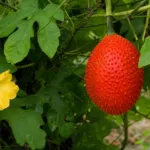 Gac (Momordica cochinchinensis) care guideMomordica cochinchinensis
 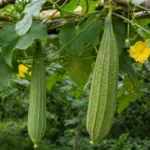 Sponge Gourd (Luffa aegyptiaca) care guideLuffa aegyptiaca
 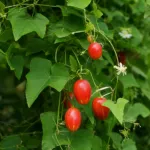 Scarlet gourd (Coccinia grandis) care guideCoccinia grandis