
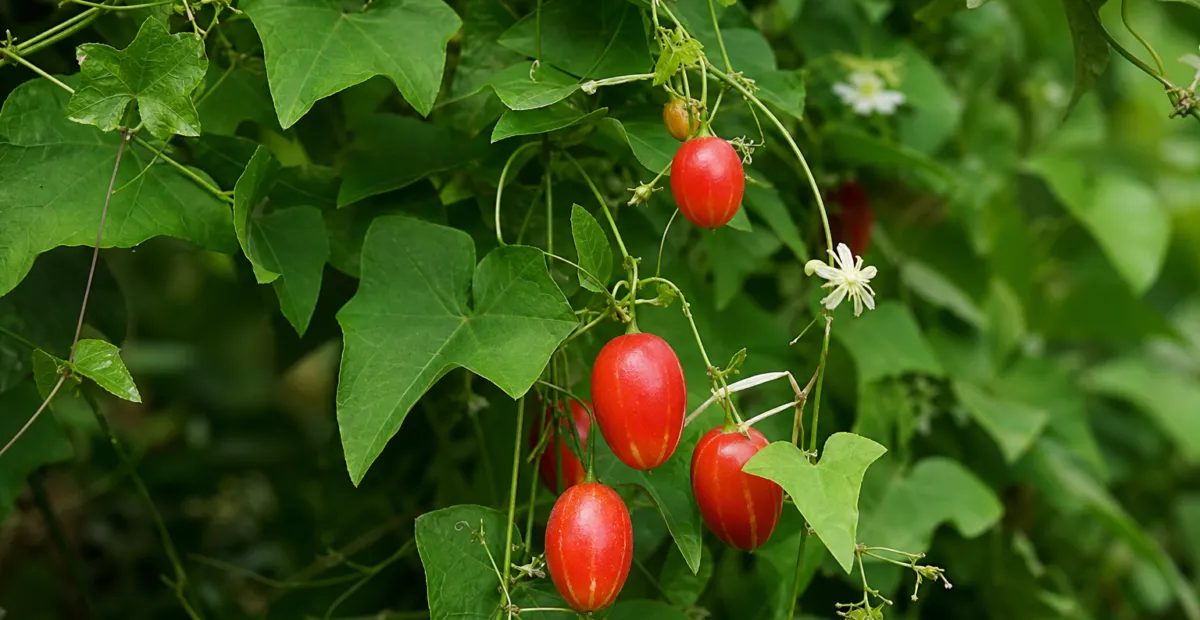
 AI-generated illustration
Scarlet gourd (Coccinia grandis) short overview
Scarlet gourd (Coccinia grandis) is a vigorous tropical climbing vine in the cucumber family. Its angular, lobed leaves, small white flowers, and striped fruits give it both ornamental and culinary interest. Young fruits are commonly cooked as a vegetable in regions where the plant is grown for food. In the United States, it needs a long, warm season and is best grown in a large container or protected garden, with winter protection and careful control of spreading stems.
Taxonomic classification
Scarlet gourd (Coccinia grandis) care guide
Light and placement
Give full sun, ideally 6–8 hours of direct light daily, with the trellis positioned where the vine receives strong morning and afternoon sun. A south- or west-facing site is suitable in the United States, provided containers do not overheat and dry excessively. Sparse, stretched stems and small leaves indicate inadequate light; scorched leaves or abrupt wilt can indicate excessive heat at the root zone or drought.
Watering and humidity
Water deeply when the top inch of soil begins to dry, then allow excess water to drain completely. During hot weather and fruit development, check containers daily because vigorous vines can deplete moisture quickly. Reduce watering in cool weather and after the vine is cut back, but do not let the root ball remain bone dry for long periods. Keep foliage relatively dry and provide airflow to reduce disease pressure.
Soil and growing medium
Use fertile, humus-rich soil that holds steady moisture without remaining saturated. A loamy mix amended with compost and coarse material for drainage is suitable in containers. Slightly acidic to neutral conditions are appropriate; avoid compacted clay and persistently waterlogged sites, which can restrict roots and encourage rot.
Feeding
Feed during active warm-season growth with a balanced, water-soluble fertilizer at half strength every 2 to 4 weeks, or use a moderate compost amendment and a controlled-release product. Avoid heavy nitrogen once flowering begins because it can produce excessive vine growth with reduced fruiting. Do not fertilize dry, wilted, recently transplanted, or dormant plants.
Growth and habit
A fast, twining vine that climbs by tendrils and can rapidly cover supports in hot weather. Regular training keeps stems on the trellis, improves access for harvesting, and reduces the chance of rooting or spreading into nearby vegetation. Its perennial tuberous root system can support regrowth where winters are mild.
Planting and repotting
Plant outdoors only after frost danger has passed and nights are consistently warm. Set nursery plants at the same depth they were growing, or sow seed about 1/2 inch deep in warm soil. Provide roughly 3 to 6 feet between plants when space allows, and install a strong trellis before vigorous stems begin climbing.
Repot container plants in spring when roots fill the pot or growth becomes congested. Move up only one pot size, use a sturdy trellis or cage during the same operation, and avoid damaging the tuberous root system. Refresh part of the growing medium rather than repeatedly placing a small plant into an oversized, wet container.
Propagation and pruning
Propagation
Propagate from fresh seed or stem cuttings. Sow seed in warmth after the last frost or start it indoors several weeks earlier. Semi-mature cuttings can root in a clean, evenly moist medium under warm, bright conditions. Because plants may be male or female, retain several seedlings or cuttings if fruit production is important.
Pruning
Train young stems onto the support and remove weak, damaged, or unwanted shoots throughout the growing season. After harvest or before moving a container indoors, cut back excessive length while retaining healthy framework stems. In frost-free areas, hard pruning can be used to contain spread, but dispose of cuttings securely because viable pieces may root.
Overwintering
In USDA Zones 9 and colder, bring container plants indoors before temperatures fall below about 50°F. Cut back long stems, inspect carefully for pests, and place the plant in the brightest warm location available. Water sparingly through winter. In frost-free climates, protect the root zone from unusual cold and remove damaged top growth after cold events.
Uses
Young fruits are used as a cooked vegetable and may be pickled in cuisines where the plant is cultivated. The vine can also serve as a warm-climate ornamental screen or trellis plant. Because it is a vigorous perennial climber and is reported as introduced in parts of the United States, grow it only where permitted and prevent escape from cultivation.
Appearance
The vine has slender, green to slightly woody stems with tendrils and alternate, glossy leaves that are commonly cordate to shallowly palmately lobed. Axillary white flowers contrast with elongated fruits marked by pale stripes when immature. Fruits become orange-red to red as they mature, making the plant identifiable even after flowering has declined.
Flowering
This species bears small, star-shaped white flowers on separate male and female plants, so fruit production generally requires compatible plants of both sexes. Flowering is favored by heat and active vine growth. Flowers arise from the leaf axils and may be followed by elongated, cucumber-like fruits that mature from green to red.
Pollination and visitors
The white, open flowers are visited by small insect visitors, including bees and hoverflies, but species-specific pollination records are limited in readily accessible sources. Separate male and female plants make compatible flowering plants important for reliable fruit set.
Coccinia grandis photos
Click any photo for a larger view. Source, author and license are shown separately.
Diseases and pests
Diseases
Watch for fungal leaf spots, powdery mildew, downy mildew, and root problems in poorly drained soil. Improve air circulation, water at the soil surface, remove badly affected leaves, sanitize tools, and avoid working among wet plants. Persistent decline or stem collapse may indicate excess moisture or root disease; discard severely affected container plants rather than reusing contaminated medium.
Pests
Common cucurbit pests may include aphids, whiteflies, spider mites, thrips, cucumber beetles, and caterpillars. Inspect shoot tips and leaf undersides regularly, remove light infestations with water or hand-picking, and use insecticidal soap only when necessary and according to its label. Control dense growth and weeds because the vine can shelter pests and spread beyond its intended support.
Related diseases and pests
Only Plant Doctor profiles whose host data indicate this plant may be affected are shown here.
 DiseaseMaple powdery mildewSawadaea bicornis
 DiseaseCucurbit Downy MildewPseudoperonospora cubensis (Berk. & M.A. Curtis) Rostovzev
 DiseaseCucurbit Powdery MildewPodosphaera xanthii (Castagne) U. Braun & Shishkoff
 DiseaseRose powdery mildewPodosphaera pannosa
 PestOnion thripsThrips tabaci Lindeman
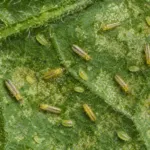 PestMelon thripsThrips palmi Karny
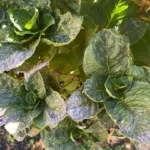 PestChilli thripsScirtothrips dorsalis Hood
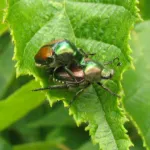 PestJapanese beetlePopillia japonica
Toxicity and pollen
Reliable authoritative sources support food use of the young fruits, but toxicity data for all plant parts and for pets or children are limited. Do not treat unverified leaves, roots, mature fruit, or homemade extracts as automatically safe. Eat only correctly identified, properly prepared produce from a known edible source, and keep vigorous vines and fruit away from animals that may chew unfamiliar plants.
- Typical season
- During flowering in warm weather
- Pollination / pollen
- Insect-transferred pollen
The flowers produce pollen, but this insect-pollinated vine is not widely documented as a significant airborne-allergy plant in the United States. Local exposure can still vary, especially where vines flower abundantly. People with strong pollen sensitivity should avoid handling flowering material during peak bloom and monitor personal symptoms.
Native habitat
Native populations occur across seasonally dry tropical regions of Africa, the western Arabian Peninsula, and tropical to subtropical Asia. It grows in warm climates, often in disturbed vegetation, woodland edges, thickets, and cultivated landscapes. Fertile soils with seasonal moisture and a frost-free growing period favor establishment.
Interesting fact
Coccinia grandis is a tuberous geophyte, allowing it to persist through unfavorable seasons in its native climate. It is dioecious, with male and female flowers on separate plants. The species has a wide native range spanning tropical Africa, the Arabian Peninsula, and tropical to subtropical Asia, and it has also been introduced in several tropical and subtropical regions.
Frequently asked questions (FAQ)
The most relevant questions about this plant, with short and direct answers.
🌱Quick care
What is Coccinia grandis?⌄
Coccinia grandis, commonly called scarlet gourd, is a fast-growing tropical climbing vine in the cucumber family, Cucurbitaceae. It produces tendrils, white flowers, striped green fruits, and scarlet-red ripe fruits.
How much light does scarlet gourd need?⌄
Scarlet gourd needs full sun for the strongest growth and best flowering. Give it at least 6 hours of direct sunlight daily, although light afternoon shade can help in extremely hot climates.
How often should I water Coccinia grandis?⌄
Water scarlet gourd whenever the soil surface begins to dry, keeping the root zone evenly moist but not waterlogged. Container plants may need more frequent watering during hot, dry weather.
Is scarlet gourd frost hardy?⌄
No, scarlet gourd is frost tender and can be damaged or killed by freezing temperatures. Grow it outdoors only during warm weather in colder regions, and move container plants indoors before the first expected frost.
🌤️Environment and placement
What soil is best for Coccinia grandis?⌄
Scarlet gourd grows best in fertile, humus-rich, well-drained loam that retains some moisture without becoming soggy. Incorporate compost before planting if the soil is compacted, sandy, or low in organic matter.
Can scarlet gourd grow in a container?⌄
Yes, scarlet gourd can grow in a large container with drainage holes and a sturdy trellis. Use a fertile potting mix, keep the plant evenly watered, and expect to manage its vigorous climbing growth.
Does Coccinia grandis need a trellis?⌄
Yes, a sturdy trellis, fence, arbor, or other support is strongly recommended because scarlet gourd is a climbing vine. Install the support before the stems become tangled or heavy with foliage and fruit.
Can scarlet gourd grow indoors?⌄
Scarlet gourd can be overwintered indoors near a bright, sunny window or under a grow light. Indoor plants need warmth, good air circulation, a container with drainage, and regular pruning to control their size.
Where can scarlet gourd grow outdoors in the United States?⌄
Scarlet gourd is best suited to frost-free or nearly frost-free parts of the United States, especially warm subtropical and tropical areas. In colder regions, grow it as a seasonal container plant or bring it indoors for winter.
💧Care and problems
Why are the leaves of my Coccinia grandis turning yellow?⌄
Yellow leaves on scarlet gourd commonly result from overwatering, poor drainage, insufficient light, or normal aging of older foliage. Check that excess water drains freely and that the plant receives strong direct light.
Why is my scarlet gourd growing leaves but not fruit?⌄
Scarlet gourd may fail to fruit because it is dioecious, meaning male and female flowers occur on separate plants. A single plant may produce flowers without fruit, so successful seed production generally requires compatible male and female plants.
How fast does Coccinia grandis grow?⌄
Scarlet gourd is a vigorous, fast-growing vine when given warmth, full sun, moisture, and fertile soil. Growth slows significantly in cool conditions, low light, drought, or after exposure to frost.
Why is my scarlet gourd wilting?⌄
Wilting usually indicates underwatering, root damage, excessive heat, or waterlogged soil. Water deeply when the surface dries, but inspect the roots and drainage if the plant remains wilted despite consistently moist soil.
How do I control an overgrown scarlet gourd vine?⌄
Control scarlet gourd by shortening long side shoots and removing weak, damaged, or unwanted stems during active growth. Prune selectively so the plant retains healthy leaves and flowering branches rather than cutting it back indiscriminately.
🪴Planting and repotting
When should I plant scarlet gourd outdoors?⌄
Plant scarlet gourd outdoors only after the danger of frost has passed and nighttime temperatures remain reliably warm. Choose the warmest part of the growing season and provide immediate trellis support.
How deep should I plant Coccinia grandis seeds?⌄
Plant scarlet gourd seeds shallowly, about one-quarter to one-half inch deep, in warm, moist seed-starting mix. Keep the container bright and warm, and avoid saturating the mix while waiting for germination.
How large should a container be for scarlet gourd?⌄
Use a container at least 5 gallons in size for one scarlet gourd plant, with larger containers preferred for vigorous vines or long-term growth. The pot must have drainage holes and room for a stable trellis.
✂️Propagation and pruning
How do you propagate Coccinia grandis?⌄
Scarlet gourd can be propagated from seeds or semi-woody stem cuttings. Cuttings are often the more practical choice because seedlings may be male or female and the plant’s separate sexes can make fruit production unpredictable.
How do I grow scarlet gourd from stem cuttings?⌄
Take a healthy, approximately 4-inch semi-woody cutting, remove the lower leaves, and place it in a moist, well-drained rooting medium. Keep it warm and humid in bright indirect light until roots and new growth develop.
Can I grow scarlet gourd from a ripe fruit?⌄
Yes, seeds can be collected from a fully ripe scarlet gourd fruit and cleaned before sowing. Germination and fruiting are not guaranteed from one seedling because male and female plants are separate.
⚠️Toxicity and safety
Is Coccinia grandis poisonous to people or pets?⌄
The toxicity of Coccinia grandis to people and pets is not well established, so treat the plant as potentially unsafe to ingest. Keep it away from children and animals, and contact a poison center or veterinarian if any part is eaten.
Can I use scarlet gourd as an herbal diabetes treatment?⌄
No, scarlet gourd should not be used as a substitute for prescribed diabetes treatment. Traditional and laboratory research exists, but evidence about safe, effective dosing and interactions is insufficient; consult a healthcare professional before consuming it medicinally.
Is scarlet gourd invasive in the United States?⌄
Scarlet gourd can behave aggressively in warm, frost-free environments and is invasive in some tropical regions, including parts of the United States. Check state and local regulations before planting, prevent fruit and stem spread, and remove escaped vines promptly.
🌸Flowering and special interest
What do scarlet gourd flowers look like?⌄
Scarlet gourd produces small, white, five-petaled, bell-shaped flowers along its side branches. Male and female flowers look similar but occur on separate plants, and only female flowers can develop into fruit.
Why does my Coccinia grandis flower but not produce fruit?⌄
Flowering without fruit usually means the plant is male, no compatible female plant is nearby, or pollination has not occurred. Growing several plants and encouraging bees can improve the chance of obtaining fruit.
When does scarlet gourd fruit turn red?⌄
Scarlet gourd fruits begin green, often with pale stripes, and turn red or scarlet as they ripen. Harvest timing depends on whether you want tender green fruits for cooking or fully colored fruits for seed collection and ornamental value.
Are scarlet gourd fruits edible?⌄
Young scarlet gourd fruits are traditionally eaten cooked, and some sources also describe ripe fruits and tender shoots as edible. Because whole-plant safety evidence is limited and varieties may differ, do not eat unidentified or bitter fruits and seek qualified local guidance before consumption.
Similar plants
 Azure Monkshood (Aconitum carmichaelii) care guideAconitum carmichaelii
 Monkshood (Aconitum ‘Stainless Steel’)Aconitum 'Stainless Steel'
 Monkshood (Aconitum ‘Bressingham Spire’)Aconitum 'Bressingham Spire'
 Golden full moon maple (Acer shirasawanum ‘Aureum’)Acer shirasawanum 'Aureum'
 Globosum (Acer platanoides ‘Globosum’)Acer platanoides 'Globosum'
 Striped maple (Acer pensylvanicum) care guideAcer pensylvanicum