
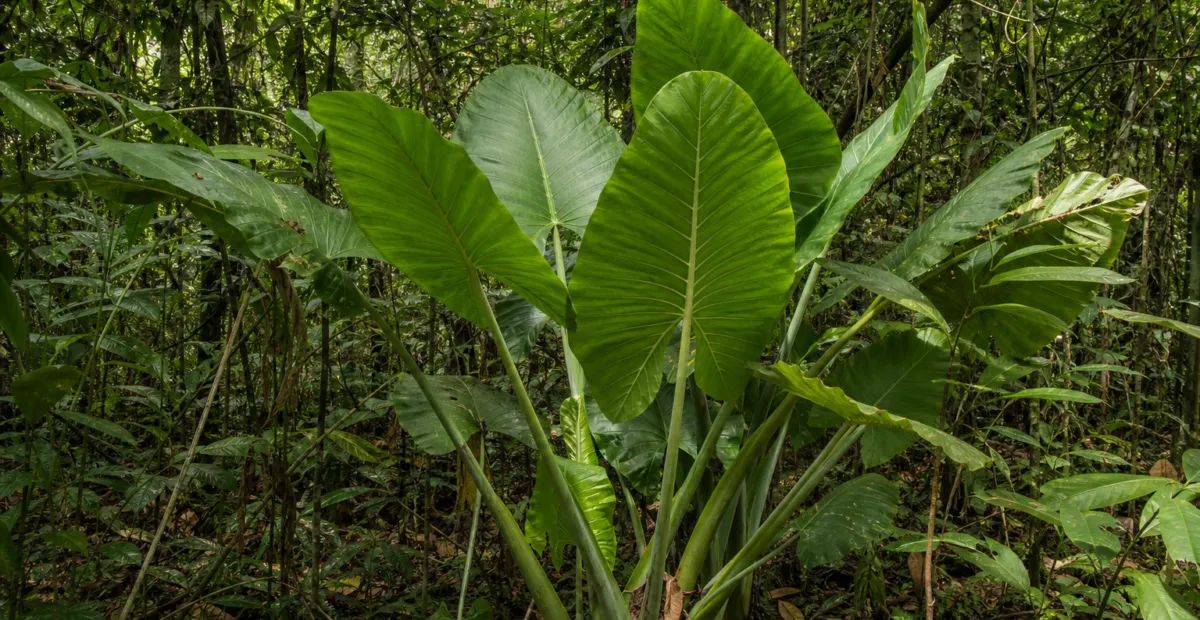
 AI-generated illustration
Alocasia robusta short overview
Alocasia robusta M.Hotta is a spectacular Bornean aroid with a stout, sometimes tree-like stem and enormous undivided, arrow-shaped leaves. In suitable tropical conditions it can become a several-meter giant, while cultivated plants usually remain much smaller. It prefers warmth, high humidity, bright filtered light, and an airy medium that stays evenly moist without becoming stagnant. All parts should be treated as poisonous if chewed.
Taxonomic classification
Alocasia robusta care guide
Light and placement
Provide bright filtered light or gentle partial shade, such as an east-facing window, a bright greenhouse bench, or filtered tropical canopy light. Protect mature leaves from intense unfiltered midday and afternoon sun, which can scorch them. Insufficient light causes slower growth, weak petioles, smaller leaves, and yellowing; excessive light can bleach or brown the foliage.
Watering and humidity
Water thoroughly when the upper layer begins to dry, then allow excess to drain completely. Keep the root zone evenly moist during warm active growth, but never leave the pot standing in water. Reduce frequency in cool or dim winter conditions without allowing the corm or roots to become bone-dry. Humidity supports foliage quality, but airflow is essential.
Soil and growing medium
Use a coarse, airy aroid mix containing bark, coarse perlite or pumice, and moisture-holding organic material. The medium should drain rapidly while retaining some moisture around the roots. A slightly acidic to neutral reaction is suitable; avoid dense, waterlogged compost and compacted garden soil.
Feeding
Feed only during active growth, using a complete balanced fertilizer diluted to about one-quarter to one-half of the label strength every 2–4 weeks. Apply to already-moist medium and flush periodically to limit salt buildup. Reduce or stop feeding during cool, dim, or visibly dormant periods.
Growth and habit
This is a large, long-lived tropical aroid with a crown of huge leaves and a stout stem that may become arborescent. Growth is strongest in sustained warmth, high humidity, bright filtered light, and consistently moist but aerated media. Provide structural support and enough room for the petioles and blades to expand; avoid repeated root disturbance.
Planting and repotting
Plant outdoors only in frost-free, humid climates and after consistently warm weather has begun. Set the root mass or division at its former depth, keeping the crown above the medium. Provide generous clearance from paths and structures because mature leaves and petioles can become exceptionally large.
Repot only when the container is clearly crowded or the medium has degraded. Choose a stable pot with excellent drainage and disturb the roots as little as practical. For very large specimens, top-dress or replace the upper medium rather than attempting frequent full repotting.
Propagation and pruning
Propagation
Propagation is most plausibly by division of established basal or rhizomatous growth; seed is possible after successful pollination but is rarely available. Divide during warm, actively growing conditions, keep cuts clean and dry briefly, and maintain high humidity without saturating the medium.
Pruning
Remove yellowing, damaged, or diseased leaves at the base with clean, sharp tools. Do not routinely cut healthy foliage or trim leaf margins for appearance. Clean sap from tools and skin promptly, and wear gloves because Alocasia tissues contain irritating compounds.
Overwintering
Treat it as a tropical plant in the United States. Move containers indoors or into a heated greenhouse before temperatures approach 50°F. Keep it in bright light, warm air, and reduced-but-consistent moisture through winter. Avoid cold windows, drafts, and wet soil in low light, which greatly increase rot risk.
Uses
Primarily a botanical-collection, conservatory, greenhouse, and large-scale tropical foliage plant. Its exceptional leaf size makes it valuable for educational displays and rainforest-themed plantings in frost-free climates. Do not use it as food; preparation practices reported for some other Alocasia species should not be generalized to this exact taxon.
Appearance
The species forms a dramatic crown of enormous sagittate to arrow-shaped leaves on very stout, smooth, sometimes glaucous petioles. Mature blades are mid-green above and notably waxy or blue-green beneath, with strong primary veins. The stem can become thick and trunk-like, giving some plants a palmiform or arborescent appearance.
Flowering
Like other Alocasia, it produces a spathe-and-spadix inflorescence rather than a showy conventional flower. Documented descriptions report crowded inflorescences near the crown, with a pale lower spathe and a darker pinkish to purplish upper limb. Flowering is uncommon in ordinary indoor culture and a dependable US flowering season is not established.
Pollination and visitors
A specific pollinator for Alocasia robusta was not located in reliable sources. Alocasia inflorescences can have specialized insect interactions, but visitor records for this exact species are insufficient for a confident pollinator assignment.
Diseases and pests
Diseases
Prevent problems by using a free-draining medium, avoiding chronically saturated roots, and providing air movement. Watch for soft stem or corm tissue, rapidly yellowing leaves, and foul-smelling media, which can indicate rot. Remove affected tissue with sterile tools and correct the moisture problem; isolate symptomatic plants.
Pests
Check undersides of leaves and new growth for spider mites, thrips, scale, mealybugs, and aphids. Maintain humidity and airflow, inspect new plants before bringing them indoors, and treat early infestations with washing, manual removal, or a labeled horticultural product used according to its instructions.
Related diseases and pests
Only Plant Doctor profiles whose host data indicate this plant may be affected are shown here.
 DiseaseRhizopus soft rotRhizopus stolonifer
 DiseaseBacterial soft rotPectobacterium carotovorum
 PestMealy Plum AphidHyalopterus pruni (Geoffroy, 1762)
 PestOnion thripsThrips tabaci Lindeman
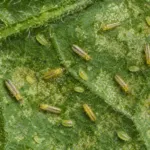 PestMelon thripsThrips palmi Karny
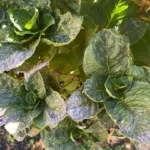 PestChilli thripsScirtothrips dorsalis Hood
 DiseaseAster yellows‘Candidatus Phytoplasma asteris’
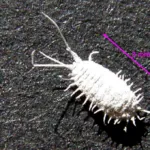 PestObscure mealybugPseudococcus viburni
Toxicity and pollen
Species-specific clinical toxicity data for Alocasia robusta are limited, but Alocasia is a calcium-oxalate-bearing genus. Chewing can cause immediate mouth and throat irritation, pain, swelling, drooling, vomiting, and difficulty swallowing. Wear gloves when handling damaged tissue, keep plant debris away from children and pets, and seek poison-control or veterinary advice after ingestion.
- Pollination / pollen
- Pollen produced inside the spadix floral chamber; airborne relevance unknown
Reliable data on airborne pollen exposure from Alocasia robusta are lacking. The plant is not generally grown for abundant exposed pollen, but flowering specimens can release pollen within the floral chamber. People with significant plant allergies should avoid handling inflorescences and monitor personal reactions.
Native habitat
Native to Borneo and associated with wet tropical environments, including disturbed open places, river margins, canopy gaps, and lowland to lower-montane forest settings. It favors humid climates and moisture-available soils, but successful cultivation still depends on drainage around the roots.
Interesting fact
Alocasia robusta is accepted as a distinct species by Kew and is native to Borneo. It is described as a gigantic herb capable of reaching about 6 m in favorable habitat. Its mature leaf blades are among the largest known for an undivided herbaceous leaf. The sap is reported to turn orange rapidly after exposure to air.
Frequently asked questions (FAQ)
The most relevant questions about this plant, with short and direct answers.
🌱Quick care
How do you care for Alocasia robusta indoors?⌄
Give Alocasia robusta bright filtered light, evenly moist but well-drained soil, warmth, and moderate-to-high humidity. Keep it away from cold drafts and never leave the pot standing in water.
Is Alocasia robusta easy to grow as a houseplant?⌄
Alocasia robusta is best for gardeners who can provide steady warmth, humidity, and moisture control. It is less forgiving of cold, stagnant soil, and sudden environmental changes than many common houseplants.
How much light does Alocasia robusta need?⌄
Place Alocasia robusta in bright filtered light or light partial shade. Avoid intense midday sun through glass, which can scorch the leaves, but do not keep it in a dim corner.
🌤️Environment and placement
Can Alocasia robusta grow outdoors in the United States?⌄
It can grow outdoors year-round only in frost-free, warm climates with filtered light and consistently moist, well-drained soil. In most of the United States, grow it in a container and bring it indoors before temperatures approach 50°F.
What temperature is too cold for Alocasia robusta?⌄
Protect Alocasia robusta when temperatures fall below about 50°F, because it is frost-tender and may suffer chilling damage. Bring container plants indoors before cold nights rather than waiting for frost.
Does Alocasia robusta need high humidity?⌄
Alocasia robusta grows best with moderate to high humidity, especially indoors during dry winter months. Brown leaf edges, stalled growth, and curling can become more likely when the air is consistently dry.
Where should I place Alocasia robusta in my home?⌄
Set it near a bright east- or west-facing window with filtered light, or use a grow light several feet above the foliage. Keep it away from heating vents, air-conditioning blasts, and cold windows.
Can Alocasia robusta tolerate direct sunlight?⌄
Alocasia robusta may tolerate gentle early-morning sun, but strong direct afternoon sun can bleach or scorch its foliage. Filter intense light with a sheer curtain or place the plant in light partial shade.
💧Care and problems
How often should I water Alocasia robusta?⌄
Water when the upper part of the mix has begun to dry, then soak the root ball thoroughly and let excess drain away. The schedule varies with light, temperature, pot size, and season, so check the soil rather than following a fixed calendar.
Should Alocasia robusta soil dry out completely?⌄
No, Alocasia robusta should not stay completely dry for long periods during active growth. Allow slight surface drying between waterings, but keep the root zone evenly moist without making it constantly saturated.
Why are the leaves of my Alocasia robusta turning yellow?⌄
Yellow leaves commonly result from overly wet soil, poor drainage, low light, or normal aging of an older leaf. Check the roots and pot drainage before watering again, especially if several leaves yellow at once.
Why does Alocasia robusta have brown leaf edges?⌄
Brown edges usually indicate dry air, inconsistent watering, root stress, or excessive fertilizer salts. Increase environmental stability, maintain even moisture, and flush the pot occasionally if fertilizer buildup is suspected.
Why is my Alocasia robusta dropping leaves?⌄
Leaf loss can follow cold exposure, overwatering, underwatering, low light, transplant stress, or seasonal slowdown. Correct the growing conditions and inspect the rhizome and roots for rot if the decline is rapid.
How do I prevent root rot in Alocasia robusta?⌄
Prevent root rot with a pot that has drainage holes and an airy, moisture-retentive aroid mix rather than dense garden soil. Water thoroughly but do not let the container sit in runoff or remain waterlogged.
What pests commonly affect Alocasia robusta?⌄
Spider mites, thrips, mealybugs, and scale can affect Alocasia robusta, particularly when plants are stressed or indoor air is dry. Inspect leaf undersides and new growth regularly, and isolate affected plants promptly.
Should I fertilize Alocasia robusta?⌄
Feed Alocasia robusta lightly during active growth with a balanced houseplant fertilizer diluted according to the product label. Reduce or stop feeding during winter slowdown, dormancy, or periods of root stress.
🪴Planting and repotting
What soil is best for Alocasia robusta?⌄
Use an airy, well-drained, moisture-retentive aroid mix containing components such as quality potting mix, orchid bark, and perlite or another coarse aeration material. The mix should hold moisture while allowing air to reach the roots.
What type of pot does Alocasia robusta need?⌄
Choose a pot with drainage holes that is only slightly larger than the root ball. A stable, heavier container can help support a large plant, but an oversized pot may stay wet too long.
When should I repot Alocasia robusta?⌄
Repot when roots are tightly circling the container, drainage has slowed, or the plant is actively growing and drying out unusually quickly. Spring or early summer is generally the least stressful time for repotting.
Can Alocasia robusta be planted in the ground?⌄
In a warm, frost-free garden, Alocasia robusta can be planted in rich, airy soil with reliable moisture and filtered light. In colder U.S. regions, keep it in a container so it can be moved indoors before temperatures fall.
✂️Propagation and pruning
How do you propagate Alocasia robusta?⌄
Propagate Alocasia robusta by separating established offsets or dividing the rhizome when the plant is actively growing. Each division should have viable roots and, ideally, a visible growth point.
Can Alocasia robusta be propagated from a leaf cutting?⌄
No, a detached leaf cannot normally produce a complete new Alocasia robusta plant because it lacks the required rhizome or growth tissue. Propagation is normally done through offsets, rhizome divisions, or viable corms.
How do I separate Alocasia robusta pups?⌄
Remove the plant from its pot, gently expose the rhizome, and separate a pup only when it has its own roots and a growth point. Replant it in a small airy mix, keep it warm, and maintain light moisture while it establishes.
Can Alocasia robusta grow from corms?⌄
Alocasia robusta may be propagated from viable corms, although success depends on corm maturity and consistently warm, humid conditions. Plant the corm in a lightly moist, airy medium and avoid keeping it waterlogged.
Should I prune Alocasia robusta leaves?⌄
Prune only fully yellow, damaged, or diseased leaves, cutting the petiole close to the base with a clean tool. Do not remove healthy leaves unnecessarily because the plant needs them to build energy for new growth.
⚠️Toxicity and safety
Is Alocasia robusta toxic to cats and dogs?⌄
Yes, Alocasia robusta should be treated as toxic to cats and dogs if chewed or eaten. Keep it out of reach and contact a veterinarian or pet poison service promptly if ingestion is suspected.
Is Alocasia robusta poisonous to people?⌄
Yes, chewing Alocasia robusta can cause painful irritation because Alocasia tissues contain calcium oxalate crystals. Keep it away from children, wear gloves when handling damaged plant material, and seek medical advice after significant exposure.
Can touching Alocasia robusta irritate skin?⌄
The sap and plant tissues may irritate sensitive skin, particularly when the plant is cut or chewed. Wash exposed skin after handling and avoid touching your eyes or mouth until your hands are clean.
🌸Flowering and special interest
Does Alocasia robusta flower?⌄
Yes, Alocasia robusta is a flowering aroid, but its inflorescences are usually less prominent than its foliage and may appear only on mature, vigorous plants. Indoor flowering is possible but not guaranteed.
What does an Alocasia robusta flower look like?⌄
Its flower is an aroid-type inflorescence made of a spathe surrounding a spadix rather than a typical showy flower. It may be partly hidden among the leaf stalks and is generally less ornamental than the large leaves.
Why is my Alocasia robusta flowering instead of making leaves?⌄
Flowering can occur when the plant is mature and receiving favorable warmth, light, water, and nutrition. A temporary pause in leaf production around flowering is not necessarily a problem, but remove the inflorescence if the plant is weak or stressed.
Similar plants
 Azure Monkshood (Aconitum carmichaelii) care guideAconitum carmichaelii
 Monkshood (Aconitum ‘Stainless Steel’)Aconitum 'Stainless Steel'
 Monkshood (Aconitum ‘Bressingham Spire’)Aconitum 'Bressingham Spire'
 Golden full moon maple (Acer shirasawanum ‘Aureum’)Acer shirasawanum 'Aureum'
 Globosum (Acer platanoides ‘Globosum’)Acer platanoides 'Globosum'
 Striped maple (Acer pensylvanicum) care guideAcer pensylvanicum