
 Source:
 He zebra plant or zebrina alocasia (Alocasia zebrina) short overview
Alocasia zebrina, commonly called he zebra plant or zebrina alocasia, is a tropical Philippine aroid grown for its glossy, arrow-shaped leaves and strikingly striped petioles. It performs best as an indoor container plant in bright, indirect light with steady warmth, high humidity, and an airy mix that drains freely while retaining some moisture. Avoid cold drafts, waterlogged soil, and chewing by pets or children.
Taxonomic classification
He zebra plant or zebrina alocasia (Alocasia zebrina) care guide
Light and placement
Provide bright, filtered or indirect light. An east-facing window is usually suitable; near a south- or west-facing window, filter strong midday sun with a sheer curtain or place the plant several feet back. Too much direct sun can bleach or scorch leaves, while too little light causes slower growth, smaller leaves, and leaning toward the window.
Watering and humidity
Water thoroughly when the top inch of mix begins to dry, allowing excess water to drain completely. Keep the substrate lightly and evenly moist during active growth but never saturated. In winter, water less often as light and growth decrease, while maintaining humidity and avoiding complete, prolonged dryness.
Soil and growing medium
Use a loose, airy houseplant substrate based on peat-free mix, coco coir, or fine bark with substantial perlite or pumice. The root zone should hold light moisture but drain rapidly. A slightly acidic to neutral reaction is suitable; avoid dense garden soil and containers without drainage holes.
Feeding
Feed during active spring and summer growth with a complete liquid houseplant fertilizer diluted to about half the label strength every 2–4 weeks. Water first if the mix is dry. Reduce or stop feeding during cool, dim winter conditions or whenever the plant is stressed, recently repotted, or suffering from root problems.
Growth and habit
This species forms an upright clump from a short underground rhizomatous or tuberous base. New leaves emerge successively, and older leaves may decline as the plant produces replacements. Rotate containers periodically for even growth, support top-heavy petioles if needed, and avoid sudden changes in light, temperature, or moisture.
Planting and repotting
Plant or pot up during the warm growing season. Set the root mass at its previous depth, leaving the plant crown clear of the substrate. Allow room for the clump to expand, but avoid oversized containers that stay wet for long periods. Acclimate gradually after moving outdoors.
Repot in spring or early summer when roots fill the container or growth slows. Move up only one pot size, preserve the root ball as much as practical, and use a fresh, airy mix. Ensure the corm or rhizomatous base is not buried excessively deeply.
Propagation and pruning
Propagation
Division is the most practical method and is best done in spring or early summer when offsets or separate growing points are visible. Seed should be sown fresh and kept warm because viability declines. Stem-cutting propagation is reported horticulturally, but success depends on viable nodes and warm, humid conditions.
Pruning
No routine pruning is needed. Remove yellowing or fully dead leaves at the base with clean tools. Cut away damaged tissue promptly, but avoid removing healthy leaves because the plant relies on its foliage to replenish its underground storage organs.
Overwintering
Bring outdoor plants indoors before temperatures fall below 60°F, inspect for pests, and quarantine them briefly. Place in the brightest available indirect light, keep away from heaters and cold windows, maintain humidity, and reduce watering as growth slows. Do not expose the plant to frost or near-freezing conditions.
Uses
Primarily used as an ornamental indoor foliage plant, greenhouse specimen, or warm-climate container accent. It can be grown outdoors year-round only in frost-free climates and may be moved outside seasonally in colder regions. It is not recommended for food use because of its irritating calcium oxalate crystals.
Appearance
The plant has glossy, dark-green, arrowhead-shaped leaves carried on long, upright petioles. Petiole coloring is the key identification feature: irregular pale and dark green bands create a zebra-striped effect. The foliage is more visually important than the small aroid inflorescences, and individual plants can vary in vigor and leaf proportions.
Flowering
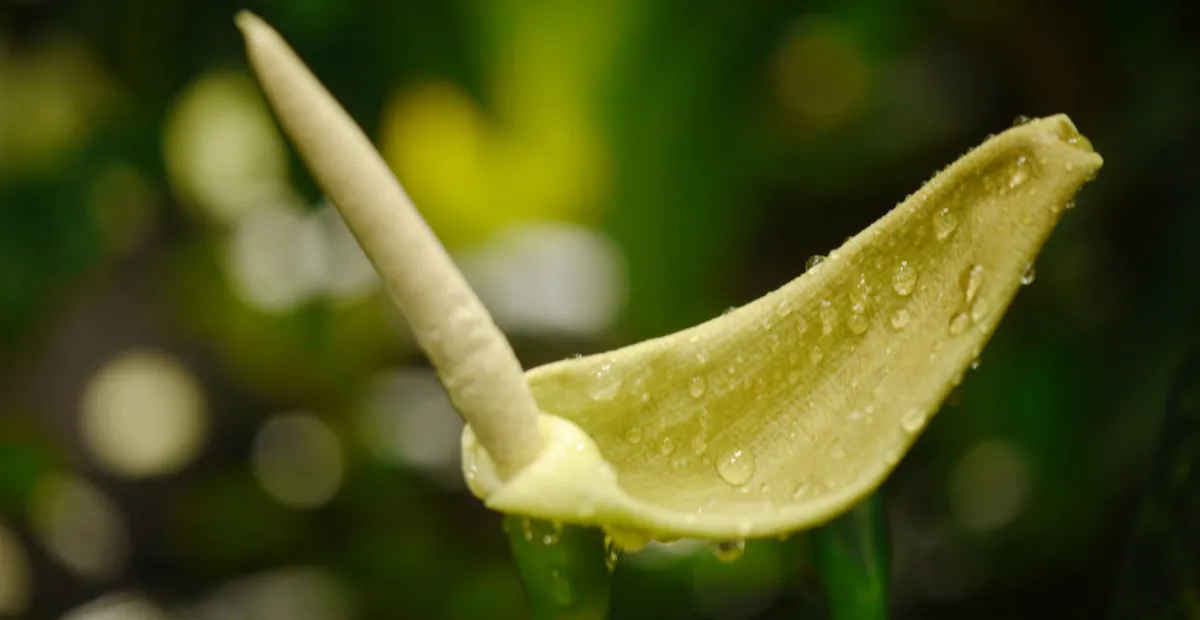
The inflorescence is a typical aroid structure: a small, pale spadix enclosed by a hooded spathe. Flowering is not the main ornamental feature and is less predictable indoors than foliage production. Mature, well-established plants may flower under warm, bright, humid conditions.
Pollination and visitors
Reliable species-specific documentation of animal pollinators or regular floral visitors was not located. The small, enclosed aroid inflorescences are not generally grown for pollinator value, so attraction is recorded as unknown rather than inferred.
Alocasia zebrina photos
Click any photo for a larger view. Source, author and license are shown separately.
Diseases and pests
Diseases
Prevent disease by using a porous mix, a draining container, and careful watering. Persistently wet soil can contribute to root or corm rot; remove damaged tissue, replace saturated mix, and correct the watering interval. Good air movement helps limit leaf-spot problems.
Pests
Watch for spider mites, mealybugs, scale, thrips, and fungus gnats. Check leaf undersides and petiole joints regularly. Isolate affected plants, remove pests manually where practical, and use insecticidal soap or another labeled treatment according to directions. Avoid chronically dry air, which favors mites.
Related diseases and pests
Only Plant Doctor profiles whose host data indicate this plant may be affected are shown here.
 DiseaseAlternaria leaf spot and fruit rotAlternaria alternata
 PestOnion thripsThrips tabaci Lindeman
 PestMelon thripsThrips palmi Karny
 PestChilli thripsScirtothrips dorsalis Hood
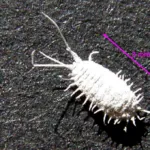 PestObscure mealybugPseudococcus viburni
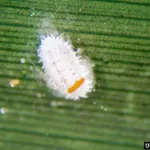 PestCitrus mealybugPlanococcus citri
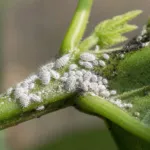 PestCotton mealybugPhenacoccus solenopsis Tinsley
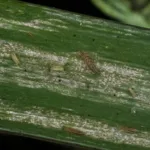 PestDracaena ThripsParthenothrips dracaenae
Toxicity and pollen
Like other Alocasia species, the tissues contain insoluble calcium oxalate crystals that can cause immediate burning and irritation if chewed or swallowed. Sap may irritate skin and eyes. Keep the plant away from pets and young children, wear gloves when handling damaged tissue, and seek medical or veterinary advice after significant exposure.
- Pollination / pollen
- Pollen exposure not well documented; flowers are enclosed in a spathe
Alocasia zebrina is an insect-associated flowering aroid, but reliable species-specific evidence for airborne pollen exposure and allergy prevalence is limited. Its inflorescences are small and enclosed compared with showy wind-pollinated plants. People with known plant allergies should still avoid contact with sap and use gloves when handling damaged foliage.
Native habitat
In nature it occurs in the wet tropical biome of the Philippines, where warmth, high atmospheric moisture, filtered light, and organically enriched but well-drained substrates are typical. Its ecology is consistent with humid forest or disturbed tropical settings rather than exposed, dry sites.
Interesting fact
The accepted species is native to the Philippines and belongs to the arum family. Its most distinctive feature is the zebra-like striping on the petioles rather than strongly patterned leaves. It is cultivated globally as an ornamental foliage plant, while wild collection pressure has contributed to conservation concern in its native range.
Frequently asked questions (FAQ)
The most relevant questions about this plant, with short and direct answers.
🌱Quick care
What is Alocasia zebrina commonly called?⌄
The verified common name is “he zebra plant or zebrina alocasia.” Alocasia zebrina is also part of the Elephant Ears group and belongs to the Araceae family.
How do you care for Alocasia zebrina indoors?⌄
Give Alocasia zebrina bright, indirect light, lightly and evenly moist soil, warm temperatures, and moderate to high humidity. Use an airy, well-drained, moisture-retentive houseplant mix and never leave the pot standing in water.
How much light does Alocasia zebrina need?⌄
Alocasia zebrina needs bright, indirect light for strong growth and healthy foliage. A few feet from a bright window or under a grow light is usually suitable; harsh direct afternoon sun can scorch the leaves.
🌤️Environment and placement
Can Alocasia zebrina grow in low light?⌄
Alocasia zebrina may survive in lower light, but growth will usually slow and stems may weaken or stretch. Move it closer to a bright window or supplement with a grow light while avoiding intense, unfiltered sun.
Where should I place Alocasia zebrina in my house?⌄
Place Alocasia zebrina near a bright east- or filtered south- or west-facing window, away from heaters, air-conditioner vents, and cold drafts. Choose a stable location because sudden changes in temperature, light, or moisture can trigger leaf loss.
What temperature is best for Alocasia zebrina?⌄
Keep Alocasia zebrina warm, ideally above 60°F, with normal indoor temperatures around 65–80°F. Protect it from frost, cold windows, and sudden temperature drops, especially during winter in the United States.
Does Alocasia zebrina need high humidity?⌄
Alocasia zebrina grows best with moderate to high humidity, commonly around 50–60% or higher. In dry homes, a humidifier is more dependable than misting and can help reduce crispy leaf edges.
💧Care and problems
How often should I water Alocasia zebrina?⌄
Water Alocasia zebrina when the top inch of potting mix feels slightly dry, then let excess water drain fully. The goal is lightly and evenly moist soil, not a constantly wet or completely dry root ball.
Why are my Alocasia zebrina leaves turning yellow?⌄
Yellow leaves on Alocasia zebrina most often indicate overwatering, poor drainage, or root stress, although an older leaf may naturally age. Check the soil and roots before watering again, and remove only leaves that are fully yellow or damaged.
Why is my Alocasia zebrina drooping?⌄
Drooping Alocasia zebrina stems commonly result from dry soil, inconsistent watering, insufficient light, cold stress, or root damage. Check moisture at the roots first, then inspect for mushy roots, drafts, pests, and recent environmental changes.
Why does my Alocasia zebrina have brown leaf tips?⌄
Brown, crispy tips usually indicate dry soil, low humidity, fertilizer buildup, or exposure to hot direct sun. Keep the mix evenly but lightly moist, improve humidity, and flush accumulated salts from the pot occasionally if drainage is good.
Why is my Alocasia zebrina losing leaves?⌄
Alocasia zebrina may lose leaves after underwatering, overwatering, cold exposure, transplant stress, pest damage, or a seasonal slowdown. If the rhizome and stem bases remain firm, the plant may recover when warmth, light, and watering become consistent.
Does Alocasia zebrina go dormant in winter?⌄
Alocasia zebrina can enter a seasonal dormancy or substantial winter slowdown, especially in cooler, darker homes. Reduce watering as growth stops, keep the plant warm, and resume more regular care only when new growth appears.
How do I know if Alocasia zebrina has root rot?⌄
Root rot is likely when the plant has persistently yellowing or collapsing leaves, wet soil, a sour odor, and soft brown or black roots. Remove the plant from its pot, cut away rotten tissue, and replant the firm portions in fresh, airy mix.
What pests commonly attack Alocasia zebrina?⌄
Spider mites, thrips, mealybugs, scale, and aphids can affect Alocasia zebrina, particularly when the plant is stressed or air is very dry. Inspect leaf undersides and stems regularly, isolate infested plants, and use a houseplant-safe treatment according to its label.
🪴Planting and repotting
What is the best soil for Alocasia zebrina?⌄
Use an airy, well-drained, moisture-retentive houseplant mix amended with materials such as perlite, orchid bark, or coco coir. The mix should hold some moisture while allowing excess water and air to move freely around the roots.
What type of pot is best for Alocasia zebrina?⌄
Choose a pot with a drainage hole that is only slightly larger than the root ball. A pot that is too large stays wet longer and increases the risk of root rot, while a stable container helps support the plant’s tall petioles.
When should I repot Alocasia zebrina?⌄
Repot Alocasia zebrina in spring or early summer when active growth is beginning, or sooner if the mix has broken down or roots are rotting. Move up only one pot size and disturb healthy roots as little as possible.
Can I plant Alocasia zebrina outdoors in the United States?⌄
Alocasia zebrina can grow outdoors in warm, frost-free parts of the United States with bright filtered light and protection from harsh sun. In areas that receive frost or cold winters, grow it in a container and bring it indoors before temperatures drop.
✂️Propagation and pruning
How do you propagate Alocasia zebrina?⌄
Propagate Alocasia zebrina by separating offsets or divisions from the rhizome during active growth. Each division should have a healthy growing point and, preferably, some roots; leaf or ordinary stem cuttings are not reliable propagation methods.
Can Alocasia zebrina grow from a leaf cutting?⌄
No, a single Alocasia zebrina leaf or petiole normally cannot produce a new plant because it lacks a growing point. Propagation is more reliably done by separating rooted offsets or rhizome divisions.
When is the best time to propagate Alocasia zebrina?⌄
The best time to propagate Alocasia zebrina is spring or early summer, when warmth and active growth support faster establishment. Keep new divisions warm, evenly but lightly moist, and protected from strong direct sunlight while they recover.
How should I prune Alocasia zebrina?⌄
Prune Alocasia zebrina only to remove fully yellow, dead, or badly damaged leaves. Use clean scissors to cut the petiole near its base, and avoid cutting into the central growing point or healthy emerging leaves.
⚠️Toxicity and safety
Is Alocasia zebrina toxic to cats and dogs?⌄
Yes, Alocasia zebrina is toxic to cats and dogs if eaten because it contains insoluble calcium oxalates. Ingestion can cause mouth irritation, pain, swelling, drooling, vomiting, or difficulty swallowing; contact a veterinarian or poison service promptly if exposure occurs.
Is Alocasia zebrina poisonous to humans?⌄
Yes, eating Alocasia zebrina can irritate the mouth, throat, and digestive tract because of insoluble calcium oxalates. Keep it away from children and pets, and seek medical advice or poison-control guidance after ingestion.
Can Alocasia zebrina sap irritate skin or eyes?⌄
Yes, Alocasia zebrina sap may irritate skin and eyes. Wear gloves when pruning or repotting, avoid touching your face, and rinse exposed skin or eyes with plenty of clean water.
🌸Flowering and special interest
Does Alocasia zebrina flower indoors?⌄
Alocasia zebrina can produce an arum-like inflorescence consisting of a spathe and spadix, but flowering indoors is uncommon. Strong light, warmth, maturity, and consistent growing conditions make flowering more likely, though foliage remains its main ornamental feature.
Similar plants
 Azure Monkshood (Aconitum carmichaelii) care guideAconitum carmichaelii
 Monkshood (Aconitum ‘Stainless Steel’)Aconitum 'Stainless Steel'
 Monkshood (Aconitum ‘Bressingham Spire’)Aconitum 'Bressingham Spire'
 Golden full moon maple (Acer shirasawanum ‘Aureum’)Acer shirasawanum 'Aureum'
 Globosum (Acer platanoides ‘Globosum’)Acer platanoides 'Globosum'
 Striped maple (Acer pensylvanicum) care guideAcer pensylvanicum