
 Source:
 Colocasia ‘Hilo Beauty’ short overview
Colocasia 'Hilo Beauty' is a dramatic tropical foliage plant with large heart-shaped leaves patterned in cream, pale yellow, and chartreuse, often carried on bluish-black stems. Although it is widely sold as an elephant ear, its botanical placement has changed over time and remains inconsistently presented in horticultural trade. Grow it warm in bright filtered light with consistently moist but aerated soil, and protect children and pets from its irritating sap and tissues.
Taxonomic classification
Colocasia ‘Hilo Beauty’ care guide
Light and placement
Give bright filtered light or partial shade, such as an east-facing window, a few feet from a bright south or west window behind a sheer curtain, or morning sun with afternoon shade outdoors. Too much intense sun can bleach or scorch the patterned leaves; too little light produces slower growth, longer petioles, and weaker color. Protect from hot reflected pavement and strong wind.
Watering and humidity
Water thoroughly when the upper ½–1 inch of mix begins to feel slightly dry, then let excess drain fully. Keep the root zone evenly moist during warm active growth but never leave the pot standing in water. Reduce frequency during cool or dormant periods, while maintaining enough moisture to prevent the rhizome from shriveling. Higher humidity helps limit crispy margins but does not replace proper drainage.
Soil and growing medium
Use a rich, moisture-retentive but airy potting mix amended with compost or fine bark and perlite. The container must drain freely even though the plant dislikes drying out. A slightly acidic to neutral substrate is suitable. Avoid compacted soil, stagnant water, and heavy salt accumulation; flush the container occasionally with clean water.
Feeding
Feed only during active growth, generally spring through early fall, with a complete balanced houseplant fertilizer diluted to half the label rate every 3–4 weeks. Water first if the mix is dry. Reduce or stop feeding during dormancy, low-light periods, or after cold stress, when unused fertilizer salts can damage roots.
Growth and habit
A warm-season, clumping herbaceous perennial that produces leaves from a short underground rhizome or tuberous base. Growth is strongest with warmth, moisture, and good light. In cool conditions it may stall or die back, so maintenance focuses on removing damaged foliage, preventing cold wetness, and restarting growth gradually in spring.
Planting and repotting
Plant outdoors only after nights are reliably warm and the danger of frost has passed. Set the rhizome or rooted division just below the soil surface, with the growing point facing upward. Allow about 24–36 inches between plants or use a large container. Establish with evenly moist soil and shelter from drying wind.
Repot in spring when roots fill the container or growth slows. Move up only one pot size and disturb the short rhizome as little as practical. Use fresh, airy mix and water thoroughly after transplanting, then keep the plant warm while it re-establishes.
Propagation and pruning
Propagation
Propagate during active growth by dividing the short rhizome or separating offsets with viable roots and a growing point. Pot divisions into lightly moist, airy mix and keep them warm, humid, and out of direct sun until new growth resumes. Seed propagation is not dependable because flowering and seed set are not consistently observed.
Pruning
Remove yellow, torn, or declining leaves at the base with clean pruners. Avoid routine shaping cuts because the plant’s architectural form comes from new leaves emerging from the underground growing point. Wear gloves when cutting and dispose of sap-contaminated material safely.
Overwintering
Move containers indoors before temperatures approach 45°F. Keep the plant in bright filtered light, reduce watering as growth slows, and stop fertilizing during dormancy. In suitable frost-free climates, protect the root zone from cold snaps and excessive winter wet; in colder regions, store dormant rhizomes clean and barely dry in a cool, frost-free place.
Uses
Use as a dramatic foliage accent in containers, indoor collections, shaded patios, tropical-style beds, and protected pond-edge displays. It is ornamental rather than a recommended food crop, and the plant should not be placed where children or pets can chew it. Avoid natural waterways because related elephant ears can spread or become invasive in warm wet climates.
Appearance
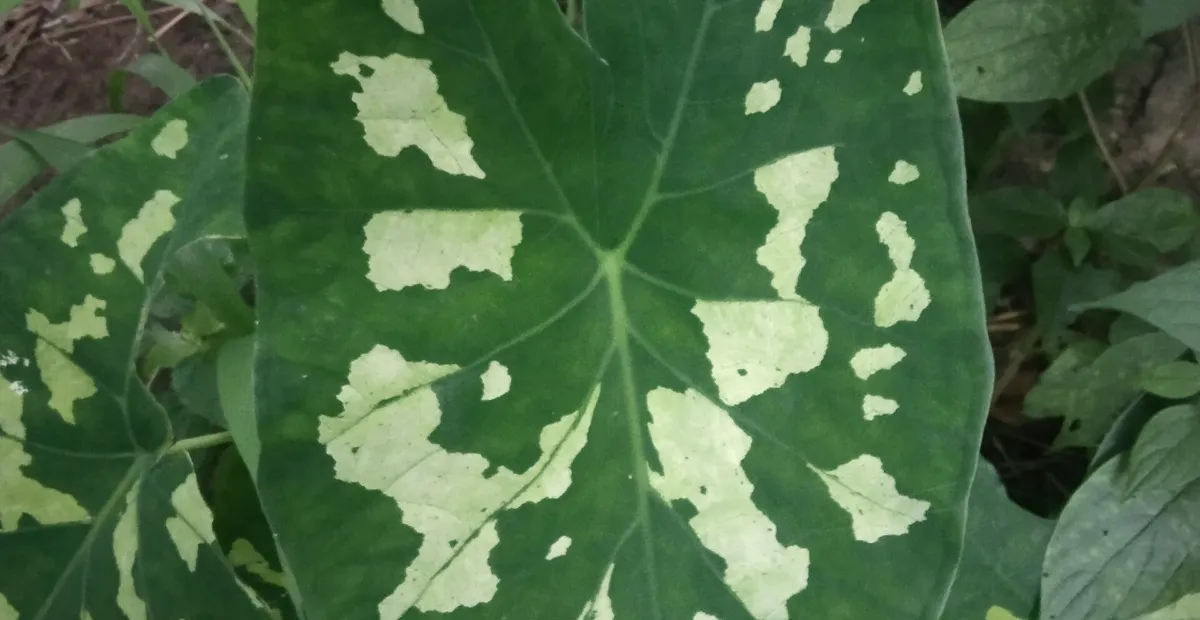
Large heart-shaped to arrow-shaped leaves carry irregular cream, pale yellow, and chartreuse markings that resemble camouflage. The thick petioles are often blue-black to very dark purple, creating strong contrast with the foliage. Leaves arise from an underground short rhizome or tuberous base, and the plant is generally valued for foliage rather than flowers.
Pollination and visitors
No dependable cultivar-specific record was found documenting regular animal pollinators or flower visitors. Because this plant is often reported as nonflowering or rarely flowering in cultivation, animal-pollination claims would be speculative.
Diseases and pests
Diseases
Prevent disease by using clean tools, avoiding chronically stagnant soil, and allowing moderate air movement around the foliage. Watch for bacterial or fungal leaf spots, especially when leaves stay wet overnight. Remove badly affected leaves, reduce overhead watering, and discard severely diseased material rather than composting it.
Pests
Check leaf undersides and petioles for spider mites, thrips, mealybugs, and scale. Dry air encourages mites, while lush stressed growth can attract thrips. Isolate affected plants, rinse foliage, improve humidity, and use insecticidal soap or horticultural oil according to the product label; repeat treatments as needed.
Related diseases and pests
Only Plant Doctor profiles whose host data indicate this plant may be affected are shown here.
 PestOnion thripsThrips tabaci Lindeman
 PestMelon thripsThrips palmi Karny
 PestChilli thripsScirtothrips dorsalis Hood
 DiseaseBacterial WiltRalstonia solanacearum species complex
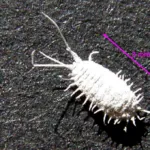 PestObscure mealybugPseudococcus viburni
 DiseaseBacterial Fruit BlotchAcidovorax citrulli
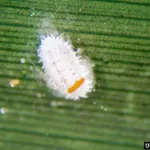 PestCitrus mealybugPlanococcus citri
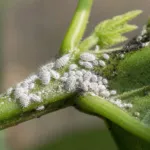 PestCotton mealybugPhenacoccus solenopsis Tinsley
Toxicity and pollen
Treat the entire plant as irritating if chewed or handled roughly. Aroid tissues may contain needle-like calcium oxalate crystals that can cause immediate burning, mouth and throat irritation, drooling, swelling, vomiting, or difficulty swallowing. Wear gloves when dividing or cutting, wash hands afterward, and seek medical or veterinary advice after significant ingestion or breathing difficulty.
- Pollination / pollen
- Not meaningfully documented; flowering and pollen release are uncommon or uncertain
This cultivar is not documented as a significant source of airborne pollen in ordinary indoor or garden use. Reports that it rarely or does not flower make pollen exposure unlikely, but absence of a documented allergy profile should not be treated as proof of zero risk for every individual.
Native habitat
The exact wild origin of this cultivated selection is uncertain because its hybrid parentage and taxonomic history are unresolved. Horticulturally it behaves like a tropical aroid: it prefers warm, humid conditions, rich moist soil, and filtered light rather than prolonged cold or exposed windy sites.
Interesting fact
Its commercial identity has shifted among three aroid genera.
The cultivar is prized for camouflage-like leaf markings.
It reportedly forms a short rhizome rather than a typical taro corm.
Plants may go dormant when temperatures fall near 45°F.
The foliage pattern can vary with light, warmth, and plant maturity.
Frequently asked questions (FAQ)
The most relevant questions about this plant, with short and direct answers.
🌱Quick care
How do you care for Colocasia 'Hilo Beauty' indoors?⌄
Give Colocasia 'Hilo Beauty' bright filtered light, evenly moist soil, warmth, and an airy moisture-retentive potting mix. Protect it from cold drafts and prolonged drying, especially during active growth.
How often should you water Colocasia 'Hilo Beauty'?⌄
Water when the surface begins to dry, then thoroughly moisten the root zone. Do not let the mix remain waterlogged, but avoid allowing the plant to dry out for long periods.
Does Colocasia 'Hilo Beauty' need high humidity?⌄
Moderate to high humidity can help Colocasia 'Hilo Beauty' maintain healthier foliage, particularly indoors during winter. Good air circulation is still essential to reduce the risk of fungal and bacterial problems.
Is Colocasia 'Hilo Beauty' easy to grow?⌄
Colocasia 'Hilo Beauty' is manageable when moisture, light, and warmth remain consistent, but it can react quickly to stress. Sudden changes, cold conditions, or repeated drying may cause drooping, browning, or leaf loss.
🌤️Environment and placement
How much light does Colocasia 'Hilo Beauty' need?⌄
Place Colocasia 'Hilo Beauty' in bright filtered light to partial shade. Protect the leaves from harsh afternoon sun, which can scorch foliage, while avoiding very dim locations that may produce weak growth.
Can Colocasia 'Hilo Beauty' grow in direct sunlight?⌄
It may tolerate gentle morning sun, but bright filtered light is the safer choice for maintaining attractive foliage. Increase direct exposure gradually and watch for bleaching, crispy patches, or scorched leaf edges.
Can Colocasia 'Hilo Beauty' grow outside?⌄
Yes, Colocasia 'Hilo Beauty' can grow outdoors in warm conditions with filtered light or partial shade and consistently moist soil. Bring it indoors before frost or move it to a protected, warm location.
What temperature is best for Colocasia 'Hilo Beauty'?⌄
Warm temperatures are best for active growth, while cold conditions can trigger stress or dormancy. Protect the plant from frost, cold drafts, and temperatures that remain near the lower 50s°F.
Is Colocasia 'Hilo Beauty' frost hardy?⌄
No, Colocasia 'Hilo Beauty' is frost tender. In USDA climates that experience freezing weather, grow it as a container plant or lift and overwinter the underground storage structure indoors.
Why is my Colocasia 'Hilo Beauty' dropping leaves after I move it?⌄
Leaf loss after moving can result from a sudden change in light, temperature, humidity, or moisture. Keep conditions stable and continue appropriate care; a healthy underground structure may produce new growth after it acclimates.
💧Care and problems
Why are the leaves of my Colocasia 'Hilo Beauty' turning yellow?⌄
Yellow leaves commonly indicate overwatering, poor drainage, low light, cold stress, or a naturally aging leaf. Check the roots and potting mix before watering again, and remove only foliage that is fully dead.
Why are the leaf edges of Colocasia 'Hilo Beauty' turning brown?⌄
Brown edges usually result from inconsistent moisture, dry air, excessive direct sun, salt buildup, or cold stress. Keep the mix evenly moist, flush accumulated fertilizer salts, and move the plant away from harsh exposure.
Why is my Colocasia 'Hilo Beauty' wilting even though the soil is wet?⌄
Wilting in wet soil can indicate root or corm damage caused by poor drainage, rot, cold conditions, or sudden environmental stress. Inspect the underground parts and improve drainage rather than adding more water.
Why is my Colocasia 'Hilo Beauty' not producing new leaves?⌄
Slow or stalled growth is often caused by low light, cool temperatures, drying soil, transplant stress, or seasonal dormancy. Provide warmth, bright filtered light, steady moisture, and time before increasing fertilizer.
Should I fertilize Colocasia 'Hilo Beauty'?⌄
Fertilize lightly during active growth with a balanced houseplant fertilizer diluted according to the product label. Avoid heavy feeding when the plant is dormant, stressed, or growing in cold conditions.
How do I treat spider mites on Colocasia 'Hilo Beauty'?⌄
Isolate the plant, rinse the foliage and undersides of leaves, and use a labeled insecticidal soap or horticultural oil as directed. Repeat treatments as needed because mites and their eggs may survive one application.
🪴Planting and repotting
What soil is best for Colocasia 'Hilo Beauty'?⌄
Use a rich, airy, moisture-retentive, well-drained mix. A quality potting mix amended with materials such as perlite, fine bark, or another drainage component can provide moisture without leaving the roots stagnant.
What size pot should I use for Colocasia 'Hilo Beauty'?⌄
Choose a pot only slightly larger than the root system and make sure it has drainage holes. An oversized container holds excess moisture for too long and can increase the risk of root or corm rot.
When should I repot Colocasia 'Hilo Beauty'?⌄
Repot in spring or during active growth when roots fill the container, drainage declines, or the plant becomes unstable. Move it into only the next pot size and disturb healthy roots as little as possible.
Can Colocasia 'Hilo Beauty' grow in a water garden?⌄
It prefers consistently moist soil but should not be assumed to tolerate permanent submersion. Use a well-drained container unless you have reliable experience managing aquatic aroid culture and the plant’s exact form.
✂️Propagation and pruning
How do you propagate Colocasia 'Hilo Beauty'?⌄
Propagate Colocasia 'Hilo Beauty' primarily by separating offsets or dividing healthy underground storage structures. Each division should include viable growth tissue, and the pieces should be kept warm and lightly but consistently moist.
Can you grow Colocasia 'Hilo Beauty' from a corm or tuber?⌄
Yes, a healthy corm or tuber can regrow when planted in a warm, lightly moist, well-drained medium. Growth may be slow, and an underground piece that has rotted will not recover.
Can Colocasia 'Hilo Beauty' be propagated from a leaf cutting?⌄
No, a leaf alone normally cannot produce a complete new plant. Propagation requires an offset, corm, tuber, or division containing the appropriate growth tissue.
Should I cut off damaged leaves on Colocasia 'Hilo Beauty'?⌄
Remove leaves that are fully yellow, brown, mushy, or dead by cutting the petiole near its base with clean tools. Leave partly green leaves in place because they can still contribute energy to the underground storage structure.
What should I do if Colocasia 'Hilo Beauty' goes dormant?⌄
Reduce watering when growth stops and leaves die back, while keeping the underground structure from becoming completely desiccated. Resume brighter light, warmth, and more regular watering when new growth appears.
⚠️Toxicity and safety
Is Colocasia 'Hilo Beauty' toxic to cats and dogs?⌄
Yes, Colocasia 'Hilo Beauty' is moderately toxic if ingested and can irritate pets because of calcium oxalate crystals. Keep it away from cats, dogs, and children, and contact a medical or veterinary professional if it is eaten.
Is Colocasia 'Hilo Beauty' poisonous to humans?⌄
Yes, ingestion can cause painful irritation or swelling of the mouth, lips, tongue, and throat because of calcium oxalate crystals. Keep all parts away from children and seek medical guidance if significant exposure occurs.
Can touching Colocasia 'Hilo Beauty' irritate skin?⌄
Sap may irritate sensitive skin, so wear gloves when pruning, dividing, or handling damaged plant tissue. Wash exposed skin with soap and water and avoid touching your eyes or mouth.
🌸Flowering and special interest
Does Colocasia 'Hilo Beauty' flower indoors?⌄
It can flower, but indoor blooms are uncommon and usually less important than its ornamental foliage. Warmth, sufficient light, maturity, and steady growing conditions improve the chance of flowering.
What do Colocasia 'Hilo Beauty' flowers look like?⌄
The flowers are aroid-type inflorescences consisting of a spadix surrounded by a spathe, rather than showy petals. They are usually secondary to the plant’s patterned leaves and may be hidden among the foliage.
Similar plants
 Azure Monkshood (Aconitum carmichaelii) care guideAconitum carmichaelii
 Monkshood (Aconitum ‘Stainless Steel’)Aconitum 'Stainless Steel'
 Monkshood (Aconitum ‘Bressingham Spire’)Aconitum 'Bressingham Spire'
 Golden full moon maple (Acer shirasawanum ‘Aureum’)Acer shirasawanum 'Aureum'
 Globosum (Acer platanoides ‘Globosum’)Acer platanoides 'Globosum'
 Striped maple (Acer pensylvanicum) care guideAcer pensylvanicum