
 Source:
 Illustris (Colocasia esculenta ‘Illustris’) short overview
Colocasia esculenta 'Illustris' is a dramatic elephant ear grown for its broad, heart-shaped leaves patterned in deep green and purple-black between bright green veins. This frost-tender perennial thrives in warm, sheltered locations with evenly moist soil and bright light or partial shade. It makes a bold summer border or container specimen, but its corms and foliage require protection from freezing weather and should not be eaten.
Taxonomic classification
Illustris (Colocasia esculenta ‘Illustris’) care guide
Light and placement
Grow in full sun to partial shade, with morning sun or bright filtered light ideal in hot climates. East- or south-facing sites work well when sheltered from strong wind; intense afternoon sun can scorch leaves, while deep shade produces weaker stems and less dramatic coloration. Stretching, small leaves suggest insufficient light; bleached patches or crispy margins suggest excess exposure or drought.
Watering and humidity
Water deeply whenever the surface begins to dry, keeping the root zone consistently moist through active growth. Container plants may need frequent checks in hot weather because large leaves transpire heavily. Reduce watering after dormancy begins, but never leave stored corms wet. Humid air helps reduce leaf-edge browning, though good ventilation remains important.
Soil and growing medium
Use a moisture-retentive but porous medium rich in organic matter. A loam-based potting mix amended with compost works well, provided excess water can drain freely. The plant tolerates a broad pH range, from acidic to alkaline, so structure and consistent moisture are more important than fine pH adjustment.
Feeding
Feed only during active growth, beginning after the plant has produced new leaves. Apply a balanced or slightly high-nitrogen liquid fertilizer at half strength every two to four weeks, or use a controlled-release product according to its label. Stop feeding as growth slows in autumn and avoid fertilizing dormant corms or waterlogged plants.
Growth and habit
This is a vigorous, clump-forming foliage plant that enlarges from an underground corm or short rhizome. Warmth, moisture, and nutrition can produce rapid summer growth. Leaves may tear in exposed sites, so sheltered placement and removal of badly damaged foliage help preserve the display.
Planting and repotting
Plant outdoors after danger of frost has passed and soil has warmed to about 65°F. Set the corm with the growing point upward and cover it with roughly 1–2 inches of soil. Space plants about 24–36 inches apart, allowing room for large leaves and airflow. Water thoroughly after planting and keep the root zone evenly moist while it establishes.
Repot container plants in spring when active growth begins, moving them into a broad, heavy container one size larger. Handle the corm and emerging shoots gently, and refresh depleted mix without burying the crown deeply. Repot only when crowded or when the growing medium has broken down.
Propagation and pruning
Propagation
Divide offsets or sections of the rhizome or corm in spring as growth resumes. Each division should retain a viable bud and healthy tissue. Allow freshly cut surfaces to dry briefly before planting into warm, lightly moist medium. Seed is not the dependable method for maintaining this named cultivar.
Pruning
Routine pruning is unnecessary. Remove yellowing, torn, or diseased leaves at the base with clean shears. Cut the plant back after frost has blackened the foliage if the corm will be lifted or overwintered, leaving enough stem to identify the crown until dormancy is established.
Overwintering
In zones colder than 8, move containers indoors or lift the corm before a hard freeze. Allow foliage to yellow naturally, cut it back, and store the clean, dry corm in a cool, dark, frost-free place in barely moist peat, vermiculite, or similar material. Restart in spring with warmth and restrained watering until shoots appear.
Uses
Use 'Illustris' as a bold foliage accent in summer beds, large containers, tropical displays, sheltered patio plantings, and pond margins where the soil stays moist. It is ornamental rather than a recommended food crop; do not consume this named ornamental cultivar because raw tissues contain irritating calcium oxalates.
Appearance
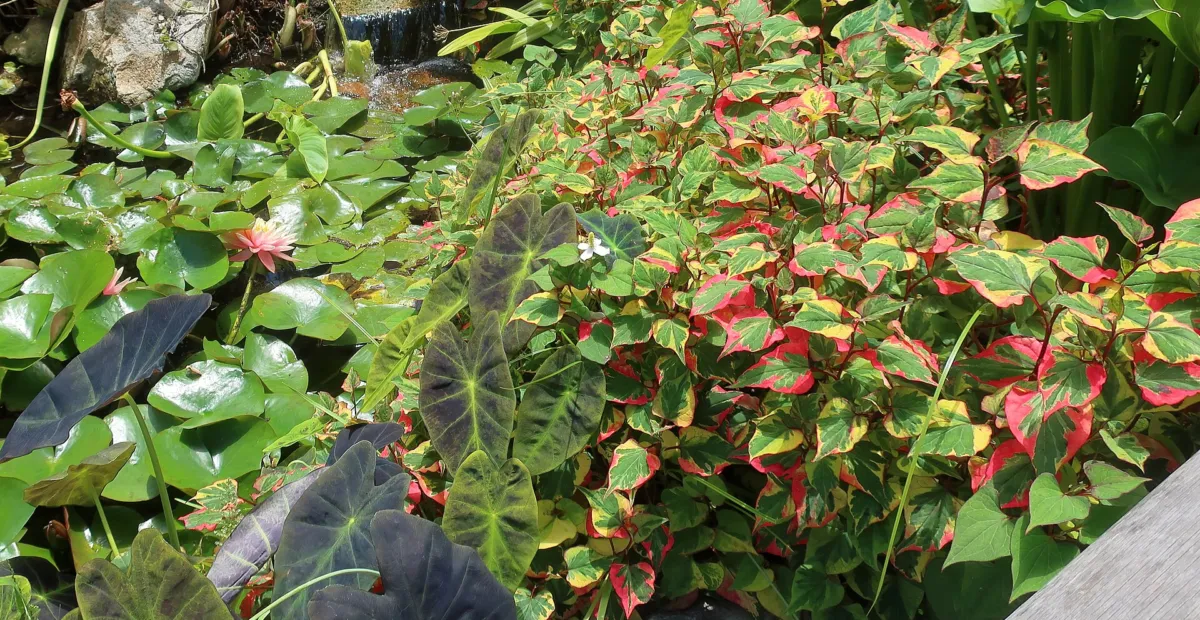
The plant forms upright stalks from an underground corm. Its broad, heart-shaped leaf blades are deep green with dramatic purple-black shading between prominent bright green veins, giving the foliage a painted or tie-dyed appearance. Long petioles hold the leaves above the crown, while wind exposure can split or shred the blades.
Flowering
Flowering is uncommon in cultivation. Like other aroids, the inflorescence consists of a fleshy spadix enclosed by a spathe rather than a typical open-petaled flower. Plants are grown primarily for foliage, and reliable cultivar-specific flowering dates are not established for United States gardens.
Pollination and visitors
Flowers are rarely produced in cultivation, and reliable visitor records specific to 'Illustris' are limited. No cultivar-specific animal pollinator can be confirmed confidently from the available evidence.
Colocasia esculenta 'Illustris' photos
Click any photo for a larger view. Source, author and license are shown separately.
Diseases and pests
Diseases
Prevent crown and corm rot by using porous soil, avoiding stagnant water around the crown, and allowing containers to drain fully. Remove collapsed leaves and any rotting tissue promptly with clean tools. Poor airflow and persistently wet foliage can encourage bacterial or fungal leaf spotting; water at the soil surface and avoid overcrowding.
Pests
Watch for aphids, spider mites, whiteflies, mealybugs, and chewing damage from caterpillars or slugs. Inspect leaf undersides regularly, particularly on indoor plants. Improve airflow, rinse foliage when practical, and use proportionate controls such as hand removal, water sprays, insecticidal soap, or horticultural oil according to label directions.
Related diseases and pests
Only Plant Doctor profiles whose host data indicate this plant may be affected are shown here.
 DiseasePhytophthora cactorum crown, collar, root and fruit rotPhytophthora cactorum
 DiseaseBacterial soft rotPectobacterium carotovorum
 PestMealy Plum AphidHyalopterus pruni (Geoffroy, 1762)
 DiseasePhytophthora root and crown rotPhytophthora nicotianae
 DiseaseBacterial WiltRalstonia solanacearum species complex
 PestObscure mealybugPseudococcus viburni
 PestCitrus mealybugPlanococcus citri
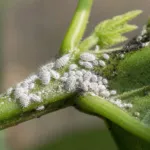 PestCotton mealybugPhenacoccus solenopsis Tinsley
Toxicity and pollen
Colocasia esculenta contains insoluble calcium oxalate crystals that can cause immediate burning, pain, swelling, drooling, vomiting, and difficulty swallowing if plant material is chewed or swallowed. Ornamental cultivars should not be eaten. Wear gloves when handling sap or damaged tissue, keep cuttings away from children and pets, and seek medical or veterinary advice after ingestion.
- Pollination / pollen
- Pollen produced inside an aroid spadix; airborne relevance not established
Reliable cultivar-specific airborne pollen data are unavailable. The inflorescences are produced infrequently in cultivation, so routine pollen exposure is likely limited, but a low-allergy classification cannot be confirmed. People with significant plant allergies should avoid handling flowers and dusty dried material without appropriate precautions.
Native habitat
The species is associated with warm, humid tropical and subtropical environments, especially moist soils, wetlands, stream margins, and cultivated water-edge sites. The named cultivar is of horticultural origin rather than a wild regional form, and its performance is strongest where the growing season is long and soil moisture is dependable.
Interesting fact
The dark markings are concentrated between the major veins, creating a strong graphic contrast rather than conventional variegation. The plant stores reserves in a swollen underground corm and can regrow vigorously after winter dormancy. Its aroid inflorescence is a spadix and spathe, a structure shared with many Araceae relatives.
Frequently asked questions (FAQ)
The most relevant questions about this plant, with short and direct answers.
🌱Quick care
How do you care for Colocasia esculenta 'Illustris'?⌄
Grow Colocasia esculenta 'Illustris' in full sun to partial shade, consistently moist organic soil, and warm conditions. Protect it from freezing temperatures and provide shelter from strong wind, which can tear its large leaves.
Is Colocasia esculenta 'Illustris' an indoor or outdoor plant?⌄
Colocasia esculenta 'Illustris' can grow outdoors in warm climates and indoors in a bright, humid location. In colder parts of the United States, grow it in a container so it can be moved indoors before freezing weather.
How much sunlight does Colocasia esculenta 'Illustris' need?⌄
Colocasia esculenta 'Illustris' grows in full sun to partial shade, with about 4–6 hours of direct sunlight generally suitable. Give it gradual sun exposure after moving it outdoors to reduce leaf scorch.
How often should you water Colocasia esculenta 'Illustris'?⌄
Water Colocasia esculenta 'Illustris' whenever the soil surface begins to dry, keeping the root zone consistently moist. It needs more frequent watering during hot, sunny weather and less during winter dormancy.
What soil is best for Colocasia esculenta 'Illustris'?⌄
Use a moisture-retentive but well-drained mix enriched with compost or other organic matter. The soil should hold steady moisture without becoming stagnant around the corm.
🌤️Environment and placement
Can Colocasia esculenta 'Illustris' grow in full sun?⌄
Yes, Colocasia esculenta 'Illustris' can grow in full sun when adequately watered. In very hot or dry locations, partial afternoon shade can help prevent leaf scorch and excessive moisture loss.
Can Colocasia esculenta 'Illustris' grow in shade?⌄
Colocasia esculenta 'Illustris' tolerates partial shade but may produce less vigorous growth and less intense foliage coloring in deep shade. Bright filtered light or morning sun with afternoon shade is a reliable compromise.
Can Colocasia esculenta 'Illustris' grow in water?⌄
Colocasia esculenta 'Illustris' tolerates very wet soil and can be grown near ponds or in shallow water. Keep the plant stable and avoid prolonged stagnant conditions unless the growing setup is specifically designed for aquatic plants.
What USDA hardiness zones are suitable for Colocasia esculenta 'Illustris'?⌄
Colocasia esculenta 'Illustris' is generally grown as a tender perennial in USDA Zones 8–11, although winter survival varies by cultivar, site, and drainage. Gardeners in colder zones should overwinter the plant indoors or store its corm.
How cold can Colocasia esculenta 'Illustris' tolerate?⌄
Colocasia esculenta 'Illustris' does not tolerate freezing conditions reliably, and its foliage can be damaged by cold well before a hard freeze. Move containers indoors or lift the corm before temperatures approach 32°F.
💧Care and problems
Why are the leaves of my Colocasia esculenta 'Illustris' turning yellow?⌄
Yellow leaves can result from overwatering in poorly drained soil, underwatering, cold temperatures, nutrient shortage, or normal aging. Check the corm and roots first, then correct moisture and temperature conditions before adding fertilizer.
Why is Colocasia esculenta 'Illustris' drooping?⌄
Drooping usually indicates insufficient moisture, heat stress, cold damage, root or corm problems, or wind damage. Water thoroughly if the soil is dry, but inspect for rot rather than adding more water when the soil is already saturated.
Why are the leaves of Colocasia esculenta 'Illustris' losing their dark color?⌄
Foliage may appear less dark when the plant receives too little light, is stressed by cold or drought, or is producing new leaves that have not fully colored. Provide bright light, steady moisture, and warm growing conditions.
Does Colocasia esculenta 'Illustris' need fertilizer?⌄
Yes, regular feeding during active growth supports the large leaves of Colocasia esculenta 'Illustris'. Use a balanced liquid fertilizer at the label rate, and reduce or stop feeding when growth slows in fall and winter.
What pests commonly attack Colocasia esculenta 'Illustris'?⌄
Common pests include spider mites, aphids, and whiteflies, especially on indoor plants or plants grown in dry conditions. Inspect leaf undersides regularly and improve humidity and airflow before treating an infestation with an appropriate product.
How do you prevent root or corm rot in Colocasia esculenta 'Illustris'?⌄
Prevent rot by using an organic, moisture-retentive mix that still drains freely and by planting the corm in a container with drainage holes. Keep the plant moist during growth, but avoid cold, waterlogged soil during dormancy.
🪴Planting and repotting
When should you plant Colocasia esculenta 'Illustris' outdoors?⌄
Plant Colocasia esculenta 'Illustris' outdoors after the danger of frost has passed and the soil has warmed. In much of the United States, this means late spring, with timing adjusted for the local USDA zone.
How deep should you plant a Colocasia esculenta 'Illustris' corm?⌄
Plant the corm with the growing point facing upward and cover it with roughly 1–2 inches of soil. Avoid burying it excessively deeply, especially in cool or poorly drained ground, because this increases the risk of rot.
How large should a pot be for Colocasia esculenta 'Illustris'?⌄
Use a heavy container at least 12 inches wide and deep for a young plant, increasing the size as the clump grows. Choose a stable pot with drainage holes because mature plants can become top-heavy and thirsty.
When should you repot Colocasia esculenta 'Illustris'?⌄
Repot Colocasia esculenta 'Illustris' in spring when active growth resumes or when roots fill the container. Move it into a pot only one or two sizes larger to limit excess wet soil around the corm.
✂️Propagation and pruning
How do you propagate Colocasia esculenta 'Illustris'?⌄
The most dependable method is division of the corm or offsets. Separate sections only when they have a viable growing point, allow cut surfaces to dry briefly, and plant them in warm, moist, well-drained mix.
Can you grow Colocasia esculenta 'Illustris' from leaf cuttings?⌄
No, leaf or petiole cuttings are not a dependable way to propagate Colocasia esculenta 'Illustris' because they normally lack a growing point. Use corm division or naturally produced offsets instead.
Can Colocasia esculenta 'Illustris' be grown from seed?⌄
Seed propagation is uncommon and unreliable for this named cultivar, and seedlings may not reproduce its distinctive foliage. Division is preferred when you want plants true to 'Illustris'.
How do you overwinter Colocasia esculenta 'Illustris' in cold climates?⌄
Before a freeze, bring a container plant indoors or dig and lift the corm after foliage declines. Store a dormant corm in a dry, frost-free place around 70–75°F, or keep an actively growing plant warm with reduced winter watering.
Should you cut back Colocasia esculenta 'Illustris' in fall?⌄
Cut back frost-damaged or fully yellowing foliage in fall, leaving healthy green leaves in place as long as the plant is still growing. Remove dead foliage before storage, but do not cut into the corm.
⚠️Toxicity and safety
Is Colocasia esculenta 'Illustris' poisonous?⌄
Yes, all parts of Colocasia esculenta 'Illustris' can be toxic if eaten and may cause painful irritation because of calcium oxalate crystals. Keep the plant away from children and pets, and wear gloves when handling damaged tissues or sap.
Is Colocasia esculenta 'Illustris' safe for dogs and cats?⌄
No, Colocasia esculenta 'Illustris' is considered toxic to dogs and cats if chewed or swallowed. Contact a veterinarian or pet poison service promptly if a pet eats any part of the plant or develops mouth irritation, drooling, or vomiting.
Can you eat Colocasia esculenta 'Illustris' tubers?⌄
Do not eat Colocasia esculenta 'Illustris' as an ornamental cultivar. Although some Colocasia esculenta forms are cultivated as food after thorough cooking, this named ornamental plant should be treated as toxic and non-edible.
Can Colocasia esculenta 'Illustris' sap irritate skin?⌄
Yes, sap and plant tissues can irritate skin and eyes. Wear gloves when dividing, pruning, or handling damaged leaves, and wash exposed skin and tools afterward.
🌸Flowering and special interest
Does Colocasia esculenta 'Illustris' flower?⌄
Colocasia esculenta 'Illustris' can produce pale yellow, arum-like flowers, but flowering is occasional and the plant is primarily grown for its foliage. Warm conditions, maturity, and vigorous growth make flowering more likely.
When does Colocasia esculenta 'Illustris' bloom?⌄
When it flowers, Colocasia esculenta 'Illustris' generally blooms from late spring through late summer or fall, depending on climate and growing conditions. Individual plants may not flower every year.
Are the flowers of Colocasia esculenta 'Illustris' fragrant?⌄
The flowers are not usually considered a major fragrance feature, and reliable fragrance information for this exact cultivar is limited. Its main ornamental value is the dark, contrasting foliage rather than its blooms.
Similar plants
 Saucer Magnolia (Magnolia soulangeana) care guideMagnolia soulangeana
 Magnolia × loebneri ‘Merrill’Magnolia × loebneri 'Merrill'
 Magnolia loebneri care guideMagnolia loebneri
 Sweetbay magnolia (Magnolia virginiana) care guideMagnolia virginiana
 Star magnolia (Magnolia stellata) care guideMagnolia stellata
 Magnolia sprengeri care guideMagnolia sprengeri