
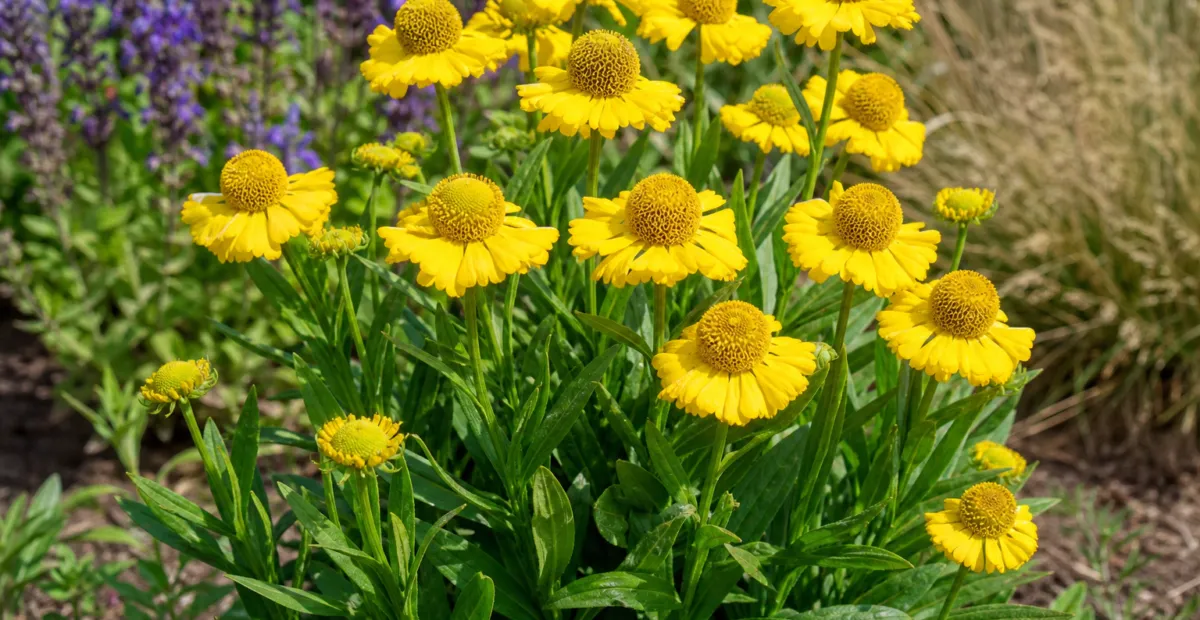
 AI-generated illustration
Helenium ‘Sombrero’ short overview
Helenium 'Sombrero' is a compact Mariachi Series perennial valued for its strong, upright stems and unusually clear yellow flowerheads. The cheerful blooms appear from mid to late summer into early fall above deep green foliage, making this cultivar useful in sunny borders, containers, pollinator plantings, and cutting gardens. Give it full sun, organically rich soil, and consistent moisture; it performs best when the root zone does not dry out.
Taxonomic classification
Helenium ‘Sombrero’ care guide
Light and placement
Give this cultivar at least 6 hours of direct sun, preferably in an open south- or west-facing border where stems receive bright light throughout the day. Morning sun with afternoon shade may reduce flowering and cause a looser habit in hot climates. Pale, weak growth or fewer flowers suggests insufficient light; scorched foliage usually reflects heat or drought more than excessive sun alone.
Watering and humidity
Water deeply when the upper inch of soil begins to dry, keeping the root zone evenly moist rather than saturated. During the first growing season, water regularly while roots establish; established plants still perform best with consistent moisture and may decline during prolonged dry spells. Mulch the soil surface to slow evaporation, keeping mulch away from the crown.
Soil and growing medium
Use organically rich, moisture-retentive soil that still drains freely. Loam is ideal, but improved clay or sandy soil can work if amended with compost. Published guidance places this cultivar from acidic through neutral to slightly alkaline conditions; a practical target is about pH 5.5–7.5. Avoid sites that alternate between drought and waterlogging.
Feeding
Feed lightly in spring with a thin layer of compost or a balanced, slow-release perennial fertilizer. Avoid heavy nitrogen applications, which can produce soft growth and excess foliage at the expense of sturdy stems and flowering. Do not fertilize drought-stressed, waterlogged, or dormant plants; water first and apply fertilizer only when active growth resumes.
Growth and habit
Forms a compact, broadly upright clump with strong, well-branched flowering stems. It is moderately vigorous and freely flowering, with a shallow root system that responds poorly to repeated drying. Cut back after flowering to tidy the plant and reduce winter debris; divide crowded clumps when vigor declines.
Planting and repotting
Plant in spring or early fall, setting the crown at the same level as it was in the nursery container. Space plants about 18–24 inches apart, allowing extra room toward the wider end of the cultivar's reported spread. Water consistently through the first growing season so the shallow root system establishes before winter.
Move container plants into a slightly larger pot in spring, using a moisture-retentive but well-drained perennial potting mix. Keep the crown at the same depth and water thoroughly after transplanting. Because the cultivar is a vigorous clumper, refresh or divide crowded containers when roots fill the pot.
Propagation and pruning
Propagation
Commercially, 'Sombrero' is maintained by vegetative propagation, especially terminal or unrooted cuttings and tissue culture, to preserve the cultivar. Take healthy terminal cuttings during active growth and root them under controlled, evenly moist conditions. Division may be practical for established clumps, but it is less certain for maintaining uniform commercial stock.
Pruning
Deadhead spent flowerheads during the blooming period to encourage a longer display. After flowering, cut the plant back by about one-half or wait until late winter to remove old stems. Leave some stems over winter if desired for structure and insect habitat, then cut them down before spring growth begins.
Overwintering
Plants in the ground are generally hardy across USDA Zones 3–9, although local exposure and drainage affect survival. Leave a light mulch over the root zone in colder regions, especially during the first winter, but do not bury the crown. Container plants are more vulnerable to freeze-thaw cycles; overwinter them outdoors only with reliable insulation or move them to an unheated sheltered space.
Uses
Use 'Sombrero' in sunny borders, containers, cottage and wildlife gardens, small-space plantings, and cutting gardens. Its strong stems and long-lasting yellow flowerheads are useful for fresh arrangements. It is ornamental rather than edible; do not use it as food or medicine without authoritative species-specific guidance.
Appearance
The plant has alternate, sessile, narrow elliptic to oblanceolate leaves with toothed margins and a deep green color. Strong, mostly smooth stems carry terminal flowerheads above the foliage. Each head has a single whorl of bright yellow ray florets around a yellow-golden disc, giving the cultivar a clean, high-contrast appearance.
Flowering
This freely flowering cultivar carries single, composite daisy-like flowerheads on sturdy peduncles above the foliage. Bright yellow ray florets surround a yellow to golden central disc. In United States gardens, the usual display runs from mid-summer into early fall, with timing varying by region and summer temperatures. Spent flowers can be removed to encourage continued production.
Pollination and visitors
The open composite flowerheads provide accessible nectar and pollen for bees, bumblebees, hoverflies, butterflies, and other flower-visiting insects. RHS recognizes this cultivar as a plant supplying nectar and pollen to bees and other pollinating insects. The showy heads are insect-pollinated rather than adapted for wind dispersal.
Diseases and pests
Diseases
Provide full sun, air circulation, and steady moisture to reduce foliage stress. The cultivar is reported to have good powdery mildew resistance, but mildew can still develop in crowded or poorly ventilated conditions. Remove heavily affected leaves and avoid overhead watering late in the day. Aster yellows symptoms were noted in one trial, so remove and discard plants showing distorted growth or green, misshapen flowers.
Pests
Monitor for aphids, thrips, leafhoppers, and spider mites, especially on stressed plants. Use a strong water spray for light aphid infestations and encourage beneficial insects. Remove badly infested foliage and improve irrigation before resorting to labeled controls. Leafhoppers matter because they can help spread aster yellows; remove symptomatic plants promptly.
Related diseases and pests
Only Plant Doctor profiles whose host data indicate this plant may be affected are shown here.
 DiseaseAster yellows‘Candidatus Phytoplasma asteris’
 DiseaseMaple powdery mildewSawadaea bicornis
 DiseaseCucurbit Powdery MildewPodosphaera xanthii (Castagne) U. Braun & Shishkoff
 DiseaseRose powdery mildewPodosphaera pannosa
 PestOnion thripsThrips tabaci Lindeman
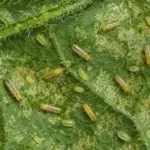 PestMelon thripsThrips palmi Karny
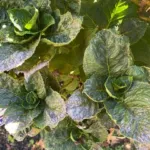 PestChilli thripsScirtothrips dorsalis Hood
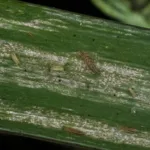 PestDracaena ThripsParthenothrips dracaenae
Toxicity and pollen
North Carolina Extension lists Helenium as having medium poison characteristics at the genus level, but cultivar-specific clinical toxicity information for 'Sombrero' is limited. Do not eat the plant. Sap or plant material may irritate sensitive people, and ingestion can cause gastrointestinal upset; keep plant material away from children and pets and seek professional advice after ingestion.
- Typical season
- Typically July through October in the United States, depending on region.
- Pollination / pollen
- Insect-carried pollen; not typically windborne
Although called sneezeweed, Helenium is insect-pollinated and does not produce the small, windborne pollen typically associated with ragweed hay fever. The cultivar's patent describes scarce pollen, but direct clinical allergy data for 'Sombrero' are lacking. People with strong Asteraceae sensitivities should still avoid rubbing the flowers or handling large quantities without precautions.
Native habitat
The Helenium lineage is associated with sunny moist meadows, prairies, stream margins, pond edges, and other regularly moist habitats in the Americas. 'Sombrero' is a Dutch-bred horticultural cultivar rather than a wild population, but it performs best when garden conditions echo that moisture-rich, sunny setting.
Interesting fact
The cultivar originated as a naturally occurring branch mutation of Helenium hybrida 'Salsa' in a controlled nursery in the Netherlands. Its bright yellow ray florets distinguish it from the red-toned parent. The patent records strong peduncles that hold flowerheads above the foliage and describes propagation by terminal cuttings.
Frequently asked questions (FAQ)
The most relevant questions about this plant, with short and direct answers.
🌱Quick care
What is Helenium 'Sombrero'?⌄
Helenium 'Sombrero' is a compact, cold-hardy herbaceous perennial in the Asteraceae family, commonly associated with sneezeweeds. It forms an upright clump with yellow flowers and typically reaches about 18–24 inches tall and wide.
How much sun does Helenium 'Sombrero' need?⌄
Helenium 'Sombrero' needs full sun, meaning at least 6 hours of direct sunlight daily. Strong light helps maintain compact growth and supports its summer-to-fall flowering.
How often should I water Helenium 'Sombrero'?⌄
Water Helenium 'Sombrero' regularly so the soil stays consistently moist but not waterlogged. Do not allow the plant to dry out for extended periods, especially during hot weather and its first growing season.
Is Helenium 'Sombrero' easy to grow?⌄
Yes, Helenium 'Sombrero' is generally easy to grow when planted in full sun and moisture-retentive, well-drained soil. Its main requirements are consistent moisture, adequate air circulation, and occasional cleanup.
🌤️Environment and placement
What USDA hardiness zones are suitable for Helenium 'Sombrero'?⌄
Helenium 'Sombrero' is generally listed as hardy in USDA Zones 3–9. Local winter exposure, soil drainage, and snow cover can still affect survival at the coldest or warmest edges of that range.
What type of soil does Helenium 'Sombrero' prefer?⌄
Helenium 'Sombrero' prefers organically rich, moist, well-drained soil. It can tolerate clay and other soil types if the site holds moisture without remaining stagnant around the roots.
Can Helenium 'Sombrero' grow in wet soil?⌄
Helenium 'Sombrero' tolerates consistently moist soil and can perform well near rain gardens, ponds, or stream edges if drainage is still adequate. Avoid permanently stagnant water or heavily compacted ground.
Can Helenium 'Sombrero' grow in a container?⌄
Yes, Helenium 'Sombrero' can grow in a large container with drainage holes, fertile potting mix, and regular watering. Containers dry out faster than garden soil, so moisture must be monitored closely.
How much space does Helenium 'Sombrero' need?⌄
Allow about 18–24 inches of space for each Helenium 'Sombrero' plant. This spacing gives the compact clump room to branch while improving airflow around the foliage.
Is Helenium 'Sombrero' good for pollinators?⌄
Yes, the yellow flowerheads of Helenium 'Sombrero' provide nectar and pollen for bees, butterflies, and other pollinating insects. It is a useful choice for sunny borders, wildlife gardens, and pollinator plantings.
💧Care and problems
How do I fertilize Helenium 'Sombrero'?⌄
Fertilize Helenium 'Sombrero' lightly, if needed, in spring with compost or a balanced, slow-release fertilizer. Avoid heavy feeding because excessive fertility can produce overly tall, weak growth.
Why is my Helenium 'Sombrero' wilting?⌄
Wilting usually indicates that Helenium 'Sombrero' is too dry, particularly during heat or drought. Water deeply and regularly, then add a thin layer of mulch while keeping it away from the crown.
Why are the leaves of Helenium 'Sombrero' turning brown?⌄
Brown foliage on Helenium 'Sombrero' is commonly associated with dry soil, heat stress, or foliar disease. Check soil moisture first, improve airflow, and remove badly affected leaves without wetting the foliage unnecessarily.
What diseases affect Helenium 'Sombrero'?⌄
Helenium 'Sombrero' can be affected by powdery mildew, leaf spot, or rust, although the cultivar is noted for good mildew resistance. Reduce crowding, water at the soil line, and remove diseased foliage promptly.
Does Helenium 'Sombrero' need staking?⌄
Helenium 'Sombrero' usually has sturdy, branching stems and often needs little or no staking. Plants grown in excessive shade, very rich soil, or crowded conditions may become taller and benefit from support.
Is Helenium 'Sombrero' deer resistant?⌄
Helenium 'Sombrero' is generally considered deer resistant, although no perennial is completely deer-proof. Hungry deer may still browse it when preferred food is scarce.
Is Helenium 'Sombrero' rabbit resistant?⌄
Helenium 'Sombrero' is often described as relatively resistant to rabbit browsing. Protection may still be needed in areas with heavy rabbit pressure or during establishment.
🪴Planting and repotting
When should I plant Helenium 'Sombrero'?⌄
Plant Helenium 'Sombrero' in spring after the ground can be worked or in early fall at least several weeks before the soil freezes. Spring planting is especially useful in colder USDA Zones.
How do I plant Helenium 'Sombrero' in the garden?⌄
Set Helenium 'Sombrero' at the same depth it was growing in its nursery container, firm the soil gently, and water thoroughly. Choose a sunny site with organically rich soil that stays evenly moist.
Can Helenium 'Sombrero' be grown from seed?⌄
Helenium 'Sombrero' may produce seed, but seedlings may not reliably retain the cultivar’s compact form and flower traits. Division or professionally produced cuttings are better for maintaining the named cultivar.
✂️Propagation and pruning
How do I propagate Helenium 'Sombrero'?⌄
Propagate Helenium 'Sombrero' by dividing established clumps in spring or fall, or by using nursery-produced basal or unrooted cuttings. Because it is a patented cultivar, commercial or asexual propagation may be legally restricted.
When should I divide Helenium 'Sombrero'?⌄
Divide Helenium 'Sombrero' in spring as new growth begins or in fall after flowering. Dividing every 3–4 years can help restore vigor when the clump becomes crowded or less floriferous.
Should I cut back Helenium 'Sombrero' in spring?⌄
Yes, cutting back Helenium 'Sombrero' in late spring or early June can encourage branching, reduce height, and produce more flowers. Make the cut early enough to allow at least several weeks of regrowth before flowering.
Should I deadhead Helenium 'Sombrero'?⌄
Deadhead Helenium 'Sombrero' by removing spent flowerheads to improve appearance and encourage additional flowering. Leave some seedheads if you want late-season structure or natural reseeding.
How should I prune Helenium 'Sombrero' after flowering?⌄
After the main flowering period, cut Helenium 'Sombrero' back by about half or trim it closer to the ground once the foliage declines. Remove all dead stems in late fall or early spring as preferred.
⚠️Toxicity and safety
Is Helenium 'Sombrero' toxic to pets or people?⌄
Helenium 'Sombrero' should be treated as potentially harmful if eaten. Keep plant material away from children and pets, and contact a medical professional or veterinarian if ingestion causes symptoms.
🌸Flowering and special interest
When does Helenium 'Sombrero' bloom?⌄
Helenium 'Sombrero' generally blooms from mid- to late summer into early fall, often from July through September. Exact timing varies with climate, planting date, and growing conditions.
What color are Helenium 'Sombrero' flowers?⌄
Helenium 'Sombrero' produces bright lemon-yellow to golden-yellow daisy-like flowers with yellow central cones. The flowers are carried above deep green foliage on sturdy, branching stems.
How long does Helenium 'Sombrero' flower?⌄
Helenium 'Sombrero' can flower for several weeks, especially when spent blooms are removed regularly. A spring or early-summer trim can also encourage branching and a fuller display.
Is Helenium 'Sombrero' good as a cut flower?⌄
Yes, Helenium 'Sombrero' is suitable for cutting because its stems are sturdy and its yellow flowers complement late-summer arrangements. Cut stems when the flowers are open but still look fresh.
Similar plants
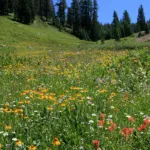 Igelow’s sneezeweed (Helenium bigelovii) care guideHelenium bigelovii
 Helenium ‘Fuego’Helenium 'Fuego'
 Helenium ‘Moerheim Beauty’Helenium 'Moerheim Beauty'
 Sneezeweed (Helenium autumnale) care guideHelenium autumnale
 Double Trouble sneezeweed (Helenium ‘Double Trouble’)Helenium 'Double Trouble'
 Southern Sneezeweed (Helenium flexuosum) care guideHelenium flexuosum