
 Source:
Igelow’s sneezeweed (Helenium bigelovii) short overview
Bigelow's sneezeweed is a western North American perennial in the sunflower family, valued for its bright yellow, daisy-like flower heads and persistent basal foliage. It performs best in full sun with evenly moist, well-drained soil and is especially useful in rain gardens, meadow plantings, and pollinator borders. Unlike many drought-adapted California natives, this species can decline in dry garden conditions.
Taxonomic classification
Igelow’s sneezeweed (Helenium bigelovii) care guide
Light and placement
Grow in full sun for strongest flowering, especially in cooler or moist climates; light afternoon shade is acceptable in hot inland areas. A site with morning sun and some late-day protection can reduce heat stress, but dense shade commonly produces weaker stems and fewer flowers. Pale, elongated growth suggests insufficient light, while scorched foliage or rapid wilting suggests excessive heat combined with inadequate moisture.
Watering and humidity
Water deeply enough to moisten the full root zone, then maintain even moisture rather than alternating drought and saturation. Check the top inch of soil during establishment and irrigate when it begins to dry; containers may need more frequent attention. Reduce watering only after dormancy or cool wet weather arrives, and never allow the root zone to remain stagnant and waterlogged.
Soil and growing medium
Use a moisture-retentive but well-drained garden soil, preferably loam enriched with modest organic matter. The species is associated with wet meadows, seeps, stream margins, and other seasonally moist habitats, so avoid sharply drying, highly sandy beds. Slightly acidic to neutral conditions are a reasonable horticultural target; exact soil-pH limits are not well documented.
Feeding
Apply a thin layer of compost in spring or use a balanced, slow-release fertilizer at label strength as growth begins. Avoid heavy nitrogen feeding, which can produce soft foliage and weaker stems. Do not fertilize drought-stressed, newly divided, or severely waterlogged plants; restore root conditions first.
Growth and habit
This clump-forming herbaceous perennial produces upright flowering stems from a basal rosette. It benefits from consistent soil moisture and may lose vigor or fail early when grown in persistently dry soil. Remove spent stems after flowering if a tidier appearance is desired, while leaving some seed heads can support natural reseeding.
Planting and repotting
Plant nursery-grown specimens in spring or early fall after severe heat has passed. Set the crown at the same depth as in the container and water deeply to settle the soil. Space plants about 18–28 inches apart, using the wider spacing where airflow is limited or the site remains humid.
Container-grown plants can be shifted in spring or early fall when temperatures are mild. Choose a pot with drainage holes and use a moisture-retentive but open mix. Transplant before the root ball becomes crowded, water thoroughly after planting, and avoid allowing the container to dry completely during establishment.
Propagation and pruning
Propagation
Propagate from seed or by division of established clumps. Sow seed in a prepared surface or lightly covered seed mix and keep evenly moist; cold, moist stratification may improve germination when seed is dormant. Divide healthy clumps in spring or early fall, minimizing root disturbance and watering divisions promptly.
Pruning
Cut flowering stems back after bloom if you want to reduce self-seeding and maintain a neat clump. Leave stems standing through winter where wildlife value and seed development are desired, then remove old growth in late winter or early spring before new shoots expand.
Overwintering
Plants in the ground generally need no special winter treatment in suitable climates. In colder or exposed areas, apply a light mulch after the soil cools, keeping it away from the crown. Container plants have less root insulation than those in the ground; move them to a sheltered position and prevent repeated freeze-thaw drying.
Uses
Use Bigelow's sneezeweed in moist perennial borders, native plantings, rain-garden margins, meadow-style designs, and pollinator gardens. It can be grown in a large container if moisture is monitored closely. It is not recommended as an edible or medicinal plant, and no food use should be inferred from the common name.
Appearance
The plant forms a basal rosette of green leaves with upright, leafy flowering stems. The flower heads have yellow rays and a conspicuous raised center, while the overall form is more open and naturalistic than many densely bred garden sneezeweed cultivars. Persistent basal foliage can help conceal lower stems during the season.
Flowering
Flower heads are composed of yellow ray florets surrounding a raised central disc, giving the plant a classic daisy-like appearance. Blooming is generally concentrated from late June through July in cultivation, though timing varies with elevation, latitude, and moisture. Deadheading can extend display but is not required for plant health.
Pollination and visitors
Open composite flower heads provide accessible floral resources for generalist insect visitors. Reliable species-level pollinator records were not identified, so the visitor list is limited to characteristic groups associated with open Helenium flower heads rather than a named specialist.
Helenium bigelovii photos
Click any photo for a larger view. Source, author and license are shown separately.
Diseases and pests
Diseases
Provide airflow, avoid prolonged wet foliage, and water at the soil line. Powdery mildew may occur under humid, crowded conditions and appears as a white coating on leaves. Remove badly affected foliage, thin congested growth, and improve spacing; use labeled fungicides only when cultural measures are insufficient.
Pests
Watch for aphids, thrips, and chewing damage from caterpillars or other generalist insects. Inspect new growth and flower stems regularly. Use a strong water spray for minor aphid infestations, encourage beneficial insects, and remove heavily damaged material. Avoid routine broad-spectrum insecticides during bloom.
Related diseases and pests
Only Plant Doctor profiles whose host data indicate this plant may be affected are shown here.
 DiseaseMaple powdery mildewSawadaea bicornis
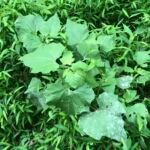 DiseaseCucurbit Powdery MildewPodosphaera xanthii (Castagne) U. Braun & Shishkoff
 DiseaseRose powdery mildewPodosphaera pannosa
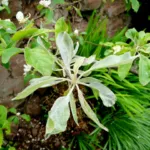 DiseaseApple Powdery MildewPodosphaera leucotricha
 Environmental stressUnderwatering
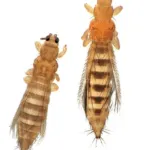 PestOnion thripsThrips tabaci Lindeman
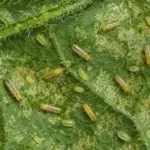 PestMelon thripsThrips palmi Karny
 PestChilli thripsScirtothrips dorsalis Hood
Toxicity and pollen
Species-specific clinical toxicity information is limited. California plant references advise against eating any part of Helenium bigelovii. Treat the plant as ornamental, do not ingest it, and wear gloves if handling causes skin irritation. Keep plant material away from children and pets as a precaution.
- Typical season
- Late June through July in much of the United States
- Pollination / pollen
- Insect-dispersed composite pollen
As an insect-pollinated composite, its pollen is generally released close to the flower and is less readily dispersed through the air than wind-pollinated plants. However, low airborne allergy relevance does not mean zero risk; sensitive people may react during handling or close contact with flowering plants.
Native habitat
The species is native to western North America, with strong representation in California and occurrences extending into neighboring western regions. It is found in wet meadows, seeps, stream margins, riparian communities, and montane to subalpine settings. Moisture availability is a defining ecological factor, and the plant is not a reliable choice for dry, unirrigated sites.
Interesting fact
It is native to western North America, especially California and parts of the surrounding West. The species is commonly associated with wetlands, riparian settings, and mountain habitats rather than dry desert sites. Its persistent basal rosette can remain visually important through much of the growing season. The species has been used in horticultural trials as a representative of western sneezeweeds.
Frequently asked questions (FAQ)
The most relevant questions about this plant, with short and direct answers.
🌱Quick care
What is igelow's sneezeweed?⌄
Igelow's sneezeweed is the accepted species Helenium bigelovii, a North American herbaceous perennial in the daisy family, Asteraceae. It is native mainly to moist mountain meadows and streamside habitats in California and Oregon.
Is Helenium bigelovii a perennial?⌄
Yes, Helenium bigelovii is a cold-hardy herbaceous perennial. Its stems die back or become dormant in colder conditions, then regrow during the growing season.
How much sun does igelow's sneezeweed need?⌄
Grow igelow's sneezeweed in full sun to partial shade. More sun generally supports stronger stems and heavier flowering, while afternoon shade can help in hot, dry climates.
How often should I water Helenium bigelovii?⌄
Water Helenium bigelovii regularly enough to keep the soil evenly moist. Do not allow the root zone to dry out for extended periods, but avoid stagnant water around the crown.
What soil is best for igelow's sneezeweed?⌄
Use moisture-retentive, well-drained loam for igelow's sneezeweed. Soil that stays consistently moist without becoming poorly drained best matches its wet-meadow habitat.
🌤️Environment and placement
Where should I plant Helenium bigelovii?⌄
Plant Helenium bigelovii in a sunny border, rain garden, wet meadow garden, or near a stream where the soil remains moist. It is a poor choice for hot, dry, sharply drained locations unless irrigation is reliable.
Can igelow's sneezeweed grow in partial shade?⌄
Yes, igelow's sneezeweed can grow in partial shade, especially where summers are hot. Flowering may be reduced and stems may become less sturdy with substantially less than several hours of direct sun.
Is Helenium bigelovii suitable for a rain garden?⌄
Yes, Helenium bigelovii can suit a rain garden or other seasonally wet planting when the site also drains adequately. It prefers consistent moisture rather than permanently stagnant, anaerobic soil.
What USDA hardiness zone is Helenium bigelovii?⌄
The exact hardiness range for Helenium bigelovii is not consistently documented across references, so a single reliable USDA zone rating should not be assumed. Its native mountain distribution indicates good cold tolerance, but local winter wetness and provenance matter.
How big does igelow's sneezeweed get?⌄
Igelow's sneezeweed commonly grows about 1 to 3 feet tall, although height varies with moisture, elevation, and growing conditions. Give it room to form an upright, branching clump.
Is Helenium bigelovii native to the United States?⌄
Yes, Helenium bigelovii is native to the western United States, especially mountain and foothill regions of California and Oregon. It is associated with moist meadows, marshy sites, and stream margins.
💧Care and problems
Why is my Helenium bigelovii wilting?⌄
Wilting usually means the soil is too dry, the roots are stressed after planting, or the plant is exposed to excessive heat. Check soil moisture several inches below the surface and water deeply when needed.
Does igelow's sneezeweed need fertilizer?⌄
Igelow's sneezeweed usually needs little fertilizer when grown in reasonably fertile soil. Excess nitrogen can produce lush, weak growth, so use compost or a light, balanced feeding only if growth is poor.
Should I deadhead Helenium bigelovii?⌄
Yes, deadheading Helenium bigelovii can improve its appearance and may encourage additional flowering. Leave some late-season seedheads if you want natural reseeding or wildlife interest.
Does Helenium bigelovii need staking?⌄
Helenium bigelovii may need staking if it is grown in rich soil, heavy shade, or an exposed location. Full sun, moderate fertility, and consistent moisture usually help it maintain stronger stems.
What pests affect igelow's sneezeweed?⌄
Igelow's sneezeweed can occasionally experience common garden pests such as aphids, thrips, or leaf-chewing insects. Monitor new growth and flowers, and improve air circulation and watering practices if foliage diseases appear.
🪴Planting and repotting
When should I plant Helenium bigelovii?⌄
Plant Helenium bigelovii in spring after the ground can be worked or in early fall while temperatures are moderate. Spring planting is safer in regions with severe winters or uncertain establishment.
How far apart should igelow's sneezeweed be planted?⌄
Space igelow's sneezeweed about 18 to 24 inches apart, adjusting for the expected mature size and local growing conditions. Wider spacing improves airflow, while closer spacing creates a fuller mass planting.
Can Helenium bigelovii grow in a container?⌄
Helenium bigelovii can grow in a large container if the pot holds moisture while providing good drainage. Use a container at least 12 inches wide and deep, and monitor it closely because containers dry faster than garden soil.
Can I grow igelow's sneezeweed in wet clay soil?⌄
Igelow's sneezeweed can tolerate moisture-retentive clay if excess water drains away and the crown is not submerged. Improve compacted soil with organic matter and avoid planting where water remains stagnant.
✂️Propagation and pruning
How do you propagate Helenium bigelovii?⌄
Propagate Helenium bigelovii from seed or by division. Division is generally the more predictable method for producing a flowering-sized plant, while seed-grown plants may vary and take longer to mature.
Can I grow igelow's sneezeweed from seed?⌄
Yes, igelow's sneezeweed can be grown from seed. Sow fresh seed on the surface or barely cover it, keep it evenly moist, and expect germination to be variable or slow.
When should I divide Helenium bigelovii?⌄
Divide Helenium bigelovii in early spring as new growth begins or in early fall after flowering. Replant divisions promptly and keep them consistently moist while roots become established.
Should Helenium bigelovii be cut back in fall?⌄
Cut Helenium bigelovii back after flowering if you prefer a tidy garden or leave the stems standing through winter for structure and seedheads. Remove dead growth in late winter or early spring before new shoots expand.
⚠️Toxicity and safety
Is igelow's sneezeweed poisonous to people?⌄
The safety of igelow's sneezeweed is not sufficiently established for consumption, so do not eat any part of the plant. Wear gloves when handling it if you have sensitive skin, and keep plant material away from children and pets.
Does Helenium bigelovii cause hay fever or sneezing?⌄
Despite its common name, Helenium bigelovii is not generally regarded as a major hay-fever plant because its pollen is primarily moved by insects. The name refers to historical use of sneezeweed leaves as snuff, not a recommendation for use.
Can dogs or cats eat igelow's sneezeweed?⌄
Do not allow dogs or cats to eat igelow's sneezeweed because its toxicity is not clearly established. Contact a veterinarian or pet poison service if ingestion occurs, especially if vomiting, drooling, or lethargy develops.
🌸Flowering and special interest
When does Helenium bigelovii bloom?⌄
Helenium bigelovii generally blooms from summer into early fall, with timing varying by elevation, climate, and growing conditions. In cooler mountain gardens, flowering may begin later than in lower, warmer sites.
What color are igelow's sneezeweed flowers?⌄
Igelow's sneezeweed typically produces yellow, daisy-like flower heads with prominent rounded centers. The central disk may darken as the flowers mature.
Does Helenium bigelovii attract pollinators?⌄
Yes, Helenium bigelovii provides nectar and pollen for insect pollinators, including bees and butterflies. Its late-season flowers can be especially useful when fewer native perennials are blooming.
Is igelow's sneezeweed deer resistant?⌄
Igelow's sneezeweed may receive less browsing than highly palatable plants, but it should not be considered reliably deer-proof. Deer pressure varies by region, season, and available food.
Similar plants
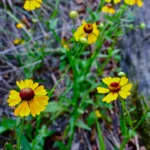 Southern Sneezeweed (Helenium flexuosum) care guideHelenium flexuosum
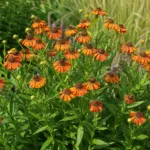 Helenium ‘Waltraut’Helenium 'Waltraut'
 Helenium ‘Ruby Tuesday’Helenium 'Ruby Tuesday'
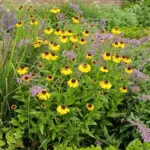 Helenium ‘Wyndley’Helenium 'Wyndley'
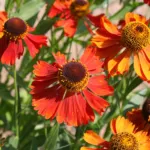 Helenium ‘Moerheim Beauty’Helenium 'Moerheim Beauty'
 Sneezeweed ‘Sahin’s Early Flowerer’ (Helenium ‘Sahin’s Early Flowerer’)Helenium 'Sahin's Early Flowerer'