
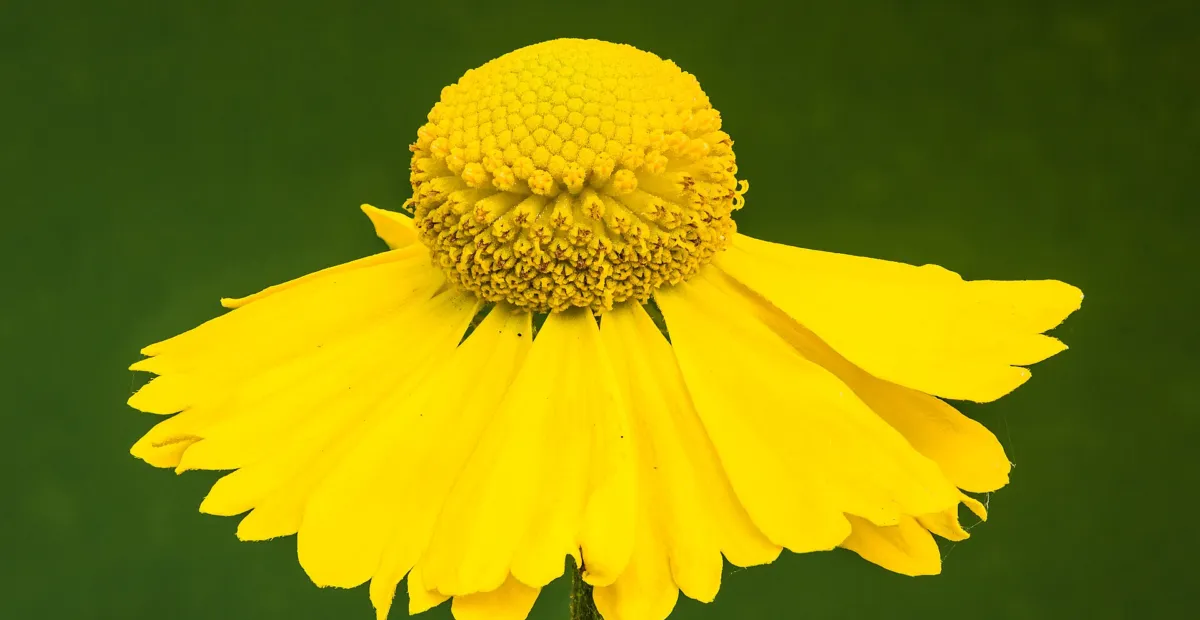
 Source:
Sneezeweed (Helenium autumnale) short overview
Sneezeweed (Helenium autumnale) is a long-lived North American perennial valued for its bright yellow, daisy-like flower heads in late summer and fall. It forms an upright clump with distinctive winged stems and narrow leaves, performing best in full sun and fertile, consistently moist soil. Use it in rain gardens, wet meadows, borders and pollinator plantings, where its late-season blooms support a diverse range of flower visitors.
Taxonomic classification
Sneezeweed (Helenium autumnale) care guide
Light and placement
Grow in full sun for the strongest flowering, ideally with at least 6 hours of direct light and reliable soil moisture. A site with morning-to-afternoon sun is preferable; light afternoon shade is tolerated in hot climates but may reduce flowering and increase flopping. Pale, weak stems and sparse blooms suggest insufficient light, while scorched foliage usually indicates drought or excessive heat rather than excessive sun alone.
Watering and humidity
Water deeply whenever the upper inch of soil begins to dry, and keep the root zone evenly moist through summer. Newly planted specimens may need weekly irrigation, while established plants in wet ground need little supplemental water. Do not let containers dry completely. Avoid prolonged stagnant water around the crown, especially in poorly drained pots.
Soil and growing medium
Use fertile, humus-rich soil that holds moisture without remaining stagnant. Loam, clay loam and improved garden soil are suitable; the species tolerates wet ground better than dry ground. Good drainage is still useful in containers and compacted sites. A slightly acidic to slightly alkaline soil reaction is generally acceptable.
Feeding
Mix compost into poor soil before planting, then use a light spring application of balanced fertilizer only if growth is weak. Avoid heavy nitrogen feeding, which can produce tall, floppy stems and reduce flowering quality. Do not fertilize drought-stressed or newly transplanted plants until they have resumed growth.
Growth and habit
This upright, clump-forming perennial produces multiple branching stems from a crown. Early-summer pinching or cutting back helps reduce flopping and encourages lateral branching. Keep the root zone evenly moist, particularly during hot weather, because drought can shorten flowering and weaken stems.
Planting and repotting
Plant in spring or early fall when the soil is workable. Set transplants at the same depth as in their nursery container and water deeply during establishment. Space plants about 18–30 inches apart, allowing airflow and room for mature clumps. Mulch lightly to conserve moisture without covering the crown.
Grow in a large container with drainage holes if necessary, using moisture-retentive potting soil amended with compost. Repot or divide in early spring before vigorous growth, moving the plant into fresh mix and watering thoroughly. Containers dry faster than garden soil and need closer monitoring.
Propagation and pruning
Propagation
Sow seeds in fall or provide cold, moist stratification before spring sowing; light may aid germination, so press seed onto the surface rather than burying deeply. Divide established clumps in spring every few years if vigor declines. Keep new divisions evenly moist until rooted.
Pruning
Cut stems back by about one-third in early June if a shorter, sturdier plant is desired. Remove spent flower stems after flowering for tidiness or leave them through winter for structure and seed-eating wildlife. Cut remaining stems to the ground in late winter or early spring before new growth emerges.
Overwintering
Leave stems standing through winter or cut them back after dormancy. In USDA Zones 3–5, apply a light mulch after the ground begins to freeze, keeping mulch away from the crown. Container plants are more vulnerable to root freezing and should be placed in a sheltered location or sunk into the ground.
Uses
Use in native borders, rain gardens, wet meadows, pond margins and late-season pollinator plantings. The tall stems add vertical structure and the flowers can be used for cutting. It is not recommended as a food or home remedy; livestock should be kept from consuming it.
Appearance
The plant forms an upright clump of branched, mostly smooth stems. Narrow lance-shaped leaves are arranged alternately, with bases extending downward along the stem to form narrow wings. Numerous yellow ray florets surround rounded yellow disk centers, creating a distinctive late-season daisy-like display.
Flowering
Flower heads appear from late summer into fall, with yellow ray florets surrounding rounded yellow disk centers. Flowering is usually strongest in full sun and evenly moist soil. Cutting plants back by about one-third in early June can produce shorter, more branched plants with more flower heads.
Pollination and visitors
The flower heads are documented as visited by honey bees, native bees including bumblebees, wasps, flies, butterflies, moths and beetles. Its late-season flowering period provides nectar and pollen resources when fewer perennial species remain in bloom.
Helenium autumnale photos
Click any photo for a larger view. Source, author and license are shown separately.
Diseases and pests
Diseases
Provide spacing and airflow to reduce powdery mildew and foliar leaf spots, especially in humid weather. Water at the soil line rather than frequently wetting foliage. Remove badly affected leaves and clear spent stems in fall or late winter; avoid routine fungicide use unless symptoms are severe and correctly identified.
Pests
Inspect new growth for aphids and foliage for chewing insects. Encourage beneficial insects and avoid broad-spectrum insecticides during bloom. Remove heavily damaged material and improve plant vigor with adequate moisture and spacing; serious infestations are uncommon in healthy outdoor plantings.
Related diseases and pests
Only Plant Doctor profiles whose host data indicate this plant may be affected are shown here.
 DiseaseMaple powdery mildewSawadaea bicornis
 DiseaseCucurbit Powdery MildewPodosphaera xanthii (Castagne) U. Braun & Shishkoff
 DiseaseRose powdery mildewPodosphaera pannosa
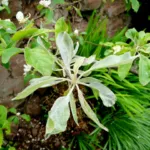 DiseaseApple Powdery MildewPodosphaera leucotricha
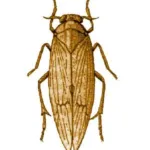 PestBrown planthopperNilaparvata lugens (Stål)
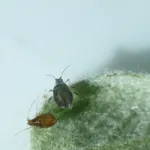 PestRosy Apple AphidDysaphis plantaginea
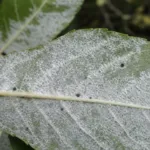 DiseaseAsh Powdery MildewPhyllactinia fraxini (DC.) Fuss
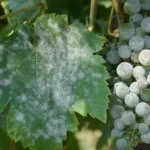 DiseaseGrape Powdery MildewErysiphe necator Schwein. (synonym: Uncinula necator)
Toxicity and pollen
The species is documented as poisonous to livestock, with blossoms considered especially hazardous when eaten in quantity; dried material can remain toxic. Evidence for serious poisoning from ordinary garden contact is limited, but ingestion should be prevented. Wear gloves if sensitive to plant sap or foliage and seek professional advice after suspected ingestion.
- Typical season
- Late summer through fall
- Pollination / pollen
- Insect-dispersed pollen, not typically windborne
As an insect-pollinated composite, its pollen is primarily presented within flower heads rather than released as a large airborne cloud. Airborne exposure is therefore generally expected to be low, but sensitive people may still react to contact with flowers or plant debris; species-specific clinical allergy evidence is limited.
Native habitat
Native across much of North America, where it occurs in wet meadows, stream and pond margins, swamps, sloughs, moist depressions, ditches and other open wet ground. It is associated with sunny or partly sunny sites and soils that remain moist for much of the growing season.
Interesting fact
The name sneezeweed refers to historical use of dried plant material as snuff, not to a proven allergy effect.
The species epithet autumnale refers to its late-season flowering.
Its leaf bases extend down the stem as distinctive narrow wings.
Individual plants may carry many flower heads in a branching display.
Frequently asked questions (FAQ)
The most relevant questions about this plant, with short and direct answers.
🌱Quick care
What is Helenium autumnale?⌄
Helenium autumnale, commonly called Sneezeweed, is a clump-forming herbaceous perennial native to much of the United States and southern Canada. It produces daisy-like flowers in late summer and fall and is well suited to moist pollinator gardens.
How much sun does Sneezeweed need?⌄
Sneezeweed grows best in full sun, meaning at least 6 hours of direct sunlight daily, but it also tolerates partial shade. Plants in more sun usually flower more heavily and remain sturdier.
How much water does Helenium autumnale need?⌄
Helenium autumnale needs consistently medium to wet soil and should not be allowed to dry out for extended periods. Water during dry spells, especially when grown in average garden soil rather than naturally damp ground.
Is Sneezeweed a perennial?⌄
Yes, Sneezeweed is a hardy herbaceous perennial that returns from its crown each year. It is generally hardy in USDA Zones 3 through 8.
How big does Helenium autumnale get?⌄
Helenium autumnale typically grows about 3 to 5 feet tall and 2 to 3 feet wide. Taller plants may need staking or a nearby support plant, particularly in rich soil or windy locations.
🌤️Environment and placement
What kind of soil is best for Sneezeweed?⌄
Sneezeweed prefers moist, fertile, humus-rich soil and tolerates clay and occasionally wet ground. It performs poorly in persistently dry soil, especially during active growth and flowering.
Can Helenium autumnale grow in wet soil?⌄
Yes, Helenium autumnale is well adapted to moist and wet soil and can grow beside ponds, streams, drainage areas, and rain gardens. The site should still provide adequate light and not remain stagnant or severely anaerobic.
Can Sneezeweed grow in clay soil?⌄
Yes, Sneezeweed tolerates clay soil, particularly when the soil remains moist and contains organic matter. Adding compost can improve structure and fertility, but avoid creating a dry, overly amended planting pocket.
Is Helenium autumnale native to the United States?⌄
Yes, Helenium autumnale is native across a broad area of the United States and parts of southern Canada. Its natural habitats include wet meadows, stream edges, ponds, swamps, and other moist open ground.
Is Sneezeweed good for pollinators?⌄
Yes, Sneezeweed is a valuable late-season pollinator plant visited by bees, butterflies, and other beneficial insects. Its summer-to-fall flowers help extend garden resources after many earlier perennials finish blooming.
💧Care and problems
Why is my Sneezeweed wilting?⌄
Sneezeweed most often wilts because the soil has become too dry, although severe root problems or transplant stress can also contribute. Keep the root zone evenly moist and check that the plant is not competing with nearby thirsty vegetation.
Why is Helenium autumnale not blooming?⌄
The most common causes are insufficient sunlight, dry soil, excessive nitrogen, or recent transplanting. Provide full sun, steady moisture, and moderate fertility because overly rich feeding can produce foliage at the expense of flowers.
Why is my Sneezeweed falling over?⌄
Sneezeweed may flop because of its naturally tall growth, rich soil, insufficient light, wind, or excess nitrogen. Stake it early or cut the stems back in late spring or early summer to encourage shorter, more branched growth.
Does Sneezeweed need fertilizer?⌄
Sneezeweed usually needs little or no supplemental fertilizer when planted in fertile soil. Avoid heavy nitrogen applications because they can cause lanky growth and reduce flowering.
What diseases affect Helenium autumnale?⌄
Helenium autumnale can develop powdery mildew, leaf spot, or rust, especially when foliage stays crowded or damp. Improve air circulation, avoid wetting the leaves, and remove seriously affected foliage after the season.
Is Sneezeweed deer resistant?⌄
Sneezeweed is generally avoided by deer and rabbits because its foliage is bitter and potentially toxic when eaten in quantity. No plant is completely browse-proof, so occasional feeding can still occur.
🪴Planting and repotting
When should I plant Sneezeweed?⌄
Plant Sneezeweed in spring or fall when temperatures are moderate and the soil can be worked. Spring planting gives roots a full growing season to establish, while fall planting works best before the ground freezes.
How far apart should Helenium autumnale be planted?⌄
Space Helenium autumnale about 2 to 3 feet apart, adjusting for the mature size of the cultivar. Good spacing allows air circulation and gives each clump room to develop without excessive crowding.
Can Sneezeweed grow in a rain garden?⌄
Yes, Sneezeweed is an excellent choice for a rain garden or other moist landscape because it tolerates wet soil and supports pollinators. Place it where the soil stays moist but the plant receives ample sunlight.
✂️Propagation and pruning
How do you propagate Helenium autumnale?⌄
Propagate Helenium autumnale by seed or division, while named cultivars are usually maintained by division or cuttings. Division is useful for renewing crowded or declining clumps.
Can Sneezeweed be grown from seed?⌄
Yes, the species can be grown from seed, although seedlings may vary from named cultivars. Sow fresh seed in spring or provide the cool, moist conditions often needed for reliable germination.
When should I divide Sneezeweed?⌄
Divide Sneezeweed in spring as new growth begins or in fall after flowering. Division is usually needed only every 3 to 5 years, or when a clump becomes crowded, weak, or less floriferous.
When should I cut back Helenium autumnale?⌄
Cut Helenium autumnale back after flowering or in early spring before new growth resumes. For shorter, sturdier plants with more branches, cut stems back in late spring or early summer, at least several weeks before flowering.
Should I deadhead Sneezeweed?⌄
Yes, deadheading Sneezeweed can encourage additional flowering and improve its appearance. Leave some spent heads if you want to provide seed or allow limited self-sowing.
⚠️Toxicity and safety
Is Helenium autumnale poisonous to humans or pets?⌄
Helenium autumnale is moderately poisonous if eaten, especially in quantity, and its sap may irritate sensitive skin. Keep children and pets from ingesting the plant, and do not use it medicinally without qualified professional guidance.
Why is Sneezeweed called Sneezeweed?⌄
Sneezeweed received its common name from the historical use of dried, powdered leaves and flower heads as snuff intended to induce sneezing. This historical use does not make the plant safe to ingest or use medicinally today.
🌸Flowering and special interest
When does Helenium autumnale bloom?⌄
Helenium autumnale usually blooms from late summer into fall, commonly from August through October in much of the United States. Timing varies with climate, cultivar, pruning, and growing conditions.
What color are Sneezeweed flowers?⌄
The species typically has yellow ray flowers surrounding yellow to brownish central disks. Cultivars and hybrids may also produce orange, copper, red, or bi-colored flowers.
How can I make Sneezeweed bloom more?⌄
Give Sneezeweed full sun, consistent moisture, and moderate fertility, then deadhead spent flowers to encourage further bloom. Cutting the stems back in late spring or early summer can also increase branching and flower production, although it may delay flowering slightly.
Similar plants
 Foxtail Palm (Wodyetia bifurcata) care guideWodyetia bifurcata
 He Mexican fan palm (Washingtonia robusta) care guideWashingtonia robusta
 He California fan palm (Washingtonia filifera) care guideWashingtonia filifera
 Veitchia arecina care guideVeitchia arecina
 Trachycarpus latisectus care guideTrachycarpus latisectus
 He Chusan palm (Trachycarpus fortunei) care guideTrachycarpus fortunei