
 Source:
Double Trouble sneezeweed (Helenium ‘Double Trouble’) short overview
Helenium 'Double Trouble' is a standout perennial sneezeweed selected for its unusual fully double, frilled flowers in clear golden yellow. The sterile blooms extend the display from midsummer into fall and sit above deep green foliage on strong, upright stems. Plant it in full sun with evenly moist, well-drained soil, where it brings late-season color to borders and provides useful material for cutting gardens.
Taxonomic classification
Double Trouble sneezeweed (Helenium ‘Double Trouble’) care guide
Light and placement
Give the plant at least 6 hours of direct sun for the strongest stems and best flowering. In hot regions, light afternoon shade is acceptable if the soil remains moist. Too little light produces fewer blooms and weaker, taller stems; excessive heat combined with dry soil can cause wilting and premature lower-leaf decline.
Watering and humidity
Water deeply when the top inch of soil begins to dry, keeping the root zone evenly moist rather than alternating between drought and saturation. Increase frequency during flowering, hot weather, and container culture. Reduce watering after dormancy begins, but do not let newly planted divisions dry out.
Soil and growing medium
Use fertile, moisture-retentive soil that still drains freely. Loam amended with compost is ideal; sandy or clay soils can be improved with organic matter. A neutral to slightly alkaline reaction is tolerated, but consistently wet, stagnant soil can cause root problems.
Feeding
Spread a thin layer of compost around the plant in spring, keeping it away from the crown. If growth is weak, use a balanced slow-release perennial fertilizer at label rate. Avoid heavy nitrogen feeding, which can produce lush, floppy growth and increase disease pressure.
Growth and habit
Forms an upright, branching clump with flowering stems that may need support in exposed or fertile sites. A spring pinch or early-summer cutback can encourage shorter, sturdier flowering stems. Divide when vigor declines or the clump becomes congested.
Planting and repotting
Plant in spring or early fall after the soil is workable. Set the crown at the same depth as in its nursery pot and space plants about 16–24 inches apart. Water regularly during the first growing season so roots establish before summer heat or winter cold.
Container-grown plants can be moved into a larger pot in spring when roots fill the existing container. Use a fertile, well-drained potting mix, keep the crown at its original depth, and water thoroughly after transplanting.
Propagation and pruning
Propagation
Propagate commercially and in gardens by division or rooted tip cuttings in spring. Because the cultivar is sterile, seed will not reliably reproduce its characteristics. Respect any applicable plant-patent or propagation restrictions where relevant.
Pruning
Deadhead spent flowers to improve appearance and extend the display. Cut stems back after flowering or in late fall once they have browned. In spring, remove old growth before new shoots expand; a May pinch or early-summer cutback can reduce flopping.
Overwintering
Leave some stems standing through winter for structure, then cut them back in late winter or early spring. Apply a light mulch in cold areas after the ground freezes, keeping mulch away from the crown. Container plants need extra root protection because their roots experience colder temperatures than plants in the ground.
Uses
Use ‘Double Trouble’ in sunny borders, mixed perennial beds, cutting gardens, and large containers. Its long-lasting yellow display is especially useful late in the season, and the stems can be cut for arrangements. Do not use it as an edible or medicinal plant.
Appearance
The plant has deep green, narrow lance-shaped leaves arranged along firm, winged stems. Its identification feature is the unusually full flower head: several rows of notched, frilled yellow ray florets surround a rounded yellow-gold disk. Compared with single heleniums, the blooms have a denser, fluffier outline.
Flowering
This vegetative cultivar produces fully double, frilled ray florets around rounded golden centers. The blooms are sterile and therefore do not normally produce viable seed, which contributes to a long display. In U.S. gardens, flowering commonly begins in July and can continue into October.
Pollination and visitors
The flower heads can be visited by butterflies, bees, bumblebees, and hoverflies. General helenium references identify the genus as a useful late-season nectar and pollen source, but the double cultivar may provide less accessible floral resources than single forms.
Helenium 'Double Trouble' photos
Click any photo for a larger view. Source, author and license are shown separately.
Diseases and pests
Diseases
Provide good air circulation and avoid wetting foliage late in the day. Powdery mildew may appear during humid, crowded conditions, and some trial observations reported poor resistance. Remove badly affected leaves, reduce congestion, and avoid excessive nitrogen.
Pests
Slugs and snails may damage young foliage, especially in damp gardens. Monitor leaf undersides and new growth for aphids. Improve airflow, remove hiding places, hand-pick pests, and use only proportionate controls when damage is significant.
Related diseases and pests
Only Plant Doctor profiles whose host data indicate this plant may be affected are shown here.
 DiseaseMaple powdery mildewSawadaea bicornis
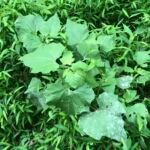 DiseaseCucurbit Powdery MildewPodosphaera xanthii (Castagne) U. Braun & Shishkoff
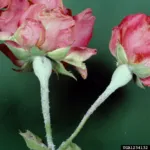 DiseaseRose powdery mildewPodosphaera pannosa
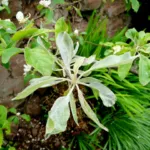 DiseaseApple Powdery MildewPodosphaera leucotricha
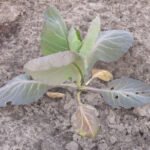 Environmental stressNitrogen deficiency
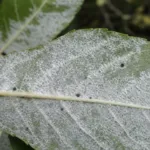 DiseaseAsh Powdery MildewPhyllactinia fraxini (DC.) Fuss
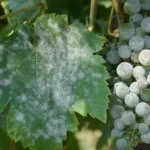 DiseaseGrape Powdery MildewErysiphe necator Schwein. (synonym: Uncinula necator)
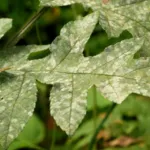 DiseaseApiaceae Powdery MildewErysiphe heraclei
Toxicity and pollen
Helenium foliage is reported to be bitter and potentially harmful if eaten in large quantities, and sap or plant contact may irritate sensitive skin. Avoid ingestion and wear gloves when handling if you have reactive skin. Cultivar-specific toxicity testing is limited.
- Typical season
- Not specifically documented for this cultivar; flowering season is July–October
- Pollination / pollen
- Insect-associated flower pollen; airborne exposure not well documented
Helenium is not generally recognized as a major airborne allergy plant, and this cultivar's sterile double flowers are unlikely to release abundant viable pollen. However, cultivar-specific airborne pollen measurements are unavailable, so sensitive individuals should avoid assuming zero allergy risk.
Native habitat
The Helenium genus is associated with open, sunny habitats such as moist meadows, wet prairies, stream margins, and seasonally moist soils across North America. This cultivated selection performs best when its roots remain cool and evenly supplied with moisture while the crown drains well.
Interesting fact
‘Double Trouble’ is reported as the first true double-flowered sneezeweed introduced to the horticultural market. Its flowers are sterile, so the plant is maintained through vegetative propagation rather than dependable seed. The cultivar was introduced by Dutch plantsman Petrus Damen.
Frequently asked questions (FAQ)
The most relevant questions about this plant, with short and direct answers.
🌱Quick care
What is Helenium 'Double Trouble'?⌄
Helenium 'Double Trouble' is a compact perennial sneezeweed with bright yellow, double flowers and a prominent golden center. It is valued for late-summer color, cut flowers, and pollinator-friendly borders.
How much sun does Helenium 'Double Trouble' need?⌄
Plant Helenium 'Double Trouble' in full sun for the strongest growth and best flowering. It tolerates partial shade, but shade can reduce flowering and make stems less sturdy.
How often should I water Helenium 'Double Trouble'?⌄
Water Helenium 'Double Trouble' regularly enough to keep the soil evenly moist, especially during hot or dry weather. Do not leave it in stagnant water because the roots still need good drainage.
How tall does Helenium 'Double Trouble' get?⌄
Helenium 'Double Trouble' typically grows about 30 to 32 inches tall and roughly 16 to 24 inches wide. Height can vary with soil fertility, moisture, pruning, and growing conditions.
When does Helenium 'Double Trouble' bloom?⌄
Helenium 'Double Trouble' generally blooms from midsummer into early fall, often beginning in July or August in the United States. Bloom timing varies with climate and whether the plant was pinched earlier in the season.
🌤️Environment and placement
What is the best location for Helenium 'Double Trouble'?⌄
Choose a sunny border, cottage garden, prairie-style bed, or cut-flower garden with fertile, moisture-retentive soil. Avoid very dry sites and exposed, windy positions where flowering stems may lean.
Can Helenium 'Double Trouble' grow in partial shade?⌄
Yes, Helenium 'Double Trouble' can tolerate partial shade, particularly in hot climates. It usually flowers more heavily and maintains a stronger habit with several hours of direct sun.
What type of soil does Helenium 'Double Trouble' prefer?⌄
It prefers fertile, moist, well-drained loam, but it can adapt to improved sandy or clay soil. Amend poor soil with organic matter while preserving drainage around the crown.
Is Helenium 'Double Trouble' hardy in the United States?⌄
Helenium 'Double Trouble' is a frost-hardy perennial that can overwinter outdoors in suitable U.S. climates. Exact performance depends on local winter temperatures, drainage, and whether the crown is exposed to repeated freeze-thaw cycles.
Does Helenium 'Double Trouble' attract pollinators?⌄
Yes, its flowers can attract butterflies and other flower-visiting insects. Because the cultivar has double blooms, access to nectar may differ from that of single-flowered sneezeweeds.
Is Helenium 'Double Trouble' deer resistant?⌄
Helenium 'Double Trouble' is generally considered relatively resistant to deer browsing because its foliage is bitter. No plant is completely deer-proof, especially when deer pressure is high or preferred food is scarce.
💧Care and problems
Does Helenium 'Double Trouble' need staking?⌄
It may need staking if grown in rich soil, heavy shade, windy conditions, or very wet conditions that encourage taller, softer growth. Pinching or cutting the stems back earlier in the season can produce a shorter, sturdier plant.
How do I keep Helenium 'Double Trouble' from flopping?⌄
Give it full sun, avoid excessive fertilizer, maintain steady moisture, and use a support ring if stems begin to lean. Pinching the plant or cutting it back by about half in late spring can also improve branching and reduce height.
Should I deadhead Helenium 'Double Trouble'?⌄
Yes, deadheading can keep the display neat and encourage additional flowering. Remove spent flower heads just above a healthy set of leaves, although leaving some heads in place provides winter structure.
When should Helenium 'Double Trouble' be cut back?⌄
Cut the stems to the crown in late winter or early spring before new growth expands. You can also cut them back after flowering if you prefer a tidier fall garden.
Why is my Helenium 'Double Trouble' losing leaves?⌄
Leaf loss can result from drought stress, poor root conditions, disease, or the cultivar's tendency to develop sparse lower foliage as summer progresses. Keep moisture even, improve air circulation, and inspect for leaf spot or powdery mildew.
What problems affect Helenium 'Double Trouble'?⌄
Helenium 'Double Trouble' is usually trouble-free but can develop powdery mildew, leaf spot, aphids, or weak stems. Good spacing, full sun, steady watering at the soil line, and removal of badly affected foliage help reduce problems.
🪴Planting and repotting
When should I plant Helenium 'Double Trouble'?⌄
Plant it in spring or early fall when temperatures are moderate and the soil is workable. Spring planting gives the root system a full growing season to establish before winter.
How far apart should I plant Helenium 'Double Trouble'?⌄
Space plants about 16 to 24 inches apart, adjusting for the mature width and desired density. Wider spacing improves air circulation, while closer spacing creates a fuller mass after establishment.
Can Helenium 'Double Trouble' grow in a container?⌄
Yes, it can grow in a large container with drainage holes, fertile potting mix, and consistent watering. Containers dry out faster than garden soil, so check moisture frequently during summer.
How do I plant Helenium 'Double Trouble' in the ground?⌄
Set the plant at the same depth it was growing in its nursery container, then water thoroughly. Mulch the surrounding soil to conserve moisture, but keep mulch away from the crown.
✂️Propagation and pruning
How is Helenium 'Double Trouble' propagated?⌄
This cultivar is primarily propagated vegetatively by licensed growers using tip cuttings, and established clumps may also be divided. Seed is not a dependable way to reproduce its double-flowered characteristics.
Can I grow Helenium 'Double Trouble' from seed?⌄
Growing an identical Helenium 'Double Trouble' from seed is not reliable because the cultivar is vegetatively maintained and its double flowers are described as sterile. Use a purchased plant or an appropriate vegetative propagation method instead.
Can Helenium 'Double Trouble' be divided?⌄
Yes, established clumps can generally be divided in spring or fall when weather is mild. Divide healthy outer sections with roots and shoots, and replant them promptly at the original depth.
Should I pinch Helenium 'Double Trouble' in spring?⌄
Pinching the growing tips in late spring can encourage branching, reduce height, and help prevent flopping. It may delay flowering slightly, so avoid pinching if the earliest possible blooms are your priority.
⚠️Toxicity and safety
Is Helenium 'Double Trouble' toxic to dogs or cats?⌄
Helenium 'Double Trouble' is a low-concern ornamental, but eating substantial quantities may cause irritation or illness. Keep pets and children from consuming the plant, and contact a veterinarian or poison-control service if symptoms develop.
Can Helenium 'Double Trouble' irritate skin?⌄
Yes, handling Helenium may cause skin irritation in sensitive people, although this is not universal. Wear gloves when pruning or dividing the plant and wash exposed skin afterward.
Is Helenium 'Double Trouble' edible or medicinal?⌄
No, Helenium 'Double Trouble' should not be used as food, tea, or a home remedy. The historical common name sneezeweed does not mean the cultivar is safe for ingestion.
🌸Flowering and special interest
What color are the flowers on Helenium 'Double Trouble'?⌄
The flowers are a clear, bright yellow with multiple rows of frilled petals surrounding a prominent golden center. The double flower form makes this cultivar distinctive among sneezeweeds.
Are Helenium 'Double Trouble' flowers good for cutting?⌄
Yes, the flowers are suitable for cutting and can brighten summer and early-fall arrangements. Harvest stems when the flowers are open or just beginning to open, and remove foliage that would sit below the waterline.
How can I make Helenium 'Double Trouble' bloom longer?⌄
Provide full sun, consistent moisture, and regular deadheading throughout the flowering period. Avoid excessive nitrogen fertilizer, which can produce lush foliage at the expense of flowers.
Similar plants
 Helenium ‘Waltraut’Helenium 'Waltraut'
 Helenium ‘Fuego’Helenium 'Fuego'
 Helenium ‘Ruby Tuesday’Helenium 'Ruby Tuesday'
 Southern Sneezeweed (Helenium flexuosum) care guideHelenium flexuosum
 Rosilla (Helenium puberulum) care guideHelenium puberulum
 Sneezeweed ‘Kanaria’ (Helenium ‘Kanaria’)Helenium 'Kanaria'