
 Source:
Sneezeweed ‘Kanaria’ (Helenium ‘Kanaria’) short overview
Helenium 'Kanaria' is a tall, clump-forming sneezeweed with branching stems, lance-shaped green leaves, and bright canary-yellow flower heads. It flowers from late summer into fall and performs best in full sun with fertile soil that stays evenly moist but drains well. Regular deadheading extends the display, while an early-season cutback can reduce height and improve branching. The flowers are valuable for cutting and attract insect visitors.
Taxonomic classification
Sneezeweed ‘Kanaria’ (Helenium ‘Kanaria’) care guide
Light and placement
Give 'Kanaria' full sun, ideally with a south- or west-facing exposure and at least 6 hours of direct light. Morning sun with good afternoon light produces the strongest flowering. Too little light can cause stretched stems and fewer flowers; harsh, dry exposure can cause wilt and scorch, especially in containers.
Watering and humidity
Water deeply when the upper inch of soil begins to dry, keeping the root zone consistently moist during active growth and flowering. Increase frequency during hot, dry spells and reduce only after dormancy begins. Do not allow container plants to dry completely, but avoid stagnant, waterlogged soil.
Soil and growing medium
Use fertile, moisture-retentive soil that still drains freely. Loam amended with compost is suitable; clay can be improved with organic matter and careful drainage. The cultivar tolerates a broad pH range, including acidic, neutral, alkaline, and calcareous soils, but performs poorly when allowed to remain persistently dry.
Feeding
Apply a thin layer of compost in spring or use a balanced slow-release perennial fertilizer at label rates as growth begins. Avoid heavy nitrogen feeding, which can cause excessive height, weak stems, and lodging. Do not fertilize drought-stressed or newly transplanted plants until they are actively growing.
Growth and habit
Forms a dense, upright clump with branching flowering stems. Mature plants can become top-heavy in exposed positions; an early-summer cutback can shorten stems, increase branching, delay flowering modestly, and reduce the need for staking. Divide periodically when the center loses vigor.
Planting and repotting
Plant in spring or early fall, setting the crown at the same depth as in its nursery pot. Space plants about 18–24 inches apart, allowing room for a mature clump. Water deeply after planting and maintain consistent moisture through the first growing season.
For containers, repot or divide in spring when roots fill the pot. Move into a slightly larger container with a substantial, free-draining compost and keep the root ball evenly moist while it re-establishes.
Propagation and pruning
Propagation
Divide established clumps in spring or fall every 2–4 years, separating vigorous crowns with roots and shoots. Softwood cuttings can be taken in spring. Seed may not reproduce the named cultivar faithfully, so use division or cuttings for true-to-type plants.
Pruning
Deadhead regularly to prolong flowering and improve the border’s appearance. For shorter, more branched plants, cut stems back in early summer, allowing at least six weeks before expected flowering. Cut the dormant stems to the ground in late fall or early spring.
Overwintering
Leave a light layer of mulch over the root zone in cold or exposed gardens, keeping mulch away from the crown. Cut dormant stems in late fall or early spring. Container plants are more vulnerable to freezing; overwinter them outdoors only in a suitably hardy container or move them to an unheated protected space.
Uses
A strong choice for late-season borders, rain gardens, meadow-style plantings, prairie schemes, and cutting gardens. The stems are useful for bouquets, and the flowers provide nectar and pollen for insect visitors. Do not use it as food or medicine; ingestion of Helenium foliage or flowers should be avoided.
Appearance
The plant has upright, branching green stems and alternate, lance-shaped leaves. Its numerous terminal flower heads are a clear, uniform yellow, creating a strong vertical color effect in late summer. Mature clumps are dense and leafy at the base, while the upper stems carry many flower heads suitable for cutting.
Flowering
The cultivar produces numerous open daisy-like flower heads on branched stems. Clear yellow ray florets surround yellow to yellow-green central discs. In U.S. gardens, flowering is generally concentrated from August into October, with a longer display when spent flowers are removed.
Pollination and visitors
The open flower heads provide accessible pollen and nectar for a range of insect visitors, including bees, bumblebees, butterflies, hoverflies, and wasps. The cultivar is insect-pollinated rather than wind-pollinated, and its late-season bloom helps extend floral resources in the garden.
Helenium 'Kanaria' photos
Click any photo for a larger view. Source, author and license are shown separately.
Diseases and pests
Diseases
Powdery mildew, leaf spot, and rust may occur, especially where foliage stays crowded or wet. Improve air circulation, water at the soil line, remove affected leaves, and cut back and discard diseased debris after the season. Avoid excessive nitrogen, which can produce weak, overly tall growth.
Pests
Usually relatively pest-free. Monitor for aphids, leafhoppers, and occasional chewing damage. Encourage beneficial insects, remove heavily infested shoots, and use targeted treatment only when damage is significant. Avoid dense planting and excess nitrogen, which can worsen general plant stress.
Related diseases and pests
Only Plant Doctor profiles whose host data indicate this plant may be affected are shown here.
 DiseaseMaple powdery mildewSawadaea bicornis
 DiseaseCucurbit Powdery MildewPodosphaera xanthii (Castagne) U. Braun & Shishkoff
 DiseaseRose powdery mildewPodosphaera pannosa
 DiseaseApple Powdery MildewPodosphaera leucotricha
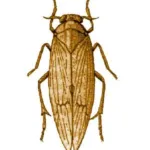 PestBrown planthopperNilaparvata lugens (Stål)
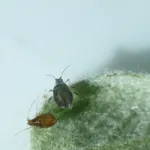 PestRosy Apple AphidDysaphis plantaginea
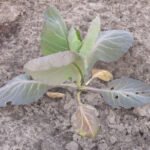 Environmental stressNitrogen deficiency
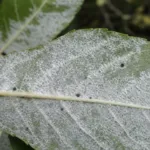 DiseaseAsh Powdery MildewPhyllactinia fraxini (DC.) Fuss
Toxicity and pollen
Helenium autumnale, the species most closely associated with cultivated sneezeweeds, is reported by North Carolina Extension as poisonous if ingested in large quantities and capable of causing contact dermatitis. Evidence specific to 'Kanaria' is sparse. Keep plant material away from grazing animals and discourage ingestion; wear gloves if skin is sensitive.
- Typical season
- Late summer through fall
- Pollination / pollen
- Insect-carried pollen
Helenium flowers release pollen primarily through insect contact rather than wind dispersal, so they are generally considered a low airborne-allergy concern. Sensitive individuals can still react to direct contact or to plant material, and dried flower heads may shed dust when handled.
Native habitat
The Helenium lineage is associated with moist meadows, wet fields, stream margins, pond edges, and other sunny habitats in North and Central America. In cultivation, 'Kanaria' is adaptable but gives its best growth where roots remain cool and evenly supplied with moisture.
Interesting fact
'Kanaria' was developed by German breeder Karl Foerster. Its cultivar name refers to the clear canary-yellow flower color. Missouri Botanical Garden notes that the flower discs can darken to rusty orange as they mature, adding fall interest. NC State cut-flower trials recorded long stems, strong productivity, and notably good vase life, although support may be needed in windy sites.
Frequently asked questions (FAQ)
The most relevant questions about this plant, with short and direct answers.
🌱Quick care
What is Helenium 'Kanaria' commonly called?⌄
Helenium 'Kanaria' is commonly called sneezeweed 'Kanaria' or canary sneezeweed. It is a clump-forming herbaceous perennial grown for bright yellow, daisy-like flowers.
How much sun does Helenium 'Kanaria' need?⌄
Helenium 'Kanaria' needs full sun, ideally at least 6 hours of direct sunlight daily. Insufficient light can produce weaker stems and fewer flowers.
How often should I water Helenium 'Kanaria'?⌄
Water Helenium 'Kanaria' whenever the soil surface begins to dry, keeping the root zone evenly moist. Do not allow the plant to remain in stagnant water or severely dry out.
Is Helenium 'Kanaria' perennial or annual?⌄
Helenium 'Kanaria' is a hardy herbaceous perennial. It dies back or becomes dormant in winter and regrows from its crown in spring.
What USDA hardiness zones can grow Helenium 'Kanaria'?⌄
Helenium 'Kanaria' is generally hardy in USDA Zones 4 through 9. Performance can still vary with winter moisture, exposure, and local growing conditions.
🌤️Environment and placement
How large does Helenium 'Kanaria' get?⌄
Helenium 'Kanaria' typically grows about 3 to 4 feet tall and 2 to 3 feet wide. Rich soil and consistent moisture can encourage taller growth.
Where should I plant Helenium 'Kanaria'?⌄
Plant Helenium 'Kanaria' in a sunny border, rain garden, meadow, pond edge, or other location with fertile, moist but well-drained soil. Choose a site with enough room for its upright, branching habit.
Can Helenium 'Kanaria' grow in wet soil?⌄
Helenium 'Kanaria' tolerates consistently moist and somewhat wet soil, provided drainage is adequate. It performs poorly in dry soil and may decline in waterlogged conditions.
Can Helenium 'Kanaria' grow in a container?⌄
Helenium 'Kanaria' can be grown in a large container, but it needs excellent drainage, regular watering, and enough root space for a tall perennial. Container plants may need extra winter protection in cold climates.
Does Helenium 'Kanaria' need staking?⌄
Helenium 'Kanaria' may need staking or another support, especially in windy sites, rich soil, or when plants become tall. Early-season pruning can reduce the likelihood of flopping.
💧Care and problems
What type of soil is best for Helenium 'Kanaria'?⌄
Use fertile, moist but well-drained loam for Helenium 'Kanaria'. It can tolerate a range of soil types, but consistently dry or excessively poor soil usually reduces vigor and flowering.
Why is my Helenium 'Kanaria' flopping?⌄
Helenium 'Kanaria' may flop because of excessive height, rich soil, wind, insufficient light, or uneven watering. Use support or cut the plant back in early summer to encourage shorter, more branched stems.
Should I fertilize Helenium 'Kanaria'?⌄
Helenium 'Kanaria' usually needs only modest fertilization in fertile soil. Avoid heavy feeding because excessive fertility can produce overly tall growth and increase the need for support.
What problems affect Helenium 'Kanaria'?⌄
Helenium 'Kanaria' can be affected by powdery mildew, leaf spot, and rust, particularly when foliage stays damp and air circulation is poor. Space plants properly, water at the soil line, and remove badly affected leaves.
How do I prevent powdery mildew on Helenium 'Kanaria'?⌄
Improve air circulation, provide full sun, avoid overhead watering, and keep the soil evenly moist rather than alternating between drought and heavy irrigation. Removing crowded or diseased foliage can also help.
🪴Planting and repotting
When is the best time to plant Helenium 'Kanaria'?⌄
Plant Helenium 'Kanaria' in spring after the soil is workable or in early fall, allowing time for roots to establish before extreme weather. Spring planting is preferable in areas with severe winters.
How far apart should I plant Helenium 'Kanaria'?⌄
Space Helenium 'Kanaria' about 24 to 36 inches apart, depending on soil fertility and the desired appearance. Wider spacing improves airflow around mature plants.
Can I plant Helenium 'Kanaria' in a rain garden?⌄
Yes, Helenium 'Kanaria' is well suited to a sunny rain garden or moist border with good drainage. Avoid placing it in a permanently submerged area.
✂️Propagation and pruning
How do I propagate Helenium 'Kanaria'?⌄
Propagate Helenium 'Kanaria' most reliably by dividing established clumps in spring or fall. Softwood cuttings in spring are also possible, while seed may not reliably reproduce the named cultivar.
When should I divide Helenium 'Kanaria'?⌄
Divide Helenium 'Kanaria' in spring as new growth begins or in early fall. Dividing every 2 to 3 years can help maintain vigor and prevent overcrowded clumps.
Should I cut back Helenium 'Kanaria' in early summer?⌄
Cutting Helenium 'Kanaria' back in early summer, about 6 weeks before normal flowering, can reduce height and encourage branching. This may delay flowering slightly but often produces a fuller, more manageable plant.
How do I deadhead Helenium 'Kanaria'?⌄
Remove faded flower heads just above a healthy set of leaves to encourage additional flowering and keep the plant tidy. Leave some late-season seed heads if you want birds to forage or limited self-seeding to occur.
⚠️Toxicity and safety
Is Helenium 'Kanaria' toxic to people or pets?⌄
Helenium 'Kanaria' should be treated as potentially harmful if ingested. Keep plant material away from children and pets, and contact a medical professional or veterinarian if ingestion occurs.
🌸Flowering and special interest
When does Helenium 'Kanaria' bloom?⌄
Helenium 'Kanaria' generally blooms from August through October in temperate climates. Flowering can begin earlier or later depending on latitude, pruning, weather, and establishment.
What color are Helenium 'Kanaria' flowers?⌄
Helenium 'Kanaria' produces bright canary-yellow flowers with yellow centers. The flowers create a strong late-summer and fall display in sunny borders.
Does Helenium 'Kanaria' attract pollinators?⌄
Yes, Helenium 'Kanaria' attracts butterflies and other insect pollinators. Its late-season flowers can provide useful nectar when many summer perennials are finishing.
Is Helenium 'Kanaria' good as a cut flower?⌄
Yes, Helenium 'Kanaria' is useful as a cut flower because it produces long, branching stems and a clear yellow color. Cut stems when flowers are opening for the best vase performance.
Does Helenium 'Kanaria' rebloom after deadheading?⌄
Helenium 'Kanaria' may produce additional flowers after spent blooms are removed, especially when plants have adequate moisture and sunlight. Deadheading does not guarantee a second flush in every climate.
Similar plants
 Sneezeweed (Helenium autumnale) care guideHelenium autumnale
 Sneezeweed ‘Sahin’s Early Flowerer’ (Helenium ‘Sahin’s Early Flowerer’)Helenium 'Sahin's Early Flowerer'
 Helenium ‘Ruby Tuesday’Helenium 'Ruby Tuesday'
 Helenium ‘Waltraut’Helenium 'Waltraut'
 Helenium ‘Feuersiegel’Helenium 'Feuersiegel'
 Helenium ‘Sombrero’Helenium 'Sombrero'