
 Source:
 Rosilla (Helenium puberulum) short overview
Rosilla (Helenium puberulum) is a California-to-Baja California perennial in the daisy family. It forms upright, branching clumps with alternate lance-shaped leaves and yellow, toothed rays surrounding domed brown-to-purple centers. In nature it is associated with moist meadows, wetland edges, and riparian settings. Give it full sun, reliable moisture, and soil that drains without drying severely; its summer-to-fall bloom supports a range of flower-visiting insects.
Taxonomic classification
Rosilla (Helenium puberulum) care guide
Light and placement
Provide at least 6 hours of direct sun, ideally with morning-to-afternoon exposure in an open bed or wet meadow edge. Full sun supports stronger stems and better flowering. Too little light can cause weak, floppy growth and fewer heads; intense heat combined with drying soil can cause wilting and scorched foliage, so maintain moisture rather than adding shade as the first response.
Watering and humidity
Water deeply whenever the upper soil begins to dry, keeping the root zone consistently moist during active growth. Increase frequency during hot, dry weather and reduce only after flowering or when foliage naturally declines. Avoid constantly stagnant conditions around the crown. Extra humidity is generally unnecessary outdoors if the soil moisture is reliable.
Soil and growing medium
Use moisture-retentive loam, sandy loam, or clay-loam amended with organic matter, but avoid stagnant water around the crown. Good drainage is important even though the species is associated with wet meadows and riparian habitats. A roughly neutral to slightly acidic or slightly alkaline soil is suitable; exact pH limits are not well documented for this species.
Feeding
Apply a thin layer of compost in spring or use a balanced, slow-release fertilizer at the low end of the label rate if growth is weak. Do not heavily fertilize rich soil or feed during drought stress. Excess nitrogen can produce soft, leafy growth and may increase disease pressure.
Growth and habit
This perennial develops an upright, branching, multi-stemmed clump and can spread visually as it matures. Keep surrounding vegetation open enough for airflow and access to moisture. Deadheading can improve appearance and may encourage additional flowering, while leaving some heads supports seed development.
Planting and repotting
Plant in spring or fall when soil is workable. Set the crown at the same depth as it grew in its container. Space plants about 18–24 inches apart for airflow and a natural clump. Water regularly during establishment, especially in the first summer, and mulch lightly without covering the crown.
Repot only when container roots become crowded, preferably in late winter or early spring. Move the plant with the root ball intact and water thoroughly after transplanting. Because this species favors consistent moisture, use a container with drainage holes and a substrate that holds water without becoming stagnant.
Propagation and pruning
Propagation
Start from seed or divide established clumps. Sow fresh seed on or near the soil surface because detailed species-specific germination requirements are not well documented. Division is best done in early spring or fall, keeping several shoots and roots in each section.
Pruning
Remove spent flower heads to tidy the plant and potentially extend bloom. Cut stems back after flowering or once foliage has declined. Leave some seed heads standing over winter if natural reseeding and wildlife value are desired.
Overwintering
In USDA Zones 6–9, leave the crown in the ground and apply a light mulch after the soil cools. Avoid heavy, wet mulch against the crown. In colder or poorly drained locations, container plants may need sheltered placement, but species-specific winter limits remain uncertain.
Uses
Useful in native borders, wet meadow plantings, rain gardens, riparian-style landscapes, and pollinator gardens where irrigation or naturally moist soil is available. It can also contribute seasonal color to large containers. Do not use it as food or medicine; toxicity information for the exact species is limited.
Appearance
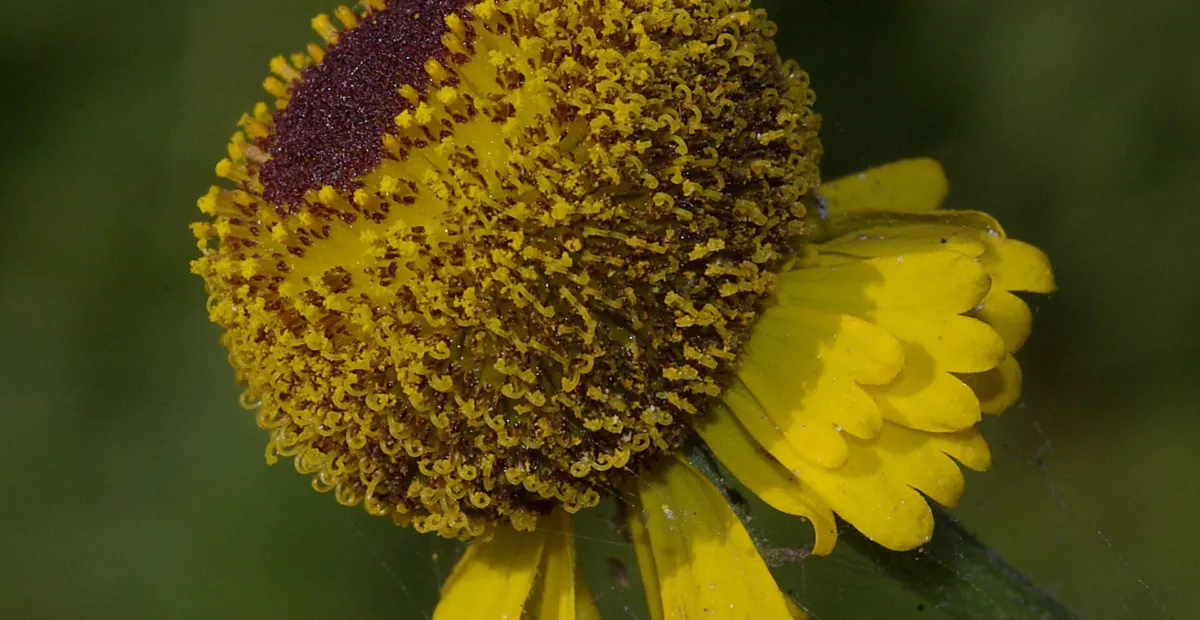
Rosilla has green, winged stems and alternate, simple lance-shaped leaves with glandular dots. The plant forms a branching, upright clump rather than a basal rosette. Its most distinctive feature is the display of yellow, toothed rays around raised brown-to-purple centers, carried above the leafy stems.
Flowering
The flower heads are daisy-like composites with yellow rays surrounding a domed center of brownish to purplish disk florets. Individual heads are medium-sized and borne in a branched display. In United States garden references, Helenium generally flowers from summer into fall; exact timing for H. puberulum varies by region and moisture regime.
Pollination and visitors
Regional pollinator guidance documents Rosilla as visited by bees, butterflies, beetles, and flies. The composite flower heads provide accessible floral resources, while related Helenium species are recognized as useful late-season pollinator plants. A single pollinator species cannot be assigned confidently from the available evidence.
Helenium puberulum photos
Click any photo for a larger view. Source, author and license are shown separately.
Diseases and pests
Diseases
Watch for powdery mildew, leaf spot, and rust, especially where foliage stays crowded or air circulation is poor. Improve spacing, water at the soil surface, remove badly affected leaves, and avoid unnecessary overhead irrigation. Severe recurring disease is more likely in stressed or persistently shaded plantings.
Pests
Specific pest records for H. puberulum are limited. Monitor young growth for aphids, spider mites during drought, and chewing damage from generalist insects. Maintain steady moisture, remove heavily infested material, and use targeted controls only when damage is substantial.
Related diseases and pests
Only Plant Doctor profiles whose host data indicate this plant may be affected are shown here.
 DiseaseMaple powdery mildewSawadaea bicornis
 DiseaseCucurbit Powdery MildewPodosphaera xanthii (Castagne) U. Braun & Shishkoff
 DiseaseRose powdery mildewPodosphaera pannosa
 DiseaseApple Powdery MildewPodosphaera leucotricha
 Environmental stressSalt stress
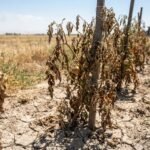 Environmental stressHeat stress
 Environmental stressDrought stress
 DiseaseAsh Powdery MildewPhyllactinia fraxini (DC.) Fuss
Toxicity and pollen
Species-specific toxicology is limited. The broader Helenium genus is listed by university horticultural guidance as poisonous if large quantities are eaten, with sesquiterpene lactones implicated. Treat all parts as unsuitable for consumption, keep plant material away from children and pets, and seek professional advice after significant ingestion.
- Typical season
- Late spring through summer, depending on local bloom timing
- Pollination / pollen
- Insect-carried pollen; limited wind dispersal expected
As an insect-pollinated composite, its pollen is primarily transferred within flower visitors rather than dispersed widely by wind. However, species-specific airborne pollen and allergy studies were not found, so low exposure is a cautious practical estimate rather than a demonstrated medical classification.
Native habitat
Native from California to northwestern Mexico. It is especially associated with moist meadows, wetland margins, valley grassland, and wetland-riparian communities, often in sites that remain damp for part of the growing season. It is not a true aquatic plant, but it tolerates wetter ground than many garden perennials.
Interesting fact
The species was first published in 1836 and is accepted by current Kew taxonomic resources. Its native range extends from California into northwestern Mexico. Calflora records it as a perennial herb associated especially with meadows and wetland-riparian communities. One documented common name is Rosilla.
Frequently asked questions (FAQ)
The most relevant questions about this plant, with short and direct answers.
🌱Quick care
What is Helenium puberulum commonly called?⌄
Helenium puberulum is commonly called Rosilla. It is a California and Baja California native in the sunflower family, Asteraceae.
Is Helenium puberulum an annual or perennial?⌄
Helenium puberulum can behave as an annual or a short-lived perennial. Consistently moist soil favors longer persistence, while dry conditions may shorten its life cycle.
How tall does Rosilla grow?⌄
Rosilla typically grows about 3–5 feet tall. Height can vary with moisture, soil, and growing conditions.
When does Helenium puberulum bloom?⌄
Helenium puberulum generally blooms from late summer into fall, often August through October. Timing varies with climate and seasonal moisture.
🌤️Environment and placement
Does Helenium puberulum need full sun?⌄
Yes, Rosilla grows best in full sun. It may tolerate light shade when the soil remains consistently moist, but flowering and stem strength may be reduced.
Where should I plant Rosilla?⌄
Plant Rosilla in a sunny bed, meadow, rain garden, creek-side planting, or other site with regular moisture. Choose a location with good air circulation and enough room for its tall flower stems.
What soil is best for Helenium puberulum?⌄
Helenium puberulum prefers moist, well-drained loam or sandy or clay loam enriched with organic matter. It tolerates a range of soil reactions, provided the site is not persistently stagnant or waterlogged.
Can Rosilla grow in wet soil?⌄
Rosilla tolerates regularly moist soil and naturally occurs near creeks, seeps, and moist meadows. Avoid permanently boggy conditions unless drainage remains adequate around the roots.
Is Helenium puberulum drought tolerant?⌄
Helenium puberulum is not reliably drought tolerant during establishment. Mature plants may tolerate short dry periods, but prolonged dryness can reduce flowering or make the plant behave as an annual.
Is Rosilla native to the United States?⌄
Yes, Rosilla is native to California and also occurs in Baja California. It is especially associated with moist habitats such as meadows, stream edges, and seeps.
What USDA hardiness zone is Helenium puberulum?⌄
A definitive USDA hardiness range for Helenium puberulum is not well established. Its cold tolerance appears variable, so gardeners outside its native climate should use local seed sources or provide winter protection while testing it.
💧Care and problems
How often should I water Helenium puberulum?⌄
Water Rosilla regularly enough to keep the soil evenly moist, especially during its first growing season and during hot, dry weather. Reduce irrigation only when seasonal rainfall supplies adequate moisture.
Why is my Rosilla wilting?⌄
Rosilla commonly wilts when the root zone becomes too dry, particularly in full sun. Check soil moisture first, then improve drainage if the soil is saturated and roots remain stressed.
Does Helenium puberulum need fertilizer?⌄
Helenium puberulum usually needs little fertilizer when planted in reasonably fertile soil. A spring layer of compost is generally preferable to heavy feeding, which can produce weak, overly tall growth.
Should I deadhead Helenium puberulum?⌄
Deadhead Rosilla to improve appearance and potentially extend flowering. Leave some seed heads in place if you want to support birds or encourage natural reseeding.
Should Rosilla be cut back in fall?⌄
You can leave Rosilla standing through fall and winter for seed and wildlife value, then cut it back in early spring. Remove diseased or collapsed stems sooner if they create a sanitation problem.
What pests affect Helenium puberulum?⌄
Rosilla may be affected by slugs, snails, and occasional stem or bulb eelworms. Good spacing, moisture management, and removal of damaged foliage can help limit problems.
What diseases can affect Rosilla?⌄
Potential problems include powdery mildew, leaf spot, Verticillium wilt, and virus diseases. Avoid prolonged leaf wetness, improve air circulation, and remove severely diseased plants.
🪴Planting and repotting
Can Helenium puberulum be grown in a container?⌄
Yes, Rosilla can be grown in a large container with drainage holes and moisture-retentive potting mix. Choose a heavy pot and expect to water more often than plants grown in the ground.
When is the best time to plant Rosilla?⌄
Plant Rosilla in spring or fall when temperatures are mild and soil moisture is dependable. Spring planting is safer in regions with uncertain winter hardiness, while fall planting can work well in mild climates.
How far apart should Helenium puberulum plants be planted?⌄
Space Rosilla plants about 18–30 inches apart, adjusting for the expected height and local growing conditions. Wider spacing improves airflow, while closer spacing creates a fuller display.
✂️Propagation and pruning
How do you grow Helenium puberulum from seed?⌄
Sow Rosilla seeds on the soil surface or barely cover them, keep them moist, and provide bright light. Fall sowing can work well outdoors, while brief cold stratification may improve germination in some batches.
Do Rosilla seeds need cold stratification?⌄
Rosilla seeds do not always require cold stratification, but a short cold, moist period may improve or synchronize germination. Because seed behavior can vary, sowing both untreated and briefly stratified seed is a practical approach.
Does Helenium puberulum reseed?⌄
Yes, Rosilla can reseed readily when seed heads are left in place and the soil remains suitable. Remove developing seed heads if you want to limit spread.
Can Helenium puberulum be propagated by division?⌄
Division may be possible when a mature clump has developed, preferably in spring or late fall. Seed propagation is generally the more dependable method because Rosilla may be short-lived and does not always form a large clump.
Can Rosilla be grown from cuttings?⌄
Rosilla can sometimes be propagated from softwood or semi-hardwood cuttings, but rooting may be slow and inconsistent. Fresh seed is usually the simpler and more reliable option.
⚠️Toxicity and safety
Is Helenium puberulum poisonous to people or pets?⌄
Rosilla should not be eaten, especially in large quantities, because Helenium species contain compounds that may cause adverse reactions. Keep plant material away from children and pets, and contact a poison-control or veterinary professional after ingestion.
Why is Helenium called sneezeweed?⌄
The sneezeweed name refers to historical use of dried plant material as snuff to induce sneezing. This traditional association does not make Rosilla safe to ingest or inhale.
🌸Flowering and special interest
What do Helenium puberulum flowers look like?⌄
Rosilla produces rounded, yellow to yellow-brown flower heads made mostly of tiny disk florets, sometimes surrounded by a small fringe of short rays. The unusual ball-shaped heads distinguish it from many other Helenium species.
Is Helenium puberulum good for pollinators?⌄
Yes, Rosilla is a useful late-season nectar and pollen plant for bees and other insects. Its dense flower heads allow pollinators to forage across many small florets.
Do birds eat Rosilla seeds?⌄
Yes, birds such as goldfinches may use Rosilla seed heads as a food source. Leave mature heads standing through fall and winter if wildlife value is a priority.
Is Helenium puberulum deer or rabbit resistant?⌄
Rosilla may receive less browsing than some garden plants, but it is not reliably deer- or rabbit-proof. Protection may still be necessary where browsing pressure is high.
Similar plants
 Campbell’s Magnolia (Magnolia campbellii) care guideMagnolia campbellii
 Magnolia ‘Susan’Magnolia 'Susan'
 Magnolia ‘Star Wars’Magnolia 'Star Wars'
 Devil’s tobacco (Lobelia tupa) care guideLobelia tupa
 Blue Lobelia (Lobelia siphilitica) care guideLobelia siphilitica
 Crystal Palace (Lobelia erinus ‘Crystal Palace’)Lobelia erinus 'Crystal Palace'