
 Source:
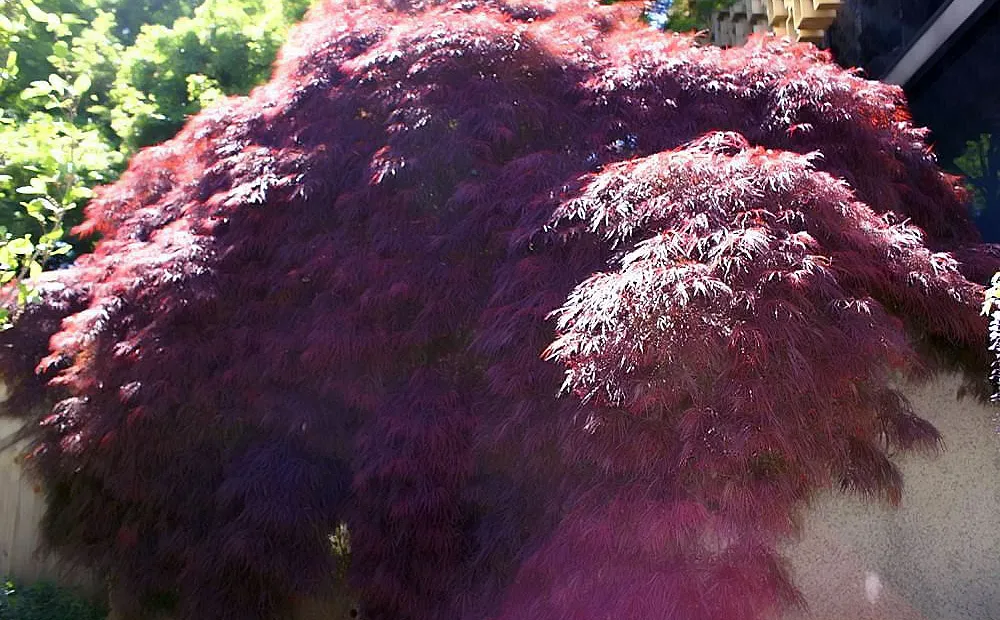
 Crimson Queen (Acer palmatum ‘Crimson Queen’) short overview
Acer palmatum 'Crimson Queen' is a compact, cascading Japanese maple selected for deeply dissected, lace-like leaves that emerge crimson, remain richly red through summer in good light and turn vivid scarlet in fall. Its graceful weeping form suits woodland-style beds, courtyards, patios and containers. Provide evenly moist, well-drained soil, shelter from drying winds and protection from intense afternoon heat, especially in hot summer climates.
Taxonomic classification
Crimson Queen (Acer palmatum ‘Crimson Queen’) care guide
Light and placement
Best in morning sun, bright filtered light or partial afternoon shade. In moderate summer climates, more sun helps preserve the red foliage; in hot or dry regions, protect the leaves from intense western exposure and reflected heat. Scorched brown margins suggest excess heat, drought or wind, while greener, weaker foliage can result from deep shade.
Watering and humidity
Water deeply when the upper few inches of soil begin to dry, then allow excess water to drain. Keep young trees consistently moist during establishment and reduce frequency in cool, wet weather. Container plants need more frequent checks in summer. Mulch the root zone to moderate temperature and reduce evaporation, but never keep the soil saturated.
Soil and growing medium
Use fertile, well-drained soil with steady moisture and good aeration. A loamy, humus-enriched substrate is suitable; avoid compacted clay and sites that remain waterlogged. Slightly acidic to neutral soil is generally appropriate. Mulch the root zone, but keep mulch away from the trunk.
Feeding
Feed only when growth is weak or soil fertility is poor. Apply a slow-release, balanced tree fertilizer in early spring as growth begins, following the product label. Compost or leaf mold can be used as a surface amendment. Do not overfertilize, feed during drought, or apply high-nitrogen fertilizer late in the season.
Growth and habit
This is a slow- to moderate-growing, grafted ornamental maple with a naturally cascading or weeping structure. Branches may arch toward the ground, and the canopy can broaden with age. Maintain a clear graft union and remove vigorous shoots arising below it.
Planting and repotting
Plant in fall or early spring while the tree is dormant. Set the root flare level with or slightly above the surrounding soil and water deeply to settle the root zone. Allow room for the cascading canopy and avoid planting beneath roof runoff or in exposed wind. Mulch lightly over the root area without touching the trunk.
Repot container plants in late winter or early spring before bud break, only when roots fill the container or drainage declines. Move up one pot size, preserve the root ball, and use a free-draining woody-plant mix. Protect newly repotted trees from drying wind and strong afternoon sun while roots re-establish.
Propagation and pruning
Propagation
Named plants are normally propagated vegetatively, especially by grafting onto Acer palmatum rootstock. Rooted cuttings may be possible under specialist conditions, but success is inconsistent. Seed does not reliably reproduce the cultivar, so seedlings should not be sold or labeled as 'Crimson Queen'.
Pruning
Prune sparingly in late winter or during the dormant season, removing dead, crossing or poorly placed branches. Avoid heavy heading cuts, which can spoil the natural cascade. Remove shoots arising from below the graft promptly, as they belong to the rootstock rather than the cultivar.
Overwintering
In the ground, established plants are generally hardy in Zones 5–8. Protect young trees from drying winter wind with a sheltered placement and maintain mulch over the root zone without piling it against the trunk. Container plants are more vulnerable because roots are exposed; overwinter them in an unheated, protected location or insulate the container outdoors.
Uses
A high-value ornamental specimen for small gardens, woodland borders, Japanese-style landscapes, courtyards, patios and large containers. Its cascading structure and red, lace-like foliage provide strong texture and seasonal color. It has no established culinary or medicinal use in this profile.
Appearance
The cultivar has small, palm-shaped leaves divided into very fine, thread-like lobes. New growth is crimson-red, with color often deepening through summer before a scarlet autumn display. Branches form a dense, layered, cascading crown, while the bark becomes more noticeable after leaf fall.
Flowering
Small reddish to purple-red flowers appear in spring before or with the expanding foliage. They are visually modest but are followed by paired winged samaras. Flowering is not the primary ornamental feature of this cultivar.
Pollination and visitors
The small spring flowers can be visited by bees, hoverflies and other small insects, but the cultivar is grown primarily for foliage and is not documented as a major pollinator plant.
Diseases and pests
Diseases
Potential problems include verticillium wilt, anthracnose, cankers and occasional leaf scorch. Improve drainage, avoid trunk and root injury, remove diseased wood with disinfected tools, and water at the root zone rather than over the canopy. Severe wilt or canker symptoms warrant professional diagnosis.
Pests
Watch for aphids, scale, Japanese beetles, borers and mites, especially on stressed trees. Check new growth and undersides of leaves, wash off light infestations, and improve irrigation and site conditions before using pesticides. Avoid unnecessary broad-spectrum insecticides during flowering.
Related diseases and pests
Only Plant Doctor profiles whose host data indicate this plant may be affected are shown here.
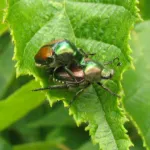 PestJapanese beetlePopillia japonica
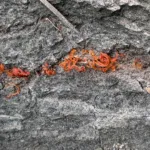 DiseaseCytospora CankerCytospora chrysosperma
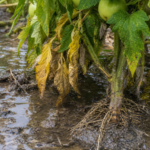 Environmental stressFlooding injury
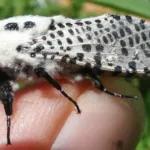 PestLeopard mothZeuzera pyrina
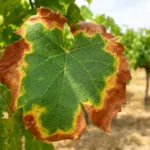 DiseaseXylella fastidiosa bacterial diseasesXylella fastidiosa
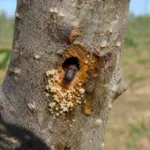 PestEuropean shot-hole borerXyleborus dispar (Fabricius)
 DiseaseMaple powdery mildewSawadaea bicornis
 PestBlack scaleSaissetia oleae
Toxicity and pollen
No strong, cultivar-specific evidence indicates significant toxicity to people, dogs or cats from ordinary garden contact. As with any woody plant, chewing or ingesting plant material may cause minor gastrointestinal upset or mechanical irritation. Prevent pets and children from consuming large quantities and seek medical or veterinary advice if symptoms occur.
- Typical season
- Spring, typically April–May in much of the United States
- Pollination / pollen
- Insect-dispersed pollen
Japanese maples release pollen from small spring flowers, but the flowers are not generally regarded as a major source of airborne allergenic pollen. Individual sensitivity varies, and pollen exposure is usually brief and local.
Native habitat
The species is native to Japan, Korea and parts of eastern China, where it occurs in temperate woodland and mountain environments. It favors fertile, well-drained soils with regular moisture and protection from prolonged heat, drought and strong wind.
Interesting fact
The cultivar was selected for deeply dissected foliage and a cascading habit rather than large flowers. Its leaves can shift from crimson-red to deep reddish purple before turning bright scarlet in fall. Mature specimens are often wider than tall, making them effective near paths and patios.
Frequently asked questions (FAQ)
The most relevant questions about this plant, with short and direct answers.
🌱Quick care
What is Acer palmatum 'Crimson Queen'?⌄
Acer palmatum 'Crimson Queen' is a cascading, laceleaf Japanese maple with finely divided burgundy-red foliage. It is commonly grown as a small specimen tree or shrub.
How big does Acer palmatum 'Crimson Queen' get?⌄
Acer palmatum 'Crimson Queen' typically reaches about 8–10 feet tall and 10–12 feet wide at maturity. Growth is generally slow, and the final size varies with climate, pruning, and growing conditions.
What USDA zones are suitable for 'Crimson Queen' Japanese maple?⌄
'Crimson Queen' is generally suited to USDA Zones 5–8, with some sheltered plantings succeeding in Zone 9. In colder zones, protect the root system and avoid exposed winter wind.
🌤️Environment and placement
Does Acer palmatum 'Crimson Queen' need full sun or shade?⌄
It grows best in morning sun or filtered light with protection from harsh afternoon sun. Cooler climates may allow more sun, while hot or dry sites increase the risk of leaf scorch.
Can 'Crimson Queen' Japanese maple grow in full sun?⌄
It can tolerate full sun when soil moisture is consistent and the site is not excessively hot or windy. Partial shade is safer in much of the United States and usually helps preserve foliage quality.
Where is the best place to plant a 'Crimson Queen' Japanese maple?⌄
Choose a sheltered location with morning sun, afternoon shade, good air circulation, and well-drained soil. Avoid reflected heat from pavement, drying wind, and low areas that stay waterlogged.
Can Acer palmatum 'Crimson Queen' grow in a container?⌄
Yes, it can grow in a large container with excellent drainage and a quality potting mix. Container roots are less winter-hardy than roots in the ground, so insulate the pot or move it to a protected location during severe cold.
💧Care and problems
How often should I water 'Crimson Queen' Japanese maple?⌄
Water deeply whenever the soil begins to dry, keeping it evenly moist but never saturated. Newly planted trees need more frequent monitoring, especially during hot, dry, or windy weather.
Why are the leaves on my 'Crimson Queen' Japanese maple turning brown?⌄
Brown leaf edges are most often caused by heat, drought, drying wind, or excessive sun exposure. Keep the soil consistently moist, add a 2–3 inch mulch layer without touching the trunk, and provide afternoon shade.
Why is my 'Crimson Queen' Japanese maple losing leaves in summer?⌄
Premature summer leaf drop can result from drought stress, leaf scorch, root problems, or severe heat. Check soil moisture and drainage first, because both under-watering and waterlogged roots can damage the foliage.
Does 'Crimson Queen' Japanese maple need fertilizer?⌄
Usually, it needs little fertilizer if planted in reasonably fertile soil. Apply a soil test before feeding, since excess nitrogen can produce weak growth and reduce the plant’s natural form and color.
What soil is best for Acer palmatum 'Crimson Queen'?⌄
Use well-drained loam enriched with organic matter and kept evenly moist. Slightly acidic to neutral soil is generally suitable, but drainage is more important than aggressively changing the soil pH.
How do I protect 'Crimson Queen' from winter damage?⌄
Water the tree before the ground freezes, maintain a 2–3 inch mulch layer over the root zone, and protect it from drying winter wind. Container-grown trees need extra insulation because their roots are more exposed to freezing temperatures.
🪴Planting and repotting
When is the best time to plant 'Crimson Queen' Japanese maple?⌄
Plant it in spring after severe freezes have passed or in early fall while the soil is still workable. Avoid planting during extreme summer heat or immediately before hard freezes.
How do I plant an Acer palmatum 'Crimson Queen'?⌄
Set the tree with its root flare at or slightly above the surrounding soil level, then backfill with native soil and water thoroughly. Mulch broadly over the root zone, but keep mulch several inches away from the trunk.
Can I transplant a 'Crimson Queen' Japanese maple?⌄
Yes, transplant it during dormancy or just before spring growth begins, when possible. Preserve as much of the root ball as you can, replant promptly, and provide consistent moisture while it re-establishes.
How far from a house should I plant 'Crimson Queen' Japanese maple?⌄
Allow approximately 6–8 feet from a foundation, wall, or walkway, while allowing additional room for its broad cascading canopy. Use the expected mature width rather than the size of the nursery tree as your guide.
✂️Propagation and pruning
How is Acer palmatum 'Crimson Queen' propagated?⌄
This cultivar is primarily propagated by grafting or softwood cuttings. Seed does not reliably reproduce the distinctive 'Crimson Queen' foliage and growth habit.
When should I prune 'Crimson Queen' Japanese maple?⌄
Prune lightly during dormancy, usually in late winter or early winter, to remove dead, damaged, crossing, or poorly placed branches. Avoid heavy pruning in spring when maples may bleed sap and active growth is beginning.
Does 'Crimson Queen' Japanese maple need regular pruning?⌄
No, it usually needs only occasional corrective pruning because its cascading form is naturally attractive. Remove competing branches and unwanted upright shoots while preserving the layered structure.
⚠️Toxicity and safety
Is Acer palmatum 'Crimson Queen' toxic to people or pets?⌄
No significant toxicity is documented for Acer palmatum 'Crimson Queen', but it should not be eaten. Keep plant material away from children and pets because individual sensitivities and accidental choking risks can vary.
🌸Flowering and special interest
Does 'Crimson Queen' Japanese maple produce flowers?⌄
Yes, it produces small, inconspicuous reddish-purple flowers in spring. They may be followed by paired winged fruits, but the foliage is the plant’s main ornamental feature.
What color does 'Crimson Queen' turn in fall?⌄
The foliage commonly develops vivid red to orange-red fall color before dropping. Intensity varies with temperature, light exposure, moisture, and the local growing season.
Why is my 'Crimson Queen' not as red as expected?⌄
Leaf color can be affected by too much shade, excessive nitrogen, heat, drought, or normal seasonal variation. Give it bright filtered light, steady moisture, and avoid heavy fertilization.
Similar plants
 Silver maple (Acer saccharinum) care guideAcer saccharinum
 Downy Japanese Maple (Acer japonicum) care guideAcer japonicum
 Acer palmatum care guideAcer palmatum
 Sycamore maple (Acer pseudoplatanus) care guideAcer pseudoplatanus
 Red Snakebark Maple (Acer capillipes) care guideAcer capillipes
 Paperbark Maple (Acer griseum) care guideAcer griseum