
 Source:
Mountain hydrangea and tea of heave (Hydrangea serrata) short overview
Hydrangea serrata is a compact deciduous shrub from Japan and Korea, grown in the United States for lacecap-style flower clusters and attractive serrated foliage. Flowers may develop blue, purple, pink, or white tones depending on cultivar and soil chemistry. Give it morning sun or bright filtered light, consistently moist but well-drained soil, and shelter from hot afternoon exposure. Because it flowers on older wood, prune lightly after blooming.
Taxonomic classification
Mountain hydrangea and tea of heave (Hydrangea serrata) care guide
Light and placement
Provide morning sun and afternoon shade, or bright filtered light beneath open trees. In cooler climates, more sun is acceptable if soil remains consistently moist; in hot summer regions, protect the plant from intense afternoon exposure. Scorched leaf margins, wilting despite moist soil, or faded foliage suggest excessive heat or light, while weak, elongated growth and sparse flowering suggest insufficient light.
Watering and humidity
Water deeply when the upper inch of soil begins to dry, then allow excess water to drain. Keep the root zone evenly moist during active growth, especially in the first two summers and during flowering. Reduce frequency in cool weather but do not allow container plants or newly planted shrubs to become completely dry. Water the soil rather than routinely wetting the foliage.
Soil and growing medium
Use a humus-rich, moisture-retentive but well-drained loam. A slightly acidic soil supports good nutrient availability and may intensify blue or purple flower tones in suitable cultivars; near-neutral soil is also tolerated. Avoid chronically waterlogged ground and highly alkaline, compacted soil. Mulch with organic matter while keeping it away from the stems.
Feeding
Apply a balanced, slow-release shrub fertilizer in early spring as growth begins, following the product label. A thin layer of compost can be used as a gentle alternative. Avoid heavy nitrogen feeding, which promotes leafy growth at the expense of flowering, and stop routine feeding by late summer so new growth can harden before winter.
Growth and habit
This is a multi-stemmed shrub that gradually forms a rounded, spreading clump. New shoots emerge from the base and older stems can become woody and less floriferous. Maintain a natural structure by removing only weak, damaged, or overcrowded stems rather than shearing the plant broadly.
Planting and repotting
Plant in spring or fall, setting the root ball level with the surrounding soil. Space plants about 3–5 feet apart, depending on cultivar size and desired fullness. Water deeply during the first growing season and apply a 2–3 inch organic mulch layer without piling it against the crown.
Repot container plants in early spring before active growth, moving up only one pot size. Use a moisture-retentive, well-drained shrub or acidic-leaning potting mix. Water thoroughly after repotting and provide bright filtered light while roots re-establish.
Propagation and pruning
Propagation
Take softwood cuttings in late spring or early summer, or semi-hardwood cuttings later in the season. Layering is also practical. Seed propagation is possible but slower and less uniform, especially for named cultivars. Keep cuttings evenly moist in bright filtered light until rooted.
Pruning
Prune immediately after flowering if shaping or thinning is necessary, because the species commonly flowers on older wood. Remove spent flower heads and a limited number of weak or aging stems at the base. Avoid hard late-winter pruning, which can remove the next season’s flower buds.
Overwintering
In Zones 6 and colder, apply a 2–3 inch mulch layer after the ground cools, keeping it clear of the stems. Protect young plants from drying winter winds and rapid temperature swings. Avoid heavy late-season nitrogen. Container plants are more vulnerable than in-ground shrubs and may need a sheltered, unheated location where the root ball does not freeze solid for prolonged periods.
Uses
Useful for shaded or morning-sun shrub borders, woodland gardens, foundation plantings, informal hedges, containers, and cut or dried flower arrangements. The species is ornamental rather than a food crop. Do not use leaves, flowers, or stems as tea or food unless the plant identity and traditional preparation are independently verified.
Appearance
The shrub has opposite, ovate leaves with sharply serrated margins and a relatively refined texture compared with bigleaf hydrangea. Stems are woody and multi-branched, producing rounded or spreading growth. Lacecap heads combine small central fertile flowers with conspicuous outer sterile sepals, making the inflorescences useful for identification.
Flowering
Flower heads are typically lacecaps, with small fertile flowers in the center and larger showy sterile sepals around the margin. Blooming generally occurs from late spring into summer on shoots formed during the previous growing season. Flower color varies among cultivars and can shift with soil chemistry, especially where aluminum availability changes.
Pollination and visitors
The small fertile flowers in the center of lacecap heads provide access to visiting insects, including bees, bumblebees, hoverflies, and other small flower visitors. The large outer sepals are showy but generally contribute less directly to nectar and pollen rewards.
Hydrangea serrata photos
Click any photo for a larger view. Source, author and license are shown separately.
Diseases and pests
Diseases
Improve air circulation, avoid overhead irrigation, and remove fallen infected foliage. Common problems include powdery mildew, leaf spot, gray mold, and root rot in poorly drained soil. Prune out badly affected tissue with clean tools and correct moisture or crowding problems before using a fungicide.
Pests
Watch for aphids, scale, spider mites, and Japanese beetles. Inspect new growth and leaf undersides, wash off light infestations, and encourage beneficial insects. Reduce plant stress through regular watering and avoid unnecessary broad-spectrum insecticides during bloom.
Related diseases and pests
Only Plant Doctor profiles whose host data indicate this plant may be affected are shown here.
 DiseaseGray MoldBotrytis cinerea
 PestCyclamen mitePhytonemus pallidus
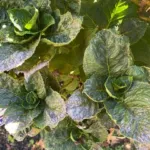 PestChilli thripsScirtothrips dorsalis Hood
 DiseaseAster yellows‘Candidatus Phytoplasma asteris’
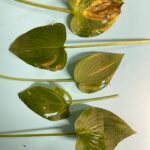 PestStrawberry foliar nematodeAphelenchoides fragariae
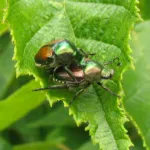 PestJapanese beetlePopillia japonica
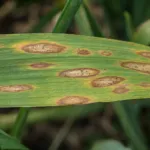 DiseaseBipolaris Leaf Spot, Spot Blotch and Common Root RotBipolaris sorokiniana
 DiseaseMaple powdery mildewSawadaea bicornis
Toxicity and pollen
Hydrangeas contain cyanogenic glycosides and are considered poisonous if eaten. Small accidental exposures commonly cause gastrointestinal upset, but larger ingestions can be more serious. Keep leaves, buds, flowers, stems, and other plant material away from children and pets, and seek professional medical or veterinary advice after ingestion.
- Typical season
- Late spring through summer
- Pollination / pollen
- Primarily insect-carried pollen
Hydrangea serrata is insect-pollinated, so its pollen is not typically released in large airborne clouds. Exposure is expected to be lower than for wind-pollinated trees and grasses, but sensitive individuals may still react to pollen or plant contact during bloom. Avoid assuming zero allergy risk.
Native habitat
The species occurs naturally in temperate parts of Japan and Korea, often in forest margins, mountain slopes, and other partly shaded habitats with dependable moisture. It is associated with humus-rich soils and climates that provide summer rainfall or regular moisture without prolonged waterlogging.
Interesting fact
Hydrangea serrata is native to Japan and Korea and is closely associated with lacecap-style inflorescences. The species is also linked with traditional Japanese sweet-tea use under the name amacha, although garden plants should not be consumed without correct identification and preparation.
Frequently asked questions (FAQ)
The most relevant questions about this plant, with short and direct answers.
🌱Quick care
What is Hydrangea serrata commonly called?⌄
Hydrangea serrata is documented as “mountain hydrangea and tea of heave.” It is a deciduous flowering shrub in the Hydrangeaceae family, native to Japan and Korea.
How much sun does Hydrangea serrata need?⌄
Give Hydrangea serrata morning sun and afternoon shade. It can tolerate more sun in cool, consistently moist conditions, but hot afternoon exposure may scorch leaves and fade flowers.
How often should I water Hydrangea serrata?⌄
Water Hydrangea serrata whenever the soil surface begins to dry, keeping the root zone evenly moist but not saturated. Increase watering during hot, dry weather and reduce it when rainfall keeps the soil damp.
What soil is best for Hydrangea serrata?⌄
Plant Hydrangea serrata in humus-rich, moisture-retentive, well-drained loam. Improve poor soil with compost, but avoid locations that remain waterlogged after rain.
🌤️Environment and placement
Where should I plant Hydrangea serrata?⌄
Choose a site with morning sun, afternoon shade, shelter from drying wind, and consistently moist soil. A woodland edge, north- or east-facing bed, or filtered-light garden location is usually suitable.
What USDA hardiness zones can grow Hydrangea serrata?⌄
Many Hydrangea serrata cultivars are cold-hardy in approximately USDA Zones 5 through 9, but hardiness varies by cultivar. Check the plant label because flower buds may be less hardy than the roots.
Can Hydrangea serrata grow in full sun?⌄
Hydrangea serrata can grow in full sun where summers are cool and the soil stays evenly moist. In hot regions, afternoon shade is safer and helps prevent leaf scorch and premature flower fading.
How large does Hydrangea serrata get?⌄
Hydrangea serrata commonly grows about 2 to 4 feet tall and wide, although mature size varies considerably among cultivars. Compact selections may stay smaller, while vigorous plants can become broader.
💧Care and problems
Why are the leaves of my Hydrangea serrata turning brown?⌄
Brown leaves usually indicate drought stress, hot afternoon sun, wind exposure, or root damage from poorly drained soil. Check soil moisture, water deeply when needed, and provide afternoon shade without keeping the roots constantly wet.
Why is my Hydrangea serrata wilting?⌄
Wilting is most often caused by dry soil, excessive heat, or damaged roots. Water thoroughly if the soil is dry, but investigate drainage and root problems if the soil is already wet.
What pests affect Hydrangea serrata?⌄
Hydrangea serrata may be visited by aphids and other common shrub pests. Inspect new growth and the undersides of leaves, then begin with strong water sprays or a labeled treatment if the infestation persists.
What diseases affect Hydrangea serrata?⌄
Hydrangea serrata can develop powdery mildew, leaf spot, bud blight, or bacterial wilt, especially under stressful or humid conditions. Improve air circulation, water the soil rather than the foliage, and remove badly affected plant material.
Should I fertilize Hydrangea serrata?⌄
Apply a balanced, slow-release fertilizer in spring only if the plant shows weak growth or the soil is low in nutrients. Excess fertilizer can produce leafy growth while reducing flowering and may stress the roots.
🪴Planting and repotting
When is the best time to plant Hydrangea serrata?⌄
Plant Hydrangea serrata in spring after severe freezes or in early fall while the soil is still workable. Spring planting is preferable in colder regions where new roots need time to establish before winter.
How do I plant Hydrangea serrata in the ground?⌄
Dig a hole about twice as wide as the root ball and no deeper than its existing soil level. Backfill with native soil amended with compost, water thoroughly, and apply a 2- to 3-inch mulch layer without touching the stems.
Can Hydrangea serrata grow in a container?⌄
Hydrangea serrata can grow in a large container with drainage holes and moisture-retentive potting mix. Containers dry and freeze faster than garden soil, so monitor moisture closely and protect the root ball in severe winter weather.
✂️Propagation and pruning
How do I propagate Hydrangea serrata from cuttings?⌄
Take softwood cuttings in late spring or early summer, remove the lower leaves, and place them in a sterile, evenly moist rooting medium. Rooting success varies by cultivar, so several cuttings improve the chance of obtaining new plants.
Can Hydrangea serrata be propagated by layering?⌄
Yes, Hydrangea serrata can be propagated by layering a flexible low branch. Cover part of the stem with soil while leaving the tip exposed, keep it moist, and separate it after roots have formed.
When should I prune Hydrangea serrata?⌄
Prune Hydrangea serrata immediately after flowering because it generally blooms on older, previous-season stems. Remove spent flower heads and dead or weak wood, avoiding heavy pruning later in the season.
How do I prune Hydrangea serrata without losing flowers?⌄
Use light pruning just after flowering and avoid cutting healthy older stems late in summer, fall, or winter. Heavy late-season pruning can remove the buds that would produce the following year’s flowers.
⚠️Toxicity and safety
Is Hydrangea serrata poisonous to people or pets?⌄
Hydrangea serrata is moderately toxic if eaten and may cause gastrointestinal upset or other poisoning symptoms. Keep children and pets from chewing the leaves, stems, or flowers, and contact a poison-control or veterinary professional after ingestion.
Can you make tea from Hydrangea serrata leaves?⌄
Some traditional sources associate Hydrangea serrata leaves with sweet tea, but ornamental plants may be misidentified, chemically variable, or treated with pesticides. Do not consume garden leaves unless the plant identity, cultivar, growing conditions, and proper processing are verified by a qualified source.
Is Hydrangea serrata safe to plant around dogs and cats?⌄
It is safer to treat Hydrangea serrata as unsuitable for pets because eating the plant can cause toxicity symptoms. Place it where animals cannot routinely chew the foliage or flowers, and seek veterinary advice if ingestion occurs.
🌸Flowering and special interest
When does Hydrangea serrata bloom?⌄
Hydrangea serrata usually blooms from early or midsummer into summer, with timing varying by cultivar and climate. Flowering may be reduced after a harsh winter, late frost, drought, or overly heavy pruning.
Does Hydrangea serrata have lacecap flowers?⌄
Many Hydrangea serrata cultivars produce lacecap flower heads with small fertile flowers surrounded by larger sterile florets. Some cultivars instead have fuller, mophead-like flower heads.
Why is my Hydrangea serrata not flowering?⌄
The most common causes are winter bud damage, pruning at the wrong time, insufficient light, drought stress, or excess nitrogen. Protect plants from harsh exposure and prune only after flowering.
Can Hydrangea serrata flowers change color?⌄
Yes, flower color may range from blue or purple to pink depending partly on soil acidity and available aluminum. Cultivar genetics also matter, so changing soil pH may not produce a dramatic color change in every plant.
How can I make Hydrangea serrata flowers bluer?⌄
More acidic soil can encourage blue or purple flowers in cultivars capable of changing color. Test the soil first, and do not make rapid or extreme pH changes because cultivar genetics and aluminum availability also affect the result.
Do Hydrangea serrata flowers fade to pink or green?⌄
Many Hydrangea serrata flowers gradually age toward pink, muted purple, green, or antique tones. The final color depends on the cultivar, soil conditions, weather, and flower maturity.
Similar plants
 Blaumeise (Hydrangea macrophylla ‘Blaumeise’)Hydrangea macrophylla 'Blaumeise'
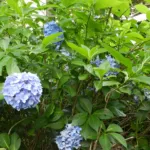 Nikko Blue (Hydrangea macrophylla ‘Nikko Blue’)Hydrangea macrophylla 'Nikko Blue'
 Hydrangea ‘Anomala Petiolaris’Hydrangea 'Anomala Petiolaris'
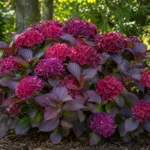 Merveille Sanguine (Hydrangea macrophylla ‘Merveille Sanguine’)Hydrangea macrophylla 'Merveille Sanguine'
 Blue Danube (Hydrangea macrophylla ‘Blue Danube’)Hydrangea macrophylla 'Blue Danube'
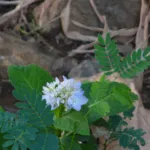 Altona (Hydrangea macrophylla ‘Altona’)Hydrangea macrophylla 'Altona'