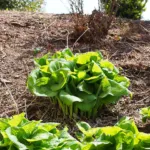
AI-generated illustration
Hosta ‘Mighty Mouse’ short overview
Hosta 'Mighty Mouse' is a registered miniature hosta introduced by Walters Gardens as a sport of 'Blue Mouse Ears'. Its rounded, substantial leaves emerge blue-green with bright creamy-yellow margins that mature toward creamy white. A compact mound is topped in early summer by short scapes carrying lavender flowers. It suits shaded borders, edging, troughs, rock gardens, and containers, provided the soil stays evenly moist but well drained.
Taxonomic classification
Hosta ‘Mighty Mouse’ care guide
Light and placement
Give ‘Mighty Mouse’ bright filtered light, part shade, or full shade. In warmer climates, protect it from strong afternoon sun, which can bleach or scorch the margins and dry the soil quickly. Too little light may produce looser growth and less vigorous flowering, while gentle morning sun can improve variegation without overheating the leaves.
Watering and humidity
Water deeply when the upper inch of soil begins to dry, keeping the root zone consistently moist during active growth. Containers may need watering more often than beds, especially in summer. Reduce watering after dormancy begins, but do not allow container soil to remain bone dry for prolonged periods.
Soil and growing medium
Use fertile, humus-rich soil that holds moisture without becoming waterlogged. A loam amended with compost is suitable. Good drainage helps protect the crown, while a slightly acidic to neutral reaction is generally appropriate. Avoid compacted, chronically wet soil and sites where reflected heat rapidly dries the root zone.
Feeding
Apply a modest layer of compost or a balanced, slow-release perennial fertilizer in early spring as shoots emerge. Avoid heavy nitrogen, which can produce soft foliage and encourage pest damage. Stop routine feeding by late summer so the plant can prepare for dormancy.
Growth and habit
This cultivar forms a compact, slowly broadening clump from a short crown. Establishment is usually steady rather than rapid, and mature appearance improves over several seasons. The substantial foliage tolerates ordinary garden handling well, while consistent moisture helps maintain leaf quality and margin definition.
Planting and repotting
Plant in spring or early fall while the soil is workable. Set the crown at soil level, spread the roots outward, water thoroughly, and mulch lightly without covering the crown. Space plants about 12 inches apart for a connected display, or give individual specimens more room to develop their rounded form.
Repot container plants in early spring as growth begins, moving only one pot size larger. Refresh part of the mix and keep the crown at its previous level. Miniature hostas can remain in containers for several seasons if the root system is not crowded and the pot drains freely.
Propagation and pruning
Propagation
Propagate by division in early spring as shoots emerge or in late summer after active growth. Lift the clump, separate sections with roots and several buds, and replant promptly. Seed is not the preferred method for preserving this named cultivar because seedlings may not reproduce its ornamental traits.
Pruning
Remove flower scapes after bloom if seed production is not wanted. Cut the plant to the ground after frost or when foliage has collapsed in late fall. Remove damaged leaves during the growing season, but avoid unnecessary cutting that can expose the crown.
Overwintering
Leave the dormant crown outdoors in USDA Zones 3–9. After foliage collapses, remove debris and apply a light winter mulch in exposed or cold sites, keeping mulch away from the crown. Container plants are more vulnerable to root freezing and should be sheltered in a protected location without being kept warm and actively growing.
Uses
Use as an edging plant, miniature specimen, shaded groundcover accent, trough subject, rock-garden plant, or container filler. Its thick variegated leaves provide season-long ornamental interest. It is not recommended for consumption, especially where dogs, cats, or horses can chew the foliage.
Appearance
The plant forms a neat mound of rounded to ovate, thick-textured leaves. New foliage is blue-green with a bright creamy-yellow margin; during the season the leaves become more gray-green and the margin often lightens toward creamy white. Short flower scapes carry lavender blooms above the foliage. The heavy leaf substance is a useful identification feature.
Flowering
Short scapes rise slightly above the foliage in early summer and carry loose racemes of small lavender, bell-shaped flowers. The cultivar is grown mainly for its distinctive foliage rather than for floral display. Remove spent scapes after flowering if a tidier appearance is preferred.
Pollination and visitors
Hosta flowers can provide nectar for hummingbirds and other flower visitors, but ‘Mighty Mouse’ is primarily selected for foliage and is not documented as a major pollinator plant. The cultivar-specific evidence supports a low, rather than high, attraction rating.
Diseases and pests
Diseases
Reduce crown and foliar disease risk with good drainage, careful watering at the soil line, and adequate spacing. Remove collapsed or spotted leaves promptly. Crown rot is most likely in persistently wet soil; avoid burying the crown and do not leave containers standing in water.
Pests
Slugs and snails are the principal foliage pests and may create holes or ragged margins. Water at the soil surface, remove hiding places, and use barriers or an appropriately labeled slug control when damage is persistent. Deer and rabbits may also browse hosta foliage.
Related diseases and pests
Only Plant Doctor profiles whose host data indicate this plant may be affected are shown here.
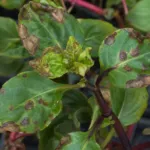 DiseaseImpatiens necrotic spot virus diseaseImpatiens necrotic spot orthotospovirus
 DiseaseSouthern blightAthelia rolfsii
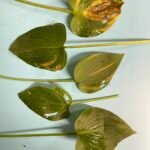 PestStrawberry foliar nematodeAphelenchoides fragariae
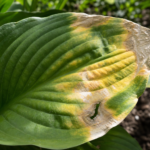 Environmental stressExcess light stress
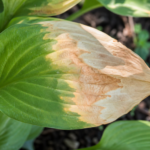 Environmental stressLeaf sunburn
 DiseasePhytophthora cactorum crown, collar, root and fruit rotPhytophthora cactorum
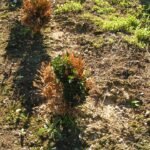 DiseasePhytophthora root and crown rotPhytophthora nicotianae
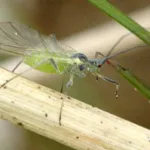 PestGreen Peach AphidMyzus persicae
Toxicity and pollen
Hostas contain saponins and are listed by the ASPCA as toxic to dogs, cats, and horses. Ingestion commonly causes gastrointestinal upset such as vomiting or diarrhea; keep pets from eating leaves, flowers, or other plant material and contact a veterinarian if symptoms occur.
- Typical season
- Late spring to early summer
- Pollination / pollen
- Insect-dispersed pollen
The flowers produce pollen, but hostas are insect-visited rather than wind-pollinated, so airborne pollen exposure is generally expected to be low. Individual sensitivities are still possible during bloom; avoid treating low exposure as zero allergy risk.
Native habitat
The genus Hosta is native to temperate East Asia, including parts of Japan, Korea, China, and the Russian Far East. Hostas typically occupy cool, moist woodland margins and humus-rich soils with filtered light. In United States gardens, ‘Mighty Mouse’ is cultivated well beyond its native range as a hardy shade perennial.
Interesting fact
‘Mighty Mouse’ originated as a sport of the popular miniature hosta ‘Blue Mouse Ears’. Its thick leaves generally show better slug resistance than thin-leaved hostas, although no hosta is completely slug-proof. The margins begin more yellow and mature toward creamy white. It is also associated with the ‘Mouse’ series of compact hosta cultivars.
Frequently asked questions (FAQ)
The most relevant questions about this plant, with short and direct answers.
🌱Quick care
What is Hosta 'Mighty Mouse'?⌄
Hosta 'Mighty Mouse' is a miniature, variegated hosta with rounded blue-green leaves edged in creamy yellow that fade toward creamy white as the season progresses. It forms a compact mound suited to shade gardens, borders, rock gardens, and containers.
How big does Hosta 'Mighty Mouse' get?⌄
Hosta 'Mighty Mouse' typically grows about 4–8 inches tall and 12 inches wide. Size can vary with climate, soil, moisture, and growing conditions.
Is Hosta 'Mighty Mouse' a miniature hosta?⌄
Yes, Hosta 'Mighty Mouse' is generally classified as a miniature hosta. Its small scale makes it useful for troughs, fairy gardens, rock gardens, edging, and containers.
🌤️Environment and placement
How much light does Hosta 'Mighty Mouse' need?⌄
Grow Hosta 'Mighty Mouse' in part shade to full shade, ideally with bright filtered light or gentle morning sun. Protect it from hot afternoon sun, which can scorch or fade the foliage.
Can Hosta 'Mighty Mouse' grow in full shade?⌄
Yes, Hosta 'Mighty Mouse' can grow in full shade if the site receives enough indirect light. Growth may be slower and flowering may be reduced in very dark locations.
Can Hosta 'Mighty Mouse' tolerate morning sun?⌄
Yes, gentle morning sun is usually tolerated and may help maintain stronger foliage color. Avoid intense afternoon sun, especially in hot U.S. climates or when the soil dries quickly.
What USDA hardiness zones are suitable for Hosta 'Mighty Mouse'?⌄
Hosta 'Mighty Mouse' is commonly listed as hardy in USDA Zones 3–9. Local performance can vary, particularly in hot climates where afternoon shade and consistent moisture are important.
What soil is best for Hosta 'Mighty Mouse'?⌄
Use fertile, humus-rich, moist but well-drained loam for Hosta 'Mighty Mouse'. Improve poor soil with compost, but avoid sites that remain waterlogged around the crown.
💧Care and problems
How often should I water Hosta 'Mighty Mouse'?⌄
Water Hosta 'Mighty Mouse' regularly enough to keep the soil consistently moderately moist. Increase watering during hot, dry weather, but allow excess water to drain so the crown and roots do not stay saturated.
Does Hosta 'Mighty Mouse' need fertilizer?⌄
Hosta 'Mighty Mouse' usually benefits from a light application of balanced fertilizer or compost in spring. Avoid heavy feeding, especially late in the season, because excess fertilizer can encourage weak growth or root problems.
How do I keep slugs from eating Hosta 'Mighty Mouse'?⌄
Reduce slug damage by removing hiding places, watering at soil level, keeping the planting area tidy, and using a garden slug control product labeled for your setting. The cultivar has substantial leaves, but it is not reliably slug-proof.
Why are the leaves of my Hosta 'Mighty Mouse' turning white or yellow?⌄
Some seasonal color change is normal: the spring margins may begin creamy yellow and become creamy white later. Sudden bleaching, browning, or scorching usually indicates excessive sun, drought, heat, or another stress.
Why is my Hosta 'Mighty Mouse' not growing well?⌄
Poor growth is commonly caused by insufficient moisture, excessive sun, compacted or poorly drained soil, root competition, or slug damage. Check the planting depth, soil moisture, light exposure, and crown condition before adding fertilizer.
Should I mulch Hosta 'Mighty Mouse'?⌄
Yes, apply a thin layer of organic mulch around Hosta 'Mighty Mouse' to conserve moisture and moderate soil temperature. Keep mulch away from the crown to reduce the risk of rot and pest shelter.
🪴Planting and repotting
When is the best time to plant Hosta 'Mighty Mouse'?⌄
Plant Hosta 'Mighty Mouse' in spring or early fall when the soil is workable and temperatures are moderate. Spring planting is especially useful in colder areas, while fall planting should allow time for root establishment before hard freezes.
Can Hosta 'Mighty Mouse' grow in a container?⌄
Yes, Hosta 'Mighty Mouse' performs well in containers, troughs, and other small raised planters. Use a container with drainage holes and a moisture-retentive but well-drained potting mix.
What size container is best for Hosta 'Mighty Mouse'?⌄
Choose a container several inches wider than the root system, with enough room for gradual clump growth and excellent drainage. A shallow or miniature hosta container should still hold moisture without becoming waterlogged.
How should I plant bare-root Hosta 'Mighty Mouse'?⌄
Soak dry bare roots briefly in cool or lukewarm water, then spread them over a small mound of soil with the crown at or just below the soil surface. Water thoroughly after planting and keep the soil evenly moist while new growth develops.
✂️Propagation and pruning
How do I propagate Hosta 'Mighty Mouse'?⌄
Propagate Hosta 'Mighty Mouse' by dividing an established clump in spring or early fall. Separate sections with healthy roots and at least one growing point, then replant them promptly at the original depth.
Can Hosta 'Mighty Mouse' be grown from seed?⌄
It can produce seed, but seedlings will not reliably reproduce the named cultivar’s foliage pattern. Division is the preferred method when you want plants that remain true to Hosta 'Mighty Mouse'.
Should I cut back Hosta 'Mighty Mouse' after flowering?⌄
Remove spent flower scapes after flowering if you want a tidier appearance and to keep attention on the foliage. The leaves can remain until they yellow naturally, then be removed after frost or dormancy.
When should I cut back Hosta 'Mighty Mouse' for winter?⌄
Cut back the foliage after it has yellowed, collapsed, or been damaged by frost and the plant has entered dormancy. Removing old leaves helps tidy the planting and reduces overwintering shelter for pests.
⚠️Toxicity and safety
Is Hosta 'Mighty Mouse' toxic to dogs?⌄
Yes, Hosta 'Mighty Mouse' is toxic to dogs if eaten. Keep it away from pets that chew plants and contact a veterinarian promptly if ingestion is suspected.
Is Hosta 'Mighty Mouse' toxic to cats?⌄
Yes, Hosta 'Mighty Mouse' is toxic to cats if eaten. Prevent access to the plant and seek veterinary advice if a cat consumes any part of it.
Is Hosta 'Mighty Mouse' toxic to horses?⌄
Yes, Hosta 'Mighty Mouse' is toxic to horses if eaten. Do not plant it where horses can browse, and contact an equine veterinarian if ingestion occurs.
🌸Flowering and special interest
When does Hosta 'Mighty Mouse' bloom?⌄
Hosta 'Mighty Mouse' usually blooms in early summer. Flowering time may shift with USDA zone, spring temperatures, and the plant’s maturity.
What color are the flowers of Hosta 'Mighty Mouse'?⌄
The flowers are pale lavender to mauve-lilac and appear on short scapes above the foliage. They are bell-shaped and proportionate to this miniature cultivar.
Does Hosta 'Mighty Mouse' attract hummingbirds?⌄
Yes, the tubular flowers of Hosta 'Mighty Mouse' may attract hummingbirds when the plant is grown in a suitable garden setting. Flowering is generally stronger when the plant receives bright shade and adequate moisture.