 Source:
 Hosta ‘Royal Standard’ short overview
Hosta ‘Royal Standard’ is a large, clump-forming perennial with glossy medium-green leaves and tall scapes of fragrant white flowers. This classic cultivar is unusually tolerant of more sun than many hostas when its soil remains evenly moist, and it performs well as a specimen, border plant, understory perennial, or broad groundcover. Give it rich, moisture-retentive but well-drained soil and protect it from the hottest afternoon exposure in warm climates.
Taxonomic classification
Hosta ‘Royal Standard’ care guide
Light and placement
Grow in partial shade, filtered light, or morning sun with afternoon protection. ‘Royal Standard’ is more sun-tolerant than many hostas, especially in cooler climates, but hot reflected light and dry afternoon exposure can scorch leaves. Pale, bleached, or crispy margins indicate excessive sun or drought; weak, stretched growth and fewer flowers suggest inadequate light.
Watering and humidity
Water deeply when the upper soil begins to dry, aiming for steady moisture rather than repeated shallow sprinkling. Increase frequency during hot weather, first-year establishment, and container culture. Water at the soil line to keep foliage drier overnight, and do not allow the root zone to remain stagnant or saturated.
Soil and growing medium
Use fertile, moisture-retentive soil that still drains freely. A loamy structure enriched with compost or leaf mold suits this hosta well. Slightly acidic to neutral soil is appropriate; avoid persistently waterlogged ground, especially in containers. Mulch helps buffer root temperature and conserve moisture, but keep it away from the crown.
Feeding
Top-dress with compost or well-rotted organic matter in spring. If growth is weak, apply a balanced slow-release fertilizer according to the product label as shoots emerge. Avoid heavy nitrogen feeding late in the season, which can produce soft growth and does not improve winter survival. Do not fertilize drought-stressed or waterlogged plants.
Growth and habit
This cultivar forms a strong, vase-shaped to broadly mounded clump and becomes more substantial over several seasons. It is vigorous once established and can tolerate more light than many hostas if roots remain moist. Allow generous space and divide only when propagation or renovation is actually needed.
Planting and repotting
Plant in spring or early fall, setting the crown at the same depth as it grew in the nursery container. Space about 4–5 feet apart for mature landscape clumps, allowing room for broad spread. Water deeply after planting and maintain consistent moisture during the first growing season while roots establish.
Repot container-grown plants in early spring as new shoots emerge, moving them into a container only moderately larger than the root ball. Use a rich, well-drained potting mix and ensure generous drainage holes. Divide and refresh crowded plants when necessary rather than repeatedly shifting an undivided, established clump.
Propagation and pruning
Propagation
Divide established clumps in early spring or late summer to early fall, using a clean knife or spade and retaining several shoots with roots on each division. Seed is not a reliable way to reproduce the cultivar true to type. Water divisions promptly and keep them evenly moist while re-establishing.
Pruning
Remove flower scapes after flowering if seed production is unwanted. Cut the foliage to the ground after it has yellowed and died back in fall, then clear debris to reduce overwintering pest and disease pressure. Avoid cutting healthy green leaves during the growing season.
Overwintering
Leave foliage in place until it naturally collapses after frost, then cut it back and remove debris. Established plants are hardy across USDA Zones 3–8. In containers, protect roots from repeated freeze-thaw cycles by insulating the pot or moving it to an unheated sheltered location; do not overwinter it in a warm indoor room.
Uses
Useful as a specimen, background plant, mass planting, border subject, woodland-edge perennial, or large-container plant. Its glossy green leaves provide contrast among variegated hostas and cover fading spring-bulb foliage. Because hostas are toxic if eaten by dogs and cats, avoid locations where pets regularly chew ornamental plants.
Appearance
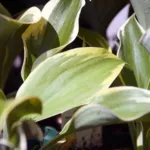
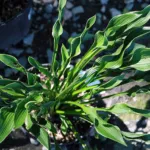
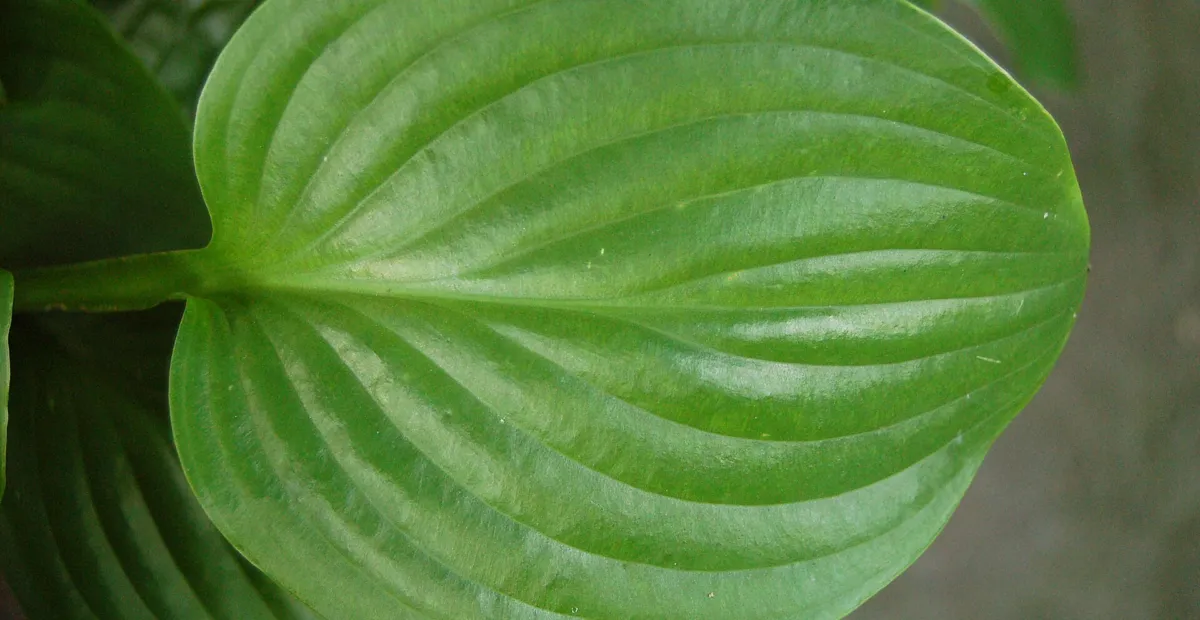
The plant forms a substantial clump of glossy, medium-green leaves with a pointed, slightly wavy outline and a gently vase-shaped habit. Upright scapes rise well above the foliage and carry white, fragrant flowers. The unvariegated green leaf surface is a useful identification feature among many patterned hosta cultivars.
Flowering
Tall scapes rise above the foliage and carry fragrant, white, trumpet-shaped flowers in summer. In the United States, flowering is commonly reported from June through August, though timing varies with climate. The flowers are a major ornamental feature, particularly in evening when fragrance is most noticeable.
Pollination and visitors
The fragrant, open trumpet-shaped flowers are visited by bees, bumblebees, butterflies, and other insects, although this cultivar is primarily grown for foliage and is not documented as a specialist pollinator plant.
Hosta 'Royal Standard' photos
Click any photo for a larger view. Source, author and license are shown separately.
Diseases and pests
Diseases
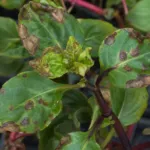
Good sanitation and adequate spacing reduce foliar disease pressure. Remove badly damaged foliage and clear dead leaves at season’s end. Hosta virus X and other viruses can occur; discard visibly infected plants rather than propagating them, and disinfect tools between divisions.
Pests
Slugs and snails are the principal pests, especially in damp, heavily mulched beds. Check leaves regularly for ragged holes and use habitat management, hand-picking, barriers, or labeled controls where needed. Deer also commonly browse hostas; fencing or deer-resistant protection may be necessary.
Related diseases and pests
Only Plant Doctor profiles whose host data indicate this plant may be affected are shown here.

Toxicity and pollen
ASPCA lists Hosta as toxic to dogs and cats because of saponins, with possible vomiting, diarrhea, and depression after ingestion. The exact cultivar is a Hosta hybrid, so prevent pets from chewing the leaves or flowers and contact a veterinarian if ingestion causes symptoms. This is separate from pollen allergy risk.
- Typical season
- Late spring through summer flowering period
- Pollination / pollen
- Insect-dispersed floral pollen
Hosta flowers release pollen through their exposed anthers, but the plant is insect-pollinated and is not generally regarded as a major source of windborne seasonal pollen. People with known flower allergies should still avoid direct contact if irritation occurs.
Native habitat
The cultivar is not native to the United States. Its parentage links it to moist temperate woodland environments in East Asia, while in cultivation it performs best in fertile, moisture-retentive soils with protection from drying winds and extreme afternoon heat.
Interesting fact
‘Royal Standard’ was introduced in 1965 and is widely described as the first patented hosta cultivar. It combines Hosta plantaginea and Hosta sieboldiana heritage. Its fragrant white flowers and green foliage distinguish it from many foliage-first hostas. The cultivar is noted for better sun tolerance than many hostas when moisture is adequate.
Frequently asked questions (FAQ)
The most relevant questions about this plant, with short and direct answers.
🌱Quick care
What is Hosta 'Royal Standard'?⌄
Hosta 'Royal Standard' is a clump-forming, deciduous perennial with glossy green foliage and fragrant white flowers. It is grown primarily as a foliage plant for shaded or partly shaded gardens.
How big does Hosta 'Royal Standard' get?⌄
Hosta 'Royal Standard' typically grows about 18–26 inches tall and 36–60 inches wide when mature. Flower scapes can rise well above the foliage, often reaching about 36–42 inches.
Is Hosta 'Royal Standard' hardy?⌄
Hosta 'Royal Standard' is generally hardy in USDA Zones 3–8, with some United States sources listing it through Zone 9. Winter performance can vary with local exposure, snow cover, and summer heat.
Is Hosta 'Royal Standard' easy to grow?⌄
Yes, Hosta 'Royal Standard' is generally easy to grow when planted in fertile, moisture-retentive soil and protected from intense afternoon sun. Its main routine concerns are moisture management, slugs, and seasonal cleanup.
🌤️Environment and placement
How much sun does Hosta 'Royal Standard' need?⌄
Give Hosta 'Royal Standard' partial shade to shade, with morning sun or filtered light preferred. It tolerates more sun than many hostas, but strong afternoon sun can bleach or scorch the leaves unless the soil stays consistently moist.
Can Hosta 'Royal Standard' grow in full sun?⌄
Hosta 'Royal Standard' can tolerate more sun than many hostas, especially in cooler climates, but full sun is not ideal in hot regions. If grown in stronger light, provide reliable moisture and protect it from intense afternoon heat.
Can Hosta 'Royal Standard' grow in deep shade?⌄
Yes, Hosta 'Royal Standard' can grow in deep shade, although growth and flowering may be reduced. Bright filtered shade or a few hours of gentle morning sun usually produces a fuller plant and better blooms.
What soil is best for Hosta 'Royal Standard'?⌄
Plant Hosta 'Royal Standard' in fertile, organically rich, moisture-retentive loam that drains reasonably well. Avoid soil that becomes waterlogged, because constantly saturated roots can lead to crown or root problems.
How much water does Hosta 'Royal Standard' need?⌄
Keep the soil evenly moist while Hosta 'Royal Standard' is actively growing, especially during hot or dry weather. Water deeply at the soil surface when needed, and allow the planting area to drain rather than remaining soggy.
Can Hosta 'Royal Standard' tolerate drought?⌄
Established Hosta 'Royal Standard' may tolerate short dry periods, particularly in shade, but it performs best with consistent moisture. Prolonged drought can reduce leaf size, cause scorch, and encourage early dormancy.
How far apart should Hosta 'Royal Standard' be planted?⌄
Space Hosta 'Royal Standard' about 24–36 inches apart for a connected planting, or farther apart if you want each mature clump to remain distinct. Allow extra room in fertile soil, where the plant may become broad.
💧Care and problems
How often should Hosta 'Royal Standard' be fertilized?⌄
Apply a light, balanced fertilizer in early spring as growth begins, or improve the soil with compost. Avoid placing granular fertilizer directly against the crown, because concentrated fertilizer can injure emerging shoots.
Why are the leaves of my Hosta 'Royal Standard' turning yellow?⌄
Leaves may turn yellow because of natural aging, excessive sun, drought stress, or overly wet soil. Yellow-green coloring can occur in strong light, but widespread yellowing with soft or declining growth may indicate drainage or root problems.
Why are the leaves of Hosta 'Royal Standard' scorched?⌄
Leaf scorch usually results from intense sun, hot drying wind, or insufficient soil moisture. Move the plant toward morning sun and afternoon shade if possible, and water deeply during extended dry weather.
What pests commonly attack Hosta 'Royal Standard'?⌄
Slugs and snails are the most common pests on Hosta 'Royal Standard', especially in damp, shaded beds. Check plants at night or after rain and reduce hiding places around the crown; container plants may also face vine weevil in some areas.
Why does Hosta 'Royal Standard' have holes in its leaves?⌄
Rounded or irregular holes are usually caused by slugs or snails feeding on the foliage. Inspect at night, remove sheltering debris, and use a slug-control method labeled for ornamental plants if damage is persistent.
Does Hosta 'Royal Standard' resist deer?⌄
No, Hosta 'Royal Standard' is not reliably deer-resistant. Deer may browse the leaves and flower stalks, so use fencing, repellents, or other proven deer-management measures where browsing pressure is high.
🪴Planting and repotting
When is the best time to plant Hosta 'Royal Standard'?⌄
Plant Hosta 'Royal Standard' in spring or early fall while the soil is workable and moisture is dependable. Avoid planting during extreme heat or drought unless you can provide regular irrigation while the roots establish.
How do I plant Hosta 'Royal Standard' in the ground?⌄
Dig a hole wider than the root ball, set the crown at the same level it was growing, backfill with improved soil, and water thoroughly. Mulch lightly around the plant, keeping mulch away from the crown and emerging shoots.
Can Hosta 'Royal Standard' be grown in a container?⌄
Yes, Hosta 'Royal Standard' can grow in a large container with drainage holes and moisture-retentive potting mix. Choose a container wide enough for its mature clump, keep it evenly watered, and protect the roots from severe winter temperature swings.
✂️Propagation and pruning
How do you propagate Hosta 'Royal Standard'?⌄
Propagate Hosta 'Royal Standard' by dividing an established clump. Division is usually easiest in early spring before the leaves fully unfurl, though it can also be done in early fall with consistent aftercare.
Can Hosta 'Royal Standard' be grown from seed?⌄
Hosta 'Royal Standard' can produce seeds, but seedlings may not be identical to the named cultivar. Division is the preferred method when you want new plants that retain the parent plant’s characteristics.
When should Hosta 'Royal Standard' be divided?⌄
Divide Hosta 'Royal Standard' in early spring before the foliage unfurls or in early fall. Early spring is often easiest because the shoots are visible but the leaves have not yet created a dense canopy.
Should I cut back Hosta 'Royal Standard' after flowering?⌄
Remove spent flower stalks after blooming if you prefer a tidier appearance or want to prevent seed formation. Cutting the stalks is optional and does not replace removing the dead foliage at the end of the season.
When should Hosta 'Royal Standard' be cut back?⌄
Cut Hosta 'Royal Standard' back after the foliage has yellowed and died naturally in fall. Removing dead leaves before winter cleanup is useful because it reduces hiding places for slugs and keeps the planting tidy.
⚠️Toxicity and safety
Is Hosta 'Royal Standard' toxic to dogs?⌄
Yes, Hosta 'Royal Standard' is toxic to dogs if eaten. Ingestion can cause gastrointestinal signs such as vomiting, diarrhea, or loss of appetite, so contact a veterinarian or animal poison service if a dog consumes the plant.
Is Hosta 'Royal Standard' toxic to cats?⌄
Yes, Hosta 'Royal Standard' is toxic to cats if eaten. Keep cats away from the foliage and contact a veterinarian promptly if ingestion occurs or symptoms develop.
Is Hosta 'Royal Standard' toxic to people?⌄
Hosta 'Royal Standard' should not be treated as a plant for casual human consumption, even though some hosta shoots are eaten in certain culinary traditions. Keep ornamental plants away from children and consult a medical professional or poison center after suspected ingestion.
🌸Flowering and special interest
When does Hosta 'Royal Standard' bloom?⌄
Hosta 'Royal Standard' generally blooms in mid to late summer, often from July into August depending on climate. The timing can shift earlier or later with local temperatures, light, and plant maturity.
What color are the flowers on Hosta 'Royal Standard'?⌄
Hosta 'Royal Standard' produces white, funnel-shaped flowers on tall scapes. The flowers are especially noticeable above the glossy green foliage.
Are Hosta 'Royal Standard' flowers fragrant?⌄
Yes, the white flowers of Hosta 'Royal Standard' are notably fragrant. Plant it near a path, patio, window, or entryway where the scent can be appreciated.
Why is my Hosta 'Royal Standard' not blooming?⌄
A Hosta 'Royal Standard' may fail to bloom because it is too young, receiving very deep shade, stressed by drought, or weakened by poor growing conditions. Improve moisture and light gradually, and allow newly divided plants time to reestablish.
Does Hosta 'Royal Standard' attract pollinators?⌄
Its fragrant flowers can attract hummingbirds and insect pollinators during summer. The cultivar is primarily valued for foliage, but the tall white flower scapes add useful seasonal interest.