 AI-generated illustration
 Caladium ‘Lance Whorton’ short overview
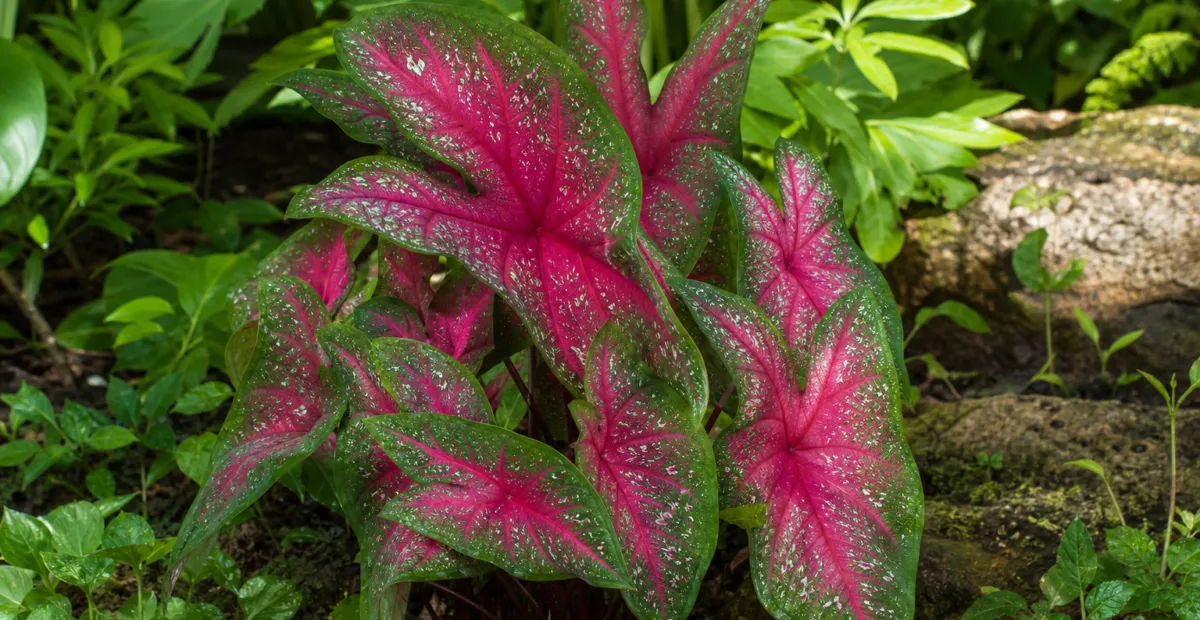
Caladium ‘Lance Whorton’ is a lance-leaved caladium valued for vivid crimson veins, pink-red leaf markings, occasional white splashes, and a strong green margin. It can perform in partial shade or sunny beds when moisture is reliable, although intense light may produce shorter plants and more concentrated color. In the United States it is usually grown as a frost-tender summer bedding plant, container specimen, or indoor seasonal accent from warm-season tubers.
Taxonomic classification
Caladium ‘Lance Whorton’ care guide
Light and placement
Grow in bright filtered light, partial shade, or gentle morning sun. ‘Lance Whorton’ is reported to tolerate sunny landscape conditions when moisture is reliable, but hot afternoon exposure can scorch leaves or cause curling. Too little light produces elongated petioles and weaker color; excessive sun commonly causes bleached patches, brown margins, or smaller leaves. In the hottest regions, orient containers for morning sun and afternoon protection.
Watering and humidity
Keep the root zone evenly moist during active growth, watering deeply when the surface begins to dry rather than giving frequent shallow splashes. Containers may need water more often than beds in summer. Reduce watering as foliage declines, and keep dormant tubers much drier. Avoid standing water around the tuber, especially in cool weather, because it promotes rot.
Soil and growing medium
Use a loose, fertile mix that drains freely but does not dry rapidly. A loamy, humus-enriched substrate with modest moisture retention suits active tuber and leaf growth. Slightly acidic to neutral conditions are appropriate. Avoid compacted soil and containers without drainage, because saturated media can encourage tuber and root decay.
Feeding
Feed only during active growth. Apply a balanced water-soluble fertilizer at half strength every 3–4 weeks, or use a controlled-release product according to its label. Water before fertilizing if the soil is dry. Stop feeding as foliage naturally declines or when tubers are being prepared for dormancy; excess fertilizer can damage roots and reduce foliage quality.
Growth and habit
This is a warm-season, tuberous plant that emerges quickly once temperatures rise. Lance-leaved caladiums generally form a compact clump of upright leaves on slender petioles. In brighter conditions, plants may remain shorter while foliage colors become more intense; in filtered shade, leaves may enlarge and stems may lengthen.
Planting and repotting
Plant outdoors only after the soil has warmed and frost danger has passed, generally in late spring. Set tubers about 1½–2 inches deep with the knobby eyes facing upward, then water thoroughly. Space plants about 8–12 inches apart for a fuller display, allowing extra room in humid climates for air movement.
Repot or divide container-grown plants when dormant or just before the tubers begin active spring growth. Use a clean container with drainage and fresh, porous potting mix. Avoid disturbing emerging shoots unnecessarily; caladium tubers can be replanted directly into a slightly larger pot once temperatures are consistently warm.
Propagation and pruning
Propagation
Commercially, propagate by planting dormant tubers or by dividing large tubers so each section retains a viable eye. Seed propagation is possible for breeding but does not reliably reproduce the named cultivar. Divide during dormancy or just before warm-season growth, and allow cut surfaces to dry briefly before planting.
Pruning
No routine pruning is required. Remove yellowing, damaged, or diseased leaves at the base with clean shears. Do not remove healthy foliage during active growth because the leaves replenish the tuber. Cut back the remaining foliage after it naturally declines before lifting tubers for storage.
Overwintering
Lift tubers before frost in USDA Zones 8 and colder, after foliage begins to decline. Let them dry briefly, remove loose soil, and store them in a dry, well-ventilated place around 60–70°F in slightly dry peat, vermiculite, or similar packing material. Alternatively, grow the plant indoors in bright light and warmth, reducing water during dormancy.
Uses
Primarily used for colorful ornamental foliage in summer bedding displays, shade gardens, borders, patio containers, window boxes, and warm-climate landscapes. The lance-leaved habit can provide a more compact texture than fancy-leaved caladiums. It is not edible and should not be used as a culinary or medicinal plant because of calcium oxalates.
Appearance
The defining feature is the lance-leaved blade: narrower and more pointed than the broad, heart-shaped leaves of fancy-leaved caladiums. ‘Lance Whorton’ is described with crimson or red primary veins, pink-red coloration, a pronounced green border, and variable white blotching or splashes. Leaf color and pattern intensity change with light, nutrition, temperature, and plant age.
Flowering
The plant may produce a small, arum-type inflorescence consisting of a spathe surrounding a spadix, but caladiums are primarily cultivated for their foliage. Flowering is sporadic and usually secondary to leaf production. Cultivar-specific flowering dates and flower color for ‘Lance Whorton’ are not reliably documented.
Pollination and visitors
Caladium inflorescences are associated with beetle pollination, particularly cyclocephaline scarab beetles in documented Caladium bicolor studies. That evidence supports the genus-level visitor relationship, but direct observations for the named ‘Lance Whorton’ cultivar are not available. The flowers are infrequent and are not a major garden pollinator resource.
Diseases and pests
Diseases
Prevent problems by using clean tubers, sterile potting media, good drainage, and careful watering. Pythium and other wet-soil rots can cause soft, collapsing tubers and yellowing foliage; remove affected material and correct drainage. Avoid planting cold, waterlogged tubers, and sanitize tools between plants.
Pests
Watch for aphids, thrips, spider mites, caterpillars, and slugs. Inspect leaf undersides and new growth regularly. Use hand removal, water sprays, or insecticidal soap when appropriate, following the product label. Reduce slug habitat and avoid chronic wet foliage; severe infestations are more likely on stressed plants.
Related diseases and pests
Only Plant Doctor profiles whose host data indicate this plant may be affected are shown here.
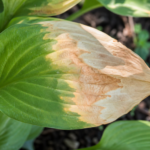 Environmental stressLeaf sunburn
 Environmental stressWaterlogging
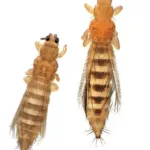 PestOnion thripsThrips tabaci Lindeman
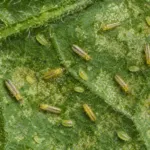 PestMelon thripsThrips palmi Karny
 PestChilli thripsScirtothrips dorsalis Hood
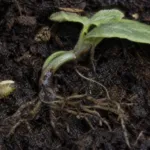 DiseasePythium damping-off, root rot and blightPythium aphanidermatum
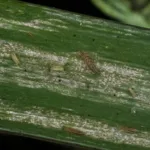 PestDracaena ThripsParthenothrips dracaenae
 DiseaseAster yellows‘Candidatus Phytoplasma asteris’
Toxicity and pollen
Caladium contains insoluble calcium oxalate crystals. Chewing or swallowing any part can cause immediate mouth, tongue, and throat irritation, pain, swelling, drooling, vomiting, or difficulty swallowing. Keep tubers and foliage away from children and pets; seek medical or veterinary advice after significant exposure.
- Typical season
- Summer, if an inflorescence develops
- Pollination / pollen
- Enclosed pollen in a spadix inflorescence; airborne exposure not well characterized
Caladium pollen is enclosed within the arum-type inflorescence for much of its reproductive period rather than being released as a conspicuous airborne cloud. However, cultivar-specific allergy studies are unavailable, so a definitive allergy classification cannot be assigned. People with significant plant allergies should avoid handling flowers or pollen directly and wash hands afterward.
Native habitat
The cultivated plant derives from tropical and subtropical Caladium lineages of Central and South America. Related plants grow in warm, seasonally moist environments with organic, well-drained soils and a pronounced seasonal dormancy. Garden culture should reproduce warmth, moisture during growth, and a dry dormant period rather than cold, wet conditions.
Interesting fact
‘Lance Whorton’ was listed among the commercially important lance-leaved caladiums in a Florida industry survey. Extension descriptions identify it as a sun-tolerant selection with red or crimson veins, green margins, and white or pink-red markings. Its foliage pattern may intensify or change noticeably with light exposure.
Frequently asked questions (FAQ)
The most relevant questions about this plant, with short and direct answers.
🌱Quick care
What is Caladium 'Lance Whorton'?⌄
Caladium 'Lance Whorton' is a lance-leaved Caladium grown primarily for its colorful pink, red, white, and green foliage. It is a frost-tender tuberous plant commonly used in beds, borders, and containers.
How big does Caladium 'Lance Whorton' get?⌄
Caladium 'Lance Whorton' typically grows about 12–24 inches tall and 12–18 inches wide. Give container plants enough room for their upright, spreading foliage.
Is Caladium 'Lance Whorton' an annual or perennial?⌄
It is grown as a summer annual in climates with freezing winters, but its tubers can survive and regrow for multiple years when protected from frost. In USDA Zones 8b–11, tubers may sometimes remain outdoors, although winter protection from wet soil can improve survival.
🌤️Environment and placement
How much sun does Caladium 'Lance Whorton' need?⌄
Caladium 'Lance Whorton' can grow in full sun to partial shade, provided the soil stays evenly moist. In very hot climates, morning sun or filtered afternoon light can reduce leaf scorch.
Can Caladium 'Lance Whorton' grow in full sun?⌄
Yes, 'Lance Whorton' is one of the lance-leaved Caladiums that can tolerate full sun and retain good color when adequately watered. Rich soil and consistent moisture are especially important in sunny locations.
Where should I place Caladium 'Lance Whorton' indoors?⌄
Place it near a bright window with filtered or indirect light, or provide gentle morning sun indoors. Protect the leaves from intense hot afternoon sunlight through glass, which can cause scorching.
Is Caladium 'Lance Whorton' suitable for containers?⌄
Yes, Caladium 'Lance Whorton' performs well in containers, mixed planters, and mass plantings. Use a container with drainage holes and choose a position where the potting mix will not dry out rapidly.
What temperature is too cold for Caladium 'Lance Whorton'?⌄
Protect Caladium 'Lance Whorton' before frost and prolonged temperatures below about 40°F. Freezing conditions can kill the foliage and damage or destroy the tuber.
💧Care and problems
How often should I water Caladium 'Lance Whorton'?⌄
Water when the soil surface begins to dry, keeping the mix evenly moist but never waterlogged. Plants in full sun, hot weather, or small containers may need watering more frequently than shaded plants.
Why are the leaves on my Caladium 'Lance Whorton' turning yellow?⌄
Yellow leaves can result from natural seasonal dormancy, underwatering, overwatering, or root or tuber rot. If the soil is soggy, improve drainage and reduce watering; if the entire plant yellows in fall, it may be entering dormancy.
Why is my Caladium 'Lance Whorton' drooping?⌄
Drooping usually indicates dry soil, heat stress, root damage, or the beginning of dormancy. Check the soil moisture and drainage first, then move a container plant away from harsh afternoon sun if the leaves remain limp.
How do I prevent root rot in Caladium 'Lance Whorton'?⌄
Prevent root rot by using loose, well-drained soil and watering only when needed to maintain even moisture. Do not leave the container sitting in a saucer of standing water, and avoid planting the tuber in compacted or persistently saturated soil.
Does Caladium 'Lance Whorton' need fertilizer?⌄
It benefits from moderate fertility during active growth, especially in sandy or nutrient-poor soil. Apply a balanced slow-release fertilizer according to the product label rather than overfertilizing, which can damage roots and encourage excessive soft growth.
What pests affect Caladium 'Lance Whorton'?⌄
Caladium 'Lance Whorton' can occasionally attract common foliage pests such as aphids, thrips, mealybugs, and spider mites. Inspect leaf undersides regularly and treat infestations promptly with a suitable labeled product or water spray.
🪴Planting and repotting
When should I plant Caladium 'Lance Whorton' outdoors?⌄
Plant it outdoors after the danger of frost has passed and the soil has warmed to at least 65°F. Cold, wet soil delays sprouting and increases the risk of tuber rot.
How deep should I plant Caladium 'Lance Whorton' tubers?⌄
Plant the tubers about 1–1½ inches below the soil surface in loose, well-drained soil. Set the growing eyes upward if they are visible, then water thoroughly without keeping the bed saturated.
How far apart should I plant Caladium 'Lance Whorton'?⌄
Space tubers or plants about 12–18 inches apart for a full display, adjusting slightly for tuber size and the desired density. Closer spacing fills a bed faster but increases competition for water and nutrients.
What soil is best for Caladium 'Lance Whorton'?⌄
Use fertile, loose, well-drained loam enriched with organic matter. The ideal soil holds moisture without becoming waterlogged, because both drought and saturated conditions can reduce foliage quality.
✂️Propagation and pruning
How do I propagate Caladium 'Lance Whorton'?⌄
Propagate Caladium 'Lance Whorton' primarily by planting its tubers or carefully dividing mature tubers. Each division must retain at least one healthy growing eye, and cut surfaces should be allowed to dry briefly before planting to reduce rot risk.
Can Caladium 'Lance Whorton' be grown from leaf cuttings?⌄
No, ordinary leaf cuttings are not a reliable way to propagate Caladium 'Lance Whorton'. New plants are normally produced from tubers or tuber divisions, while seed does not reliably reproduce the named cultivar.
Should I remove flowers from Caladium 'Lance Whorton'?⌄
You may remove the small, inconspicuous flowers if you want the plant to devote more energy to foliage, but it is not essential. This cultivar is valued for its leaves rather than showy blooms.
How do I overwinter Caladium 'Lance Whorton' tubers?⌄
Before frost, gradually reduce watering as the foliage yellows, then lift the tubers after the leaves die back. Clean off loose soil, dry them in a warm, shaded, ventilated place for about 7–10 days, and store them in dry peat moss or vermiculite at approximately 50–60°F.
Can I overwinter Caladium 'Lance Whorton' as a houseplant?⌄
You can bring a container-grown plant indoors before cold weather, but it may still enter dormancy and lose its leaves. Keep the tuber warm and barely moist during dormancy, then resume brighter light and regular watering when new growth appears.
⚠️Toxicity and safety
Is Caladium 'Lance Whorton' poisonous to people?⌄
Yes, Caladium 'Lance Whorton' is toxic if chewed or swallowed because it contains insoluble calcium oxalate crystals. Keep the plant and tubers away from children, and seek medical or poison-control guidance after ingestion.
Is Caladium 'Lance Whorton' toxic to cats and dogs?⌄
Yes, it is toxic to cats and dogs if chewed because Caladium tissues contain insoluble calcium oxalates. Place it where pets cannot reach it and contact a veterinarian promptly if a pet eats any part of the plant.
Can handling Caladium 'Lance Whorton' irritate skin?⌄
The sap may cause irritation, so wear gloves when cutting, dividing, or handling damaged tubers and wash your hands afterward. Avoid touching your eyes or mouth while working with the plant.
🌸Flowering and special interest
Does Caladium 'Lance Whorton' flower?⌄
Yes, it can produce the small spathe-and-spadix flowers typical of Caladiums, but they are usually inconspicuous and not the plant's main ornamental feature. Its colorful lance-shaped foliage is the primary reason to grow it.