 Source:
 Caladium bicolor short overview
Caladium bicolor is a tropical tuberous perennial prized for its large, heart-shaped leaves patterned in green, white, pink, and red. In the United States, it is commonly grown as a warm-season bedding plant, container specimen, or indoor foliage plant. Provide bright filtered light to partial shade, consistently moist but well-drained soil, and protection from temperatures below about 45°F. The plant is toxic if eaten.
Taxonomic classification
Caladium bicolor care guide
Light and placement
Place in bright filtered light, partial shade, or shade protected from harsh afternoon sun and drying wind. Morning sun can improve leaf color in some forms, while intense midday sun may scorch thin leaves. Excessive shade can produce weaker, less colorful growth and slower drying of wet foliage. Shelter plants from wind because the leaves tear easily.
Watering and humidity
Keep the root zone consistently moist but never waterlogged. Water deeply when the surface begins to dry, and check containers frequently during hot weather because large leaves increase water loss. Reduce watering as foliage naturally yellows and the plant enters dormancy. Good drainage is essential; cold, saturated soil can rot tubers.
Soil and growing medium
Use a loose, fertile, humus-rich mix that holds moisture while draining freely. A quality potting mix amended with compost and perlite works well in containers. Garden soil should not remain waterlogged. Slightly acidic conditions are suitable; avoid heavily alkaline, compacted soil, which can slow root and tuber development.
Feeding
Feed after active growth begins, using a balanced, water-soluble fertilizer at half strength every 2–4 weeks, or apply a light slow-release fertilizer according to its label. Plants in fertile beds may need less. Do not fertilize dormant tubers, newly divided tubers before roots establish, or plants sitting in cold, saturated soil.
Growth and habit
Growth emerges from an underground tuber when warmth and moisture return. Leaves arise on individual petioles to form a compact clump, then growth slows and foliage dies back as the plant enters dormancy in cool or dry conditions. Remove declining foliage only after it has naturally yellowed so the tuber can recover nutrients.
Planting and repotting
Plant outdoors only after frost danger has passed and the soil is warm, ideally at least 65–70°F. Set tubers with the knobby bud side up, about 1–2 inches deep, and space them 8–12 inches apart for a fuller display. Water after planting and maintain even moisture while shoots establish; a light mulch layer helps reduce drying.
Repot or divide container-grown plants in spring, when dormant tubers begin to show active buds. Use a clean container with drainage and a fresh, porous potting mix. Set the tuber at approximately the same depth as before, with the knobby bud side facing upward. Avoid disturbing roots after active growth begins.
Propagation and pruning
Propagation
Propagate mainly by separating dormant tubers or tuber sections with viable buds in late winter or spring. Allow cut surfaces to dry briefly before planting into warm, lightly moist medium. Seed propagation is possible after successful pollination but is slower and may produce variable offspring, especially among cultivated forms.
Pruning
Pruning is limited to removing yellowing, torn, or diseased leaves at the base with clean shears. Do not cut healthy foliage merely to control size, because the leaves replenish the underground tuber. Remove spent inflorescences if they detract from the display or after seed production is not desired.
Overwintering
In zones colder than 9, dig tubers before frost or move containers indoors as temperatures decline. Let foliage yellow naturally, lift the tubers carefully, and allow surface moisture to dry. Store them in a dry, ventilated place around 60–70°F, protected from freezing, then restart them in warm medium in spring. Dormant tubers should not be kept wet.
Uses
Used primarily for colorful ornamental foliage in shaded beds, borders, containers, patios, porches, and indoor displays. It provides a tropical visual effect where temperatures are warm enough. Do not use as food or medicine in home gardening; toxic calcium oxalates make accidental ingestion a safety concern.
Appearance
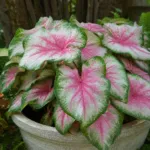
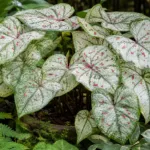
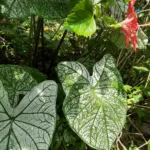
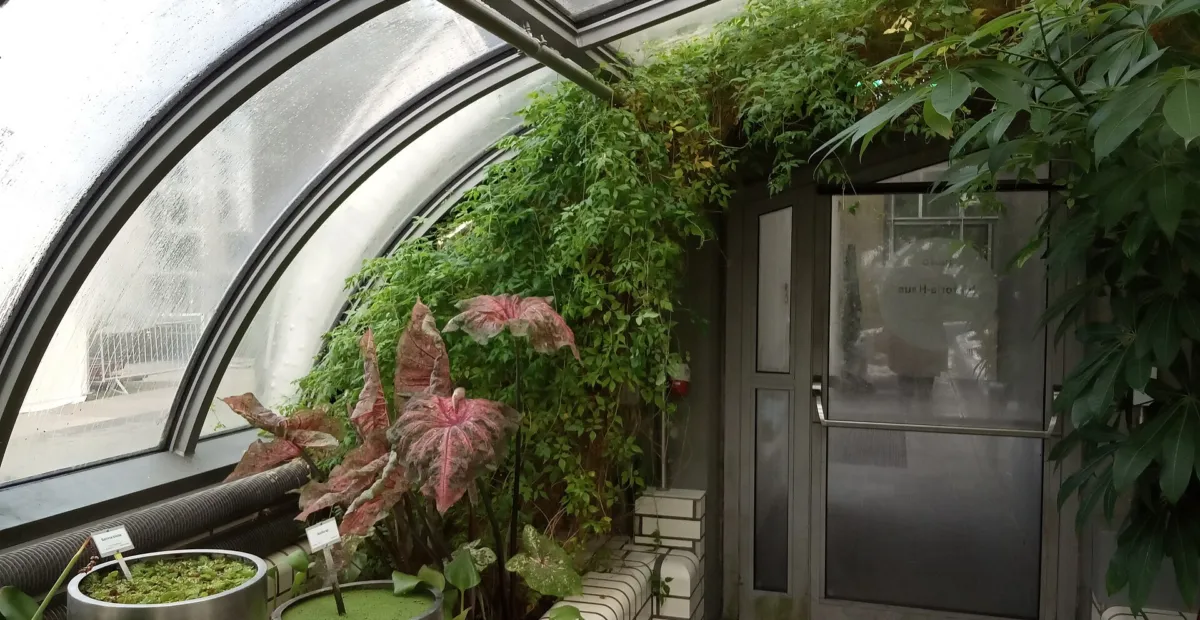
The plant is essentially stemless above ground, with leaves emerging on long, slender petioles from an underground tuber. Blades are peltate and cordate-sagittate, often with entire or slightly undulate margins. Green tissue is commonly marked by contrasting white, pink, or red blotches, veins, or zones, although cultivated forms show extensive variation.
Flowering
The inflorescence is an arum-type structure composed of a spadix enclosed by a spathe. It is usually inconspicuous and often hidden beneath the foliage, so caladiums are cultivated primarily for their leaves rather than their blooms. Flowering is sporadic and most likely during warm, actively growing conditions.
Pollination and visitors
In its native Brazilian habitat, documented pollination involves cyclocephaline scarab beetles, including Cyclocephala celata. The beetles are associated with the enclosed arum-type inflorescence, which may offer odor and heat cues. This specialized interaction does not mean cultivated plants will reliably attract noticeable numbers of beetles in US gardens.
Caladium bicolor photos
Click any photo for a larger view. Source, author and license are shown separately.
Diseases and pests
Diseases
Prevent problems by using clean containers, porous soil, and careful watering. Tuber rot can develop in cold or saturated soil; remove affected tissue and replant only healthy material. Leaf spots and blights are encouraged by prolonged wet foliage and poor air circulation, so water at the soil line and remove badly damaged leaves.
Pests
Slugs and snails commonly chew holes in leaves, especially in damp beds. Aphids, thrips, spider mites, and caterpillars may occasionally occur in protected or stressed plants. Improve air circulation, inspect new growth, remove pests by hand or with water, and use a labeled treatment only when monitoring shows a persistent problem.
Related diseases and pests
Only Plant Doctor profiles whose host data indicate this plant may be affected are shown here.
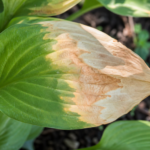 Environmental stressLeaf sunburn
 DiseaseAlternaria leaf spot and fruit rotAlternaria alternata
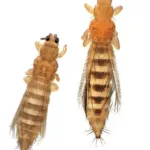 PestOnion thripsThrips tabaci Lindeman
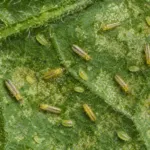 PestMelon thripsThrips palmi Karny
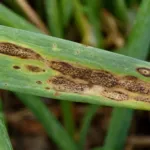 DiseaseStemphylium Leaf BlightStemphylium vesicarium (Wallr.) E.G. Simmons
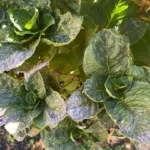 PestChilli thripsScirtothrips dorsalis Hood
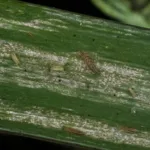 PestDracaena ThripsParthenothrips dracaenae
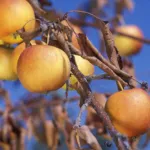 DiseaseFire BlightErwinia amylovora
Toxicity and pollen
Caladium tissues contain insoluble calcium oxalate crystals. Chewing or swallowing can cause immediate mouth pain, burning, swelling, drooling, difficulty swallowing, vomiting, and skin irritation from sap. Keep tubers, leaves, flowers, and plant debris away from children and animals; wear gloves when handling damaged tissue and seek medical or veterinary advice after ingestion.
- Typical season
- Usually limited to warm-season flowering; exposure timing is not well documented for US gardens
- Pollination / pollen
- Pollen produced within an enclosed arum-type inflorescence; airborne relevance uncertain
Caladium bicolor is an insect-pollinated flowering plant, but reliable US-specific information on airborne pollen production and allergy frequency is limited. Its mostly enclosed inflorescence and infrequent flowering suggest that routine airborne exposure is likely limited, but this should not be treated as proof of allergy safety. Avoid handling sap and pollen-bearing structures if sensitive.
Native habitat
The species is native from Central America through tropical South America to northern Argentina and is associated with warm, wet tropical environments. It grows as an underground-tuber plant in moist, shaded or semi-shaded settings. Cultivated plants require similar warmth and steady moisture but perform best in soils that drain rather than remain saturated.
Interesting fact
The species is a tuberous geophyte, meaning it survives unfavorable periods underground. Its leaves are peltate, with the petiole attached to the blade away from the margin. In natural populations, the inflorescence can attract cyclocephaline scarab beetles and may produce heat during flowering. Modern cultivated caladium diversity is built largely from this species and related breeding material.
Frequently asked questions (FAQ)
The most relevant questions about this plant, with short and direct answers.
🌱Quick care
What is Caladium bicolor?⌄
Caladium bicolor is a frost-tender tropical tuberous plant grown mainly for its colorful, arrowhead-shaped foliage. It is commonly grown as a summer bedding plant, container plant, or seasonal houseplant in the United States.
How much light does Caladium bicolor need?⌄
Give Caladium bicolor bright filtered light, partial shade, or shade. Most plants develop better color and avoid leaf scorch with morning sun followed by afternoon shade.
How often should I water Caladium bicolor?⌄
Water Caladium bicolor whenever the soil surface begins to feel dry, keeping the soil evenly moist but not saturated. Container plants may need frequent watering during hot, dry weather.
Is Caladium bicolor an indoor or outdoor plant?⌄
Caladium bicolor can grow indoors or outdoors during warm weather. Outdoors, protect it from frost and harsh afternoon sun; indoors, provide bright indirect light, warmth, and humidity.
How big does Caladium bicolor get?⌄
Caladium bicolor commonly grows about 1 to 2.5 feet tall and wide. Mature size varies with the cultivar, tuber size, growing conditions, and whether it is grown in a container.
🌤️Environment and placement
Can Caladium bicolor grow in full shade?⌄
Caladium bicolor tolerates deep shade, although growth may be slower and stems may become more elongated. Bright shade or filtered light usually produces stronger plants and better foliage color.
Can Caladium bicolor grow in full sun?⌄
Most Caladium bicolor plants should not receive intense full sun, especially afternoon sun, because the leaves can scorch. Some sun-tolerant cultivars can handle more light when soil moisture is consistently adequate.
What temperature is best for Caladium bicolor?⌄
Caladium bicolor grows best in warm conditions, generally above 60°F. Cold, wet soil can cause slow growth or tuber rot, and frost can kill the foliage and damage the tuber.
What USDA hardiness zones can grow Caladium bicolor outdoors?⌄
Caladium bicolor is most reliably perennial outdoors in warm USDA Zones 9 and 10, with some caladiums surviving in parts of Zone 8 with protection. In colder zones, grow it as an annual or overwinter the tubers indoors.
Does Caladium bicolor need high humidity indoors?⌄
Caladium bicolor benefits from moderate to high humidity indoors, especially in homes with dry winter air. Keep it away from cold drafts, heating vents, and sudden temperature changes.
💧Care and problems
Why are my Caladium bicolor leaves turning yellow?⌄
Yellow leaves may indicate natural dormancy, overwatering, cold conditions, or insufficient light. If yellowing occurs during active growth, check that the soil is moist but well drained and that the plant is warm.
Why are my Caladium bicolor leaves drooping?⌄
Drooping leaves usually result from dry soil, heat stress, cold temperatures, or the plant entering dormancy. Check the soil moisture and temperature before watering, because persistently wet soil can also damage the tuber.
Why are Caladium bicolor leaves turning brown or crispy?⌄
Brown or crispy leaves are commonly caused by direct sun, dry soil, low humidity, wind, or fertilizer residue on the foliage. Move the plant to filtered light and keep the soil consistently moist but well drained.
How do I prevent Caladium bicolor tuber rot?⌄
Prevent tuber rot by planting in warm, well-drained soil and avoiding both waterlogged conditions and cold soil. Water when needed, but do not leave the container standing in water.
What pests commonly affect Caladium bicolor?⌄
Caladium bicolor usually has few serious pest problems, but slugs and snails may chew outdoor leaves and sap-feeding pests can affect indoor plants. Inspect the undersides of leaves and improve air circulation without allowing the plant to dry out.
Should I fertilize Caladium bicolor?⌄
Fertilize Caladium bicolor lightly and regularly during active growth with a balanced fertilizer according to the product label. Avoid letting concentrated fertilizer sit on the leaves or accumulate in poorly drained soil.
Does Caladium bicolor go dormant in winter?⌄
Yes, Caladium bicolor naturally goes dormant as temperatures decline or the growing season ends. Leaves may yellow and die back, after which watering should be greatly reduced or stopped until new growth returns.
🪴Planting and repotting
When should I plant Caladium bicolor tubers?⌄
Plant Caladium bicolor tubers in spring after the danger of frost has passed and the soil is at least about 60°F. In warm USDA Zones 8 through 11, planting can begin earlier when soil temperatures are suitable.
How deep should I plant Caladium bicolor tubers?⌄
Plant Caladium bicolor tubers about 1 to 2 inches deep with the knobby or puckered eye side facing upward. Planting too deeply in cool or wet soil increases the risk of slow growth and rot.
How far apart should Caladium bicolor tubers be planted?⌄
Space Caladium bicolor tubers about 8 to 12 inches apart for individual plants to develop properly. Use closer spacing for a fuller mass planting if the soil drains well and air circulation remains adequate.
What soil is best for Caladium bicolor?⌄
Use fertile, humus-rich soil that holds moisture while draining freely. Incorporating organic matter can improve sandy or compacted soil, but heavy clay should be amended or avoided because it can remain too wet.
Can I grow Caladium bicolor in a container?⌄
Yes, Caladium bicolor grows well in containers with drainage holes and a fertile, moisture-retentive potting mix. Containers dry out faster than garden soil, so monitor moisture closely during summer.
How do I overwinter Caladium bicolor tubers?⌄
After the foliage dies back, lift the tubers, remove excess soil, and let them dry in a warm, shaded place for about a week. Store them in dry peat moss, sphagnum moss, wood shavings, or a mesh bag at roughly 55 to 60°F, protected from frost and excess moisture.
Can I leave Caladium bicolor tubers in the ground over winter?⌄
You can sometimes leave Caladium bicolor tubers outdoors in reliably warm areas such as USDA Zones 9 and 10, provided the soil stays well drained. In colder regions or anywhere subject to frost, dig and store the tubers indoors.
✂️Propagation and pruning
How do I propagate Caladium bicolor?⌄
Propagate Caladium bicolor mainly by dividing its tuber. Cut the dormant tuber into sections with at least one healthy growth eye on each piece, allow cut surfaces to dry briefly, and plant the pieces in warm, well-drained soil.
Can Caladium bicolor grow from leaf cuttings?⌄
Caladium bicolor is not reliably propagated from ordinary leaf cuttings because new plants develop from tuber tissue. A cutting that succeeds usually contains a portion of the tuber or an attached growth bud.
Should I prune Caladium bicolor leaves?⌄
Remove yellow, damaged, or fully dead leaves by cutting their stems near the base with clean shears. Avoid removing healthy leaves unnecessarily because they help replenish the tuber during the growing season.
⚠️Toxicity and safety
Is Caladium bicolor toxic to cats and dogs?⌄
Yes, Caladium bicolor is toxic to cats and dogs if chewed or swallowed. Its calcium oxalate crystals can cause burning and swelling of the mouth, drooling, vomiting, and difficulty swallowing, so contact a veterinarian promptly after ingestion.
Is Caladium bicolor poisonous to people?⌄
Yes, Caladium bicolor is moderately toxic if ingested. Chewing the plant can cause burning and swelling of the lips, mouth, and tongue, along with nausea, vomiting, or diarrhea; seek medical advice if symptoms occur.
Can Caladium bicolor cause skin irritation?⌄
Yes, sap from Caladium bicolor may irritate sensitive skin. Wear gloves when dividing tubers or handling damaged plant tissue, and wash exposed skin with soap and water.
🌸Flowering and special interest
Does Caladium bicolor flower?⌄
Caladium bicolor can produce a small, greenish-white arum-type flower, but it is grown primarily for its foliage and rarely flowers prominently. The flower is usually less ornamental than the leaves.
Should I remove Caladium bicolor flowers?⌄
Remove Caladium bicolor flower structures if your priority is vigorous foliage and tuber development. Leaving them is harmless, but flowering can divert some of the plant’s energy from leaf production.